Like
Share
멍실장
고양이 신장 섬유증 기전 증상과 원인, 진단·치료와 관리 포인트 총정리

If Your Cat’s Kidneys Are Silently Hardening — Mechanisms of Renal Fibrosis Progression and Management Points

KidneyDiseasesMeongsiljang Veterinary Advisory Board

Feline renal fibrosis is a chronic condition in which kidney tissue gradually becomes fibrotic, leading to declining function, making early detection and management crucial.

What Is Feline Renal Fibrosis?

A cat undergoing a veterinary examination
Feline renal fibrosis is a chronic condition in which the cells responsible for the kidney’s filtering function become damaged and are replaced by fibrous tissue. This process gradually impairs kidney function, eventually preventing the kidneys from properly filtering waste products. It is most commonly seen in older cats, and early detection significantly impacts treatment outcomes. Because symptoms are often subtle or absent in the early stages, timely diagnosis is crucial. While this condition cannot be cured, its progression can be slowed with appropriate management. - Decline in kidney function: A state in which the kidneys fail to perform their normal functions due to aging or damage. - Fibrosis: The process by which damaged tissue is replaced with fibrous tissue during healing. - Chronic progressive disease: A condition characterized by gradual worsening over time.

What Are the Main Causes of Renal Fibrosis?
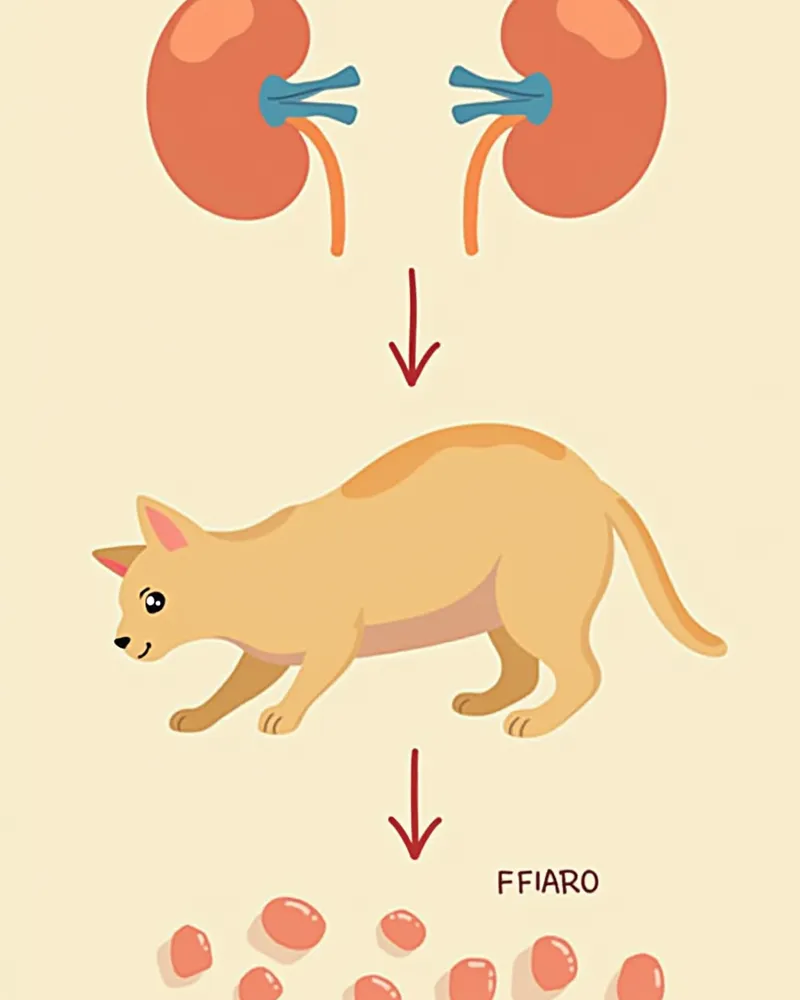
Feline renal fibrosis typically results from a combination of factors. In many cases, it develops on the background of chronic tubulointerstitial nephritis of unknown cause, with kidney tissue gradually deteriorating over time. Additionally, conditions such as hydronephrosis caused by ureteral stones, hypokalemic nephropathy, polycystic kidney disease, tumors like lymphoma, and hypercalcemia can lead to kidney damage and chronic kidney disease. Persistent hypertension places excessive strain on the kidneys, so it is crucial to manage and treat it actively as soon as it is detected. Cats with genetic predispositions, such as those in the Persian lineage, may be at higher risk. - Chronic tubulointerstitial nephritis: This is the most common underlying condition, where kidney tissue is damaged without a clearly identified cause. - Ureteral stones and hydronephrosis: Urinary tract obstruction and increased pressure can damage the kidneys. - Hypertension: Excessive blood flow pressure on the kidneys can cause damage, so consistent management is essential. - Genetic factors: Certain breeds, such as Persians with polycystic kidney disease, may have a higher risk.
An illustration showing the progression of feline renal fibrosis

Check for Key Symptoms and Signs

Kidney fibrosis in cats often shows no obvious signs in its early stages. However, as the condition progresses, you may notice the following symptoms:
Excessive thirst: Your cat will drink water much more frequently.
Frequent urination: They may use the litter box more often or produce larger amounts of urine.
Weight loss: Muscle mass decreases, leading to noticeable weight loss.
Decreased appetite: They may eat less frequently or consume smaller portions.
Recurring vomiting: This is especially common in the morning.
Fatigue: Your cat may rest more throughout the day and show reduced activity levels.
A cat drinking water

Signs Requiring Immediate Veterinary Visit

If your cat is drinking significantly more water than usual, or if you notice a sudden increase in how often they use the litter box and the volume of their urine, it could indicate declining kidney function, such as a reduced ability to concentrate urine. If you observe these changes, don’t delay—seek immediate veterinary care for proper testing and consultation to ensure your cat’s health and safety.

Diagnostic Tests for Accurate Diagnosis
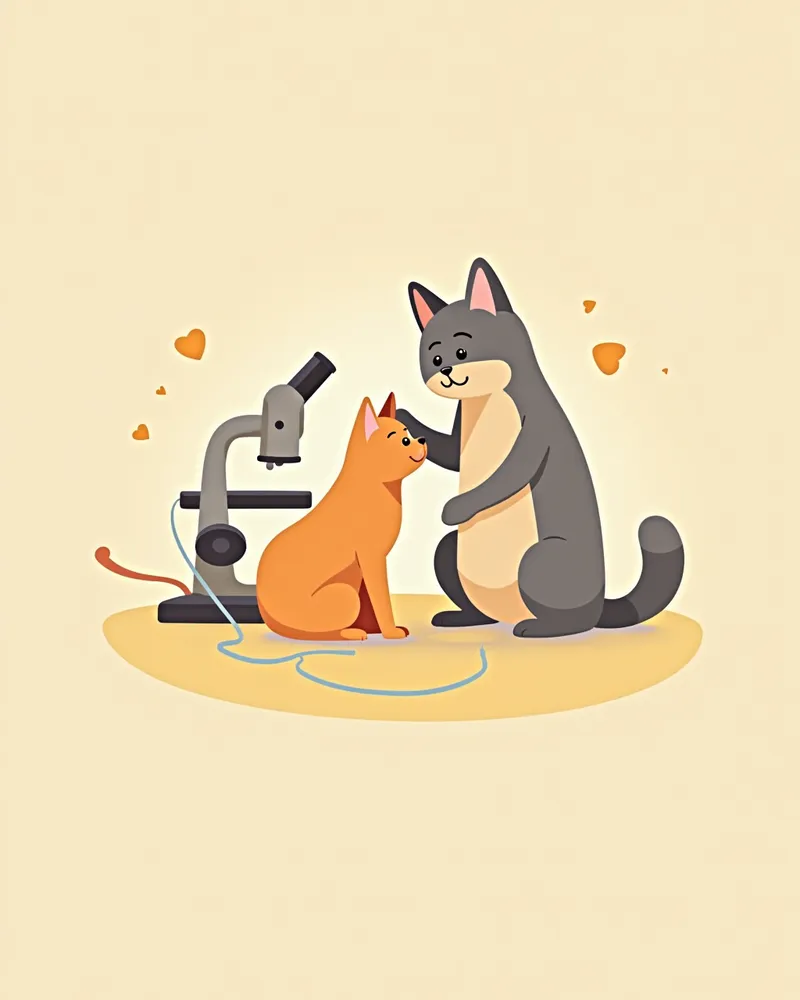
Feline renal fibrosis is accurately diagnosed through a combination of tests. Blood tests measure creatinine and BUN levels to assess whether kidney function has declined. Urinalysis checks for decreased urine concentration, which indicates impaired renal concentrating ability. When necessary, ultrasound imaging allows us to observe changes in kidney size and structure. In particular, a shrunken kidney with an irregular surface may be a sign of advanced fibrosis. In severe cases, a kidney biopsy provides direct tissue analysis for a definitive diagnosis. - Blood tests: A fundamental assessment of kidney function. - Urinalysis: Essential for evaluating the kidney’s concentrating ability. - Ultrasound: Provides a visual assessment of structural changes in the kidneys. - Biopsy: Enables precise evaluation of the degree of fibrosis at the tissue level.
A veterinarian performing a urinalysis on a cat.

Treatment Methods and Step-by-Step Management Strategies

While renal fibrosis is difficult to cure, we can alleviate symptoms and slow its progression. Treatment focuses on medication, dietary management, and fluid supplementation.
Medication: If high blood pressure is present, we manage it with ACE inhibitors or ARBs, and may also use phosphate binders to reduce intestinal phosphate absorption.
Dietary Management: Feed a renal prescription diet that appropriately restricts protein and phosphorus while providing sufficient calories.
Fluid Supplementation: If dehydration occurs, we prevent it by administering subcutaneous fluids (approximately 75–150 mL every 1–3 days).
Potassium Supplementation: Since potassium levels tend to drop, we supplement as needed.
Regular Check-ups: We periodically repeat blood and urine tests to assess the condition and adjust treatment accordingly.
A cat eating food that is good for kidney health.

Daily Management Points at Home

Managing feline renal fibrosis hinges on consistent care at home. Please adhere to the following guidelines:
Ensure adequate water intake: Place water bowls in multiple locations and keep the water fresh at all times.
Dietary management: Consistently feed the prescription diet recommended by your veterinarian.
Environmental stability: Provide a quiet space to minimize stress.
Regular monitoring: Record your cat’s weight, appetite, and water consumption daily.
Medication administration: Ensure medications are given at the prescribed times.
Veterinary visits: Do not miss scheduled check-ups.
A stable living environment for cats

Breed-Specific Precautions and Prevention of Recurrence

Persian cats and those with Persian lineage are predisposed to polycystic kidney disease (PKD) caused by mutations in the PKD1 gene, which can increase their risk of kidney disease. If your cat is senior or belongs to a genetically at-risk group, regular check-ups are essential to detect changes early.

Reviewed by a veterinarian

Dr. Tony — Punnawat Phongkittirak

Dr. Tony — Punnawat Phongkittirak

Veterinarian

A veterinarian who majored in veterinary medicine at Khon Kaen University, Thailand, and completed the IVSA program at North Carolina State University in the United States. Drawing on clinical experience at animal hospitals, he works in the pet healthcare field and is dedicated to building a digital care environment that connects pet parents with veterinarians.

Frequently Asked Questions

Is feline renal fibrosis curable?
While a complete cure remains elusive at this time, proper management can help alleviate symptoms and maintain your pet's quality of life.
Why is dietary management important?
A low-protein, low-phosphorus diet can help reduce the burden on the kidneys and slow the progression of fibrosis.
Does an increase in water intake always mean a trip to the vet?
A sudden increase in water intake can be a sign of declining kidney function, so please consult your veterinarian right away.
Should I still give my cat medication if it has no appetite?
Even if your pet has no appetite, it’s important to keep them on their medication. Consult your veterinarian about options like mixing the medicine with food or administering it via injection.
What steps will a veterinarian take if kidney fibrosis progresses?
We assess the condition through blood tests, urinalysis, and ultrasound, and manage it by adjusting medications, providing fluid therapy, and improving the diet.

Share

Related Guides

References

[1] Langston, C.E. et al. (2023) Small Animal Critical Care Medicine, 3rd Edition. Elsevier.

[2] The Cat, Clinical Medicine and Management, 2nd Edition (2022). Elsevier.

[3] Veterinary Workbook of Small Animal Clinical Cases (2021). Wiley-Blackwell.

This information is based on veterinary literature and does not replace diagnosis or treatment. Please consult a veterinarian for specific health concerns.

Metapet Co., Ltd. | CEO: Park Sung-yong | Business Reg. No. 417-88-02562 | Seoul, South Korea | Customer Center

When a Cat's Kidneys Silently Harden: Renal Fibrosis Guide | Meongsiljang