

Comprehensive Guide to Whipworm Symptoms, Causes, Diagnosis, Treatment, and Management in Dogs
Whipworms in dogs are parasitic worms that live in the intestines and can cause diarrhea, weight loss, and anemia. Accurate diagnosis and consistent treatment are essential.
Whipworms are intestinal parasites that cause intestinal lining damage and chronic diarrhea in dogs.

The primary cause of whipworm infection is contact with contaminated soil and feces.

Main symptoms include chronic diarrhea, weight loss, anemia, and blood in the stool.

Symptoms Requiring Immediate Veterinary Care
If your dog experiences persistent diarrhea, weight loss, lethargy, or pale lips, seek veterinary care immediately. Urgent evaluation is especially necessary if you notice blood in the stool or if diarrhea occurs three or more times a day, as these signs may indicate anemia or severe intestinal damage.
Diagnosis hinges on identifying eggs through fecal examination.
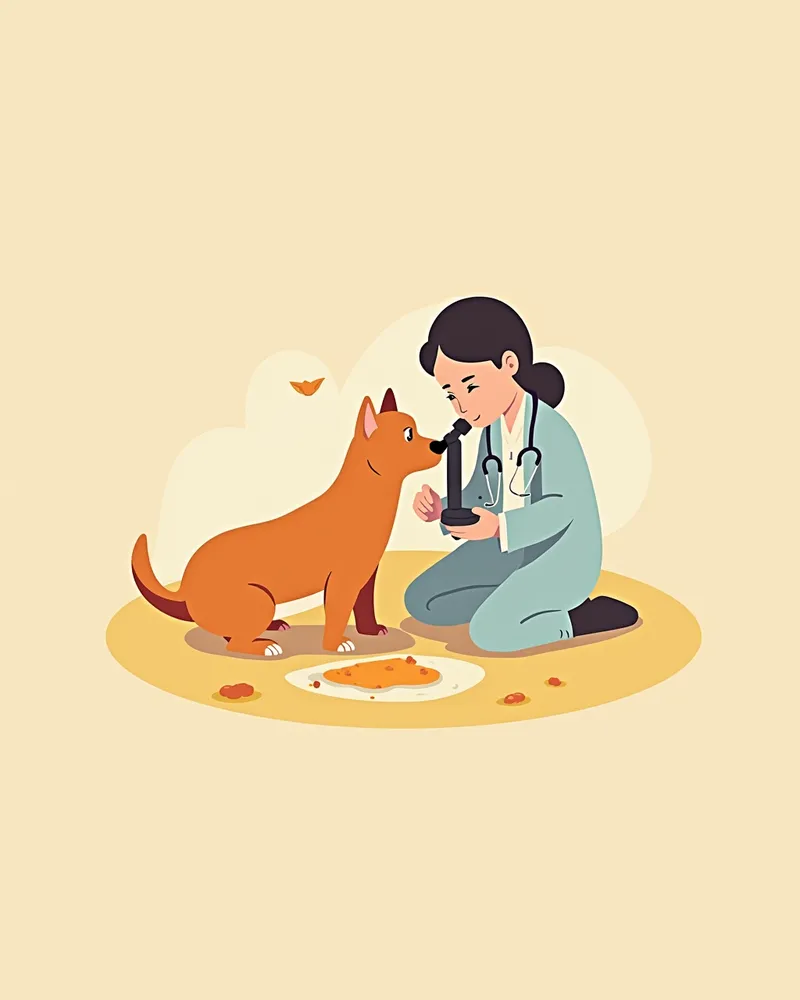
Treatment requires both antiparasitic medication and environmental cleaning.

Home management centers on consistent treatment, environmental hygiene, and adequate nutrition.

Precautions to Prevent Recurrence
Whipworm infections can recur even after treatment, so it’s important to continue regular fecal exams and keep your dog’s living area and yard clean. If your dog frequently interacts with other dogs, promptly remove feces and store toys and food bowls separately to prevent the spread of infection. Although the whipworm that affects dogs (Trichuris vulpis) is a different species from the one that affects humans (Trichuris trichiura) and is generally host-specific, making transmission to people rare, it’s still a good idea to practice basic hygiene, such as washing your hands after handling feces.
Reviewed by a veterinarian

Dr. Tony — Punnawat Phongkittirak
VeterinarianA veterinarian who majored in veterinary medicine at Khon Kaen University, Thailand, and completed the IVSA program at North Carolina State University in the United States. Drawing on clinical experience at animal hospitals, he works in the pet healthcare field and is dedicated to building a digital care environment that connects pet parents with veterinarians.
Reviewed 2026-06-29
Frequently Asked Questions
Can roundworms be transmitted to humans?
Will the symptoms completely disappear after giving the medication?
How can we prevent it?
Can puppies get infected too?
How long do roundworms live?
Share
Related Guides

5 Flea and Tick Preventives for Cats Recommended by Veterinarians — Ingredient Safety Comparison

The Ultimate Guide to Differentiating Symptoms, Managing Internal Parasites in Dogs, and Choosing the Best Products

Best Practices and Selection Criteria for Dog Heartworm Antigen Testing

If Your Cat’s CKD Has Progressed — Key Palliative Care and Management to Preserve Quality of Life
Cat ACE Inhibitors and ARBs: Kidney Protection Effects and Timing for Initiation – A Complete Guide

If Your Dog’s Food Is Threatening Their Heart — Warning Signs of Taurine-Deficient Dilated Cardiomyopathy
If Your Dog Has Persistent Fever and Lethargy — Endocarditis Symptoms and Treatment Timing
If Your Dog Has High Blood Pressure — Symptoms, Treatment, and Management of Hypertensive Heart Disease

If Your Dog’s Heartbeat Is Irregular — Causes and Warning Signs of Ectopic Beats
Canine Cardiac Ultrasound (Echocardiogram) — A Complete Guide from Timing to Early Detection of Heart Disease
References
[1] Veterinary Parasitology, 5th Edition. Wiley-Blackwell, 2023.
[2] Plumb's Veterinary Drug Handbook, 9th Edition. Wiley-Blackwell, 2022.
[3] American Veterinary Medical Association (AVMA). Canine Parasite Control Guidelines. 2021.