
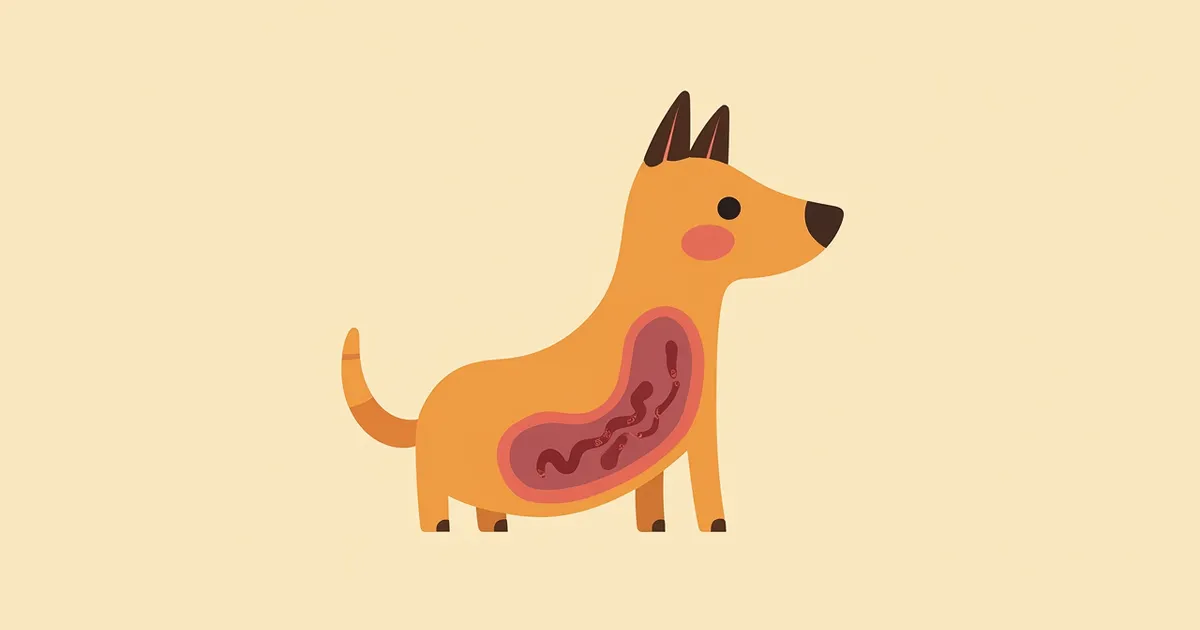
Best Whipworm Management Products for Dogs and How to Choose Them
Whipworms in dogs can cause chronic diarrhea and weight loss by parasitizing the intestines. We’ve compiled information on effective management products and how to choose them.
What Are Whipworms in Dogs?

Key Information: Whipworm Management in Dogs
Key Information 1: Symptoms and Urgency of Whipworm Infection

Key Information 2: Diagnosis and Treatment Options

Key Information 3: Daily Care and Precautions

What Owners Should Know About Whipworms in Dogs
| Item | Key Points |
|---|---|
| Symptoms | Bloody/mucoid stool, diarrhea, weight loss, dehydration |
| Cause | Ingestion of whipworm eggs (contact with contaminated soil/environment) |
| Diagnosis | Fecal flotation (repeat testing may be needed) |
| Treatment | Veterinarian-prescribed dewormer, repeated dosing at set intervals |
| Management/Caution | Regular deworming, immediate removal of feces, caution with unverified remedies |
This is not a table recommending specific products or clinics, but a reference for when you consult a veterinarian. Always make treatment and testing decisions together with your veterinarian through an examination.
Precautions and Contraindications
Whipworm medications should only be used under the guidance of a veterinarian. Overdosing can cause gastrointestinal symptoms such as nausea, diarrhea, and loss of appetite. Puppies that are very young or have very low body weight, as well as dogs with underlying health conditions, must be examined by a veterinarian before use.
Usage Tips and Management Points

Reviewed by a veterinarian

Dr. Tony — Punnawat Phongkittirak
VeterinarianA veterinarian who majored in veterinary medicine at Khon Kaen University, Thailand, and completed the IVSA program at North Carolina State University in the United States. Drawing on clinical experience at animal hospitals, he works in the pet healthcare field and is dedicated to building a digital care environment that connects pet parents with veterinarians.
Reviewed 2026-06-29
Frequently Asked Questions
How do pets get infected with whipworms?
How long should I continue giving my pet deworming medication?
How can I tell if the roundworms have been completely eliminated?
Can roundworms be transmitted to humans?
How should I prevent roundworms?
Share
Related Guides

5 Flea and Tick Preventives for Cats Recommended by Veterinarians — Ingredient Safety Comparison

The Ultimate Guide to Differentiating Symptoms, Managing Internal Parasites in Dogs, and Choosing the Best Products

Best Practices and Selection Criteria for Dog Heartworm Antigen Testing

7 Key Symptoms and Management Essentials for Canine Thyroid Cancer, Explained by Veterinarians

7 Best Products for Managing Seasonal Flank Hair Loss in Dogs, Recommended by Veterinarians — Including Selection Criteria

7 Essential Management Points for Hormonal Imbalances in Pregnant and Nursing Dogs

7 Key Management Points for Canine Primary Hyperparathyroidism Highlighted by Veterinarians

7 Recommended Products for Managing Hormonal Changes After Dog Neutering, as Advised by Veterinarians
7 Key Pituitary Tumor Management Tips for Dogs Recommended by Veterinarians — From Symptoms to Care

7 Warning Signs of Tumor-Induced Hypoglycemia in Dogs, According to Veterinarians
References
[1] Veterinary Parasitology, 5th Edition, Wiley-Blackwell, 2023
[2] Plumb's Veterinary Drug Handbook, 9th Edition, Wiley-Blackwell, 2021
[3] American Veterinary Medical Association (AVMA) Guidelines on Canine Parasite Control, 2022