Like
Share
멍실장
고양이 연간 구충 스케줄 관리 추천 BEST와 고르는 기준 총정리

The Best Annual Deworming Schedule for Cats and Selection Criteria: A Complete Guide

Lifestyle & Age CareTop PicksMeongsiljang Veterinary Advisory Board

An annual deworming schedule is essential for maintaining your cat's health. Choosing the right products and timing is crucial.

An Annual Deworming Schedule for Cats is an Essential Preventive Measure
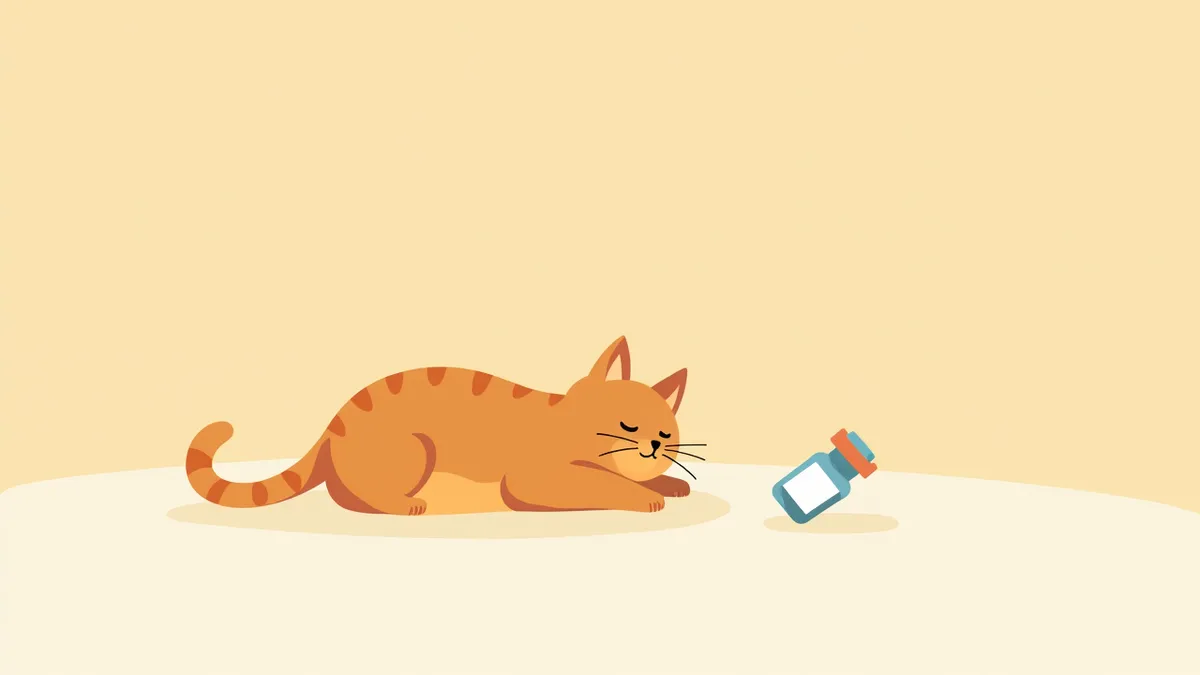
A cat lying on a soft bed, with a medicine bottle placed nearby.
Regular deworming is an essential preventive measure to maintain your cat’s health. Even indoor cats can bring parasites inside from the outdoors, so it’s important to deworm them at appropriate intervals as recommended by your veterinarian. Intestinal parasites can cause digestive issues and nutritional deficiencies, while external parasites may lead to dermatitis or allergic reactions. - Safety and efficacy: Choose products and dosages recommended by your veterinarian, taking into account your cat’s age, weight, and overall health. - Ease of administration: Consider your cat’s preferences when selecting the formulation—such as tablets, liquids, or chewable sticks—to make administration smoother. - Parasite coverage: Opt for products that effectively target both intestinal and external parasites. Consistent care helps maintain your cat’s health and quality of life.

5 Selection Criteria

When choosing a dewormer for your cat, be sure to check its safety, efficacy, ease of use, coverage of parasite types, and whether it is recommended by veterinarians. Carefully compare each of these factors.
Safety first: Confirm that the ingredients are appropriate for your cat’s weight and age, and that the product is recommended by a veterinarian.
Broad coverage: Choose a product that can eliminate both internal and external parasites simultaneously.
Ease of use: Select the form—such as tablets, liquids, or sticks—that best suits your cat’s response and preferences.
Veterinarian-recommended products: Products backed by clinical experience and safety verification offer higher reliability.
Minimizing side effects: Opt for products with fewer side effects to reduce stress for your cat.
A veterinarian holding a cat and showing a deworming tablet.

BEST 1: Protect Cat Liquid Dewormer

It’s best to choose a dewormer for cats that can manage both internal and external parasites. Dewormers come in various forms, such as liquids, tablets, and sticks, so you can select the most suitable option based on your cat’s temperament and ease of administration. - Safety: Consult with a veterinarian to determine the appropriate ingredients and dosage based on your cat’s weight and age. - Effectiveness: Look for products that interrupt the life cycle of internal parasites and eliminate external parasites. Veterinary textbooks recommend regular deworming at least four times a year (approximately every three months). For cats with frequent hunting activities or those in high-risk environments, monthly deworming may be necessary. - Convenience: Choose a form that suits your cat’s response, whether administered directly without additional food or mixed into their meals. It’s especially important to carefully select the administration method for cats prone to stress.
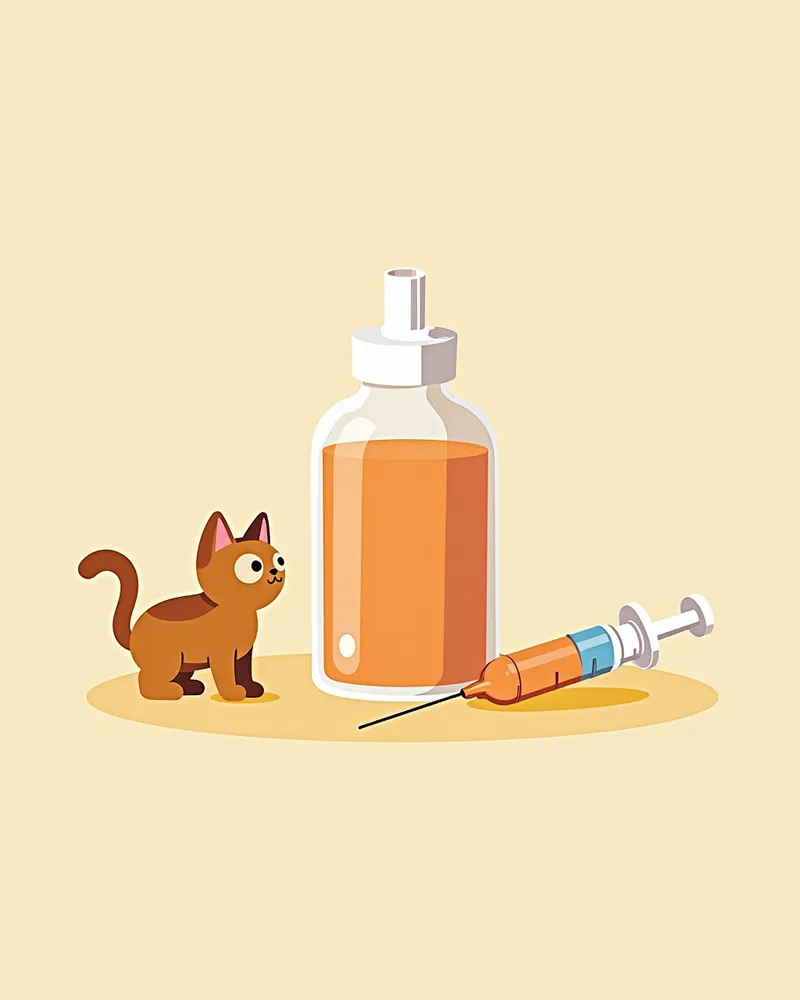
A bottle of liquid dewormer and a syringe, with a cat sitting nearby.

BEST 2: Catwave Tablet Dewormer

When choosing a dewormer for your cat, consider their risk of parasitic infection and their living environment. Tapeworms, for example, are common in cats that hunt, so it’s best to shorten the deworming interval for these cats. Veterinary textbooks generally recommend deworming at least four times a year, while cats in high-risk environments or those that hunt may need monthly treatment. - Key ingredients: Make sure the product contains ingredients effective against both internal and external parasites. - Duration of effectiveness: Many products provide results with a single dose, but the duration of protection and timing for re-dosing vary depending on the product and parasite type. Always check the label and follow your veterinarian’s guidance. Adjustments to the deworming schedule may be necessary based on environmental factors. - Ease of use: Products designed to be eaten naturally by cats are easier to administer and more convenient to store and use. To minimize stress for your cat, consider the form and flavor of the product.
A tablet imprinted with a cat paw print, placed on a white background.

BEST 3: Laser Cat Stick Dewormer

The choice of dewormer for your cat depends on their lifestyle and risk of parasitic infection. Cats that frequently hunt are at higher risk of recurrent intestinal parasite infections, so regular deworming is essential. - Palatability and ease of administration: Products tailored to your cat’s preferences can improve compliance. However, safety and broad-spectrum coverage should always take priority over taste. - Parasite coverage: Choose products that eliminate both intestinal and external parasites simultaneously. Always check the product label for the specific types of parasites covered. - Ease of use: Opt for formulations that are easy to administer without additional tools, and consider the method of administration to minimize stress for your cat. - Veterinarian recommendation: Products with proven clinical efficacy are reliable, but the treatment plan should be customized to your cat’s individual needs.
A cat happily eating a stick-shaped dewormer.

Comparison Table of Products BEST 1–3

ItemFormKey IngredientsIntervalRecommendation
Protect Cat LiquidLiquidIpronidazole, promethazineAt least 4 times a year (once a month if high risk, per veterinary recommendation)Recommended
CatWave TabletTabletIpronidazole, promethazineAt least 4 times a year (once a month if high risk, per veterinary recommendation)Recommended
Laser Cat StickStickIpronidazole, promethazineAt least 4 times a year (once a month if high risk, per veterinary recommendation)Recommended

All products must be used at the dosage recommended by a veterinarian according to the cat's body weight.

Caution: Do Not Overdose

Deworming medication should be administered at the exact dosage recommended by your veterinarian. Overdosing can cause side effects such as vomiting, diarrhea, and decreased activity levels. Extra caution is especially important for kittens and cats that are already weak or fragile.

5 Usage Tips

To use dewormers effectively, keep these tips in mind:
Regular administration: Administer dewormers regularly as recommended by your veterinarian. According to veterinary textbooks, a minimum of four times a year (approximately every three months) is standard, but cats with frequent hunting activities or high environmental risk may require more frequent administration, up to once a month.
Administration after meals: Some products may be better tolerated when given after meals, but this can vary by product, so always check the label instructions.
Storage precautions: Store in a cool place, away from direct sunlight and moisture.
Monitor for side effects: Closely observe your cat for 24 hours after administration. If you notice vomiting, diarrhea, lethargy, or other unusual symptoms, consult your veterinarian immediately.
Consult your veterinarian: Always discuss with your veterinarian before selecting a dewormer or changing the dosing schedule.
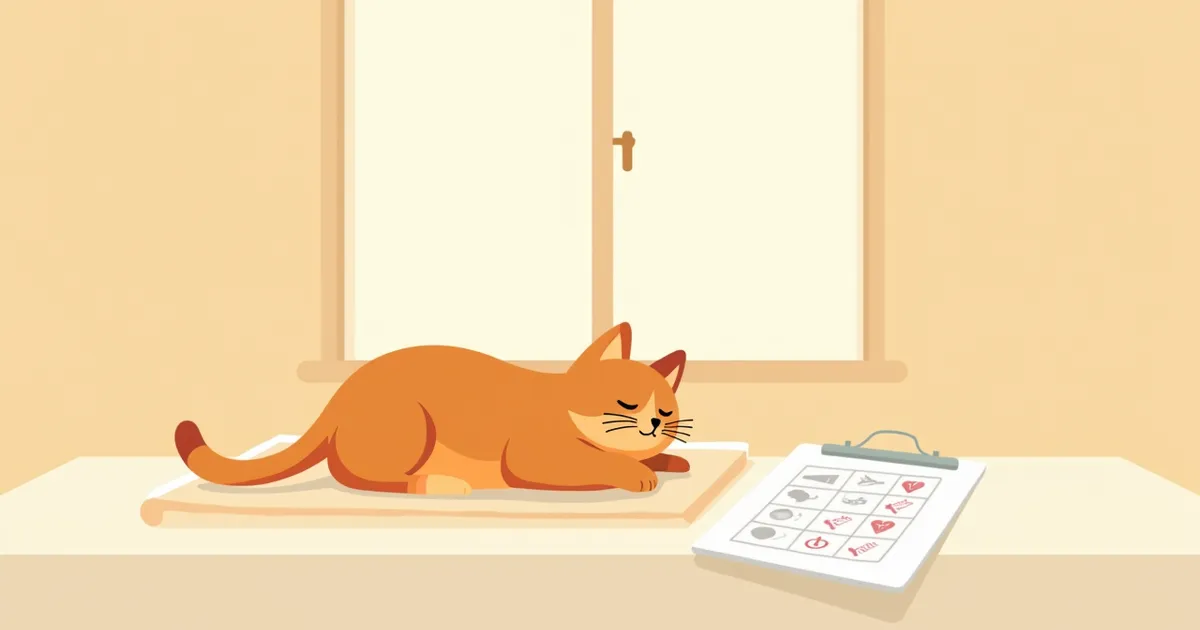
A calendar with a cat icon, showing deworming medication reminders.

Reviewed by a veterinarian

Dr. Tony — Punnawat Phongkittirak

Dr. Tony — Punnawat Phongkittirak

Veterinarian

A veterinarian who majored in veterinary medicine at Khon Kaen University, Thailand, and completed the IVSA program at North Carolina State University in the United States. Drawing on clinical experience at animal hospitals, he works in the pet healthcare field and is dedicated to building a digital care environment that connects pet parents with veterinarians.

Frequently Asked Questions

Is it sufficient to deworm my cat only once a month?
Veterinary textbooks recommend deworming at least four times a year (approximately every three months). Even indoor cats can be exposed to parasites, and cats with frequent hunting activity may need deworming as often as once a month. For safety, consult your veterinarian to determine the appropriate schedule for your cat.
What should I do if my pet vomits after taking deworming medication?
While mild vomiting can sometimes be a temporary reaction, you should consult your veterinarian immediately if the symptoms become severe or recur.
Can kittens take deworming medication?
Yes, kittens can also be dewormed under a veterinarian’s guidance, using a dosage appropriate for their weight. In the early stages, deworming is often repeated at short intervals, so it’s best to consult with your vet to determine the initial deworming schedule and frequency.
Is it better to give deworming medication before meals?
It depends on the product. Some are best given after meals, so always check the label instructions. Administering after food may be gentler on your pet’s stomach than giving it on an empty stomach.
What should I do if I missed giving my pet deworming medication?
On the next scheduled day, administer the normal dose. Do not double up on doses. If you’ve missed several days, consult your veterinarian.

Share

Related Guides

References

[1] The Cat, Clinical Medicine and Management, 2nd Edition. Elsevier, 2020.

[2] Applied Veterinary Clinical Nutrition, 2nd Ed. Wiley-Blackwell, 2018.

[3] American Association of Feline Practitioners (AAFP). Feline Wellness Guidelines. 2023.

This information is based on veterinary literature and does not replace diagnosis or treatment. Please consult a veterinarian for specific health concerns.

Metapet Co., Ltd. | CEO: Park Sung-yong | Business Reg. No. 417-88-02562 | Seoul, South Korea | Customer Center

Best Annual Deworming Schedule for Cats: How to Choose | Meongsiljang