Like
Share
멍실장
강아지 요도 협착 관리 추천 BEST와 고르는 기준 총정리

Top Recommended Products for Managing Urethral Stricture in Dogs and Selection Criteria

UrinaryTop PicksMeongsiljang Veterinary Advisory Board

Urethral stricture in dogs is a serious condition that can cause acute pain and urinary difficulties. Choosing the right management products and treatments can make all the difference in survival rates and recovery speed.

What Is Urethral Stricture in Dogs?
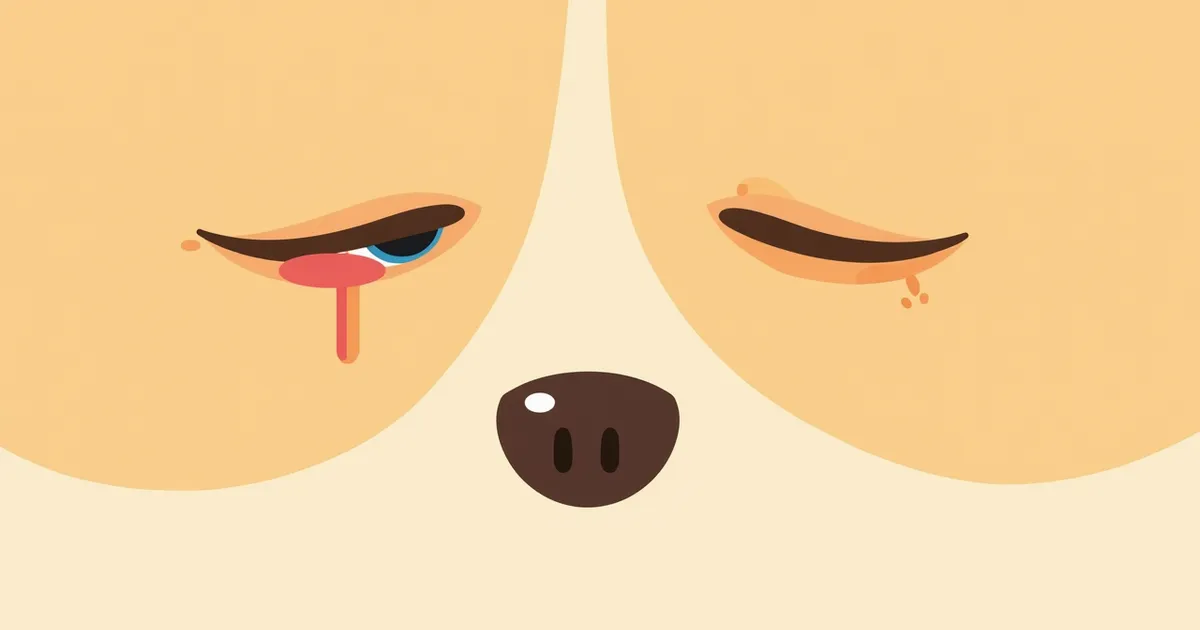
A puppy suffering from urethral stricture
Urethral stricture in dogs is a condition in which the inner lining of the urethra narrows, hindering smooth urine flow and causing difficulty urinating and pain. This narrowing can develop secondary to severe urethritis, urinary stones, trauma, or catheterization procedures. Because complete urethral obstruction—a life-threatening emergency—must always be ruled out first, any signs of difficulty urinating require immediate veterinary assessment. If left untreated, the condition can lead to bladder overdistension, hydronephrosis (swelling of the kidneys), and declining kidney function. Early detection and appropriate treatment are key to safeguarding your dog’s health. Therefore, carefully monitor any changes in your dog’s urination habits and seek prompt evaluation at a veterinary clinic if abnormalities are noticed, as this greatly aids recovery.

Key Points: Managing Urethral Stricture in Dogs

Urethral stricture in dogs is a medical condition that requires professional veterinary treatment, not something that can be managed with home remedies. When veterinarians use medical devices such as catheters, they consider several important factors. Understanding these points can help you communicate more effectively with your vet.
Biocompatibility of materials: Soft materials like silicone, which are less likely to irritate urethral cells, are preferred. Stiff materials can cause damage to the urethra.
Aseptic technique: Infection must be prevented using sterile gloves, disinfectant wipes, and other sterile procedures.
Appropriate size and length: The catheter’s thickness and length should be carefully selected based on the distance from the urethral opening to the bladder.
Veterinary supervision: Insertion, cleaning, and replacement of the catheter must always be performed under the guidance and judgment of a veterinarian.
Supplement to support the management of urethral stricture in dogs

Key Point 1: What Is Urethral Stricture and How Urgent Is It?
Urethral stricture in dogs is a condition where the inner lining of the urethra narrows, preventing urine from being properly expelled. Dogs may strain to urinate but pass little to no urine (dysuria) or show blood in their urine (hematuria). In severe cases, the bladder can become overdistended, and kidney function may be compromised. Complete urethral obstruction, where urine flow is entirely blocked, is a medical emergency requiring immediate treatment. If your dog is unable to urinate properly, seek veterinary care without delay. Whenever these symptoms appear, it is safest to rule out urethral obstruction first, so please do not hesitate to seek professional evaluation.
A puppy taking urinary tract health capsules

Key Point 2: Diagnosis and Treatment Options for Urethral Stricture
Diagnosis is made through physical examination, bladder palpation, urinalysis (including sediment examination and urine culture), blood tests, and radiographic or ultrasound imaging. When necessary, contrast urethrography may be performed to identify the underlying cause. Treatment options vary depending on the cause and severity of the stricture. In early stages, a urethral catheter is inserted to relieve urinary obstruction and flush the bladder. For frequent recurrences or severe obstructions, surgical or interventional procedures such as urethral stent placement may be considered. The appropriate treatment plan should be determined by a veterinarian after directly evaluating your dog’s condition.
Liquid supplement for canine urinary tract health

Key Point 3: Post-Treatment Care and Owner Precautions

After treatment, it is important to encourage your pet to drink plenty of water. Consistently feeding the veterinary-prescribed therapeutic diet and minimizing environmental stress can help prevent recurrence. Maintaining a clean litter box and providing an adequate number of litter boxes are also essential. Over-the-counter supplements or natural remedies sold online have not been proven effective, so if symptoms reappear, seek veterinary care immediately. Always follow your veterinarian’s instructions for all medications and dietary changes.
Dog urinary tract health powder supplement

What Owners Should Know About Urethral Stricture in Dogs

ItemKey Points
SymptomsUnable to urinate or bloody urine, excessive straining when urinating
CausesInflammation, scarring, stones, or mucus plugs in the urethral lining, etc.
DiagnosisIdentify the cause through physical exam, blood test, urinalysis, and ultrasound
TreatmentCatheter urination, and if needed, surgical procedures such as stent placement
ManagementPrescription diet, water intake, stress reduction, regular check-ups

This is not a table recommending specific products or hospitals, but a reference for when you consult your veterinarian. Always make treatment and testing decisions together with your veterinarian through an examination.

Warning: Risks of Using Incorrect Products

Attempting to insert catheters or other instruments at home without veterinary guidance can damage the urethra or cause infections. If your dog shows signs of pain or if urination worsens, seek immediate veterinary care. All treatments should be discussed with a veterinarian and performed in a clinic under strict sterile conditions.

Usage Tips: Management Methods to Reduce Stress in Dogs
Reducing your dog’s stress during urethral stricture recovery can support a smoother healing process. Try these tips:
Maintain a quiet environment: Let your dog rest in a calm, low-noise space.
Practice good hygiene: Keep the urinary area and surrounding skin clean, following your veterinarian’s guidance.
Stick to a consistent routine: Maintain regular feeding, play, and sleep schedules as close to normal as possible.
Monitor behavioral changes: Watch closely for signs of anxiety, aggression, or lethargy.
A puppy drinking water

Reviewed by a veterinarian

Dr. Tony — Punnawat Phongkittirak

Dr. Tony — Punnawat Phongkittirak

Veterinarian

A veterinarian who majored in veterinary medicine at Khon Kaen University, Thailand, and completed the IVSA program at North Carolina State University in the United States. Drawing on clinical experience at animal hospitals, he works in the pet healthcare field and is dedicated to building a digital care environment that connects pet parents with veterinarians.

Frequently Asked Questions

How often should urethral stricture management be performed?
Urethral strictures are not a condition that should be managed at home without professional guidance. When an indwelling catheter is in place, the veterinarian will determine the appropriate replacement schedule and care instructions based on your dog’s specific condition, so it’s safest to follow their directions rather than relying on a fixed timeline. If you notice any odor from the discharge or suspect a blockage, contact your veterinary clinic immediately.
What should I do if my dog is trying to pull out a medical device?
When your dog tries to remove a device, it’s often a sign of stress or discomfort. First, create a calm environment and protect the area with an e-collar or similar barrier, then consult your veterinarian to check whether the device fits properly and is being used correctly.
Can it be managed at home?
While some care can be done at home under veterinary guidance, it’s safest to manage the early stages at the animal hospital. Any subsequent home care should only be carried out after consulting with your veterinarian.
What are the methods to prevent recurrence?
Increasing water intake, following a veterinarian-recommended diet, and providing a low-stress environment can be helpful. If there is an underlying cause such as bladder stones, it is important to manage that cause as well.
What should I do if my pet’s urine flow is blocked?
You should contact your veterinarian immediately. Urinary obstruction is an emergency that can lead to serious complications, such as kidney damage, so prompt action is essential.

Share

Related Guides

References

[1] Plumb's Veterinary Drug Handbook, 9th Edition, 2022. Wiley-Blackwell.

[2] Feldman, E.C. and Nelson, R.W. (2020). Canine and Feline Nephrology and Urology, 4th Edition. Elsevier.

[3] American College of Veterinary Internal Medicine (ACVIM). Consensus Statement on Urinary Tract Disorders in Dogs, 2021.

This information is based on veterinary literature and does not replace diagnosis or treatment. Please consult a veterinarian for specific health concerns.

Metapet Co., Ltd. | CEO: Park Sung-yong | Business Reg. No. 417-88-02562 | Seoul, South Korea | Customer Center

Best Dog Urethral Stricture Care: Top Picks & Criteria | Meongsiljang