
Like
Share
멍실장
강아지 영양 상담 및 식이 선택 관리 추천 BEST와 고르는 기준 총정리

Top Recommendations and Selection Criteria for Puppy Nutrition Counseling and Diet Management

Lifestyle & Age CareTop PicksMeongsiljang Veterinary Advisory Board

For your puppy’s healthy growth, personalized nutrition counseling and careful food selection are essential. A proper diet plays a key role in preventing diseases and maintaining long-term health.

Puppy Nutrition Counseling and Diet Selection Are the Foundation of Health
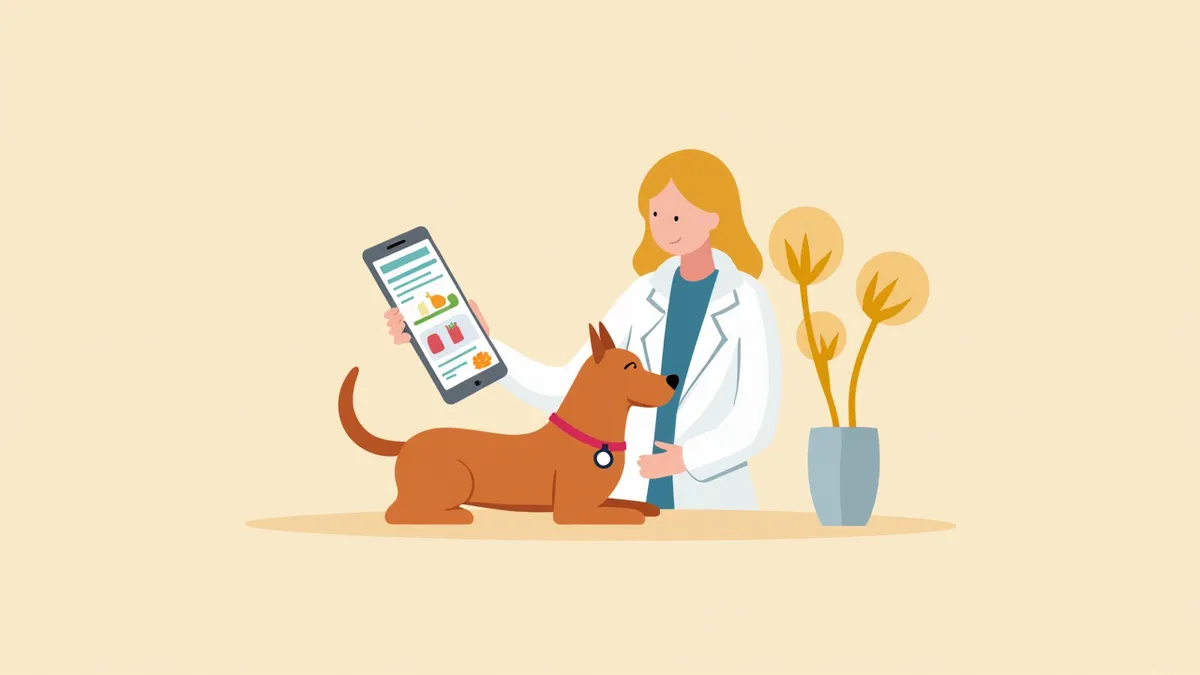
A scene of a dog receiving personalized nutrition counseling with a veterinarian.
Nutritional counseling and proper diet selection are essential for supporting your puppy’s growth and maintaining long-term health. - Age and Weight: Nutritional needs differ significantly between growing puppies and adult dogs. It is important to provide appropriate calories and protein tailored to each life stage. For growing puppies, carefully calculate daily caloric intake to maintain an ideal body condition and avoid overfeeding nutrients. - Activity Level: Dogs with higher activity levels require more energy, which is crucial for weight management and overall health. - Health Conditions: If your dog has chronic diseases or allergies, work with your veterinarian to adjust their diet. For managing skin reactions to food, your vet may recommend trying a single-protein or hydrolyzed protein diet under professional guidance. - Ingredient Quality: Evaluate whether a food provides a complete and balanced diet by reviewing its ingredient and nutritional analysis labels. When dogs receive adequate meals that meet established nutritional standards, nutrient deficiencies are rare. - Veterinary Consultation: Consulting a professional is the safest and most effective way to create a dietary plan. A proper diet enhances long-term health and improves your pet’s quality of life.

Criteria for Selecting Puppy Nutrition Counseling and Diet
When consulting on your dog’s nutrition and selecting a diet, several factors must be taken into account. First, assess your dog’s age, weight, and activity level, and check for any underlying health conditions or allergies. The quality and balance of dietary ingredients are also crucial. Working with a veterinarian to create a customized plan is the safest and most effective approach.
Age-Specific Nutritional Needs: Nutritional requirements vary across puppyhood, adolescence, and adulthood. For growing puppies, excessive nutrient intake can lead to overly rapid growth and excessive weight gain, so it is important to calculate daily caloric needs to maintain an appropriate body condition.
Weight Management: Both overweight and underweight conditions can negatively impact health. Regular weight monitoring and dietary adjustments are essential.
Checking for Allergies: Symptoms such as skin itching, hair loss, and diarrhea may signal an allergic reaction. A veterinarian may recommend an elimination diet to identify and remove the offending allergen.
Ingredient Transparency: Carefully review the ingredient list and nutritional information panel. Key points include the diversity of protein sources and the balance of vitamins and minerals.
Developing a Customized Plan: It is important to evaluate your dog’s current diet with a veterinarian and make adjustments based on the food’s ingredient profile when necessary.
A scene comparing the ingredient lists of dog food.

BEST 1: Premium Personalized Nutrition Counseling Service

This service provides a personalized nutrition plan by comprehensively analyzing your dog’s life stage, body type, activity level, and health status. You’ll receive guidance from both a veterinarian and a nutrition expert, including dietary adjustments and supplement recommendations. A major advantage is the monthly check-up and the ability to ask questions in real time. It’s especially beneficial for dogs with allergies or chronic conditions.
Highly personalized: Tailored to each dog’s life stage and health status
Expert consultation: Dietary assessment and adjustments through collaboration between a veterinarian and a nutritionist
Real-time feedback: App-based support enables prompt responses
Ongoing management: Regular check-ups allow for tracking changes and making necessary adjustments
A scene showing someone using a personalized nutrition consultation app for dogs.

BEST 2: High-Quality Premium Food + Supplement Package

This package includes high-quality food that meets AAFCO standards, along with supplements that veterinarians can recommend. The main ingredients are meat, fish, and vegetables, and it contains no preservatives or artificial colors. It also includes ingredients that support joint health, skin health, and digestive function. Available in three sizes based on your dog's age and weight, it offers the convenience of monthly delivery.
Meat-based ingredients: Designed to provide natural protein sources
Preservative-free: A stable formula without preservatives
Enhanced functional ingredients: Includes supportive components for joint function, skin health, and improved digestion
Regular delivery: Encourages consistent intake through a steady care system
A box containing a package of high-quality dog food and nutritional supplements

BEST 3: Home Care Nutrition Management Kit

This kit is designed to make home nutrition management easy. It includes food, supplements, a measuring spoon, and app connectivity for a nutrition diary. It’s especially useful for puppies or pets needing dietary adjustments. Recording your pet’s nutrition diary allows you to analyze it with your vet and make necessary adjustments. It offers great value for money and is easy for first-time pet owners to use.
Easy to Use: All tools in one set
Recording Feature: Nutrition diary with app integration
Beginner-Friendly: Includes instructions and guidance
Cost-Effective: Long-term use with a single purchase
Puppy Home Care Nutrition Management Kit

Comparison Table for Puppy Nutrition Counseling and Diet Selection (BEST 1–3)

ItemBEST 1: Personalized Consultation ServiceBEST 2: Premium Food + SupplementsBEST 3: Home Care Kit
CustomizationVery highMediumMedium
Expert ConsultationVeterinarian + NutritionistProducts a veterinarian may recommendSelf-provided guide
Price RangeHighMediumLow
Ease of UseVery highHighHigh
Long-term Management PotentialVery highHighMedium

Prices are on a monthly basis; customization is rated out of 5 points, with 5 being the highest.

Caution: Abrupt Diet Changes Are Risky

Abruptly changing your dog’s diet can lead to digestive issues such as diarrhea, vomiting, and loss of appetite. To ensure a smooth transition, gradually introduce new food or supplements over a period of seven days. For dogs with allergies or chronic conditions, it is essential to consult with your veterinarian before making any dietary changes.

Puppy Nutrition Management Tips

Nutritional management for your dog is a daily habit. Monitor changes through regular weigh-ins and food logs, making adjustments as needed. Always provide fresh, clean water in ample quantities. Limit treats to no more than 10% of total daily caloric intake, and choose nutritionally dense options. Regular consultations with your veterinarian are essential for ongoing health assessments.
Regular Weigh-ins: Enable early detection of weight changes and support overall health evaluations.
Adequate Water Supply: Essential for preventing dehydration and maintaining kidney function.
Treat Moderation: Crucial for maintaining dietary balance and preventing obesity.
Food Logging: Allows you to track your dog’s response to dietary changes.
Veterinary Consultations: A necessary step for adjusting nutrition based on life stage and health status.
Tips for managing your dog’s nutrition: Water supply and recording scenes

Reviewed by a veterinarian

Dr. Tony — Punnawat Phongkittirak

Dr. Tony — Punnawat Phongkittirak

Veterinarian

A veterinarian who majored in veterinary medicine at Khon Kaen University, Thailand, and completed the IVSA program at North Carolina State University in the United States. Drawing on clinical experience at animal hospitals, he works in the pet healthcare field and is dedicated to building a digital care environment that connects pet parents with veterinarians.

Frequently Asked Questions

How often should I have my dog’s nutrition reviewed?
We recommend consulting with your veterinarian whenever there are changes in your pet’s life stage or health status. Regular check-ups are especially important during growth phases or when managing chronic conditions.
Is it okay to change my pet’s food on my own?
While switching foods is straightforward, making an abrupt change can cause digestive upset. We recommend a gradual transition over seven days for a safe and smooth switch.
Should I give my pet supplements every day?
Only administer this medication if your veterinarian has determined it is necessary. To avoid potential side effects from an overdose, please strictly adhere to the recommended dosage.
What kind of food should I choose for my dog with allergies?
Consider working with your veterinarian to try an elimination diet using a single-protein or hydrolyzed-protein food. Ongoing monitoring and keeping a detailed food diary are essential.
Which dogs benefit most from a home care kit?
This is suitable for first-time pet owners, dogs needing dietary changes, or picky eaters. It’s especially helpful when used under veterinary guidance while keeping a detailed nutrition log.

Share

Related Guides

References

[1] Applied Veterinary Clinical Nutrition, 2nd Ed. (2022). Elsevier.

[2] Nutrient Requirements of Dogs and Cats. National Research Council (2006). National Academies Press.

[3] Clinical Medicine of the Dog and Cat, 4th Ed. (2020). Elsevier.

This information is based on veterinary literature and does not replace diagnosis or treatment. Please consult a veterinarian for specific health concerns.

Metapet Co., Ltd. | CEO: Park Sung-yong | Business Reg. No. 417-88-02562 | Seoul, South Korea | Customer Center

Best Puppy Nutrition Counseling & Diet Tips: How to Choose | Meongsiljang