
Top Recommended Cat Nebulizer Therapy Management and Selection Criteria
Nebulizer therapy is an effective way to manage respiratory conditions in cats. Choosing the right device and maintaining it properly are key.
What Is Cat Nebulizer Therapy?
Selection Criteria: Points to Check When Choosing a Cat Nebulizer
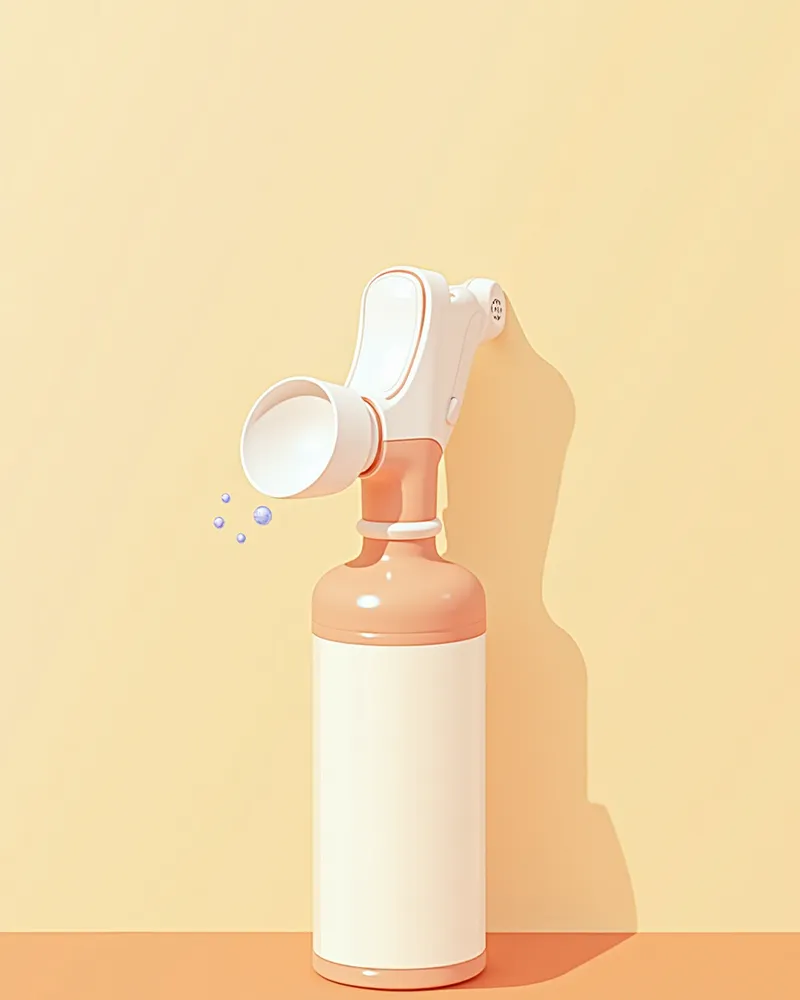
Check 1: Spray Particle Size That Reaches Deep Into the Lungs (1–5 μm)

Check 2: Low Noise and Proper Mask Fit

Check 3: Easy to Clean and Convenient for Consistent Use

Cat Nebulizer Selection Checklist
| Item | Evaluation Criteria |
|---|---|
| Spray Particles | Particle size of 0.5–5㎛ that reaches deep into the lungs (peripheral airways) |
| Noise/Mask | A soft, size-adjustable mask that is low-noise and fits snugly against the face and fur |
| Hygiene | A design with detachable parts for easy washing and drying |
| Continued Use | Whether it is convenient for consistent use in terms of portability, power source, parts replacement, etc. |
| Medication | Any medication used must strictly follow the veterinarian's prescription and dosage |
This is not a table recommending specific products or clinics, but a reference to consider when consulting your veterinarian. Always make treatment and testing decisions together with your veterinarian through an examination.
Precautions and Contraindications
Follow these tips to ensure effective nebulizer therapy for your cat. Rest before treatment: Allow your cat to rest for about 10 minutes to help them relax and reduce stress. Mask training: Start by having your cat wear just the mask, then gradually increase the duration of the treatment sessions. Rest after treatment: Let your cat rest in a quiet environment for 5 to 10 minutes after the session. Device cleaning: Rinse the components with water after each daily use, and disinfect them with a cleaning solution once a week. Record keeping: Keep a log of the treatment schedule and your cat’s response, and share this information regularly with your veterinarian.
5 Usage Tips
Reviewed by a veterinarian

Dr. Tony — Punnawat Phongkittirak
VeterinarianA veterinarian who majored in veterinary medicine at Khon Kaen University, Thailand, and completed the IVSA program at North Carolina State University in the United States. Drawing on clinical experience at animal hospitals, he works in the pet healthcare field and is dedicated to building a digital care environment that connects pet parents with veterinarians.
Reviewed 2026-06-29
Frequently Asked Questions
My cat refuses to wear the nebulizer mask. What should I do?
How many times a day should it be used?
Can nebulizer medications be prepared at home?
My cat’s cough has gotten worse during treatment. Is this normal?
Where should I store the device?
Share
Related Guides

Top Recommended Feline Bronchodilators and Selection Criteria: A Complete Guide

Best Recommendations and Selection Criteria for Monitoring Your Cat’s Respiratory Rate (RR) During Sleep for Heart Care
Best Recommendations and Selection Criteria for Monitoring Your Dog’s Respiratory Rate (RR) During Sleep for Heart Care

The Best Tips for Optimal Timing and Selection Criteria for Dog Neutering

Complete Guide to Dog Nail Care: Top Recommendations and Selection Criteria

The Best Indoor Safety Check Products for Dogs and How to Choose Them

Best Practices and Selection Criteria for Your Puppy’s First Vet Visit

The Best Methods for Early Detection of Health Issues in Dogs: Management Recommendations and Selection Criteria

Complete Guide to Choosing and Managing Dry, Wet, and Raw Diets for Dogs: Top Recommendations and Selection Criteria

Top Recommendations and Selection Criteria for Puppy DHPP (Combination Vaccine) Management
References
[1] BSAVA Manual of Canine and Feline Dermatology, 4th Ed, 2020
[2] The Cat, Clinical Medicine and Management, 2nd Edition, 2019
[3] Feline Emergency and Critical Care Medicine, 2nd Ed, 2021