Like
Share
멍실장
강아지 부갑상선기능저하증 관리 추천 BEST와 고르는 기준 총정리

7 Key Calcium Management Tips for Canine Hypoparathyroidism Recommended by Veterinarians

EndocrineTop PicksMeongsiljang Veterinary Advisory Board

Hypoparathyroidism in dogs is an endocrine disorder that causes seizures and muscle stiffness due to impaired calcium regulation. Choosing the right management products and supplements is key to treatment.

Hypoparathyroidism in Dogs Is an Endocrine Disorder Caused by Impaired Calcium Regulation

A medical illustration showing the location of the parathyroid glands in dogs
Hypoparathyroidism in dogs is an endocrine disorder in which insufficient parathyroid hormone leads to low blood calcium levels. This can cause muscle cramps, tremors, and, in severe cases, seizures. Although early signs may appear mild, leaving the condition untreated can lead to serious health problems. Accurate diagnosis requires a veterinary examination and blood tests. Treatment focuses on calcium and vitamin D supplementation, with dosages tailored to each dog’s individual condition. Early detection and consistent management are key to controlling the disease.

The Key to Managing Hypoparathyroidism Is Calcium and Vitamin D Supplementation

Managing hypoparathyroidism centers on maintaining a precise balance of calcium and vitamin D. Your veterinarian will prescribe a customized supplement regimen based on your dog’s weight, blood test results, and the severity of symptoms. Be cautious, as excessive supplementation can lead to hypercalcemia, which may cause heart problems or kidney damage. - Criteria for choosing calcium supplements: Opt for products containing active calcium forms with high bioavailability and minimal side effects. - Vitamin D supplements: It is essential to verify whether the product contains active vitamin D3 and to assess its potential impact on liver function. - Choosing a formulation: Decide between powder, capsule, or liquid forms based on ease of administration and your dog’s individual response.
A puppy enjoying a treat mixed with calcium powder.

BEST 1: Calcium-Vitamin D Complex Supplement (Premium)
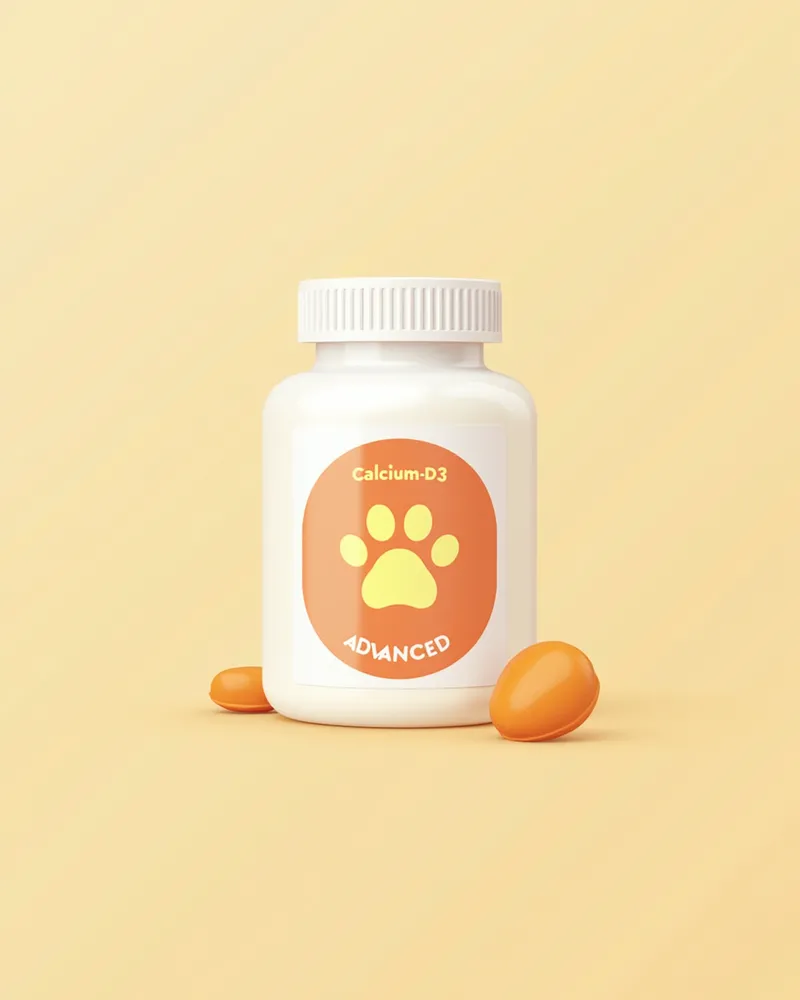
This product combines active vitamin D3 with organic acid calcium for superior absorption. Its specially formulated ingredient ratio is designed for managing hypoparathyroidism, making it a veterinarian-recommended brand. The powder form mixes easily into food, ensuring simple administration. It is particularly suitable for long-term management, offering stable results with minimal side effects. - Key Benefits: High absorption rate, long-term stability, veterinarian-recommended brand. - Precautions: Adjust the dosage precisely according to your veterinarian’s instructions.
Advanced Calcium-Vitamin D Complex Supplement Bottle

BEST 2: Long-Term Management Calcium Capsules (Low-Irritation)

This capsule is gentle on the digestive tract and provides long-lasting effects. It is especially effective for dogs experiencing recurrent spasms, with just one dose per day. The capsule’s contents are made from organic-based ingredients, promoting better digestion and absorption while minimizing gastrointestinal burden. It is also ideal for dogs that are difficult to medicate or have shown resistance to oral medications. - Key Benefits: Long-term stability, minimal digestive burden, low dosing frequency. - Precautions: The capsule should be given whole and not chewed.
Calcium capsules for long-term management

BEST 3: Liquid Calcium Supplement (Easy Administration)

This liquid formulation has been flavored to make it easier for dogs to take. It comes with a straw-style applicator that allows for precise dosage control. It’s especially recommended for young puppies or dogs that are difficult to medicate or tend to reject medication. If any adverse reactions occur after administration, consult your veterinarian immediately. - Key Benefits: Easy to administer, improved taste, precise dosage control. - Precautions: Must be refrigerated after opening.
Dogs taking liquid calcium supplements

Comparison Table of BEST 1–3 Products

ItemBEST 1 (Premium)BEST 2 (Low-irritation)BEST 3 (Liquid)
Ingredient FeaturesActive-form D3 + organic acid calciumLong-lasting calcium capsuleFlavor-improved liquid, straw administration
Absorption RateVery highHighModerate
Ease of AdministrationModerateModerateVery high
Recommended AgeAdult dogs and olderAdult dogs and olderIncluding young puppies
Storage MethodRoom temperatureRoom temperatureRefrigerated

Dosage adjustment as directed by your veterinarian is necessary. Visit the clinic immediately if any abnormal symptoms occur during use.

Caution: Risk of Calcium Excess with Overdose

Excessive calcium supplementation can lead to serious side effects, including heart problems, kidney damage, and vascular calcification. Never increase the dosage without your veterinarian’s guidance.

Usage Tip: Regular Testing and Record-Keeping Are Key to Successful Management

Your dog’s calcium levels can change over time. In particular, blood calcium and phosphorus levels can shift rapidly in the early days after starting supplementation, so it is recommended to monitor closely—checking almost daily for the first 5 to 7 days, and then about three times a week for the following two weeks. It is also important to keep a consistent log of all doses administered. - Logging tips: Record the time of each dose, the amount given, and any adverse reactions daily. - Testing schedule: Check frequently every few days at the start, and gradually extend the interval between tests as your veterinarian advises once calcium levels stabilize. Your dosage log will serve as a valuable reference during veterinary consultations. Regular testing and careful record-keeping help maximize treatment efficacy and prevent potential side effects.
Puppy Calcium Supplementation Record Notebook

Reviewed by a veterinarian

Dr. Tony — Punnawat Phongkittirak

Dr. Tony — Punnawat Phongkittirak

Veterinarian

A veterinarian who majored in veterinary medicine at Khon Kaen University, Thailand, and completed the IVSA program at North Carolina State University in the United States. Drawing on clinical experience at animal hospitals, he works in the pet healthcare field and is dedicated to building a digital care environment that connects pet parents with veterinarians.

Frequently Asked Questions

Is hypoparathyroidism treatable?
Yes, with ongoing veterinary care and the use of supplements, most dogs can maintain a normal quality of life. While a complete cure is difficult, proper management can help alleviate symptoms.
Should the supplement be given twice a day?
The number of times you administer a supplement depends on your dog’s condition and the type of supplement. For medications like active vitamin D (calcitriol), the daily dose may be split into two administrations per day. Always follow your veterinarian’s instructions regarding dosage and frequency.
Is it okay to give food and supplements at the same time?
It’s best to give it with meals, but maintaining a proper balance of calcium and phosphorus is crucial. Rather than making arbitrary changes to your pet’s diet, it’s safer to follow a diet plan recommended by your veterinarian.
Will symptoms return if I stop giving the supplement?
Yes, if you stop the supplement, calcium levels can drop again and the symptoms may return. Ongoing management is essential.
Is it safe to give supplements to young puppies?
Under a veterinarian’s guidance, even young puppies can take this medication. However, because the dosage must be carefully adjusted for their growth stage, self-medication is strictly prohibited.

Share

Related Guides

References

[1] Peterson ME, Kintzer PP, Hurvitz AI. Methimazole treatment of 262 cats with hyperthyroidism. J Vet Intern Med. 1988;2:150.

[2] Fox P, Peterson M, Broussard J. Electrocardiographic and radiographic changes in cats with hyperthyroidism. J Am Anim Hosp Assoc. 1998;35:27.

[3] The Cat, Clinical Medicine and Management, 2nd Edition. Blackwell Publishing Ltd, 2011.

This information is based on veterinary literature and does not replace diagnosis or treatment. Please consult a veterinarian for specific health concerns.

Metapet Co., Ltd. | CEO: Park Sung-yong | Business Reg. No. 417-88-02562 | Seoul, South Korea | Customer Center

7 Vet Tips for Managing Canine Hypoparathyroidism & Calcium | Meongsiljang