Like
Share
멍실장
고양이 항암 화학요법 프로토콜 관리 추천 BEST와 고르는 기준 총정리

5 Feline Chemotherapy Protocols Explained by Veterinarians — Types and Selection Criteria

Oncology/CancerTop PicksMeongsiljang Veterinary Advisory Board

Feline chemotherapy protocols vary depending on tumor type and stage, making personalized selection essential for effective management. Here are the key criteria to consider when choosing a protocol with your veterinarian.

What Are Feline Chemotherapy Protocols?

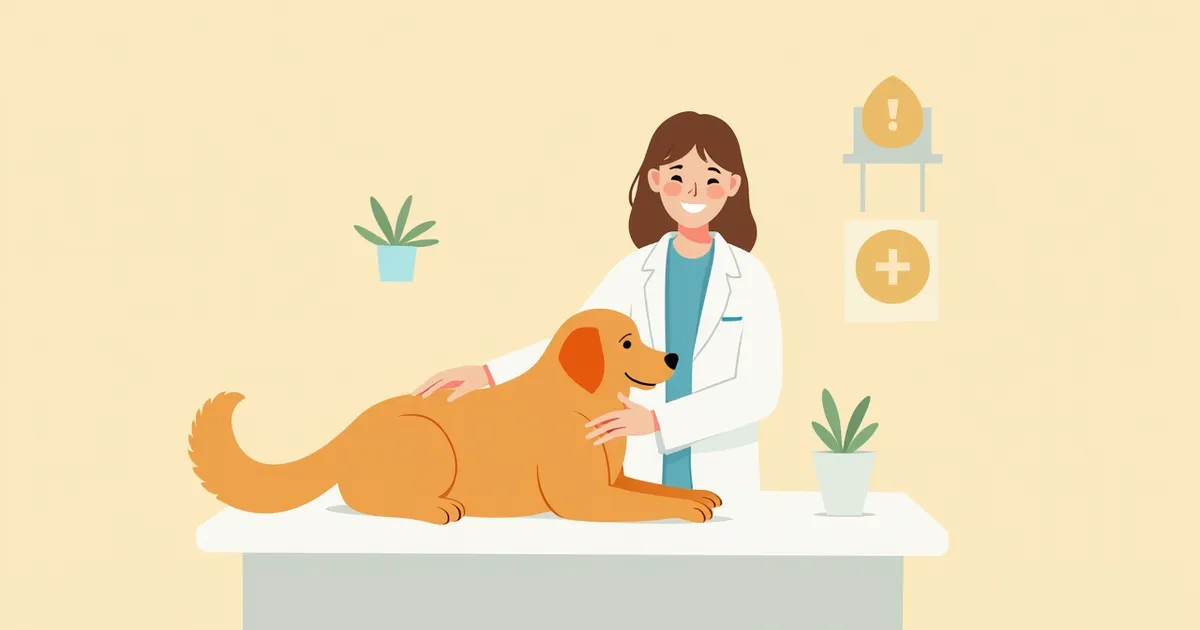
A veterinarian reviewing a cat’s treatment plan
Feline chemotherapy protocols are individualized treatment plans designed by your veterinarian based on the type of cancer, its stage, and your cat’s overall health. These protocols focus on maximizing therapeutic efficacy while minimizing side effects through precise adjustments of drug types, administration schedules, and dosages. - Cancer type and stage: Protocols vary depending on whether the cancer is mammary carcinoma, lymphoma, or another type, making an accurate diagnosis essential. - Patient condition considerations: Treatment is designed for safety by taking into account organ function, age, and the presence of any underlying diseases. - Side effect management: Potential side effects such as decreased blood cell counts, nausea, and loss of appetite are anticipated in advance, and a management plan is established accordingly. - Treatment goals: In many cases, the priority is maintaining quality of life and suppressing tumor growth rather than aiming for a complete cure. Effective treatment requires all these elements to work in harmony.

Key Information: Chemotherapy Protocols

When selecting a chemotherapy protocol for your cat, be sure to review the following criteria, as they directly impact both the safety and effectiveness of the treatment. Discuss these points thoroughly with your veterinarian.
Cancer type and stage: The specific drugs used vary depending on the cancer type, such as mammary cancer or lymphoma.
Systemic health assessment: Evaluate overall health status through blood tests and organ function assessments.
Manageability of side effects: If severe side effects like nausea or loss of appetite are likely, choose a protocol that is easier to manage.
Treatment goals: The objective may focus on improving quality of life or alleviating symptoms rather than aiming for a cure.
Owner’s ability to manage care: Confirm whether you can properly administer medications and monitor your cat’s condition at home.
Checklist for Selecting a Treatment Protocol

Key Information 1: What Is a Chemotherapy Protocol?

An anticancer chemotherapy protocol is a treatment plan that specifies which anticancer drugs to use, at what doses, and on what schedule. The appropriate protocol varies depending on the tumor type and stage, so even with the same type of cancer, the treatment regimen may differ. This is especially important for tumors like lymphoma, where chemotherapy is the cornerstone of treatment. A protocol is a standardized approach in which medications are administered according to a set schedule, with adjustments made based on observed efficacy and side effects. Therefore, it is not for pet owners to choose or change medications on their own, but rather a process guided by veterinary oncology care.
What is an anti-cancer protocol? Related guide image

Key Information 2: Accurate Diagnosis and Professional Care Come First

Before starting the protocol, accurately diagnose the tumor and assess the overall health status through biopsy and staging tests to determine the most suitable treatment. In animals, cancer treatment often prioritizes maintaining quality of life by minimizing side effects compared to human treatments. Medications should be administered according to the prescribed dosage and schedule, with regular blood tests to monitor bone marrow function and other factors for safety. It is advisable to receive care from a veterinarian experienced in oncology.
Accurate diagnosis and professional care come first. See the related guide image.

Key Information 3: Monitoring Side Effects and Precautions with Supplements
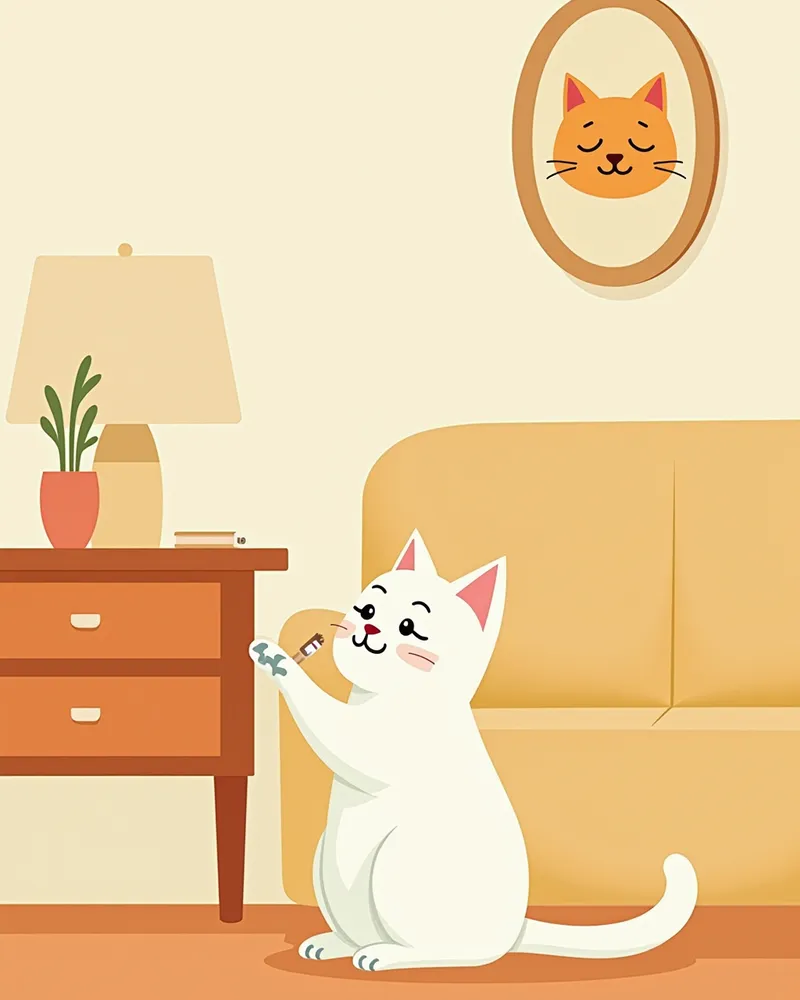
During cancer treatment, it is important to monitor and record any changes at home, such as appetite, energy levels, vomiting, or diarrhea, and to report any abnormalities immediately. Regular check-ups help determine whether it is safe to proceed with the next phase of treatment. Replacing standard therapy with unverified supplements claiming to "shrink tumors" or "enhance anticancer effects," or using them concurrently without guidance, can be dangerous; therefore, always consult your veterinarian before using any supplements or making dietary changes. Work closely with your veterinarian to discuss treatment goals, such as achieving remission or maintaining quality of life, and to adjust the plan as needed.
Guidance on monitoring for side effects and precautions when using supplements

Key Points to Know About Chemotherapy Protocols

ItemKey Points
ConceptA treatment plan specifying drug combination, dose, and schedule; differs by tumor type
PrerequisiteThe protocol is decided in oncology care after biopsy and staging diagnosis
Administration principleAdhere to the set dose and schedule; no arbitrary changes
MonitoringRegular blood tests; observe and record appetite, energy, and vomiting
CautionDo not replace or arbitrarily combine standard treatment with supplements claiming anti-cancer effects

This isn't a table recommending specific products or clinics; it's a reference for discussing with your veterinarian. Always make treatment and testing decisions together with your veterinarian through an examination.

Caution: Drug Interactions and Contraindications

Chemotherapy drugs vary in their mechanisms of action and side effects. Some medications are particularly risky for cats. For example, cisplatin is not used in cats because it can cause severe pulmonary toxicity due to alveolar capillary vasculitis, and 5-fluorouracil (5-FU) is avoided because of its strong neurotoxicity in cats. Therefore, the choice of drug, dosage, and treatment schedule must be determined by a veterinarian through specialized oncology care. Since chemotherapy drugs require careful handling, please inform your veterinarian of all other medications or supplements your pet is currently taking to confirm whether they can be safely used together. Do not add, stop, or change any medications without consulting your veterinarian, as this is the safest approach.

Usage Tips: Home Care and Condition Monitoring

During cancer treatment, it’s important to regularly monitor your cat’s condition at home. Keep a close eye on the following signs, record any changes, and inform your veterinarian.
Appetite changes: Let your vet know if your cat is eating less or barely eating at all.
Activity level: If your cat seems noticeably weaker than usual, moves less, or appears lethargic to the point of collapsing, contact the clinic right away.
Nausea or diarrhea: Repeated vomiting or diarrhea may indicate gastrointestinal side effects—consult your vet.
Skin and coat condition: Rashes, itching, or hair loss could be a reaction to the medication.
Weight changes: If you notice significant weight loss, have it checked during regular exams and discuss it with your vet. Gastrointestinal and blood-related side effects are relatively common during cancer treatment, so we’ll review regular blood test results to safely decide whether to proceed with the next treatment.
A daily checklist notebook to record your cat's condition

Reviewed by a veterinarian

Dr. Tony — Punnawat Phongkittirak

Dr. Tony — Punnawat Phongkittirak

Veterinarian

A veterinarian who majored in veterinary medicine at Khon Kaen University, Thailand, and completed the IVSA program at North Carolina State University in the United States. Drawing on clinical experience at animal hospitals, he works in the pet healthcare field and is dedicated to building a digital care environment that connects pet parents with veterinarians.

Frequently Asked Questions

Will cancer treatment kill my cat?
No. The goal of cancer treatment is to shrink tumors and improve quality of life. Most cats tolerate treatment well and experience symptom relief.
Do I need to give my pet medication at home during treatment?
Yes, some treatment protocols can be managed at home with oral medications. Your veterinarian will provide you with the exact instructions and dosage.
Should treatment be stopped if the side effects are severe?
If side effects are severe, your veterinarian can adjust the treatment plan. Complete discontinuation is uncommon, as the regimen can usually be managed and modified.
Can my cat regain its health after treatment?
Treatment outcomes vary significantly depending on the type and stage of cancer, as well as whether it was detected early. While many feline cancers are difficult to cure and often carry a guarded prognosis, the goal of chemotherapy is to suppress tumor growth and alleviate symptoms, thereby maintaining your cat’s quality of life and extending their time with you. Please consult your veterinarian for an accurate prognosis based on the specific diagnosis and staging results.
How long does cancer treatment last?
The duration of treatment varies depending on the type of cancer and how it responds to therapy. For tumors like lymphoma, which follow multi-week standard protocols, treatment can last from several weeks to several months, with your veterinarian regularly evaluating and adjusting the plan as needed.

Share

Related Guides

References

[1] De Campos CB, Nunes FC, Lavalle GE, et al. Use of surgery and carboplatin in feline malignant mammary gland neoplasms with advanced clinical staging. In Vivo. 2014;28(5):863–866.

[2] Jenna H. Burton. Chemotherapy for the Feline Cancer Patient. In: The Cat, Clinical Medicine and Management, 2nd Edition.

[3] O’Keefe DA, Sisson DD, Gelberg HB, et al. Systemic toxicity associated with doxorubicin administration in cats. J Vet Intern Med. 1993;7:309–317.

This information is based on veterinary literature and does not replace diagnosis or treatment. Please consult a veterinarian for specific health concerns.

Metapet Co., Ltd. | CEO: Park Sung-yong | Business Reg. No. 417-88-02562 | Seoul, South Korea | Customer Center

5 Feline Chemotherapy Protocols: Types & How to Choose | Meongsiljang