
Like
Share
멍실장
강아지 피부사상균(링웜)과 기생충 감별 관리 추천 BEST와 고르는 기준 총정리

Top 3 Recommended Treatments and Selection Criteria for Differentiating and Managing Dog Ringworm and Parasitic Infections

Infection/ParasitesTop PicksMeongsiljang Veterinary Advisory Board

Dog ringworm and parasitic infections can look very similar, making them easy to confuse. Accurate differentiation and tailored care are essential. In this article, we’ve compiled the top three most effective treatments and management strategies.

Top 3 Recommended Treatments for Differentiating and Managing Dog Ringworm and Parasitic Infections
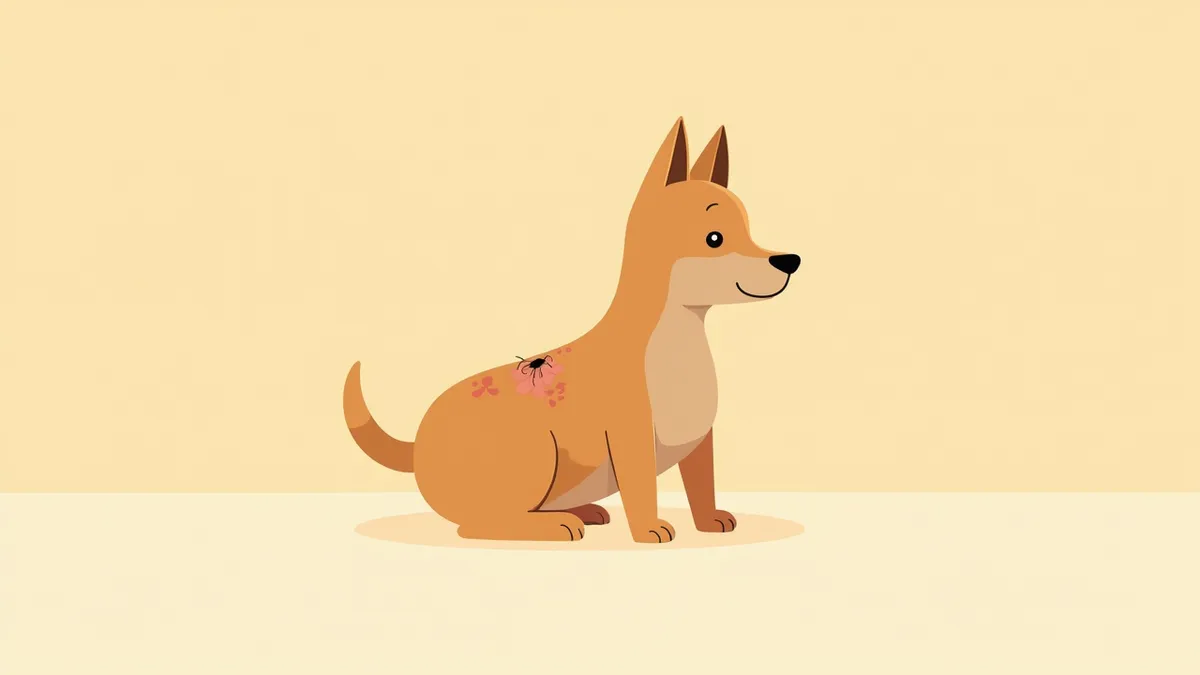
The dog is scratching its skin, with spots and parasites visible.
Ringworm (dermatophytosis) and parasitic infections in dogs can present similar symptoms, such as hair loss, itching, and flaking skin. However, because the underlying causes and treatments differ, accurate differentiation is essential. Ringworm is a fungal infection caused by dermatophytes, with Microsporum canis being a primary culprit. It is highly contagious and classified as a zoonotic disease, meaning it can spread to humans through direct contact with infected animals, as well as indirectly via contaminated environments or fur. - Ringworm: Caused by a fungal (dermatophyte) infection; spreads through animal-to-animal contact or the environment; treated with antifungal medications; diagnosed using a Wood’s lamp, microscopy, or fungal culture. - Parasites: Characterized by irregular flaking and intense itching; transmitted through contact or the environment; requires deworming (parasiticidal) medication; diagnosed via skin scraping. Confusing these two conditions can lead to ineffective treatment and worsening symptoms. Always consult your veterinarian for an accurate diagnosis and tailored management plan.

Selection Criteria: Tips for Choosing a Clinic to Differentiate Dog Ringworm and Parasitic Infections

Since ringworm (a fungal infection) and parasitic infestations have different causes, they require different treatments. The first step is to identify the specific symptoms. Ringworm is a fungal infection, while parasitic infestations are characterized by irregular flaking and intense itching. Their transmission routes also differ. Ringworm spreads through contact with the environment or the fur of other animals, whereas parasites are transmitted through direct contact or environmental exposure. Accurately distinguishing between these two conditions is the first step in proper management. - Similar Symptoms: Both conditions cause hair loss and skin flaking. Ringworm commonly presents with lesions accompanied by scales or crusts on the face, ears, and legs. - Transmission Routes: Ringworm spreads through direct or indirect contact with the environment or the fur of other animals, while parasites are transmitted through contact or environmental exposure. - Diagnostic Methods: Ringworm is diagnosed using a Wood’s lamp, microscopy, or fungal culture, while parasites are identified through skin scrapings. Note that a negative Wood’s lamp test does not completely rule out ringworm. - Risk of Recurrence: If fungal spores remain in the environment, the risk of ringworm recurring is high.
Comparing Spot Patterns and Skin Flaking: Ringworm vs. Parasites

Check 1: Equipped with Diagnostic Tools Suitable for Differentiating Ringworm and Parasitic Infections
Ringworm (dermatophytosis) and parasitic infections may look similar to the naked eye, but their treatments are completely different. To make an accurate diagnosis, it’s important to first confirm whether the clinic has the necessary equipment for tests such as Wood’s lamp examination, skin scraping with microscopic analysis, and fungal culture (using DTM agar). Calling ahead to ask if these tests are available can help you avoid unnecessary trips. If the clinic doesn’t have the equipment and must send samples to an external lab, results may take longer, so it’s also a good idea to ask about the expected turnaround time.
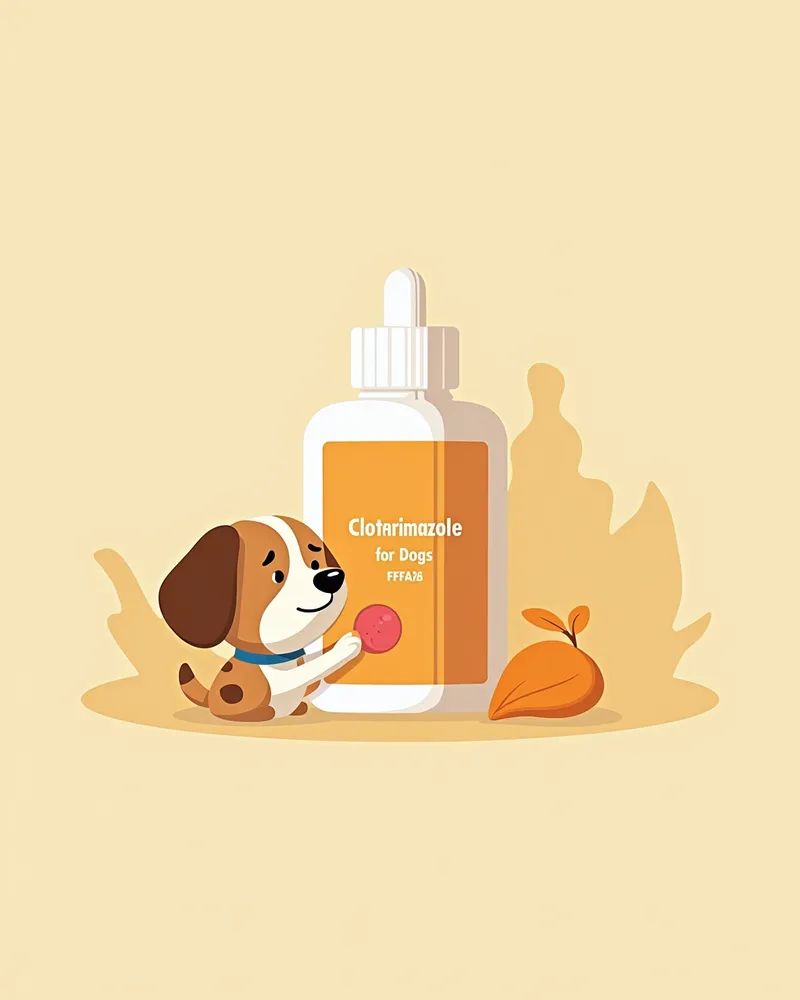
Applying clotrimazole topical medication to a dog's skin

Check 2: Regularly Conducts Diagnostic Tests for Dog Skin Diseases
Fungal culture tests for dermatophytes can take anywhere from a few days to over two weeks. Therefore, it’s important to find out whether the clinic performs the culture in-house or sends samples to an external laboratory. Since dogs are sensitive to stress during examinations, it’s also helpful to observe whether the staff uses dog-friendly handling techniques during skin scrapings or sample collection. If you have multiple dogs, ask whether additional testing is recommended for other pets that may have had contact, and whether guidance on managing environmental contamination is provided.
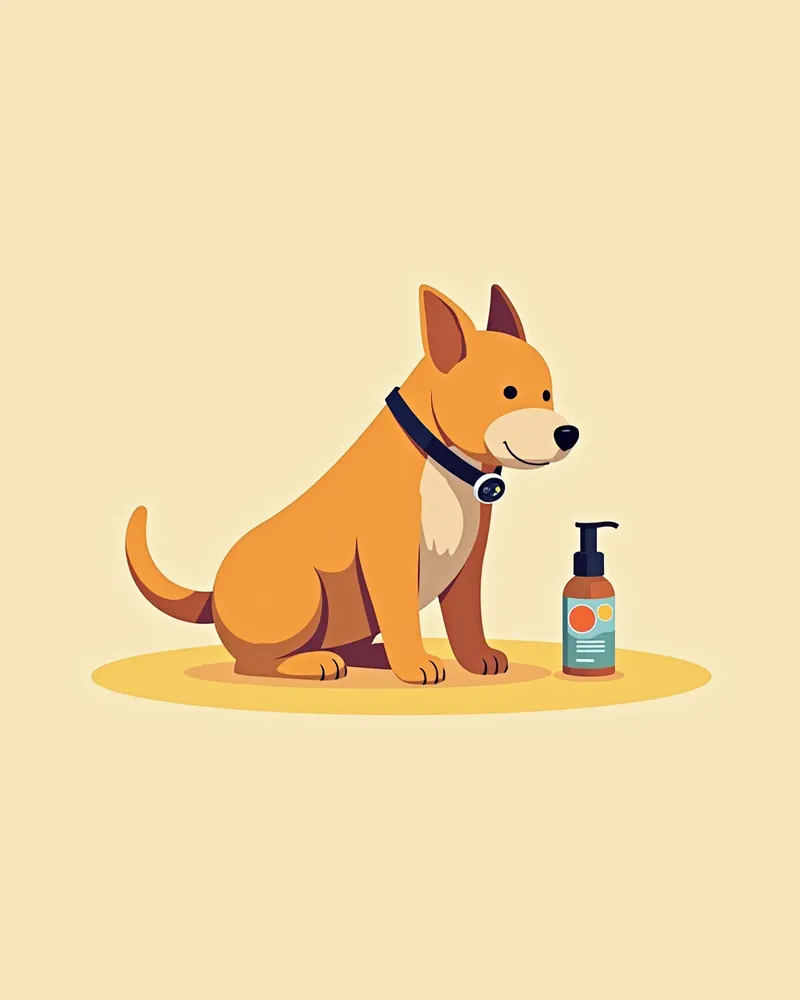
Fipronil-based external parasiticides and collar products

Check 3: Personally Interprets Test Results and Links Them to a Treatment Plan
Once the test results are available, it is important to confirm that your veterinarian personally interprets the microscopic slides or culture results and clearly explains whether the cause is a dermatophyte (fungal infection) or a parasite. Because antifungal and antiparasitic treatments follow entirely different protocols, you should receive guidance on result interpretation, as well as instructions for home disinfection and isolation, and a schedule for follow-up examinations. The treatment plan must be determined by your veterinarian’s professional judgment; self-medicating or applying medications without veterinary advice can worsen the condition.
Antifungal and parasite prevention combo kit

Checklist for Choosing a Clinic to Differentiate Dog Ringworm and Parasitic Infections

ItemRecommended Criteria
EquipmentCheck whether they have Wood's lamp, skin scraping, and fungal culture equipment
Testing OperationWhether in-house culture is performed directly or the turnaround time for external outsourcing is provided
Interpretation CapabilityWhether the veterinarian can personally interpret microscopy and culture results
Result InterpretationExplanation of differential results along with isolation and disinfection guidelines
Cost InformationCheck whether estimated costs for each type of test are disclosed in advance

This is not a table recommending specific products or clinics, but a reference standard for when you consult your veterinarian. Always make treatment and testing decisions together with your veterinarian through an examination.

Caution: Incorrect Treatment Can Worsen Symptoms

Confusing ringworm with parasitic infections can worsen symptoms and prolong treatment. For instance, using antifungal medication for a parasitic infection will be ineffective, while applying deworming agents to ringworm may cause skin irritation. Always consult your veterinarian for an accurate diagnosis before starting any treatment.

Usage Tips: Manage Along with Environmental Cleaning

Ringworm spores can survive in the environment for a long time, so it’s essential to keep cleaning the surroundings for a while even after the skin lesions have healed. Wash bedding, toys, and cat trees in hot water or wipe them down with a disinfectant. Follow the principle that “if it can be washed, it can be disinfected” and manage everything thoroughly. For dogs with thick coats, using an antifungal rinse or shampoo all over the body twice a week helps remove spores. Topical treatment is just as important as systemic therapy because it eliminates infectious spores clinging to the fur. It’s also safest to isolate the pet and prevent contact with other animals. If the source of infection isn’t removed, recurrence is highly likely. Treatment should go hand in hand with regular environmental management. Effective care must extend beyond medication alone. Since pathogens shed in the fur or environment can survive for a long time, meticulous disinfection is essential.
A scene of brushing a dog and cleaning the house.

Reviewed by a veterinarian

Dr. Tony — Punnawat Phongkittirak

Dr. Tony — Punnawat Phongkittirak

Veterinarian

A veterinarian who majored in veterinary medicine at Khon Kaen University, Thailand, and completed the IVSA program at North Carolina State University in the United States. Drawing on clinical experience at animal hospitals, he works in the pet healthcare field and is dedicated to building a digital care environment that connects pet parents with veterinarians.

Frequently Asked Questions

How do the symptoms of ringworm differ from those of parasitic infections?
Ringworm typically presents as circular, scaly lesions, whereas parasitic infestations cause irregular scaling and intense itching. Check the shape and location of the lesions.
Is it likely that my dog has ringworm?
If your dog develops circular lesions on its face, ears, or legs, it’s likely ringworm. A veterinarian needs to perform tests to confirm the diagnosis.
Can ringworm be transmitted to humans?
Yes, ringworm can be transmitted to humans. Be sure to wash your hands thoroughly after handling your dog, and avoid touching the affected areas.
Can I use a parasite remover for ringworm?
No, that won’t work. Dewormers are ineffective against ringworm and can irritate the skin. Treatment should target the specific underlying cause.
What should I do if the symptoms persist even after treatment?
Even after the treatment course is completed, if symptoms persist, you should have your pet re-examined by a veterinarian. There may be a reinfection or another underlying condition.

Share

Related Guides

References

[1] Moriello KA (2019) Dermatophytosis in cats and dogs: A practical guide to diagnosis and treatment. /n Practice 41, 138-144.

[2] BSAVA Manual of Canine and Feline Dermatology, 4th Ed (2017). Chapter on Dermatophytosis.

[3] Clinical Medicine of the Dog and Cat, 4th Ed (2020). Dermatologic Disorders section.

This information is based on veterinary literature and does not replace diagnosis or treatment. Please consult a veterinarian for specific health concerns.

Metapet Co., Ltd. | CEO: Park Sung-yong | Business Reg. No. 417-88-02562 | Seoul, South Korea | Customer Center

Dog Ringworm vs. Parasites: Top 3 Treatments to Tell Apart | Meongsiljang