Like
Share
멍실장
다리 짧은 고양이 품종 TOP 5

Top 5 Short-Legged Cat Breeds

ImmunityTop PicksMeongsiljang Veterinary Advisory Board

From Munchkins to Skookums, we’ve neatly summarized the personalities, appearances, and key health care tips for five popular short-legged cat breeds.

What Breeds of Short-Legged Cats Are There?
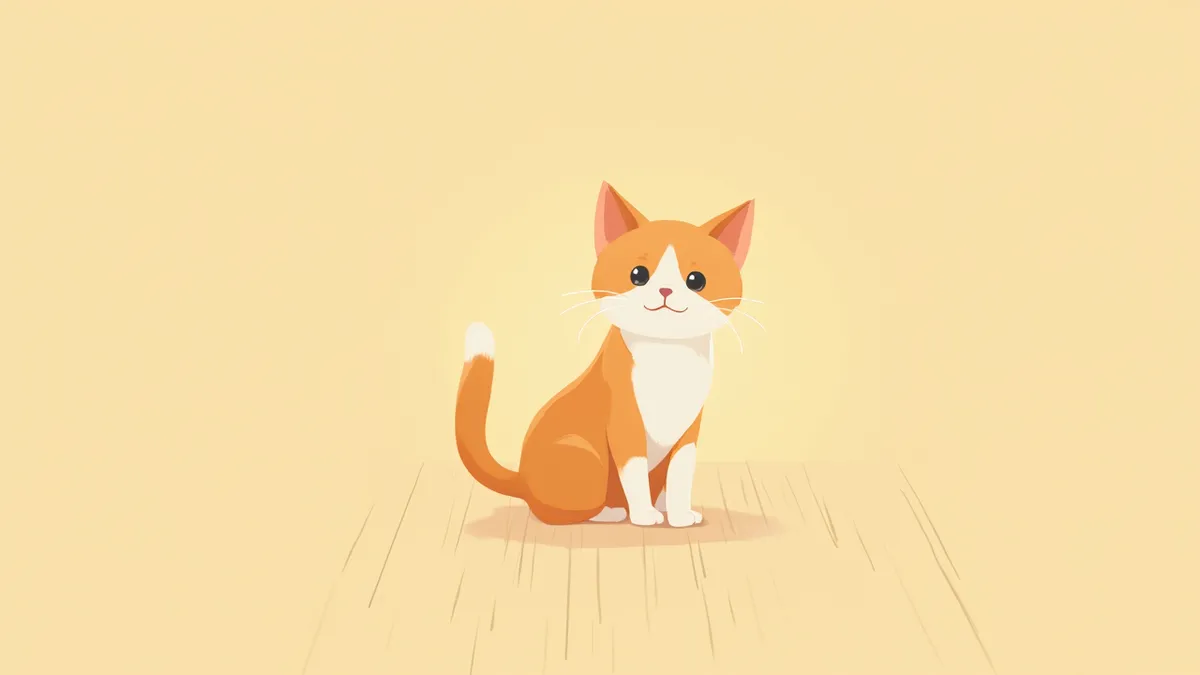
A short-legged Munchkin cat sitting on a wooden floor, looking straight ahead.
The term “short-legged cat” refers to breeds whose leg bones grow shorter due to a genetic trait called chondrodysplasia. The most well-known breed is the Munchkin, and there are five representative breeds in total, including the Bambino, Minuet, Kinkalow, and Skookum, all of which were developed through breeding with Munchkins. Because adopting these cats solely for their adorable appearance can lead to joint strain or spinal issues, it’s crucial to understand the health characteristics specific to each breed beforehand. Since degenerative joint disease becomes increasingly common in cats as they age, it’s best to prioritize joint health from the very beginning of their care.

The Reason for Short Legs — What Is Chondrodysplasia?

The secret behind short-legged cats lies in their genes. Osteochondrodysplasia is a genetic condition in which cartilage fails to elongate properly during bone development, resulting in shortened limbs. In certain short-legged cat breeds, specific genetic mutations are known to cause this cartilage dysplasia in a dominant pattern, and the resulting physical traits can vary from cat to cat depending on their genetic makeup. Because breeding short-legged cats can impact the health of their offspring, it’s essential to consult with a veterinarian before making any decisions. When adopting, be sure to confirm that the breeder has conducted genetic testing on the parents.

At-a-Glance Comparison of 5 Short-Legged Cat Breeds

ItemMunchkinBambinoMinuetKinkalowSkookum
Weight2.5-4kg2-4kg2.5-4kg1.5-3kg1.5-3.5kg
Coat CharacteristicsVarious (short/long hair)Hairless or extremely short hairFull long hairShort or long hairCurly (short/long hair)
Breeding BasisNatural mutationSphynx × MunchkinPersian × MunchkinAmerican Curl × MunchkinLaPerm × Munchkin
PersonalityActive/sociablePlayfulGentle/affectionateCuriousActive/affectionate
Recognition StatusOfficially recognized by The International Cat AssociationExperimental breedOfficially recognized by The International Cat AssociationExperimental breedExperimental breed

Based on The International Cat Association standards

No. 1 · Munchkin — The Original Short-Legged Breed
The Munchkin is the quintessential breed that comes to mind when thinking of short-legged cats. Discovered in the United States in 1983 as a natural mutation, it is now officially recognized as a breed by international cat associations.
Temperament: Lively and sociable. Despite their short legs, they possess surprisingly good jumping ability and agility.
Weight: They are considered small to medium-sized, with an average weight of 2.5–4 kg.
Coat: Available in both short-haired and long-haired varieties, featuring a wide range of colors and patterns.
Health Considerations: Pay close attention to spinal and joint health. Obesity can place significant stress on the joints, so maintaining a healthy weight is essential.
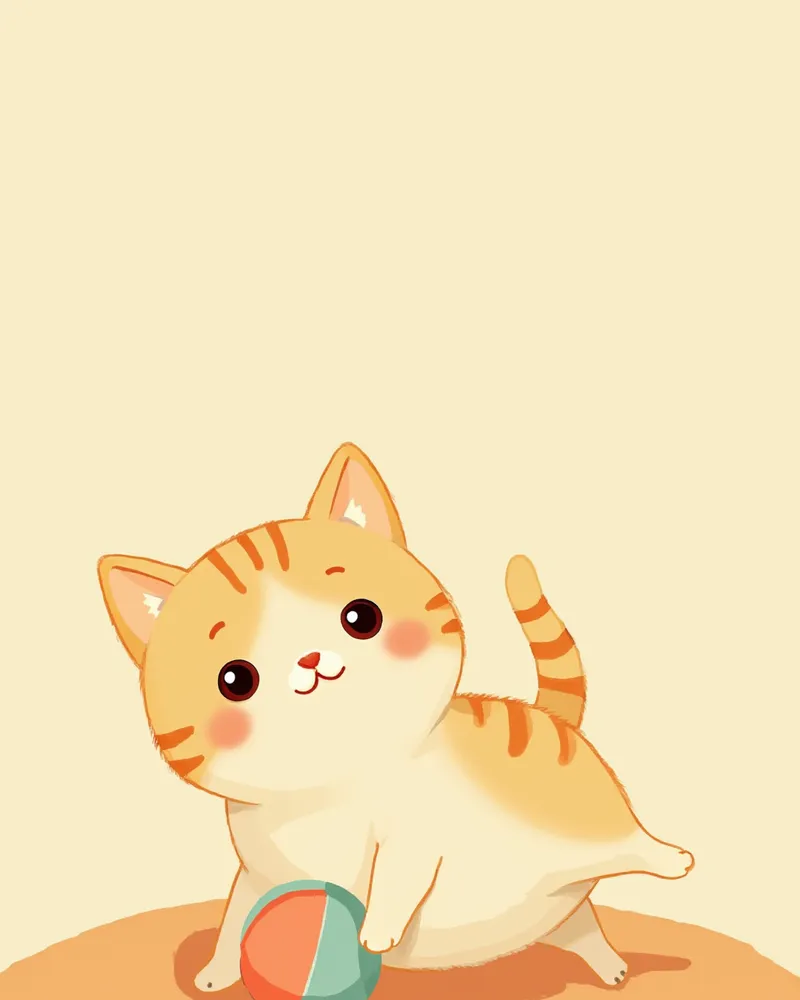
An active Munchkin cat playing with a toy ball

No. 2 · Bambino — Hairless and Short-Legged

The Bambino is a breed created by crossing Sphynx and Munchkin cats. With almost no fur and short legs, it has a unique appearance that is very popular.
Personality: They are very affectionate and playful. They have lots of energy and enjoy playing on their own.
Weight: On average, they weigh 2–4 kg, making them close to small-sized cats.
Coat Care: Since they have no fur, brushing is not necessary, but regular baths are needed to manage skin oil.
Health Points: They are sensitive to direct sunlight and cold, so maintaining indoor temperature is important. Hypertrophic cardiomyopathy (HCM) can occur in breeds with genetic predispositions, so it’s a good idea to regularly monitor heart health through routine cardiac auscultation and echocardiograms when necessary.

No. 3 · Minuet (Napoleon) — Persian Elegance + Short Legs
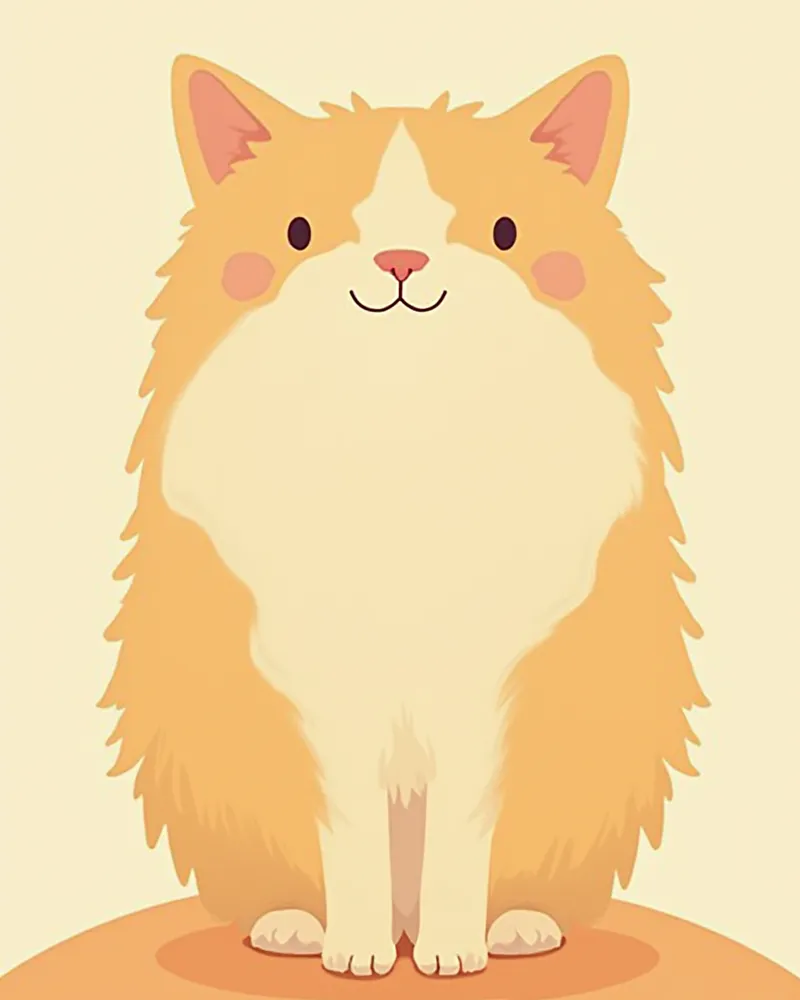
The Minuet is a breed created by crossing Persians and Munchkins. Previously known as the Napoleon, its official name was changed to Minuet in 2015.
Temperament: They combine the gentle nature of the Persian with the lively energy of the Munchkin. Minuets are affectionate with people and adapt well to new environments.
Weight: They typically weigh between 2.5 and 4 kg.
Coat: Their luxurious long hair, reminiscent of the Persian, is a key feature. Daily brushing is essential to prevent tangles.
Health Considerations: Be mindful of polycystic kidney disease and excessive tearing, which can be inherited from the Persian lineage. Since they may have a flat face (brachycephalic), it’s important to monitor their breathing.
The Minsuet cat, with its luxurious long fur, is truly charming.

No. 4 · Kin Cal — Backward-Curling Ears and Short Legs

The Kin Cal is a breed created by crossing the American Curl with the Munchkin. Its defining features are ears that curl gently backward and notably short legs.
Temperament: Curious and intelligent, they enjoy playing with people and get along well with other pets.
Weight: Weighing on average 1.5–3 kg, they are considered small even among short-legged cat breeds.
Coat: They can have either short or long hair.
Health Notes: Because the breed is relatively new, there is limited data on genetic diseases. Their unique ear cartilage requires attentive ear care, and regular veterinary check-ups are highly recommended.

No. 5 · Skookum — Curly Fur and Short Legs
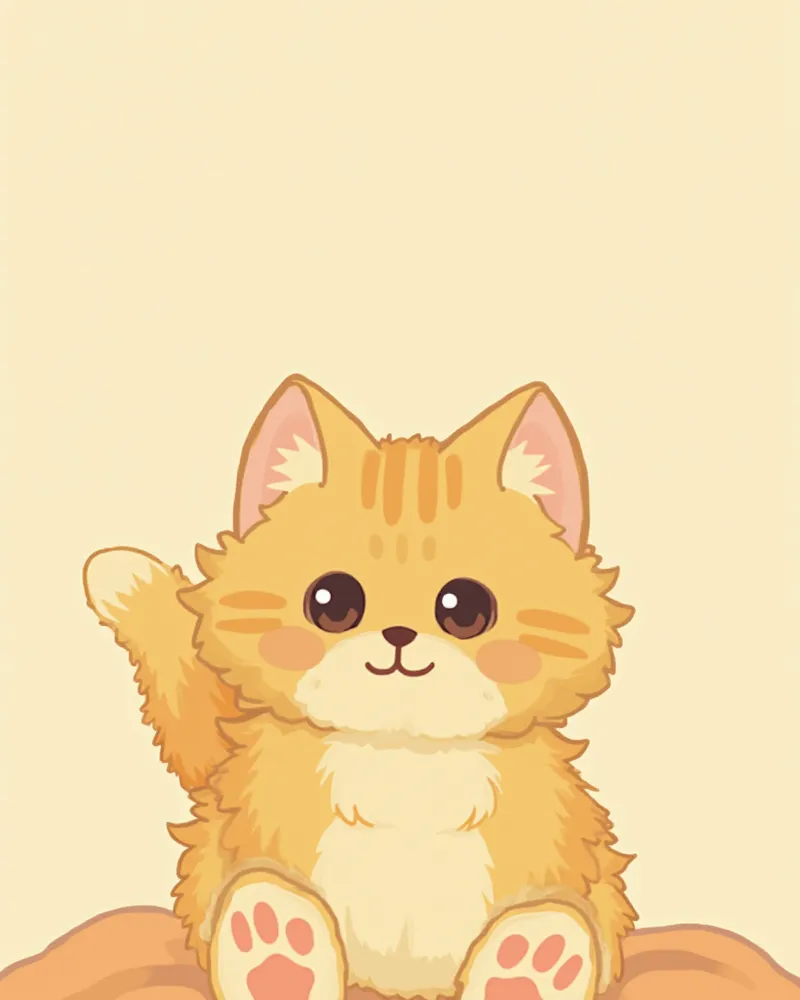
The Skookum is a breed created by crossing the LaPerm and the Munchkin. Its unique charm comes from the combination of curly fur and short legs.
Temperament: Active yet affectionate, with a gentle nature that loves to climb onto laps.
Weight: Small-sized, averaging 1.5–3.5 kg.
Coat: Characterized by the curly coat inherited from the LaPerm; it sheds less than typical cats.
Health Notes: As an experimental breed not yet officially recognized, there is limited research data on its health. When choosing a breeder, be sure to verify the health records of the parent cats.
A fluffy, curly-haired Skookum cat sitting on a blanket.

Be Sure to Check These Before Adopting a Short-Legged Cat

Short-legged cats may experience increased structural stress on their joints. Degenerative joint disease (DJD) in cats can be associated with joint malformations or congenital deformities, and it becomes more common with age; it is known that a significant proportion of cats aged 12 years or older show radiographic evidence of joint changes. While spinal abnormalities are relatively rare in cats and often asymptomatic, intervertebral disc disease has been reported, so maintaining a healthy weight to reduce joint strain is recommended. Genetic testing: Request the genetic test results of the parent cats from the breeder. Regular check-ups: Have a veterinarian assess your cat’s joint and spinal health at least once a year. Weight management: Maintaining an ideal body weight is key to joint health. Environmental adjustments: Install stairs or steps to prevent your cat from jumping down from high places.

Reviewed by a veterinarian

Dr. Tony — Punnawat Phongkittirak

Dr. Tony — Punnawat Phongkittirak

Veterinarian

A veterinarian who majored in veterinary medicine at Khon Kaen University, Thailand, and completed the IVSA program at North Carolina State University in the United States. Drawing on clinical experience at animal hospitals, he works in the pet healthcare field and is dedicated to building a digital care environment that connects pet parents with veterinarians.

Frequently Asked Questions

Can short-legged cats climb to high places?
Yes, they can climb up. Even with their short legs, they have quite good jumping ability. However, since landing can put stress on their joints, it's a good idea to install intermediate steps on cat towers or tall furniture.
Is it okay to breed two Munchkin cats together?
We do not recommend this. Breeding cats that carry the gene for short legs can negatively impact the health of their offspring. Always consult with a veterinarian before making any breeding plans, and an ethical breeder should be able to provide genetic test results for the parent cats.
Do short-legged cats have a shorter lifespan?
Not necessarily. With proper care, they can enjoy a lifespan similar to that of regular cats. However, they may be more prone to joint and spinal issues, so regular check-ups and weight management are important.
Can short-legged cats go for walks?
It’s possible, but caution is needed. Due to their short legs, prolonged outdoor activity can put strain on their joints. If you do take them for walks, start with short sessions and have them wear a harness.
What is the usual adoption fee?
Variations can be significant depending on the breed, lineage, and breeder. Rather than focusing solely on price, it’s important to prioritize verifying the health screening records of the parent cats, the breeding environment, and the breeder’s credibility.

Share

Related Guides

References

[1] Struck, A.K. et al. A structural UGDH variant associated with standard Munchkin cats. BMC Genetics, 21, 67, 2020

[2] Montavon, P.M. et al. Clinical Medicine of the Dog and Cat, 4th Ed — Osteochondrodysplasia. CRC Press, 2023

[3] Gandolfi, B. et al. UGDH mutation associated with Munchkin breed and lethal homozygosity. 9th International Conference on Advances in Canine and Feline Genomics, 2018

[4] Englar, R.E. The Veterinary Workbook of Small Animal Clinical Cases — Chondrodystrophic breeds, Case 46. 5M Books, 2023

This information is based on veterinary literature and does not replace diagnosis or treatment. Please consult a veterinarian for specific health concerns.

Metapet Co., Ltd. | CEO: Park Sung-yong | Business Reg. No. 417-88-02562 | Seoul, South Korea | Customer Center

Top 5 Short-Legged Cat Breeds: Traits & Health Tips | Meongsiljang