

Top 7 Low-Shedding Dog Breeds
We’ve compared seven low-shedding single-coat dog breeds, summarizing their breed-specific traits, care tips, and skin conditions to watch out for.
Which Breeds Are Low-Shedding?
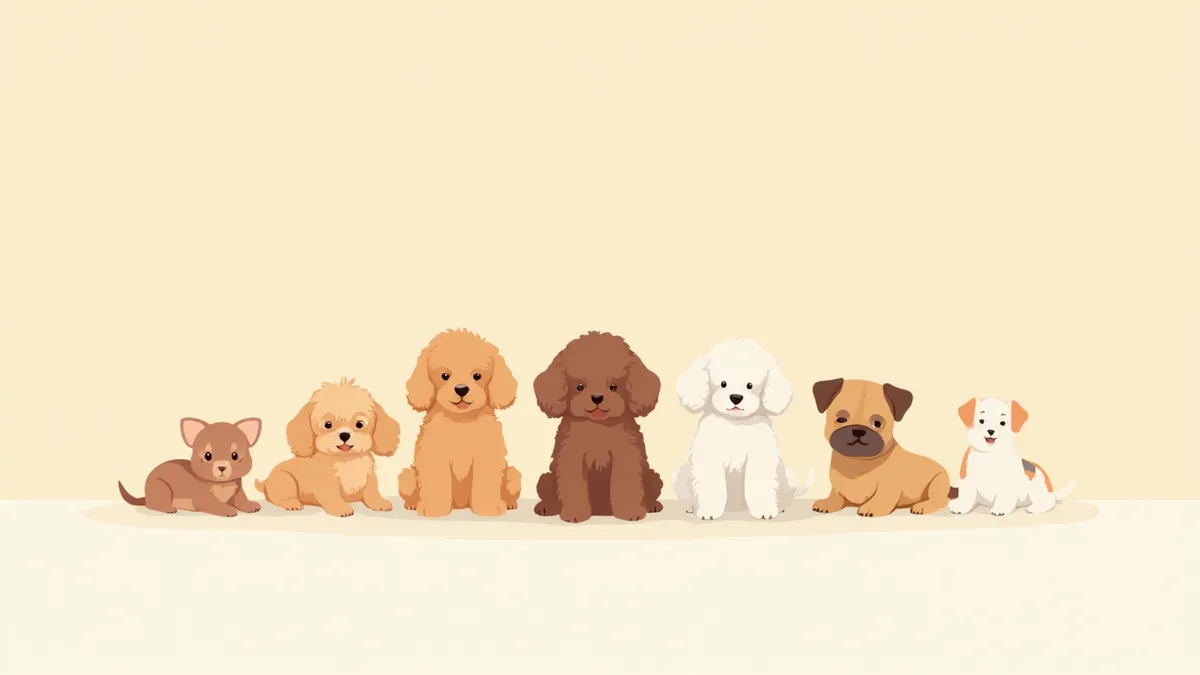
Why Do They Shed Less? The Difference Between Single and Double Coats
Ranks 1–3: Poodle, Bichon Frise, Maltese

Ranks 4–7: Yorkshire Terrier, Schnauzer, Shih Tzu, Havanese
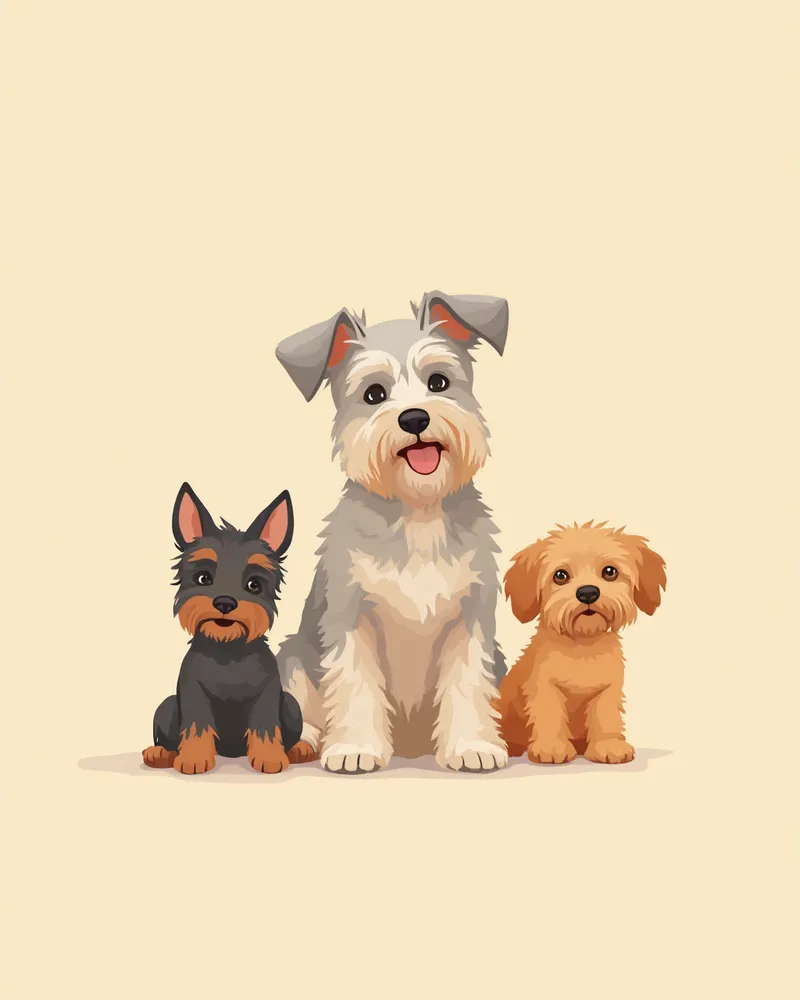
At-a-Glance Comparison of the 7 Breeds
| Item | Poodle | Bichon Frise | Maltese | Yorkshire Terrier | Schnauzer | Shih Tzu | Havanese |
|---|---|---|---|---|---|---|---|
| Average Weight | 3-30kg | 3-5kg | 2-3kg | 2-3kg | 5-9kg | 4-7kg | 3-6kg |
| Shedding Level | Very low | Very low | Low | Low | Low | Low-moderate | Very low |
| Grooming Frequency | 4-6 weeks | 4-6 weeks | 4-6 weeks | 6-8 weeks | 6-8 weeks | 4-6 weeks | 6-8 weeks |
| Exercise Needs | Moderate-high | Moderate | Low | Low | Moderate | Low | Moderate |
| Coat Characteristics | Curly single coat | Curly double coat | Straight single coat | Straight single coat | Wiry double coat | Straight double coat | Wavy single coat |
Weights are based on breed standards and individual variation may occur. Poodles vary widely in size, from Toy to Standard.
Hypoallergenic” Does Not Mean Allergy-Free
"Hypoallergenic" doesn't mean a breed is completely allergy-free. Allergies are typically triggered by proteins found in a pet's saliva, skin oils, and dander, rather than the fur itself. While breeds that shed less may release fewer allergens into the air, they don't eliminate them entirely. If you have severe allergies, it's safest to spend time with the specific breed before adopting to see how your body reacts.
Key Care Points for Low-Shedding Breeds

Breed-Specific Skin Conditions to Know
Poodles are one of the breeds in which acquired nasal idiopathic hypopigmentation, a condition characterized by fading pigment around the nose, is relatively commonly observed. This skin change is reported in Poodles as well as Labrador Retrievers, Siberian Huskies, Samoyeds, and German Shepherds. While it typically does not pose a significant health risk, it is advisable to consult a veterinarian to rule out other conditions if you notice changes in your dog’s nose pigmentation. Maltese are among the small-breed dogs, along with Lhasa Apsos, Pekingese, Pomeranians, Poodles, and Yorkshire Terriers, that are susceptible to injection site vasculitis. If adverse reactions such as hair loss, nodules, or ulcers develop at the vaccination site, you must inform your veterinarian. Miniature Schnauzers are also recognized in veterinary dermatology as a breed with predispositions to certain skin diseases, making regular skin checks and early veterinary examination upon noticing any abnormalities essential. Ultimately, the safest approach for all breeds is to seek veterinary advice promptly if any skin issues arise.
Reviewed by a veterinarian

Dr. Tony — Punnawat Phongkittirak
VeterinarianA veterinarian who majored in veterinary medicine at Khon Kaen University, Thailand, and completed the IVSA program at North Carolina State University in the United States. Drawing on clinical experience at animal hospitals, he works in the pet healthcare field and is dedicated to building a digital care environment that connects pet parents with veterinarians.
Reviewed 2026-04-18
Frequently Asked Questions
Do dogs that don’t shed still need brushing?
Can I still raise a dog that doesn't shed if I have allergies?
Do Poodle mixes (such as Maltipoos and Cockapoos) also not shed?
How much does grooming cost?
What should I do if my pet is suddenly losing a lot of fur?
Share
Related Guides
Top 5 Medicated Dog Shampoos — For Pyoderma and Bacterial Infections

Veterinarian-Recommended Top 5 Medicated Shampoos for Canine Yeast Dermatitis — Relieves Itching and Greasiness
Top 5 Medicated Cat Shampoos Recommended by Veterinarians — Fungal Dermatitis and Fungal Care

7 Key Tips for Managing Feline Enamel Hypoplasia from a Veterinarian
The Best Cat Dental Scaling and Tartar Removal Products and Selection Criteria
The Complete Guide to Feline Dental Radiography — Timing, Costs, and Preparation

7 Recommended Check-up Intervals for Cat Oral Exams Highlighted by Veterinarians

7 Best Cat Tartar and Plaque Prevention Products Recommended by Veterinarians and Selection Criteria

Complete Guide to Feline Cleft Palate: Symptoms, Feeding, and Care Standards

7 Best Cat Teeth Grinding Management Products Recommended by Veterinarians and Selection Criteria
References
[1] Hnilica KA, Patterson AP. Small Animal Dermatology: A Color Atlas and Therapeutic Guide, 4th Ed. Elsevier, 2017
[2] Jackson HA, Marsella R. BSAVA Manual of Canine and Feline Dermatology, 4th Ed. BSAVA, 2021
[3] Miller WH, Griffin CE, Campbell KL. Muller and Kirk's Small Animal Dermatology, 7th Ed. Elsevier, 2013