Like
Share
멍실장
강아지 위장 보호 영양제 추천 TOP 5 — 위염·구토 케어

Veterinarian-Recommended Top 5 Gastrointestinal Supplements for Dogs — Gastritis and Vomiting Care

DigestiveTop PicksMeongsiljang Veterinary Advisory Board

We’ve compared five gastrointestinal supplements that can help manage gastritis and vomiting in dogs, summarizing their ingredient-specific benefits and feeding precautions based on veterinary evidence.

What Role Do Stomach-Protecting Supplements for Dogs Play?
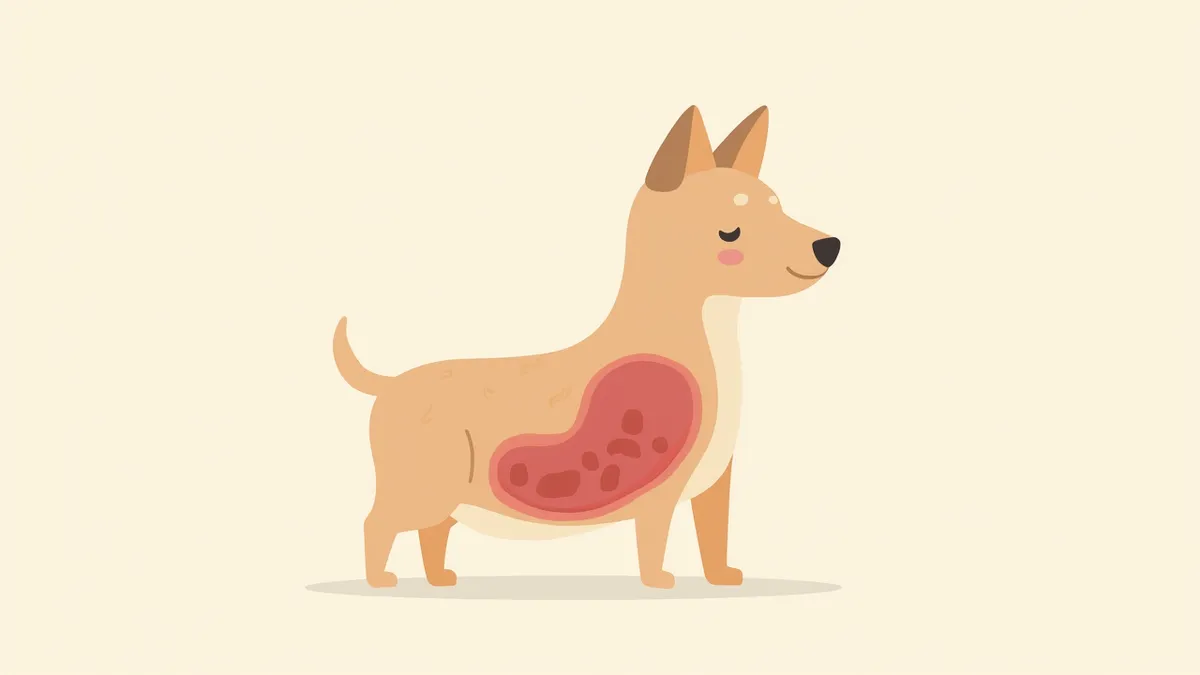
A conceptual image of a supplement that protects the stomach lining in dogs.
Stomach-protecting supplements for dogs are dietary aids known to help gently shield the stomach lining and reduce digestive irritation. However, veterinary textbooks emphasize that the cornerstone of managing gastritis and chronic vomiting is not specific nutrients, but rather identifying the underlying cause and adjusting the diet. A low-fat, highly digestible diet helps facilitate gastric emptying and reduces stress on the stomach lining, and veterinarians may prescribe acid-suppressing or antiemetic medications as needed. While ingredients like glutamine and zinc are reported to support mucosal and epithelial health, their efficacy in curing gastritis itself has not been sufficiently proven, so they should be viewed strictly as supportive measures. If vomiting persists for more than 24 hours or is accompanied by bloody stools or lethargy, it is essential to seek a veterinary diagnosis to determine the underlying cause.

Why Dogs Frequently Suffer from Gastritis and Vomiting

Canine gastritis refers to inflammation of the stomach lining, and its causes are surprisingly varied. According to veterinary internal medicine textbooks, common causes include scavenging or sudden changes in diet (dietary indiscretion or intolerance), foreign bodies such as hairballs, medications like antibiotics and nonsteroidal anti-inflammatory drugs (NSAIDs), toxic substances, bacterial infections such as Helicobacter, and viruses. Vomiting food or bile is also a hallmark sign of chronic gastritis. In senior dogs, persistent vomiting warrants particular caution, as it may indicate a more serious underlying condition rather than simple gastritis. Before selecting a supplement, observe your dog’s vomiting pattern, frequency, and duration.

Top 5 Stomach-Protecting Supplements for Dogs at a Glance

Item#1 Glutamine-Zinc Complex#2 Manuka Honey Paste#3 Slippery Elm#4 Gastrointestinal Probiotics#5 Kaolin-Pectin
Main efficacyMucosal regenerationAntibacterial, mucosal protectionMucosal coatingImproving gut environmentGastrointestinal adsorption
Recommended situationChronic gastritisEmpty-stomach vomitingReflux irritationDiet transition periodTemporary diarrhea/vomiting
Feeding formPowder/capsulePastePowder/syrupPowder/capsuleSuspension
Risk levelTrueTrueTrueTrueFalse
Veterinary prescription requiredFalseFalseFalseFalseTrue

The comparison above summarizes the uses claimed by common commercial supplements, and the efficacy of each ingredient in treating gastritis has not been sufficiently proven in veterinary medicine. Suitability may vary depending on your pet's condition, so consult your veterinarian before use, and if symptoms persist, it is safer to first get a diagnosis of the underlying cause.

No. 1. L-Glutamine and Zinc Complex — First Choice for Chronic Gastritis

L-glutamine is an amino acid involved in the nutrient metabolism of intestinal and gastric mucosal cells, and there are reports of its use as an adjunct during postoperative recovery and enteral nutrition support. However, there is insufficient evidence to support its use as a standalone treatment for regenerating the gastric mucosa in dogs with gastritis, so it is best considered only as a supplementary aid. Zinc is also known as an important nutrient for mucosal and epithelial formation, but its therapeutic effect on gastritis has not been proven. - Recommended for: Dogs experiencing recurrent fasting vomiting who are consulting with their veterinarian about supportive care - Administration tips: Follow the product’s recommended dosage and determine the timing of administration based on your veterinarian’s guidance - Caution: Dogs with kidney disease must be evaluated by a veterinarian before use
Glutamine powder and capsules to help your dog recover from gastritis

No. 2. Manuka Honey Paste — Care for Fasting Vomiting and Helicobacter

Manuka honey is known as an antibacterial food due to its methylglyoxal (MGO) content, but its therapeutic efficacy for canine gastritis or Helicobacter infection has not been proven in veterinary textbooks. Helicobacter infection is diagnosed through gastroscopy and mucosal biopsy, and managed according to a veterinarian's judgment, so veterinary care should take priority over attempting to resolve it with honey alone. Some pet owners try it as a supplement for dogs that vomit yellow foam (bile) on an empty stomach in the early morning or morning, but effectiveness varies by individual. However, it is not recommended for puppies under one year old due to the risk of botulism, and dogs with diabetes should also avoid it because of the sugar load.

No. 3. Slippery Elm — An Herb That Creates a Gentle Coating on the Mucosa

Slippery elm is a mucilaginous herb derived from the inner bark of North American elm trees. Traditionally, it is known to gently coat mucous membranes because it forms a gel-like substance when mixed with water. However, its therapeutic efficacy for canine gastritis or reflux-related irritation has not been validated in veterinary textbooks, so it should be viewed only as a supportive measure. If you suspect frequent burping, regurgitation, or excess stomach acid, identifying the underlying cause through professional diagnosis is more important than self-assessment. To administer the powder, dissolve it in lukewarm water and mix it into your dog’s food. It is important to maintain a gap of at least one hour between slippery elm and other medications or supplements, as it can interfere with their absorption.
Slippery elm powder and gel for protecting your dog's stomach lining

Key Ingredient Cards for Stomach-Protecting Supplements

Safe

글루타민 (L-Glutamine)

위·장 점막 세포 재생 에너지원

Dosage: 체중 1kg당 약 50~100mg/일

수의내과학 교과서 위염 보조 요법 권장

Caution

아연 (Zinc)

점막 결합력 강화·항산화

Dosage: 체중 1kg당 약 1mg/일

장기 과량 시 구리 결핍 위험

Caution

마누카 꿀 (Manuka Honey)

점막 코팅·항균(MGO 작용)

Dosage: 체중 5kg 기준 1/4 티스푼/일

1세 미만·당뇨견 금지

Safe

슬리퍼리 엘름 (Slippery Elm)

점막 보호막 형성·역류 완화

Dosage: 체중 1kg당 약 25mg/일

다른 약과 1시간 이상 간격 필요

Safe

프로바이오틱스 (위장형 균주)

장내 균형 회복·소화 보조

Dosage: 제품별 표기 따름

면역억제제 복용 중에는 수의사 상담

High risk

카올린·펙틴 (Kaolin·Pectin)

위장관 자극 물질 흡착

Dosage: 수의사 처방 용량

장기 사용 시 영양 흡수 저해 가능

If You See These Signs, Visit the Vet Before Relying on Supplements

If vomiting persists for more than 24 hours, if the vomit contains blood or resembles dark coffee grounds, or if it is accompanied by lethargy, abdominal distension, or changes in gum color, the issue may be more serious than simple gastritis. Emergency conditions such as foreign body ingestion, pancreatitis, kidney failure, or intestinal obstruction can also present with similar initial symptoms. For safety, please consult a veterinarian before attempting self-care with supplements; the safest approach is to receive a professional diagnosis first and then introduce supportive supplements once the underlying cause has been identified.

4 Principles for Feeding Stomach-Protecting Supplements Smartly
- Shorten fasting periods: Splitting meals into three or four smaller servings a day, rather than just two, helps reduce stomach acid irritation. - Separate administration times: Allow a one-hour gap between mucosal-coating ingredients (such as slippery elm and kaolin) and other medications. - Avoid overlapping prescriptions: Giving two or more products with the same active ingredients simultaneously increases the risk of overdose. - Review every two weeks: If there is no improvement or if vomiting becomes more frequent, stop the treatment immediately and visit your veterinarian. For more information on the causes of vomiting in dogs and emergency warning signs, please also review the causes associated with different vomiting patterns.
A puppy taking a small, divided dose of a stomach supplement along with its food.

Reviewed by a veterinarian

Dr. Tony — Punnawat Phongkittirak

Dr. Tony — Punnawat Phongkittirak

Veterinarian

A veterinarian who majored in veterinary medicine at Khon Kaen University, Thailand, and completed the IVSA program at North Carolina State University in the United States. Drawing on clinical experience at animal hospitals, he works in the pet healthcare field and is dedicated to building a digital care environment that connects pet parents with veterinarians.

Frequently Asked Questions

How long should I give my pet the gastritis supplement before I start seeing results?
Supplements are typically administered consistently for about two to four weeks while monitoring changes in the frequency of vomiting. However, since the therapeutic efficacy of ingredients such as glutamine and slippery elm for gastritis is not yet firmly established in veterinary medicine, you should discontinue use immediately and seek veterinary care if symptoms worsen within one week.
Can I give my pet human-grade glutamine or Manuka honey as is?
Although the active ingredients are the same, converting the dosage can be tricky. Human medications often have single doses that are too high for dogs, so it’s safest to use products specifically formulated for pets or, if using human medication, to consult your veterinarian about the correct dosage.
Can I give my pet a stomach protector and probiotics together?
Yes, since they work on different parts of the body, it’s perfectly fine to give them together. However, slippery elm can interfere with absorption, so we recommend spacing it out by at least an hour from the probiotics.
What ingredients are safe for senior dogs?
While glutamine, slippery elm, and probiotics are generally considered to be well-tolerated, their therapeutic efficacy for gastritis in senior dogs has not been clinically proven. For senior dogs with compromised kidney or liver function, it is advisable to reduce or avoid zinc and Manuka honey. Always consult your veterinarian and review blood test results before starting any supplementation.
Can nutritional supplements completely cure gastritis?
If the cause is simple irritant or dietary gastritis, symptoms may improve with dietary adjustments. However, when there’s an underlying cause such as Helicobacter infection, chronic inflammatory bowel disease, or tumors, supplements alone have limited effectiveness, so diagnosis and treatment should come first.

Share

Related Guides

References

[1] Clinical Medicine of the Dog and Cat, 4th Edition — Chapter 2.17 Vomiting

[2] Handbook of Veterinary Pharmacology — Drugs Affecting the Gastrointestinal Tract

[3] The Dog Care Handbook — Vomiting and Diarrhoea Management

[4] Small Animal Internal Medicine, 6th Edition — Diseases of the Stomach

This information is based on veterinary literature and does not replace diagnosis or treatment. Please consult a veterinarian for specific health concerns.

Metapet Co., Ltd. | CEO: Park Sung-yong | Business Reg. No. 417-88-02562 | Seoul, South Korea | Customer Center

Top 5 Vet-Recommended GI Supplements for Dogs — Gastritis & Vomiting | Meongsiljang