Like
Share
멍실장
고양이 췌장염 처방식 추천 TOP 5 — 저지방·고소화 사료 비교 가이드

Top 5 Prescription Diets for Feline Pancreatitis Recommended by Veterinarians — Low-Fat, Highly Digestible Food Guide

DigestiveTop PicksMeongsiljang Veterinary Advisory Board

We’ve compared five low-fat, highly digestible prescription diets essential for managing feline pancreatitis, and compiled a clear guide on how to choose the right one for acute or chronic stages, along with important feeding precautions.

What Are Prescription Diets for Feline Pancreatitis?
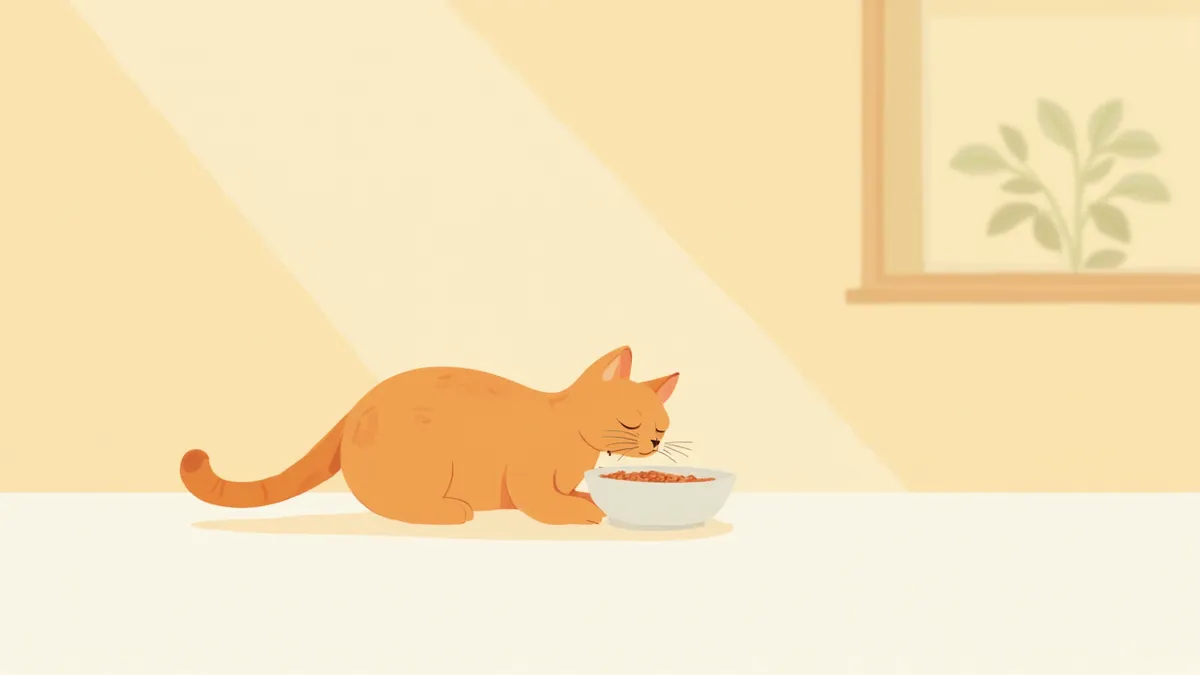
A house cat eating prescription diet food
Prescription diets for feline pancreatitis are veterinarian-recommended foods formulated with reduced fat content and enhanced digestibility to minimize pancreatic stress. During the recovery phase from pancreatitis, maintaining continuous nutritional support is essential. If anorexia persists for more than 24 hours or if vomiting and abdominal pain recur, the standard management approach is not forced fasting, but rather transitioning to a highly digestible prescription diet fed in small, frequent meals. In this article, we will compare five prescription diets that have been verified for their low-fat and high-digestibility profiles.

Criteria for Choosing a Prescription Diet — 4 Key Factors

When choosing a prescription diet for a cat with pancreatitis, don’t rely solely on the label “for digestive health.” To truly reduce the burden on the pancreas, consider these four criteria together. However, because there is limited research on the dietary management of feline pancreatitis, it is safer to prioritize the general principle of “low fat and highly digestible” rather than focusing on specific quantitative values for each product. - Fat content: Fat is the nutrient that most strongly stimulates pancreatic secretion, so a low-fat diet is recommended, especially during acute flare-ups (although a precise recommended cutoff value for cats has not yet been established). - Protein quality: Prioritize high-quality, easily digestible proteins. If food allergies or chronic enteritis are also present, consider hydrolyzed protein diets. - Digestibility: If symptoms do not improve with a standard maintenance diet, a highly digestible prescription diet can be helpful. - Moisture content: Cats with pancreatitis are at high risk of dehydration, making wet food advantageous (note that moisture itself does not reduce pancreatic stimulation).

Top 5 Prescription Diets for Feline Pancreatitis at a Glance

ItemHill's i/d CatRoyal Canin GI CatPurina EN CatRoyal Canin Hydrolyzed Protein HPHill's z/d Cat
Fat Content (Dry Matter)11.8%11.5%13.2%10.3%9.8%
Protein FormStandard animal-basedStandard animal-basedStandard animal-basedHydrolyzedHydrolyzed
Acute PancreatitisRecommendedRecommendedSupportiveRecommendedTop priority
Chronic ManagementTop priorityTop priorityRecommendedRecommendedSupportive
FormulationWet & dryWet & dryWet & dryDryWet & dry

Label data for domestically distributed products as of May 2026. Check the product package for exact figures.

No. 1 — Hill’s i/d for Cats (Comprehensive Gastrointestinal Care)

Hill’s i/d for cats is the first-choice prescription diet most commonly recommended for cats with concurrent chronic pancreatitis and chronic enteritis. With a low fat content of 11.8%, it is gentle on the digestive system, and the inclusion of prebiotics (MCT oil and beet pulp) helps stabilize stool consistency during recovery. - Recommended for: Cats with chronic pancreatitis accompanied by diarrhea and vomiting - Key consideration: Immediately following hospitalization for an acute flare-up, a lower-fat diet such as z/d or a hydrolyzed prescription diet may be more beneficial - Form: Wet pouches are preferred to encourage increased water intake

No. 2 — Royal Canin Gastro Intestinal Cat (Recovery Phase Standard)

Royal Canin Gastro Intestinal Cat excels in palatability, helping to stimulate appetite during the recovery phase from pancreatitis. With 11.5% fat, highly digestible protein, and EPA and DHA, it ensures the most stable adaptation during the first to third weeks of recovery. - Recommended for: Cats transitioning from anorexia immediately after hospitalization to voluntary food intake - Advantages: A wide range of both wet and dry formulas allows for a gradual transition - Disadvantages: Not a hydrolyzed prescription diet, so it is unsuitable if food allergies are present
Wet prescription food served in a ceramic bowl

No. 3 — Purina Pro Plan EN Cat (For Gastrointestinal Recovery)

Purina EN Cat is a good option for the chronic management phase after pancreatitis, as it has high ileal digestibility and low available carbohydrates. However, with a fat content of 13.2%, which is higher than the top two products, it ranks lower in priority during the first two weeks of the acute phase. - Recommended for: Long-term management after entering the stable phase - Key consideration: In the acute phase, it is recommended to start with i/d or GI and then transition to EN

No. 4 & 5 — Hydrolyzed Protein Prescription Diets (HP & z/d)
Royal Canin Hydrolyzed Protein HP and Hill’s z/d are prescription diets that use enzymes to break down proteins into smaller particles, reducing the likelihood of an allergic response. They can be considered together in complex cases where pancreatitis coexists with food allergies or chronic enteritis. However, keep in mind that it is fat, not the degree of protein hydrolysis, that directly and strongly stimulates pancreatic secretion; therefore, the key to reducing pancreatic burden is ultimately a low fat content. - HP: This formula focuses on breaking protein molecules into smaller units to reduce the risk of allergic reactions and digestive burden. - z/d: With a fat content of 9.8%, it is the lowest among the five diets compared here, making it a priority consideration during the recovery phase of acute pancreatitis, where a low-fat diet is crucial. - Common drawback: Palatability is low, so transitioning to these diets may take time.
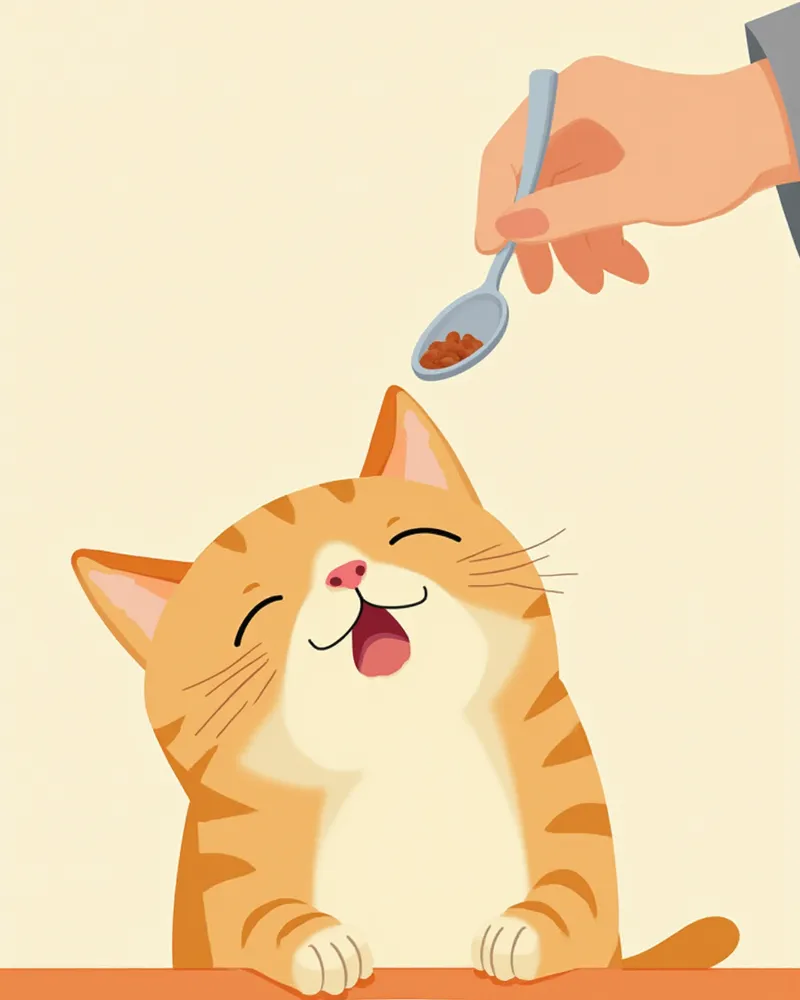
A cat being fed prescription diet food with a spoon

See a Vet Immediately If You Notice These Signs — Emergency Symptoms of Acute Pancreatitis

Unlike dogs, cats with pancreatitis often show vague symptoms that owners can easily overlook. In fact, cats are less likely than dogs to exhibit clear vomiting and abdominal pain (in fewer than half of cases), making lethargy and loss of appetite the most common and critical warning signs. Therefore, if any of the following symptoms persist for more than 24 hours, seek emergency veterinary care rather than simply changing your cat’s food. - Complete loss of appetite for over 24 hours (the most common and important sign) - Lethargy, depression, or hiding (pay close attention even if there is no vomiting) - Repeated vomiting (less common in cats, but a dangerous sign if present) - Jaundice (yellowing of the gums and whites of the eyes) - Signs of dehydration (skin tenting), cold extremities, or cold ears In particular, if jaundice is observed, there may be a risk of triaditis, a condition involving concurrent pancreatitis, cholangiohepatitis, and enteritis, which requires hospitalization and further diagnostic testing.

Practical Tips for Transitioning to and Feeding Prescription Diets

Abruptly changing your cat’s diet can trigger vomiting, so please follow this gradual transition schedule to protect their sensitive digestive system during recovery: - Days 0–3: 75% current food + 25% prescription diet - Days 4–6: 50% current food + 50% prescription diet - Days 7–10: 25% current food + 75% prescription diet - Day 11 onward: 100% prescription diet To enhance palatability, gently warm wet food to body temperature (35–37°C) to release its aroma. Avoid large single meals; instead, offer small portions 4–6 times daily. If force-feeding becomes necessary, consult your veterinarian immediately to switch to esophageal or tube feeding.

Checkpoints for Long-Term Use of Prescription Diets

Prescription diets aren't meant to be a lifelong commitment; once the pancreatitis activity subsides, we can consider a gradual transition back to a standard gastrointestinal care diet. If your cat has been on a single prescription diet for more than six months, please ensure the following are monitored: - Recheck fPL (feline pancreatic lipase) levels every 3 to 6 months. - Monitor weight and muscle mass, as prolonged low-fat diets can lead to muscle loss. - Check vitamin B12 and folate levels, as deficiencies are common in chronic pancreatitis.

Reviewed by a veterinarian

Dr. Tony — Punnawat Phongkittirak

Dr. Tony — Punnawat Phongkittirak

Veterinarian

A veterinarian who majored in veterinary medicine at Khon Kaen University, Thailand, and completed the IVSA program at North Carolina State University in the United States. Drawing on clinical experience at animal hospitals, he works in the pet healthcare field and is dedicated to building a digital care environment that connects pet parents with veterinarians.

Frequently Asked Questions

Can I feed my cat with pancreatitis human low-fat food or chicken breast?
I wouldn't recommend it. While chicken breast is low in fat, feeding it as the sole protein source over the long term can quickly lead to nutritional imbalances. During recovery, it's safest to use a veterinarian-prescribed diet that's specifically formulated to maintain proper nutritional balance.
How many days should I feed my pet a prescription diet at home after being hospitalized for acute pancreatitis?
We recommend feeding for at least 4 to 6 weeks, or for 3 to 6 months or longer in cases of chronic conditions. Even after clinical symptoms subside, it takes time for pancreatic enzyme levels to stabilize.
Which is better, dry or wet food?
Wet food should be the priority. Cats with pancreatitis are at high risk of dehydration, and wet food offers advantages in both hydration and palatability. If your cat currently eats only dry food, gradually transition them by mixing in wet food from the same product line.
The prescription is too expensive. Can I substitute it with a regular digestive care supplement?
While it may be possible during the stable phase, we do not recommend it during active pancreatitis because the fat content differs significantly from that of regular food. If cost is a concern, you can adjust the diet by increasing the proportion of dry food within the same prescription line.
My pet is still vomiting even after switching to the prescription diet. Should I try a different food?
Before making any changes, a follow-up visit is essential. Pancreatitis is often accompanied by cholangitis and inflammatory bowel disease, in which case switching to a hydrolyzed prescription diet (HP/z/d) or combining it with medication may be necessary.

Share

Related Guides

References

[1] Fascetti AJ, Delaney SJ. Applied Veterinary Clinical Nutrition, 2nd Ed — Commercial and Home-Prepared Diets

[2] Schaer M, Gaschen F. Clinical Medicine of the Dog and Cat, 4th Ed — Section V: Elements of Therapy

[3] Xenoulis PG, Steiner JM. Current concepts in feline pancreatitis. Topics in Companion Animal Medicine, 2008

This information is based on veterinary literature and does not replace diagnosis or treatment. Please consult a veterinarian for specific health concerns.

Metapet Co., Ltd. | CEO: Park Sung-yong | Business Reg. No. 417-88-02562 | Seoul, South Korea | Customer Center

Top 5 Prescription Diets for Feline Pancreatitis: Low-Fat Guide | Meongsiljang