
Like
Share
멍실장
강아지 간 처방식 추천 TOP 5 — 저구리·고소화 단백 사료

Veterinarian-Recommended Top 5 Prescription Liver Diets for Dogs — Low Copper, Highly Digestible Protein

Liver HealthTop PicksMeongsiljang Veterinary Advisory Board

Prescription liver diets for dogs are specially formulated to reduce copper content and include highly digestible, high-quality proteins, helping to minimize the metabolic burden on damaged liver cells. The three key pillars are low copper, highly digestible protein, and adequate calories.

What Are Prescription Liver Diets for Dogs?

Close-up of prescription dog food for liver health
Prescription diets for dogs with liver disease are specially formulated to reduce copper content and provide high-quality, easily digestible protein, thereby minimizing the metabolic burden on a compromised liver. The core principles are low copper, highly digestible protein, and sufficient caloric intake. However, being a prescription diet does not automatically mean protein should be restricted. According to standard veterinary guidelines, protein restriction is not recommended for dogs with liver disease—such as portosystemic shunts—who do not have hepatic encephalopathy; instead, maintaining an appropriate protein level is key. Adequate calories from carbohydrates and fats help prevent protein from being broken down for energy, which reduces ammonia production. If your dog has been diagnosed with chronic hepatitis or a portosystemic shunt (PSS), or if liver enzyme levels (ALT and ALP) remain consistently elevated, it is safer to consult your veterinarian and switch to a prescription diet rather than making this decision on your own.

Why Prescription Diets Instead of Regular Dog Food?

Feeding regular dog food to a puppy with compromised liver function can lead to two main issues. First, copper from the food can accumulate in liver cells, potentially worsening chronic hepatitis, especially in breeds prone to copper buildup. Second, if the damaged liver cannot adequately process ammonia produced during protein breakdown, it may result in hepatic encephalopathy. Prescription diets address this by reducing copper levels while maintaining an appropriate amount of protein rather than cutting it excessively, and by providing sufficient calories to prevent protein from being used as an energy source. In cases of hepatic encephalopathy, these diets focus on plant-based and dairy proteins, which are easier to digest and better tolerated than animal proteins, thereby reducing the ammonia burden.

Key Indicators to Check When Choosing a Prescription Liver Diet
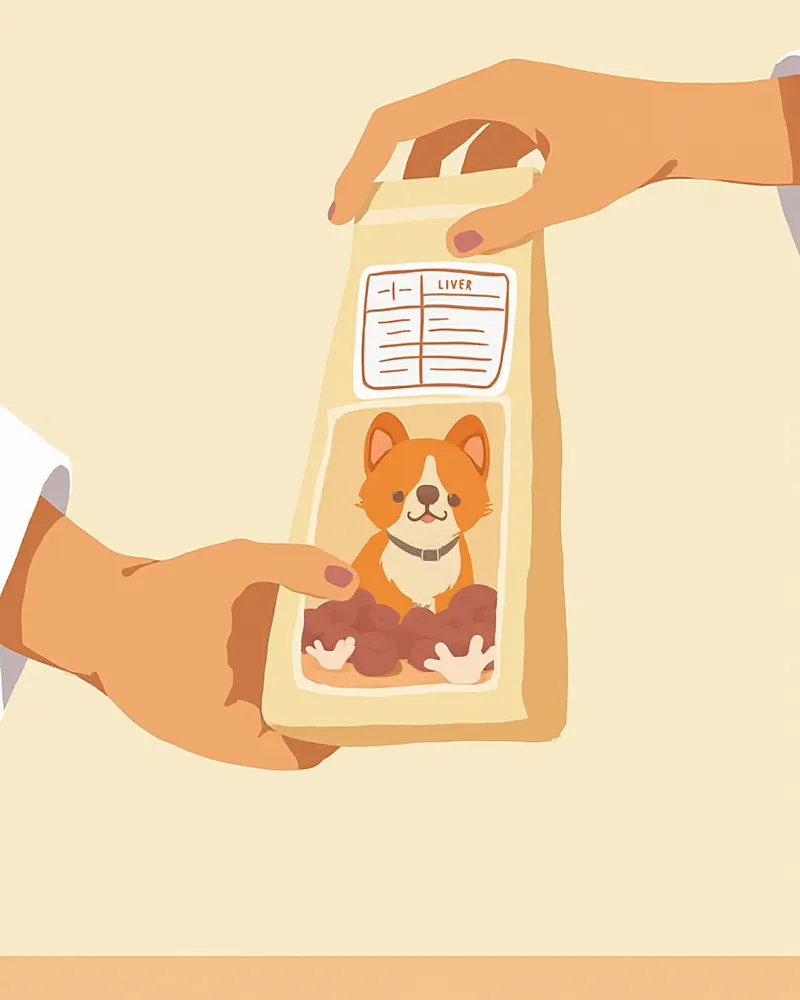
You can often gauge the quality of a prescription liver diet just by reading the label. Check for the following key terms: - Low Copper: Commercial liver prescription diets are formulated with restricted copper levels (typically less than 0.12 mg per 100 kcal). - Highly Digestible Protein: Based on protein sources that are low in copper and easily digestible, such as dairy products (eggs, cheese, yogurt), white meat poultry like chicken, and plant-based proteins like soy. - Appropriate Protein and Tolerance: If hepatic encephalopathy is absent, protein is not restricted but maintained at appropriate levels. If encephalopathy is present, the diet focuses primarily on plant-based and dairy proteins. - Adequate Calories: Calories are supplied through carbohydrates and fats to prevent protein from being used as an energy source, which helps avoid the production of ammonia. - Liver Support Ingredients: Ingredients such as L-carnitine, SAMe, and silymarin may be included; however, evidence of their efficacy in dogs remains limited, so consider them supplementary.
A veterinarian checking the label of a prescribed liver diet food.

Must-Check Items Before Switching to a Prescription Diet

While many people assume that “hepatic prescription diets” are simply low-protein, veterinary guidelines actually recommend maintaining an appropriate protein level rather than restricting it in dogs with liver disease who do not have hepatic encephalopathy (including those with portosystemic shunts). In other words, these diets are better characterized as being formulated with low copper and highly digestible protein, rather than just being low-protein. However, there is no need to feed a prescription diet long-term to a healthy dog. Always confirm liver health through blood tests (ALT, ALP, total bilirubin, ammonia) and abdominal ultrasound, and let your veterinarian determine the right time to transition and the appropriate feeding amount. Please do not attempt to self-diagnose.

Top 5 Recommended Prescription Liver Diets at a Glance

ItemRoyal Canin HepaticHill's l/dPurina HPForza10 Active HepatoAdvance Hepatic
Protein Content (dry matter basis)18%17%17%20%16%
Copper Content (mg/kg)5.04.04.54.85.2
L-CarnitineTrueTrueTrueTrueFalse
BCAA EnrichmentTrueTrueFalseTrueTrue
Silymarin/SAMeFalseFalseTrueTrueFalse
Prescription RequiredRequiredRequiredRequiredOptionalRequired
Price Range (per 1.5kg)

Average prices based on domestic (Korean) veterinary clinics and online prescription channels as of May 2026

Top 1–3: The Global Big Three Prescription Diets
Royal Canin Hepatic: This is the most commonly prescribed standard option. It’s formulated with a higher proportion of plant-based proteins to reduce ammonia burden, making it a good choice when hepatic encephalopathy is a concern.
Hill’s Prescription Diet l/d: This is a liver-specific prescription diet that restricts copper. It’s typically the first consideration for dogs diagnosed with chronic active hepatitis or copper accumulation disorders, such as in Bedlington Terriers.
Purina Pro Plan Veterinary Diets HP: Its key feature is the inclusion of silymarin. However, while liver-supporting ingredients like silymarin and SAMe are expected to be helpful, evidence of their effectiveness in dogs remains limited, so they should only be used as supplementary support.
A display of three prescription diets

Top 4–5: Premium and Cost-Effective Options

Forza10 Active Hepato: This Italian brand excels in protein hydrolysis technology. It contains SAMe, silymarin, and BCAA, making it a well-regarded recovery support diet. However, it is on the more expensive side.
Advance Hepatic: This product has stable distribution in Korea and offers reasonable pricing. However, it lacks supportive ingredients like silymarin and SAMe, making it suitable for mild cases or preventive dietary management. For severe hepatitis, we recommend higher-tier options.

Key Liver Support Ingredients in Prescription Diets

Safe

L-카르니틴(L-Carnitine)

지방산을 미토콘드리아로 운반해 간 지방축적 감소

Dosage: 50~100mg/kg/일

수의내과학 교과서 권장

Safe

실리마린(Silymarin)

간세포 막 안정화·항산화

Dosage: 20~50mg/kg/일

임상 연구에서 ALT 감소 확인

Safe

SAMe(S-아데노실메티오닌)

글루타치온 합성 촉진·간세포 재생

Dosage: 18mg/kg/일

Safe

분지쇄 아미노산(BCAA)

암모니아 대사 보조·근육 유지

Dosage: 사료 내 비율로 조절

When Prescription Diets Alone Are Not Enough

For portosystemic shunt (PSS) surgery, acute liver failure, and chronic hepatitis with jaundice, management with prescription diet alone is often insufficient. These conditions typically require concurrent administration of lactulose and antibiotics (metronidazole), intravenous liver support medications, and inpatient monitoring. If your pet continues to experience decreased appetite, vomiting, or jaundice after switching to the prescription diet, please return for a veterinary examination within 24 hours.

Practical Tips for Transitioning to and Feeding Prescription Diets

Switching directly from your pet’s current food to a prescription diet can cause diarrhea and a decreased appetite. To avoid this, gradually transition over 7–10 days by adjusting the ratio of the two foods as follows: - Days 1–3: 75% current food + 25% prescription diet - Days 4–6: 50% current food + 50% prescription diet - Days 7–9: 25% current food + 75% prescription diet - Day 10 onward: 100% prescription diet Pets with liver conditions are prone to reduced appetite, so it’s best to divide their daily meals into three or four smaller portions. Soaking the food in lukewarm water for about five minutes can also improve its palatability.
Mixing the old food with the new prescription diet to gradually transition your pet

Reviewed by a veterinarian

Dr. Tony — Punnawat Phongkittirak

Dr. Tony — Punnawat Phongkittirak

Veterinarian

A veterinarian who majored in veterinary medicine at Khon Kaen University, Thailand, and completed the IVSA program at North Carolina State University in the United States. Drawing on clinical experience at animal hospitals, he works in the pet healthcare field and is dedicated to building a digital care environment that connects pet parents with veterinarians.

Frequently Asked Questions

My pet’s liver values are slightly elevated. Should I switch to a prescription diet right away?
If liver enzyme levels are only mildly elevated and there are no clinical symptoms, rather than immediately switching to a prescription diet, you can consult with your veterinarian to monitor the condition through follow-up tests and adjust the diet accordingly. However, if liver enzymes remain consistently high or if symptoms such as jaundice or decreased appetite are present, transitioning to a prescription diet is recommended. The specific criteria for making this switch will be determined by your veterinarian based on blood test and abdominal ultrasound results.
Does my pet need to take this prescription medication for life?
It depends on the underlying cause. For example, copper accumulation disorders, such as those seen in Bedlington Terriers, require a lifelong low-copper diet. In cases of transient drug-induced liver injury or hepatic lipidosis, pets can typically return to a regular diet once they have recovered. Because chronic hepatitis is a long-term condition, regular follow-up evaluations with your veterinarian are essential.
Can I give my pet a liver supplement along with their prescription medication?
While liver support supplements such as silymarin, SAMe, and ursodeoxycholic acid are sometimes used alongside prescription diets, the evidence supporting their efficacy in dogs is limited. To avoid overlapping with nutrients already present in the food, always consult your veterinarian to determine whether these supplements are appropriate and to establish the correct dosage.
Can I prepare a homemade diet for my pet?
While theoretically possible, maintaining the right balance of copper, protein, and zinc is extremely difficult. Even with commercial treats, you’d need to supplement with additional protein sources to hit the appropriate protein levels, as the balance is so delicate. We don’t recommend long-term feeding of homemade diets without veterinary nutritional guidance, as it significantly increases the risk of nutritional deficiencies and hepatic encephalopathy.
What should I do if prescription pet food is too expensive?
Start with more affordable options like Advance Hepatic or Royal Canin Hepatic. You can also reduce costs by mixing 50% prescription diet with 50% veterinarian-prescribed homemade food. Discuss the costs and treatment priorities with your veterinarian.

Share

Related Guides

References

[1] Fascetti AJ, Delaney SJ. Applied Veterinary Clinical Nutrition, 2nd Ed. Chapter 8: Commercial and Home-Prepared Diets, 2024

[2] Ettinger SJ, Feldman EC. Textbook of Veterinary Internal Medicine, 8th Ed. Hepatobiliary Diseases, 2017

[3] Hall EJ et al. Clinical Medicine of the Dog and Cat, 4th Ed. Section V: Elements of Therapy — Nutritional Support, 2020

This information is based on veterinary literature and does not replace diagnosis or treatment. Please consult a veterinarian for specific health concerns.

Metapet Co., Ltd. | CEO: Park Sung-yong | Business Reg. No. 417-88-02562 | Seoul, South Korea | Customer Center

Vet's Top 5 Prescription Liver Diets for Dogs — Low Copper | Meongsiljang