Like
Share
멍실장
강아지 신경인성 방광 관리 추천 BEST와 고르는 기준 총정리

The Ultimate Guide to Recommended Management Products and Selection Criteria for Canine Neurogenic Bladder

UrinaryTop PicksMeongsiljang Veterinary Advisory Board

Neurogenic bladder in dogs is a condition in which the bladder fails to contract properly due to nerve damage. Choosing the right management products and methods can significantly improve your dog’s quality of life.

Neurogenic bladder in dogs is a condition characterized by decreased bladder function due to nerve damage.
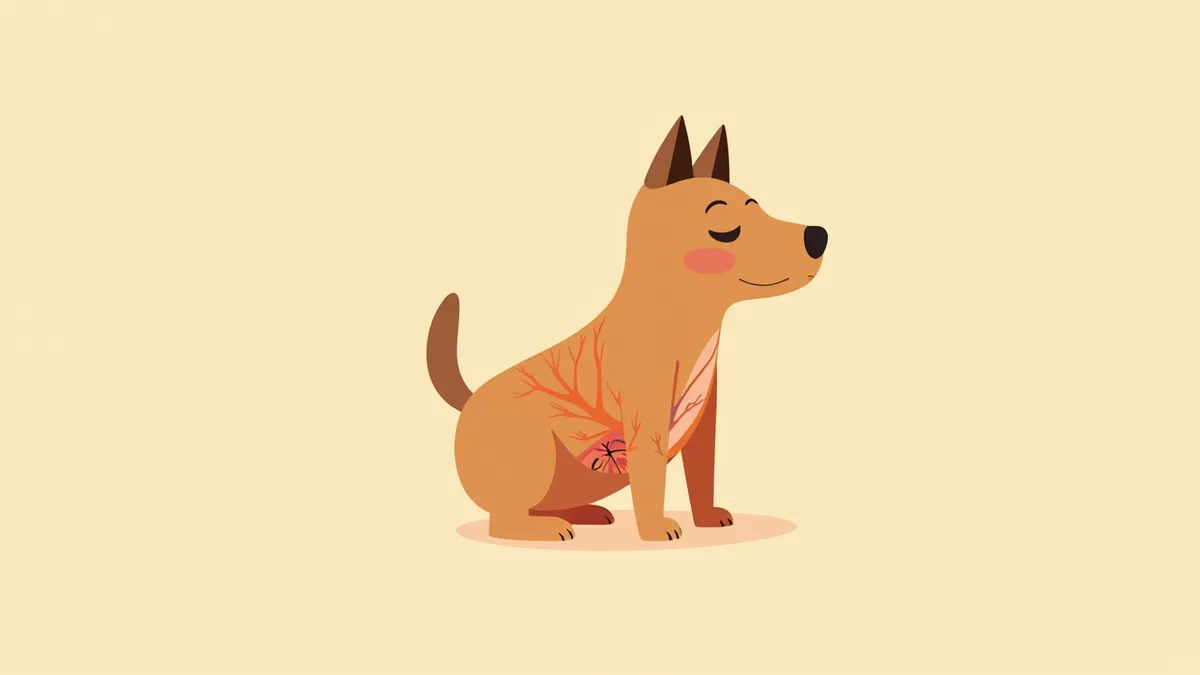
A diagram showing the connection between the nerves and the bladder, illustrating the causes of neurogenic bladder
Neurogenic bladder in dogs is a condition in which urine cannot be properly expelled because the bladder muscles fail to contract adequately or the urethral sphincter does not relax and coordinate properly during urination, due to spinal cord or peripheral nerve damage. Depending on the site of injury, it is classified into upper motor neuron (UMN) and lower motor neuron (LMN) types, often resulting in urinary dysfunction or residual urine remaining after voiding. Particular attention is needed if your dog frequently attempts to urinate but is unable to finish completely. If the bladder is not fully emptied, urine stagnation increases the risk of urinary tract infections (cystitis), and an overly distended bladder can place additional strain on the kidneys, making early diagnosis and appropriate management essential. Accurate diagnosis by a veterinarian and the development of a tailored management plan are crucial. While recovery may be complete, partial, or absent, quality of life can be maintained through urinary assistance methods such as catheterization or bladder expression, along with regular veterinary check-ups.

Four Key Criteria for Choosing Management Products
When choosing a management product for your dog’s neurogenic bladder, it’s essential to consider key factors. First, select the product carefully based on your veterinarian’s diagnosis and guidance. Second, ensure the ingredients are safe and suitable for long-term use without causing undue burden. Third, opt for products that allow dosage adjustments tailored to your dog’s individual weight and health status. Fourth, since clinical evidence supporting the efficacy of certain ingredients is limited, prioritize collaboration with your veterinarian and personalized care over relying solely on supplements. Adhering to these criteria will lead to safer and more effective management.
Scenario for Comparing Products for Managing Canine Neurogenic Bladder

BEST 1: Bladder Solution Pro

Bladder Solution Pro is introduced as one of the supplements for dogs showing decreased bladder function. However, since there is no evidence in veterinary textbooks to support the claim that the ingredients in this product support nerve function, it is difficult to determine its effectiveness. The actual management of neurogenic bladder centers on medications based on the type of damage and urinary assistance such as catheterization and bladder expression, and the use of supplements should be decided in consultation with a veterinarian, especially in the late stages of spinal cord injury. One tablet per day is recommended depending on weight and condition, and it is common to evaluate the effect after taking it for 2-4 weeks to observe changes. However, individual responses vary, so it is difficult to expect symptoms to be resolved by supplements alone.
Product image of Bladder Solution Pro

BEST 2: Nature Blood Herb Compound

Nature Blood Herb Compound is a supplement based on natural ingredients. It contains magnesium, corn silk extract, and blueberry extract, among others, but there is no evidence supported by veterinary textbooks that these ingredients improve bladder function in neurogenic bladder. Therefore, it is difficult to definitively claim effects such as promoting urine excretion or reducing inflammation, and individual responses may vary significantly. It is recommended to take two tablets per day, divided into multiple doses. While it can be used in senior dogs, it is essential to consult with a veterinarian before use, taking into account the individual’s health status and any medications currently being taken. Although the use of natural ingredients may provide peace of mind to pet owners, the product’s efficacy is not guaranteed, so veterinary diagnosis and personalized care should always come first.
Nature Blood, a product made with natural herbal ingredients

BEST 3: Medibladder Capsules

Medibladder capsules are marketed as a supplement containing an amino acid complex, but there is currently insufficient clinical evidence, as verified by veterinary textbooks, to support the claim that these ingredients aid nerve signal transmission and improve neurogenic bladder. Therefore, it is difficult to expect specific effects, such as a reduction in post-void residual urine, within a set timeframe, and it is important to understand that individual responses can vary significantly. Even if a product appears to have ingredients similar to those prescribed at a veterinary clinic, whether or not to use it should be based on a veterinarian’s diagnosis and judgment, and ongoing management is necessary. Even if you feel you have noticed an effect, this may be a subjective impression; therefore, it is crucial to monitor your pet’s condition through regular check-ups and objective evaluations.
Product image of MediBladder capsules

Comparison Table of Products BEST 1–3

ItemBladder Solution ProNature Blood Herb CompoundMedi Bladder Capsule
Key IngredientsGlucosamine, glutamic acidMagnesium, corn silk extract, blueberry extractAmino acid complex
Dosing Frequency1 tablet per day2 tablets per day, divided1 capsule per day
Expected Onset of EffectBased on product description (not clinically proven)Based on product description (not clinically proven)Based on product description (not clinically proven)
Long-term Use SafetyModerateModerateModerate
Recommended AgeAdult dogs and olderAdult dogs and olderAdult dogs and older

The efficacy information in the table is based solely on the product description and has not been clinically proven. For neurogenic bladder, veterinary management such as catheterization, bladder expression, and medication takes priority depending on the type of injury; consider supplements only as adjuncts after consulting a veterinarian. Dosage adjustment is necessary according to body weight and condition.

Caution: Bladder Irritation Symptoms May Occur with Overdosing

Overdosing on supplements can cause adverse reactions such as gastrointestinal irritation and may also place additional strain on urinary management. Dogs in the late stages of spinal cord injury are particularly sensitive to changes due to weakened neural regulation, so it is crucial to strictly adhere to the recommended dosage. If you notice any abnormal symptoms during supplementation, such as decreased appetite, vomiting, or changes in urination patterns, stop administering the supplement immediately and consult your veterinarian.

Usage Tips: Combine with Daily Management
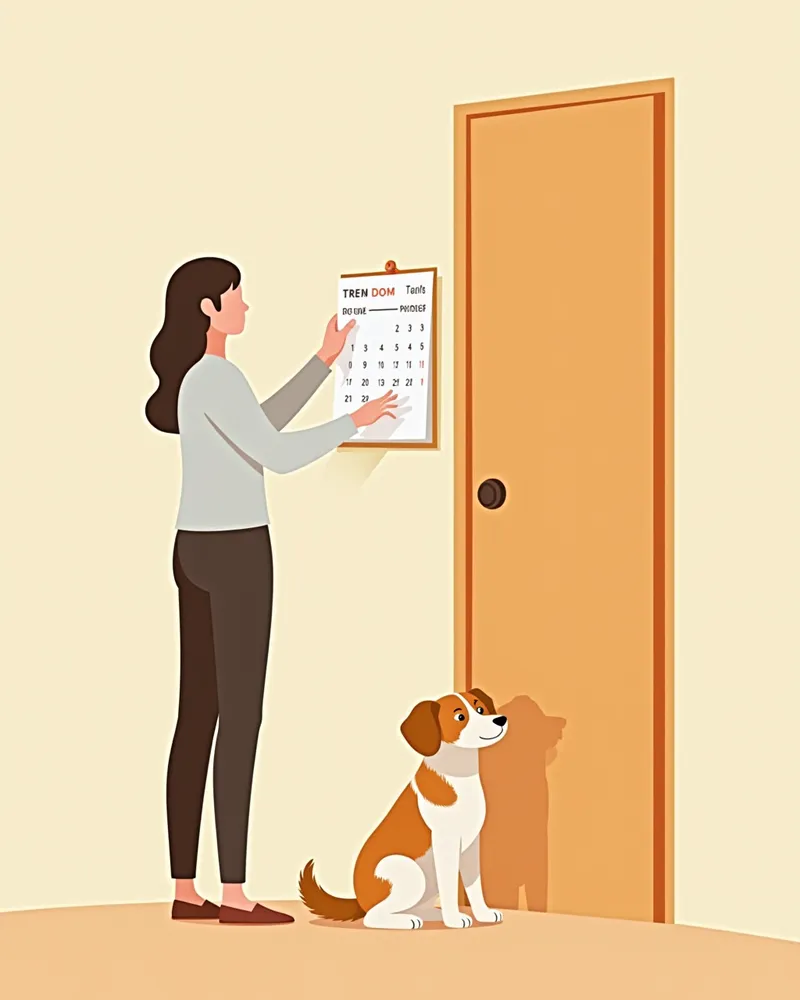
Managing a dog’s neurogenic bladder relies more on daily assistance with urination and consistent care than on medication alone. First, establish a regular bathroom schedule, guiding your dog to urinate at set times three to four times a day. Depending on the type of nerve damage, your veterinarian may recommend manual bladder expression or intermittent catheterization. Second, following your vet’s guidance to appropriately regulate your dog’s water intake can help manage urination frequency. Third, ensure the bladder is fully emptied after each attempt; if you suspect significant residual urine remains, consult your veterinarian for an examination, as this increases the risk of urinary tract infections. These daily care practices are essential for maintaining your dog’s overall quality of life.
Managing Your Dog’s Urination Schedule: A Step-by-Step Guide

Reviewed by a veterinarian

Dr. Tony — Punnawat Phongkittirak

Dr. Tony — Punnawat Phongkittirak

Veterinarian

A veterinarian who majored in veterinary medicine at Khon Kaen University, Thailand, and completed the IVSA program at North Carolina State University in the United States. Drawing on clinical experience at animal hospitals, he works in the pet healthcare field and is dedicated to building a digital care environment that connects pet parents with veterinarians.

Frequently Asked Questions

Can a dog’s neurogenic bladder be completely cured?
It depends on the underlying cause. If the nerve damage is temporary, recovery may be possible; however, if the condition is chronic or involves severe spinal cord injury, recovery may be partial or difficult, requiring ongoing management. It’s important to work with your veterinarian to develop a tailored care plan.
Will the product take effect immediately after administration?
You shouldn’t expect immediate results. Moreover, there isn’t sufficient evidence that these supplements improve neurogenic bladder, so even if changes occur, they vary widely from pet to pet and aren’t guaranteed. Most importantly, it’s essential to continue working with your veterinarian for proper diagnosis and ongoing urinary support.
Can this be taken alongside other products?
This medication may interact with other drugs. In particular, using it together with anti-inflammatory or pain-relieving medications can be dangerous, so always consult your veterinarian before combining treatments.
Can senior dogs use it too?
Yes, senior dogs can use it as well. However, you should consult with your veterinarian to determine the best course of action, taking into account your dog’s individual health status, any medications they are currently taking, and any chronic conditions they may have.
What should I do if there is a lot of residual urine after urination?
When a large amount of urine remains in the bladder, it doesn’t empty properly, which increases the risk of urinary tract infections. A veterinarian can confirm this through ultrasound or other diagnostic tests at the clinic and may recommend treatments such as catheterization, bladder massage, or adjusting medication dosages if necessary.

Share

Related Guides

References

[1] Notes on Canine Internal Medicine, 4th Ed. (2023). Chapter 114: Neurogenic Bladder in Dogs.

[2] Plumb's Veterinary Drug Handbook, 9th Ed. (2022). Section on Urinary Tract Management in Canine Neurological Disorders.

[3] American College of Veterinary Internal Medicine (ACVIM). Consensus Statement on Canine Neurogenic Bladder Management (2021).

This information is based on veterinary literature and does not replace diagnosis or treatment. Please consult a veterinarian for specific health concerns.

Metapet Co., Ltd. | CEO: Park Sung-yong | Business Reg. No. 417-88-02562 | Seoul, South Korea | Customer Center

Best Dog Neurogenic Bladder Care: Top Picks & Criteria | Meongsiljang