Like
Share
멍실장
강아지 폐 타진·흉수 천자 관리 추천 BEST와 고르는 기준 총정리

The Ultimate Guide to Recommended Products and Selection Criteria for Dog Lung Percussion and Thoracentesis Care

RespiratoryTop PicksMeongsiljang Veterinary Advisory Board

Lung percussion and thoracentesis are important procedures for removing pleural effusion that causes respiratory distress in dogs. Proper care and product selection are key to successful treatment.

What Are Lung Percussion and Thoracentesis in Dogs?

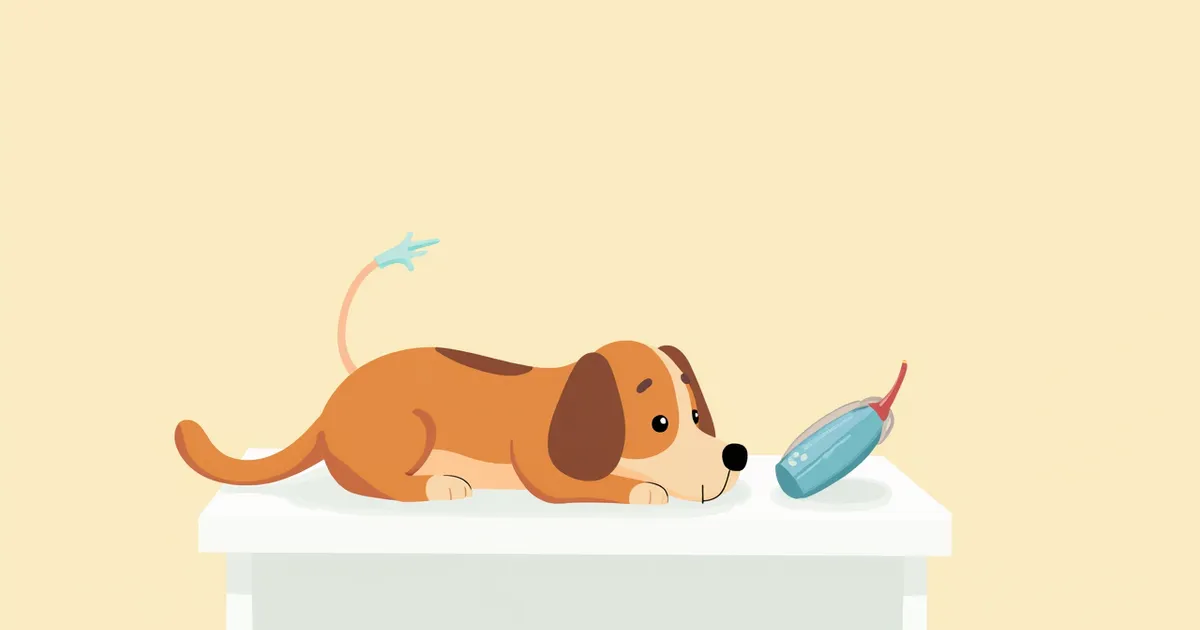
A veterinarian performing lung percussion on a puppy
Thoracentesis in dogs, also known as thoracic tap for pleural effusion or pneumothorax, is an important medical procedure used to diagnose and remove excess fluid or air that has accumulated in the chest cavity, making it difficult for the dog to breathe. This procedure serves both diagnostic purposes, to confirm the presence of pleural effusion or pneumothorax, and therapeutic purposes, to relieve respiratory distress by removing the accumulated fluid or air. When removing fluid, using ultrasound to locate the exact position can make the procedure safer and more accurate. The procedure is performed by a veterinarian while strictly adhering to aseptic (sterile) techniques to minimize the risk of infection. Minimizing the dog's stress is crucial, so the procedure is carried out in a position where the animal feels most comfortable, and mild sedation may be used if necessary. Accurate diagnosis and thorough post-procedure care are key to preventing complications and recurrence.

Criteria for Selecting Lung Percussion and Thoracentesis Care Products for Dogs

Proper care after lung percussion and thoracentesis in dogs is key to successful treatment. - Safety: Post-procedure care must follow sterile techniques, and appropriate disinfection is essential to prevent infection. - Convenience: Provide a stable environment to keep your dog still and minimize discomfort. - Veterinarian Recommendation: The care methods prescribed by your vet are based on clinical standards and can be trusted. - Customizable Care: Management may vary depending on your dog’s weight and condition. - Prevention of Recurrence: Regular check-ups and treatment for the underlying disease support long-term recovery.
Appearance of the disinfectant bandage applied after thoracentesis

BEST 1: Skin Care Set for Post-Thoracentesis

This kit includes disinfectant and protective supplies designed to reduce the risk of infection at the thoracentesis site. - Antibacterial disinfectant: Helps maintain hygiene at the thoracentesis site to lower the risk of infection. - Absorbent bandage: Quickly absorbs fluids and features a design that allows for easy monitoring of the site. - Minimized skin irritation: Made from soft materials that are gentle on the skin, even with prolonged wear. - Veterinarian-recommended product: Developed with reference to clinical procedures and products used by veterinarians, ensuring high reliability. - Appropriate duration of use: While it is best to use this continuously during the initial recovery period after thoracentesis, the exact duration should be determined by your veterinarian based on your pet’s condition.
Protective bandage and collar to wear after thoracentesis

BEST 2: Respiratory Support Hair Ring Pet T-Shirt

This T-shirt is a supportive garment designed to gently wrap around a dog’s chest after thoracocentesis, providing a sense of security. - Minimized pressure: Made from soft materials that do not strain the chest. - Chest support and warmth: It wraps around the chest to offer comfort and warmth, but it does not treat dyspnea itself. Difficulty breathing after thoracocentesis may be due to the reaccumulation of fluid or air in the thoracic cavity, so veterinary examination is essential. - Easy to wear: Adjustable sizing makes it suitable for everyday use. - Supportive use only: As a supportive aid rather than a substitute for medical treatment, please consult your veterinarian before using it. - Monitor condition: While wearing the shirt, frequently check the respiratory rate and effort. If any abnormalities are observed, visit the clinic immediately.
Breathing support shirt to wear after thoracentesis

BEST 3: Nutritional Supplement for Post-Thoracentesis

This supplement is formulated to provide nutritional support for recovery after surgery. - Glucosamine: May help maintain joint health. - Omega-3: May exhibit anti-inflammatory effects and contribute to regulating inflammatory responses. - Vitamin C: A nutrient that may contribute to immune function regulation, used as part of nutritional supplementation. - Veterinarian-recommended formula: Manufactured according to clinical guidelines, with safety and suitability reviewed. - Administration: It is important to follow the dosage and duration specified by your veterinarian.
Nutritional supplements to aid recovery after thoracentesis

Comparison Table of BEST 1–3 Products

ItemBEST 1 Skin care setBEST 2 Breathing-support T-shirtBEST 3 Nutritional supplement
Main functionInfection prevention, skin protectionProvides adsorption and stabilityNutritional supplementation to support recovery
Duration of useUse for the period designated by the veterinarian depending on the patient's conditionUse for the period designated by the veterinarian depending on the patient's conditionUse for the period designated by the veterinarian depending on the patient's condition
Additional advantagesMinimizes contact irritationProvides stability during activityProvides appropriate nutrition
Price rangeAbout $20About $30About $40

Products were selected based on veterinarian recommendation criteria, and adjustments are needed depending on the dog's condition.

Caution: Visit the Vet Immediately If Abnormal Symptoms Appear After Thoracentesis

If your pet develops a fever, worsened breathing difficulty, or skin redness or swelling after thoracentesis, seek veterinary care immediately. These signs may indicate infection, bleeding within the chest cavity, or reaccumulation of air or fluid in the chest. After the procedure, regularly monitor your pet’s respiratory rate and effort, strictly follow the veterinarian’s care instructions, and attend all scheduled follow-up examinations.

Usage Tips and Care Points

After surgery, minimize your dog’s activity and allow them to rest in a quiet environment. - Bandage care: Check the bandage 2–3 times a week to ensure it stays dry and intact, and replace it as needed. - Supplement administration: Give supplements with meals to improve absorption. - Monitor breathing: Contact your veterinarian immediately if you notice rapid breathing or severe coughing. - Regular check-ups: Follow your veterinarian’s schedule for follow-up examinations. - Keep a recovery log: Recording daily changes in your dog’s condition helps track their progress more accurately.
A dog resting after thoracentesis

Reviewed by a veterinarian

Dr. Tony — Punnawat Phongkittirak

Dr. Tony — Punnawat Phongkittirak

Veterinarian

A veterinarian who majored in veterinary medicine at Khon Kaen University, Thailand, and completed the IVSA program at North Carolina State University in the United States. Drawing on clinical experience at animal hospitals, he works in the pet healthcare field and is dedicated to building a digital care environment that connects pet parents with veterinarians.

Frequently Asked Questions

How often should thoracentesis be performed?
The approach depends on the underlying cause. For transient pleural effusion, a single thoracentesis may be sufficient, whereas chronic conditions often require repeated procedures based on how quickly the fluid reaccumulates. There is no fixed schedule for repeat procedures; instead, your veterinarian will determine the frequency based on the patient’s condition, the underlying disease, and the degree of fluid reaccumulation. If frequent drainage becomes necessary, placement of a chest tube may be considered.
What care can I do at home after a tracheal intubation?
It’s important to monitor your pet’s skin condition, change bandages, administer supplements, and restrict activity. Be sure to follow the care schedule set by your veterinarian.
What should I do if my puppy barks or seems anxious after acupuncture?
Since pain or anxiety may be the cause, please inform your veterinarian. Sedatives or additional treatment may be necessary. Avoid excessive movement.
How long should I continue giving my pet nutritional supplements after spaying or neutering?
The medication should be administered for the full duration prescribed by your veterinarian. The treatment period may be adjusted based on your pet's recovery progress, so please follow the instructions carefully.
What should I do if the condition frequently recurs after treatment?
It’s important to identify the exact cause. Conditions such as heart disease, pneumonia, or tumors could be responsible, so further testing is needed. You’ll need to work with your veterinarian to develop a treatment plan.

Share

Related Guides

References

[1] Plumb's Veterinary Drug Handbook, 9th Edition, 2022

[2] Textbook of Respiratory Disease in Dogs and Cats, 2021

[3] American College of Veterinary Internal Medicine (ACVIM) Guidelines on Thoracic Effusion Management, 2020

This information is based on veterinary literature and does not replace diagnosis or treatment. Please consult a veterinarian for specific health concerns.

Metapet Co., Ltd. | CEO: Park Sung-yong | Business Reg. No. 417-88-02562 | Seoul, South Korea | Customer Center

Dog Lung Percussion & Thoracentesis Care: Top Picks & Tips | Meongsiljang