Like
Share
멍실장
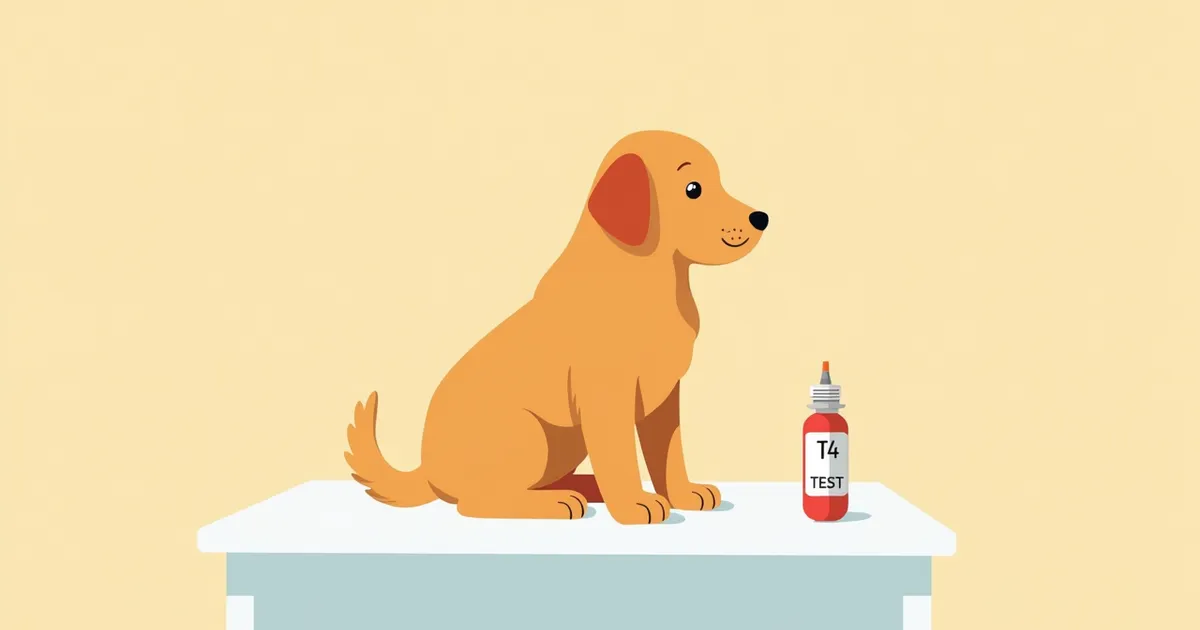
강아지가 안정적으로 앉아 있는 모습과 혈당 모니터링 장비

7 Blood Glucose Curve Monitoring Essentials for Dogs Recommended by Veterinarians

EndocrineTop PicksMeongsiljang Veterinary Advisory Board

Monitoring your dog’s blood glucose curve is essential for effective diabetes management. We’ve put together a clear overview of the recommended equipment and key selection criteria to ensure accurate data collection.

Monitoring Your Dog’s Blood Glucose Curve Is Key to Diabetes Management
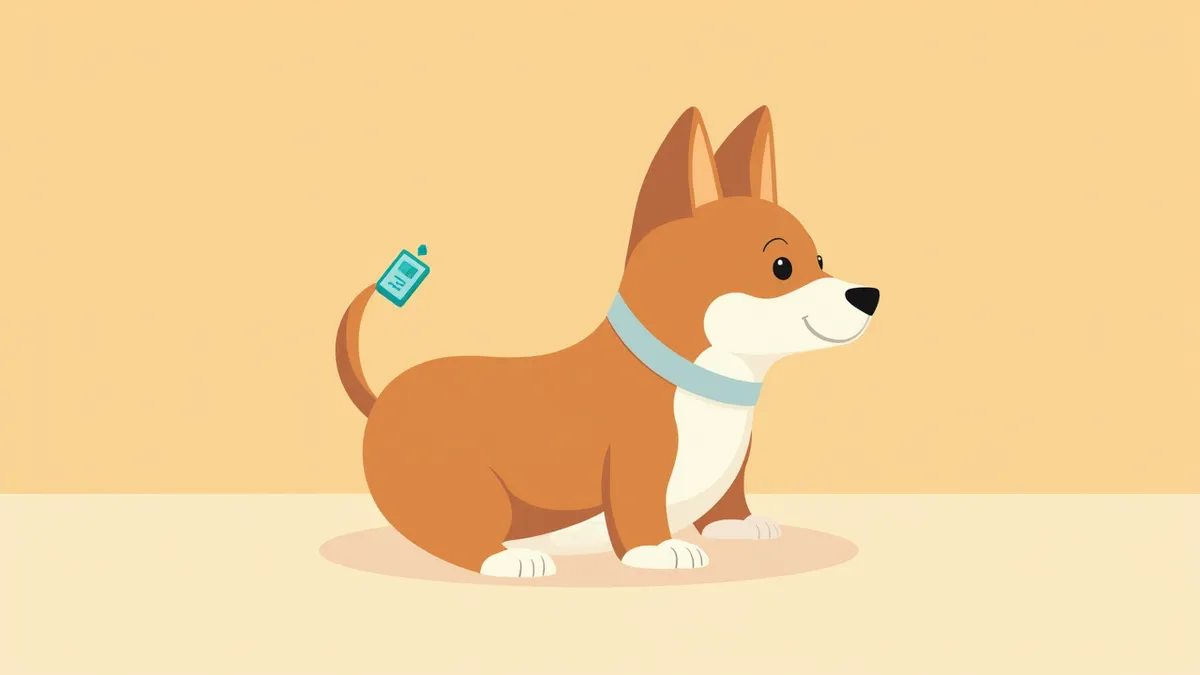
A continuous glucose monitoring sensor attached to a dog’s ear
Monitoring your dog’s blood glucose curve is an essential tool in managing diabetes. By recording blood sugar levels at regular intervals over a 12- to 24-hour period, you can help determine whether the insulin dosage is appropriate and check for any rapid or excessive drops in blood sugar. - Accurate data collection: The recorded blood glucose values serve as critical information for developing treatment plans together with your veterinarian. - Dog-friendly design: Continuous glucose monitor (CGM) sensors are typically attached to the skin just behind the shoulder blades, minimizing interference with your dog’s movement. - Consistent monitoring: Continuous measurement via sensor captures peak and trough blood glucose levels that might be missed with intermittent testing, aiding in long-term management. - App connectivity: The device connects to a smartphone app, allowing you to view data and share it with your veterinarian. However, interpretation of the readings and adjustments to insulin dosage must always be made in consultation with your veterinarian.

Key Takeaways: Points to Watch When Monitoring Blood Glucose Curves at Home
When choosing a blood glucose monitoring device for your dog, be sure to check these five key factors, as accurate measurement is essential.
High-accuracy sensors: Use portable blood glucose meters that meet veterinary quality standards, and strictly follow the manufacturer’s instructions to minimize user error.
Dog-friendly design: The device should be lightweight and cause minimal irritation at the attachment site behind the shoulder blades, ensuring your dog remains comfortable.
Automatic data storage: Look for devices that automatically record data so it can be easily shared with your veterinarian.
Real-time alerts: Instant notifications for sudden blood glucose fluctuations enable you to respond quickly.
Easy replacement: Test strips or sensors should be simple and convenient to replace.
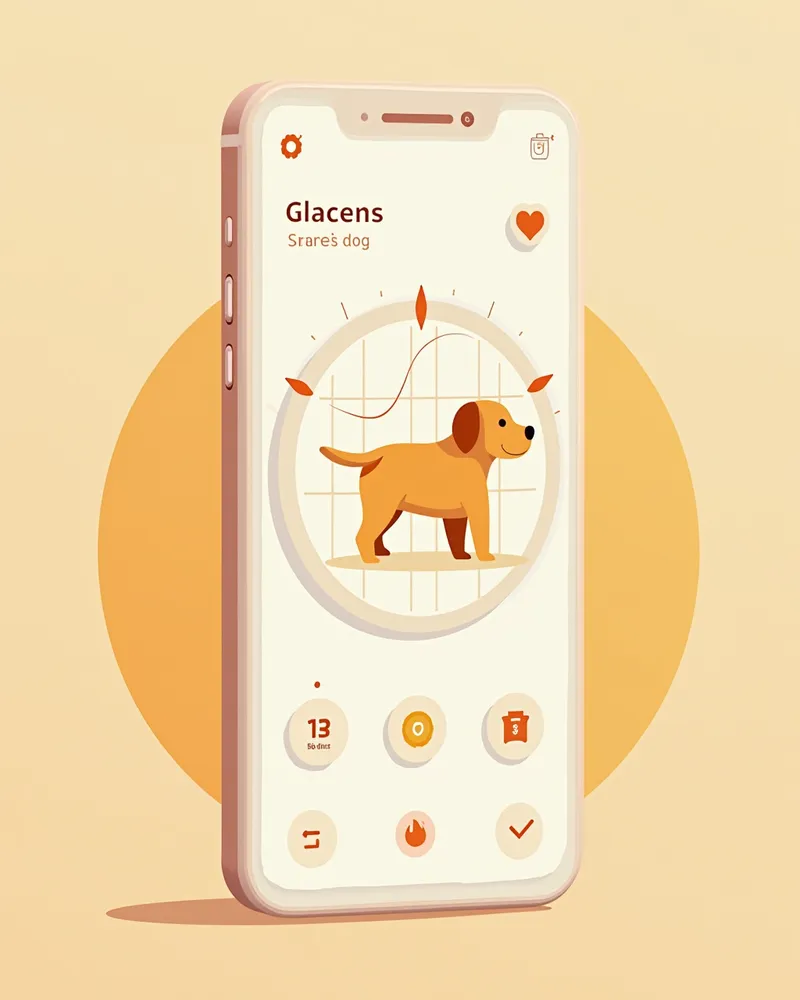
A smartphone app screen displaying a dog’s blood glucose curve

Key Point 1: How to Plot a Curve Using Home Blood Glucose Measurements

A blood glucose curve is created by measuring blood sugar at regular intervals throughout the day and connecting the results. Using a veterinary blood glucose meter, small blood samples are taken from the tip of the ear or the paw pad. Measurements are recorded over 12 to 24 hours at intervals determined by the veterinarian, typically every one to two hours, to form the curve. These collected values help determine whether the insulin dosage is appropriate, whether blood sugar drops too quickly or too low after administration, and when the lowest levels occur. Measuring while your dog is calm and settled at home can help obtain more stable readings. Rotating the sampling site and keeping it warm can make blood collection easier.
A puppy wearing the Guardian CGMS sensor

Key Point 2: Record Along with Insulin and Meal Times

Instead of just recording blood glucose levels, it’s important to also note the time and dose of insulin administration, as well as meal times and portion sizes. This helps in properly interpreting the glucose curve. By collecting data over several days under consistent conditions, you can assess whether the insulin dosage is appropriate and identify when blood sugar levels are at their lowest. Always follow the schedule and method prescribed by your veterinarian, and avoid testing too frequently or skipping tests without reason. Organizing your records in photos or tables and bringing them to your vet visits can be very helpful.
A puppy wearing a Dexcom G6 sensor while going for a walk

Key Point 3: Hypoglycemia Signs and Dose Adjustments Should Be Managed with Your Veterinarian
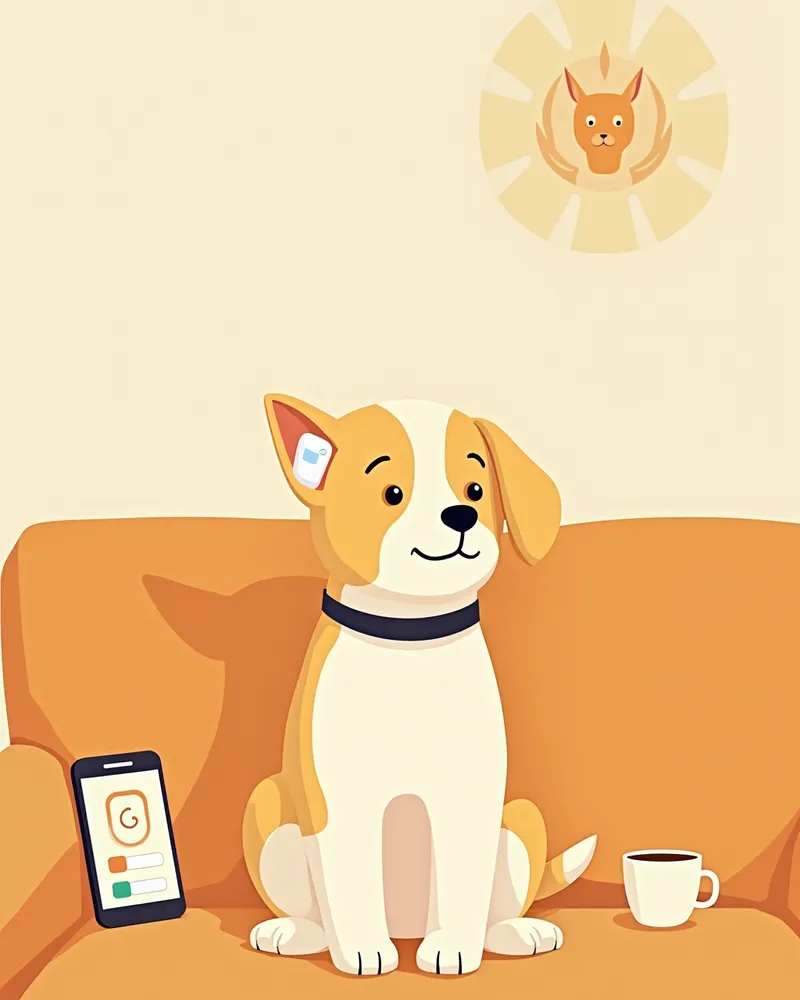
When blood sugar drops too low, your pet may become lethargic or unsteady, and in severe cases, seizures can occur. If you notice these signs of hypoglycemia, it could be an emergency, so act immediately and contact your veterinarian. Never adjust insulin doses on your own based on blood glucose readings; always consult your vet to make these decisions. Incorrect dosage adjustments can be dangerous. Home monitoring is meant to support treatment, but all medical decisions should be left to your veterinarian.
A puppy sitting while wearing a Freestyle Libre 2 sensor

Key Points for Home Blood Glucose Curve Monitoring

ItemKey Points
Measurement methodMeasure at the ear or paw pad with a veterinary meter at the intervals the veterinarian sets
Record togetherRecord insulin time and dose, and meal time and amount, along with blood sugar
Hypoglycemia cautionIf lethargy, staggering, or seizures occur, provide emergency care and go to the clinic immediately
Dose adjustmentDo not change the insulin dose arbitrarily; always do so with a veterinarian
CautionHome measurements are supplementary treatment data; consult a veterinarian for interpretation and decisions

This is not a table recommending specific products or devices, but key points to reference when managing at home. Always consult a veterinarian for interpreting measurements and treatment decisions.

Precautions: Risk of Rapid Blood Sugar Changes with Incorrect Use

Using blood glucose monitoring equipment incorrectly can lead to hyperglycemia or hypoglycemia. In particular, blood sugar levels may drop sharply after insulin administration, so never ignore the readings and administer additional medication. Work with your veterinarian to analyze the data and develop an appropriate adjustment plan.

5 Usage Tips

To effectively monitor your dog’s blood glucose curve, there are a few essential tips to follow.
Consistent measurement times: Measure at the same time every day. Maintain a consistent pattern, such as before or after meals, or after insulin administration.
Minimize your dog’s stress: Calm your dog in a quiet space before measuring.
Record data diligently: Log the results daily, like a diary. This will be helpful when sharing with your veterinarian.
Check sensor replacement timing: Accuracy may decrease if the sensor is used beyond its recommended lifespan.
Set up app alerts: Configure notifications to receive immediate alerts if abnormal values are detected.
A dog owner recording blood glucose data on a smartphone and in a notebook.

Reviewed by a veterinarian

Dr. Tony — Punnawat Phongkittirak

Dr. Tony — Punnawat Phongkittirak

Veterinarian

A veterinarian who majored in veterinary medicine at Khon Kaen University, Thailand, and completed the IVSA program at North Carolina State University in the United States. Drawing on clinical experience at animal hospitals, he works in the pet healthcare field and is dedicated to building a digital care environment that connects pet parents with veterinarians.

Frequently Asked Questions

Do I need to monitor blood glucose curves every day?
The frequency of measurements isn’t a fixed number but follows the schedule set by your veterinarian. Blood glucose curves are typically measured every one to two hours over a 12- to 24-hour period, and more frequent, detailed monitoring is especially important during the initial phase of adjusting insulin dosage. Please follow your veterinarian’s instructions carefully, avoiding any arbitrary increases or omissions in testing frequency.
What should I do if my dog removes the monitoring device?
If your dog seems uncomfortable, remove the device temporarily and consult your veterinarian. It’s important to reassess whether the device is suitable for your dog.
If blood sugar is high, should I give more insulin?
Not necessarily. Elevated blood sugar can stem from various factors, including stress, diet, or infection. Simply increasing the insulin dose can heighten the risk of hypoglycemia. Please consult your veterinarian before making any adjustments.
How is the home monitoring data shared with the veterinarian?
Share your app’s stored data via a link, or print out your diary-style records to show your veterinarian. Accurate data helps guide treatment.
Is blood glucose curve monitoring necessary even if your pet doesn’t have diabetes?
No, it’s only necessary for dogs suspected of having diabetes or those already diagnosed with the condition. It’s generally not needed for healthy dogs.

Share

Related Guides

References

[1] Wess, G. and Reusch, C. (2000). Assessment of five portable blood glucose meters for use in cats. Am. J. Vet. Res. 61 (12): 1587–1592.

[2] Walsh, E.S., Drobatz, K.J., and Hess, R.S. (2016). Use of intravenous insulin aspart for treatment of naturally occurring diabetic ketoacidosis in dogs. J. Vet. Emerg. Crit. Care 26 (1): 101–107.

[3] Macintire, D.K. (1993). Treatment of diabetic ketoacidosis in dogs. Vet. Clin. North Am. Small Anim. Pract. 23 (3): 555–570.

This information is based on veterinary literature and does not replace diagnosis or treatment. Please consult a veterinarian for specific health concerns.

Metapet Co., Ltd. | CEO: Park Sung-yong | Business Reg. No. 417-88-02562 | Seoul, South Korea | Customer Center

7 Blood Glucose Curve Monitoring Essentials for Dogs | Meongsiljang