

7 Key Management Tips for Feline Primary Hyperparathyroidism Recommended by Veterinarians — Including Hypercalcemia
Feline primary hyperparathyroidism is an endocrine disorder characterized by elevated calcium levels, making early diagnosis and proper management essential. The key is to work with your veterinarian to develop a tailored care plan.
What Is Feline Primary Hyperparathyroidism?

Selection Criteria: How to Choose Products for Management
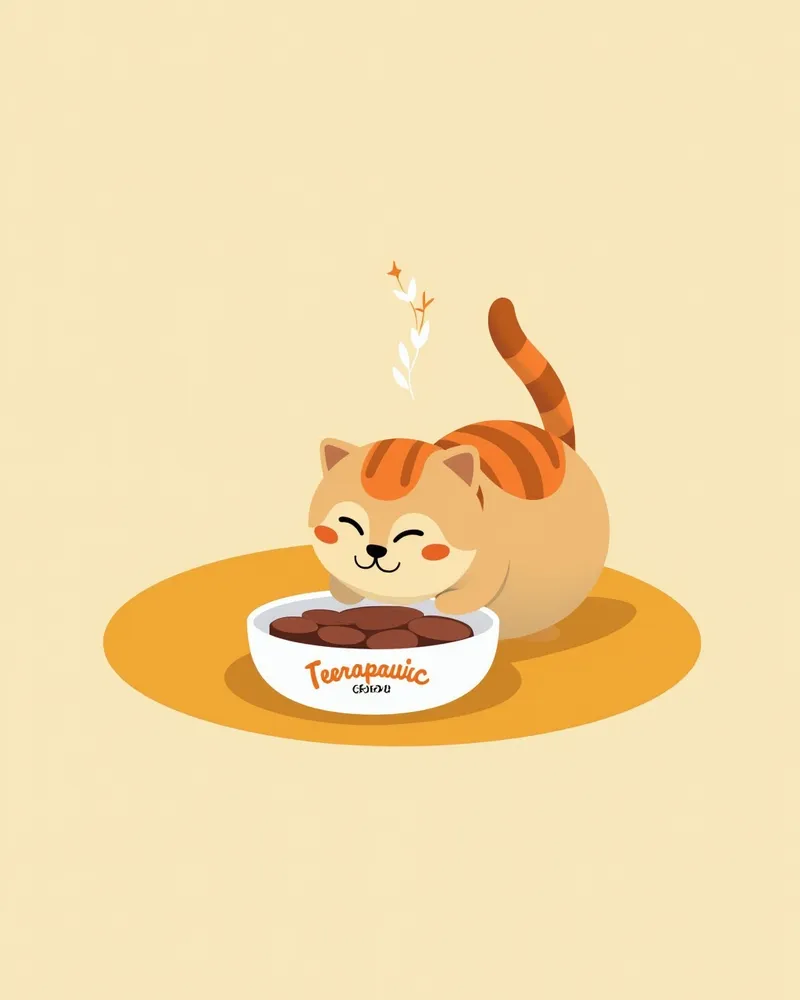
BEST 1: Prescription Diet for Calcium Control
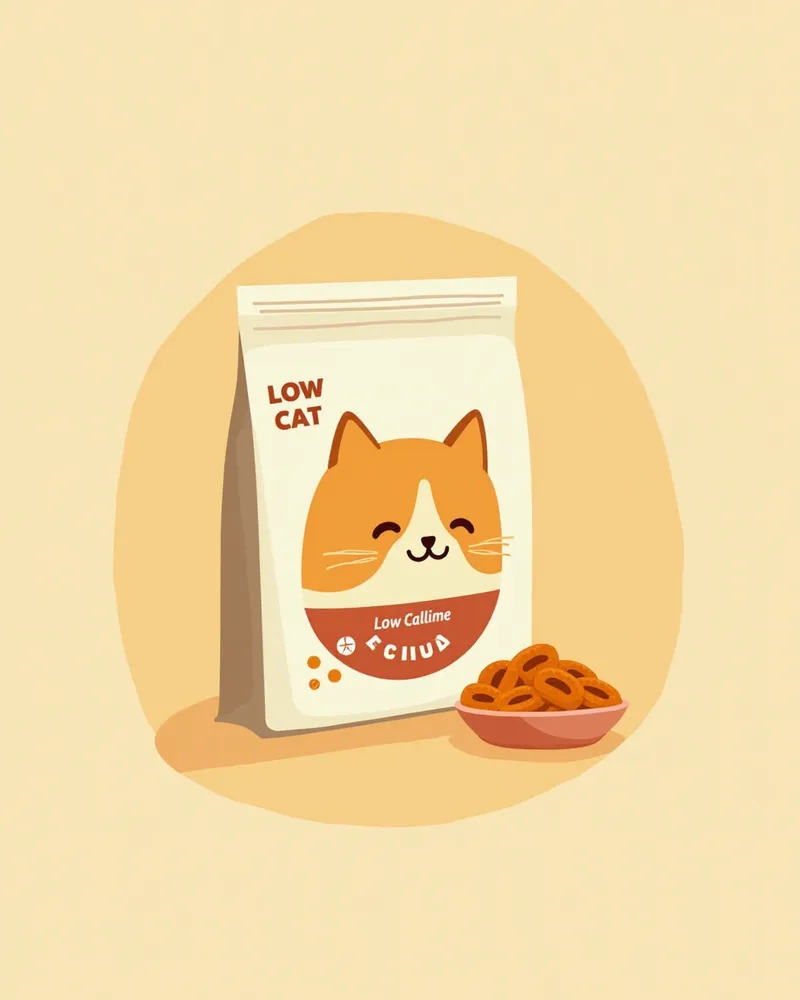
BEST 2: Calcium Absorption Inhibitor Supplement

BEST 3: Regular Check-up and Monitoring Kit

Comparison Table of BEST 1–3 Products
| Item | BEST 1 Dietary Therapy Food | BEST 2 Supplement | BEST 3 Monitoring Kit |
|---|---|---|---|
| Main Function | Low-calcium dietary control | Calcium absorption inhibition | Blood calcium level measurement |
| Usage Method | Feed as daily food | Capsule form, once a day | Easy at-home testing |
| Long-Term Use Safety | Very high | High | Very high |
| Veterinarian Recommendation | Recommended | Recommended | Recommended |
| Additional Benefit | Tasty, so eaten well | Few side effects | Real-time monitoring possible |
All products should be used after consulting a veterinarian. Combined use tailored to the treatment plan is recommended.
Precautions: Excessive Calcium Removal Is Dangerous
Lowering calcium levels too much can lead to muscle cramps or heart problems. It's important to manage calcium within the range set by your veterinarian, and avoid adjusting treatment on your own. This is especially true for senior cats, as their calcium regulation tends to be more sensitive and requires careful attention.
Usage Tips: Maximize Effectiveness with Daily Care

Reviewed by a veterinarian

Dr. Tony — Punnawat Phongkittirak
VeterinarianA veterinarian who majored in veterinary medicine at Khon Kaen University, Thailand, and completed the IVSA program at North Carolina State University in the United States. Drawing on clinical experience at animal hospitals, he works in the pet healthcare field and is dedicated to building a digital care environment that connects pet parents with veterinarians.
Reviewed 2026-06-01
Frequently Asked Questions
Is primary hyperparathyroidism in cats treatable?
Is a diet alone sufficient?
Can I measure blood calcium levels at home?
Is this condition common in cats?
What are the available medication treatments?
Share
Related Guides

Top 5 Prescription Dog Foods for Diabetes Recommended by Veterinarians — Blood Sugar-Stabilizing Food Comparison
7 Key Products for Managing Feline Hypercalcemia Recommended by Veterinarians and Selection Criteria

7 Key Points for Canine Thyroid T4 Testing by Veterinarians — From Timing to Result Interpretation

Dogs That Chew When Left Alone — 7 Management Strategies for Separation-Related Destructive Behavior and How to Choose

The Best Ways to Manage Compulsive Licking and Chewing in Dogs and How to Choose the Right Approach

The Best Evidence-Based Management Strategies for Canine Cognitive Dysfunction in Senior Dogs and Selection Criteria

Cats Who Tremble at the Vet — 7 Vet-Recommended Ways to Reduce Fear

Comprehensive Guide to Top Recommendations for Managing Feline Territorial Stress and How to Choose

Cats That Cry When Left Alone — 7 Key Strategies to Reduce Separation Anxiety
Cat Keeps Grooming and Spinning in Circles — 7 Key Strategies to Stop Repetitive Behaviors
References
[1] Peterson ME, et al. (2007) Feline Hyperparathyroidism: Clinical Features and Management. Journal of Feline Medicine and Surgery, 9(3), 187–195.
[2] Hillier, A. et al. (2010) Primary Hyperparathyroidism in Cats: A Retrospective Study of 45 Cases. Veterinary Record, 166(12), 372–376.