
7 Key Tips from Veterinarians for Managing Hormonal Changes After Cat Neutering
We provide a comprehensive guide to recommended products and selection criteria for effectively managing behavior, weight, and health issues caused by hormonal changes after cat neutering.
Managing Hormonal Changes After Cat Neutering Is Essential
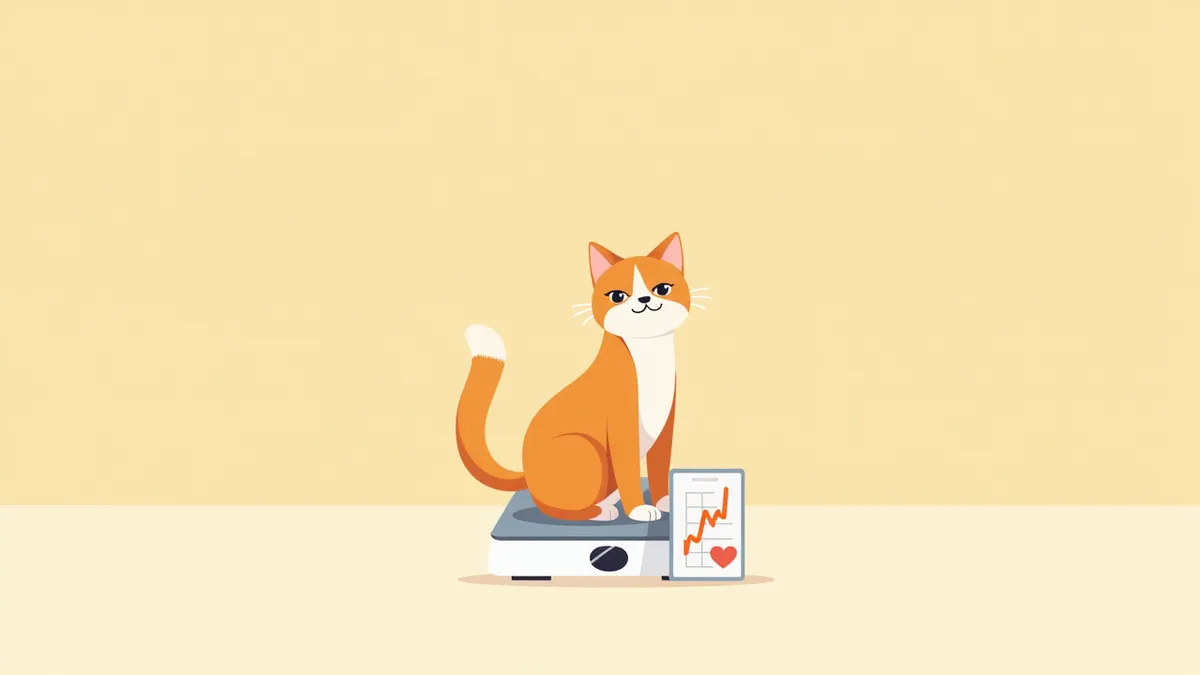
Know This: Managing Hormonal Changes After Neutering

Know This 1: What Changes Occur After Neutering?
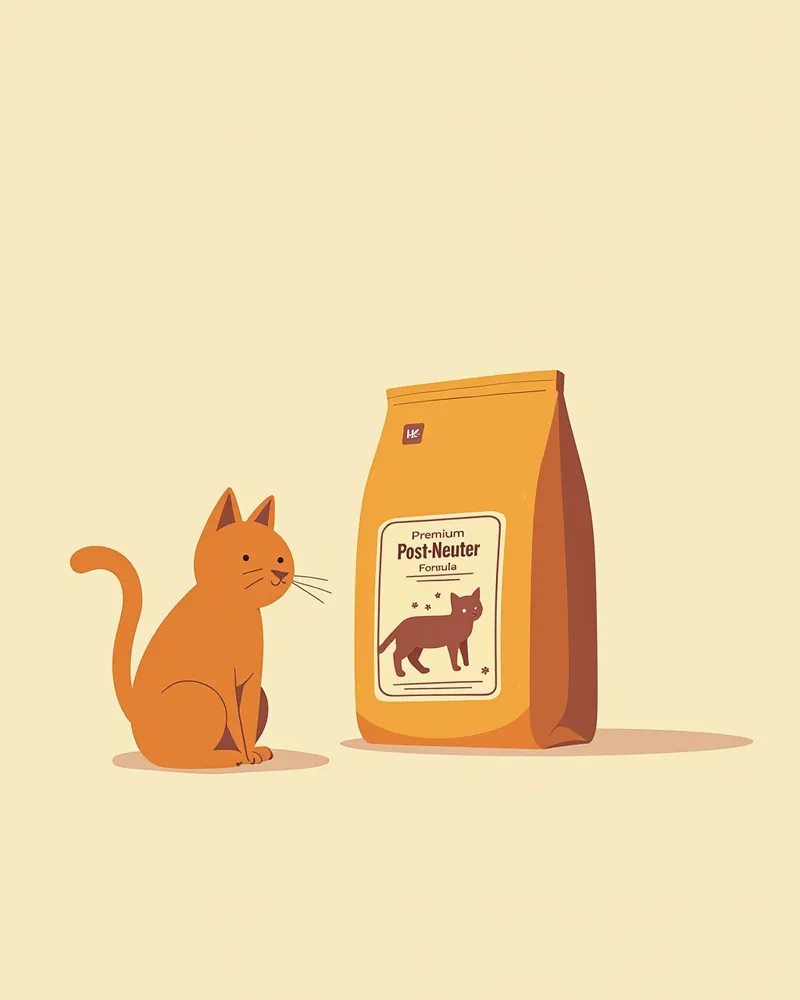
Know This 2: How to Manage Weight and Feeding

Know This 3: When to See a Veterinarian

Points to Note Regarding Hormonal Changes After Neutering
| Item | Key Points |
|---|---|
| Main Changes | Weight gain due to lowered metabolism and increased appetite, reduced estrus-related behavior |
| Weight Management | Adjust feeding amount, use management food, reduce treats, regular exercise |
| Monitoring | Periodic weight measurement and maintaining activity level |
| Warning Signs | See a veterinarian if there is rapid weight change, lethargy, or behavioral change |
| Consultation | Set appropriate weight and feeding standards in consultation with a veterinarian |
This is not a table recommending specific products or clinics, but a reference to consult when talking with your veterinarian. Treatment and testing decisions must always be made together with a veterinarian through an examination.
Caution: Excessive Feeding Leads to Weight Gain
After neutering, a cat’s metabolic rate decreases and energy expenditure drops, so maintaining the same amount of food and treats as before can easily lead to overweight. Remember that neutered cats require fewer calories than before the procedure, and always consult your veterinarian to adjust the feeding amount according to your cat’s weight. Be cautious, as overfeeding can lead to obesity.
Usage Tips: Effective Management Methods
Reviewed by a veterinarian

Dr. Tony — Punnawat Phongkittirak
VeterinarianA veterinarian who majored in veterinary medicine at Khon Kaen University, Thailand, and completed the IVSA program at North Carolina State University in the United States. Drawing on clinical experience at animal hospitals, he works in the pet healthcare field and is dedicated to building a digital care environment that connects pet parents with veterinarians.
Reviewed 2026-06-01
Frequently Asked Questions
Why do cats suddenly gain weight after being neutered?
When should I start giving my pet the supplement?
Can changing cat food cause my cat to refuse to eat?
Do probiotics help the gut?
What should I do if my pet’s weight keeps increasing?
Share
Related Guides

Top 5 Prescription Dog Foods for Diabetes Recommended by Veterinarians — Blood Sugar-Stabilizing Food Comparison
7 Key Products for Managing Feline Hypercalcemia Recommended by Veterinarians and Selection Criteria
7 Key Points for Canine Thyroid T4 Testing by Veterinarians — From Timing to Result Interpretation

Veterinarian-Recommended Top 7 for Managing Cat Pupil Abnormalities (Anisocoria) — Selection Criteria
7 Vet-Recommended Tips for Preparing for and Managing Feline Ocular Ultrasound Exams

7 Best Cat Eye Cleansers Recommended by Veterinarians — Criteria for Safe Selection

7 Essential First-Aid Products for Foreign Bodies in a Cat’s Eye Recommended by Veterinarians and Selection Criteria

Top 7 Vet-Recommended Tips for Managing Feline Lens Luxation — When to Visit the Clinic
7 Best KCS Management Products for Cats Recommended by Veterinarians — Including Selection Criteria
Veterinarian-Recommended Top 7 Cyclosporine Management Tips for Feline Dry Eye
References
[1] The Cat, Clinical Medicine and Management, 2nd Edition, 2020
[2] Handbook on Field Veterinary Surgery, Chapter 19: Ovariohysterectomy in Canines and Felines, 2018
[3] The Dog Care Handbook, Things I Wish My Vet Had Told Me, 2023