Like
Share
멍실장
고양이 여름 더위 관리·열사병 예방 관리 추천 BEST와 고르는 기준 총정리

The Ultimate Guide to Cat Summer Heat Management, Heatstroke Prevention, and Product Selection Criteria

Lifestyle & Age CareTop PicksMeongsiljang Veterinary Advisory Board

Heatstroke in cats can progress rapidly and become life-threatening, making proper care and the right product choices essential.

Why Summer Heat Management and Heatstroke Prevention Are Important for Cats
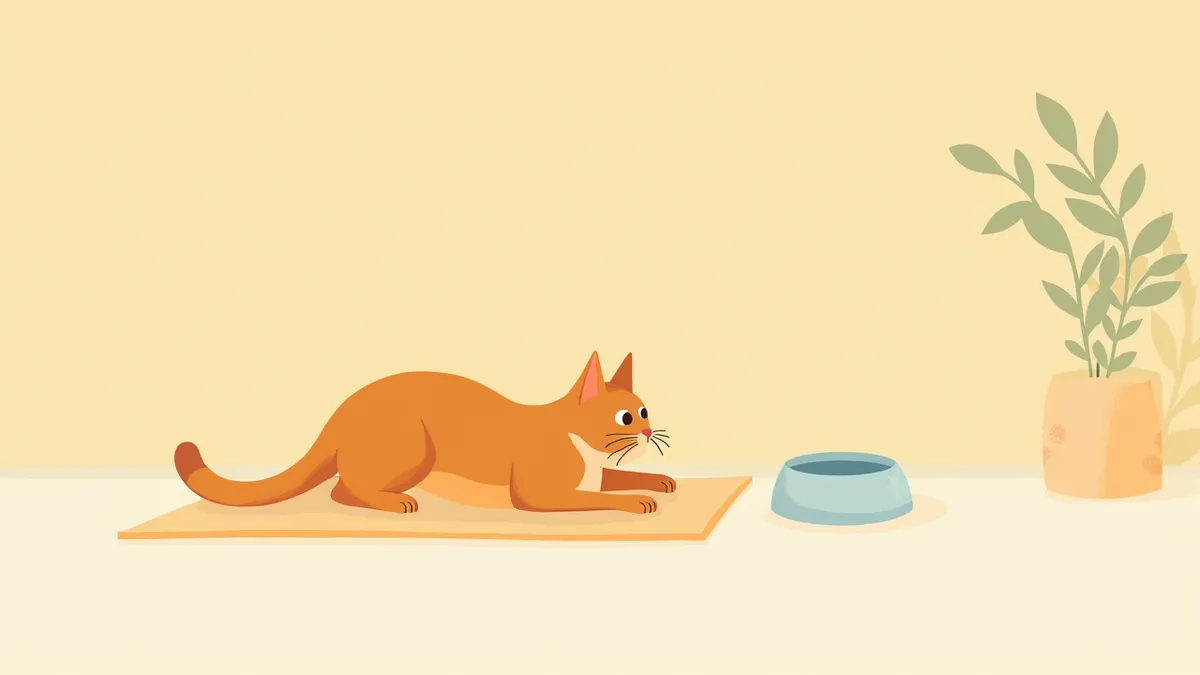
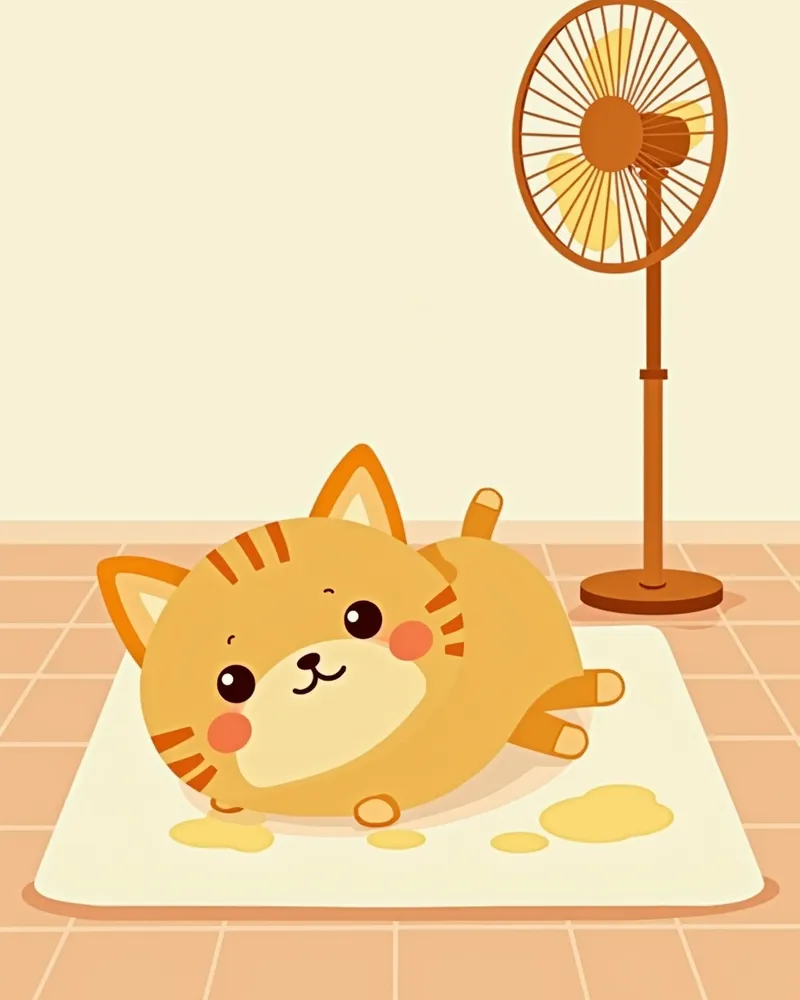
A cat lying on a cooling mat in the shade indoors.
Cats have limited ability to cool themselves through sweating, so they primarily dissipate heat through grooming and via radiation and convection. In fact, cats are generally more heat-tolerant than dogs, making environmental heatstroke relatively rare. When it’s hot, they tend to seek out the coolest spot indoors and rest quietly. However, cats trapped in confined spaces like dryers, or brachycephalic breeds with narrowed airways due to conditions such as soft palate elongation or stenotic nares, may struggle to breathe and are more vulnerable to heat stress. - Heatstroke: If body temperature rises significantly above the normal range (approximately 38–39°C), it can lead to organ damage, so prompt action is essential. - Indoor environment management: Keep indoor temperatures cool during the day and ensure good ventilation. - Water supply: Provide fresh water in multiple locations so your cat can drink frequently. - Shade provision: Ensure access to shaded areas out of direct sunlight, allowing your cat to find and rest in a cool spot on its own.

Criteria for Choosing Cat Summer Heat-Relief Products
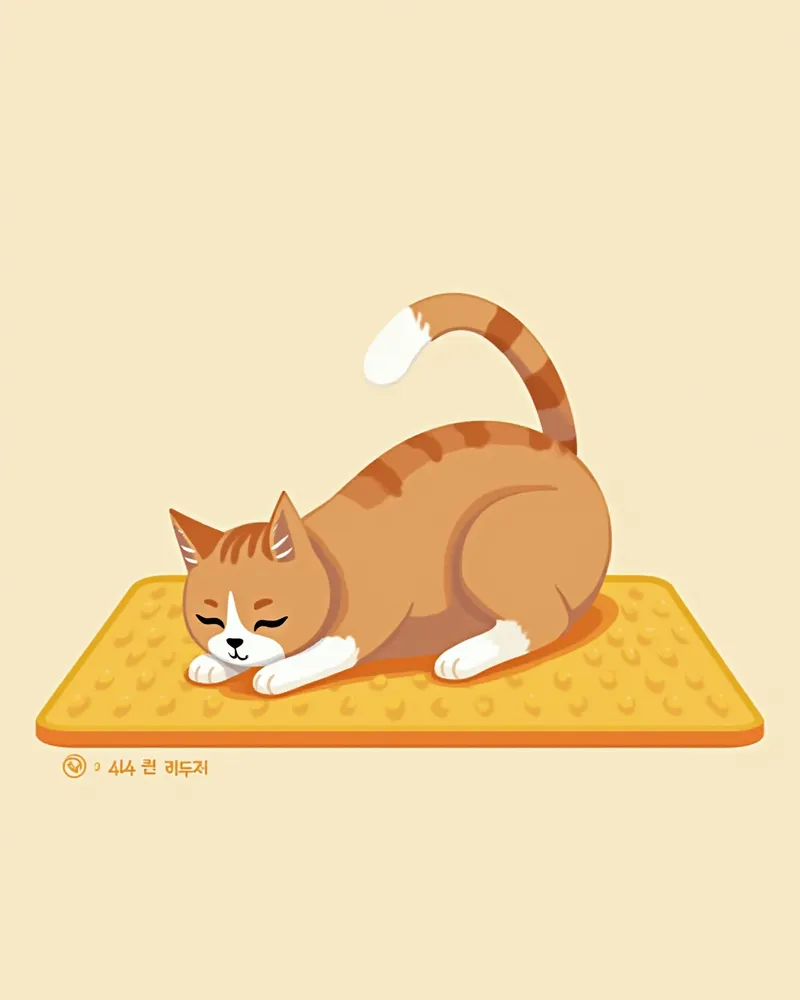
When choosing a summer heat-relief product for your cat, safety and hygiene should be your top priorities. - Power-free design: Since no electricity is required, it’s safer and helps reduce your energy bills. - Easy to clean: The product should be easy to wash quickly if it gets wet or soiled. - Cat-friendly design: Look for soft, non-slip materials that allow your cat to use the product naturally and comfortably. - Long-lasting cooling effect: Choose a product that maintains a cool temperature over an extended period, rather than just providing short-term relief. - Size and versatility: The product should be appropriately sized for your cat’s living space, and it’s even better if it can be used both indoors and outdoors.
A cat naturally using a cooling mat that doesn’t require electricity.

BEST 1: Power-Free Cooling Mat (Cooling Pad)
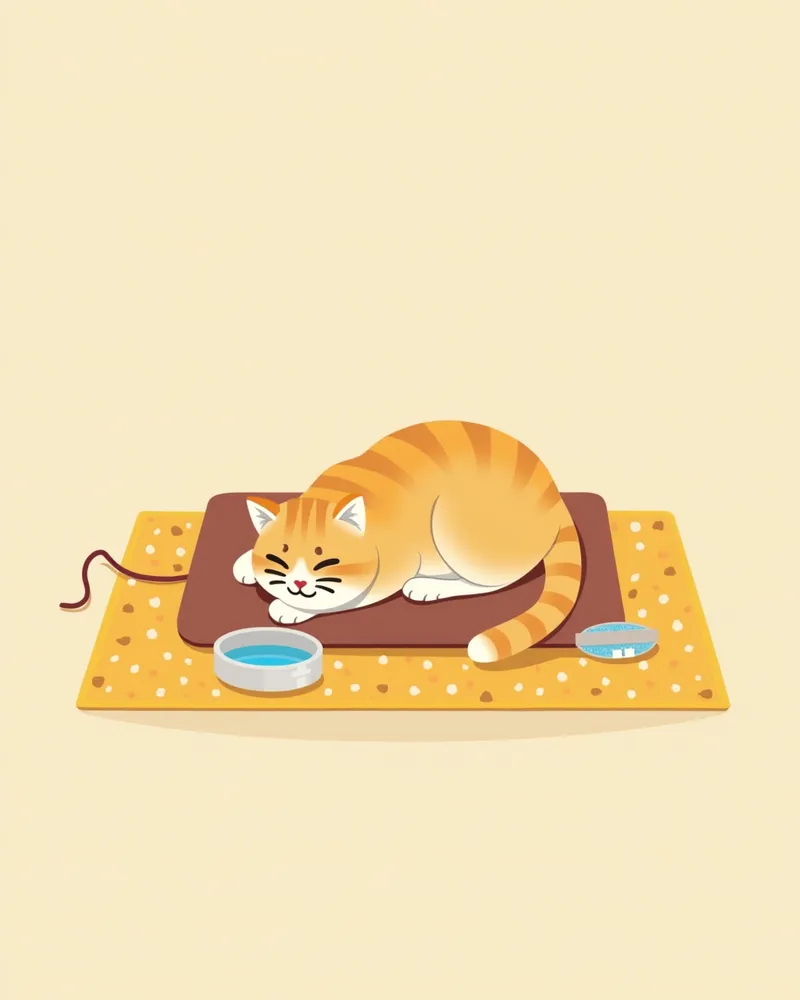
A no-power cooling mat provides a cooling effect once filled with water, helping your cat rest comfortably in a stable environment. - Sustained Cooling: Once filled with water, the mat maintains its cooling effect for a set period. - Hygienic Design: The material resists water absorption and dries quickly after washing, making it easy to keep clean. - Safe Materials: Made from non-toxic materials that are safe even if your cat drinks from or licks the mat. - Spacious Surface: Offers ample space for your cat to lie down and roll around comfortably. - Variety of Sizes: Available in multiple sizes to suit cats of all breeds, from small to large.
A cat resting comfortably on a no-power cooling mat.

BEST 2: Wet Cooling Towel

A wet cooling towel can be used after being dampened with water, helping your cat feel cool quickly. - Instant Cooling: Can be used immediately after wetting, providing a cooling effect for a certain period. - High Portability: Easy to fold and store, making it convenient for travel. - Easy to Clean: After use, simply remove excess water and wash with detergent to reuse. - Cat-Friendly: Cats can naturally lie or roll on the towel for comfort. - Versatile Use: Suitable for indoor cooling, outdoor activities, and during travel.
A cat lying on a cooling towel dampened with water.

BEST 3: Cooling Carrier or Cooling Cage
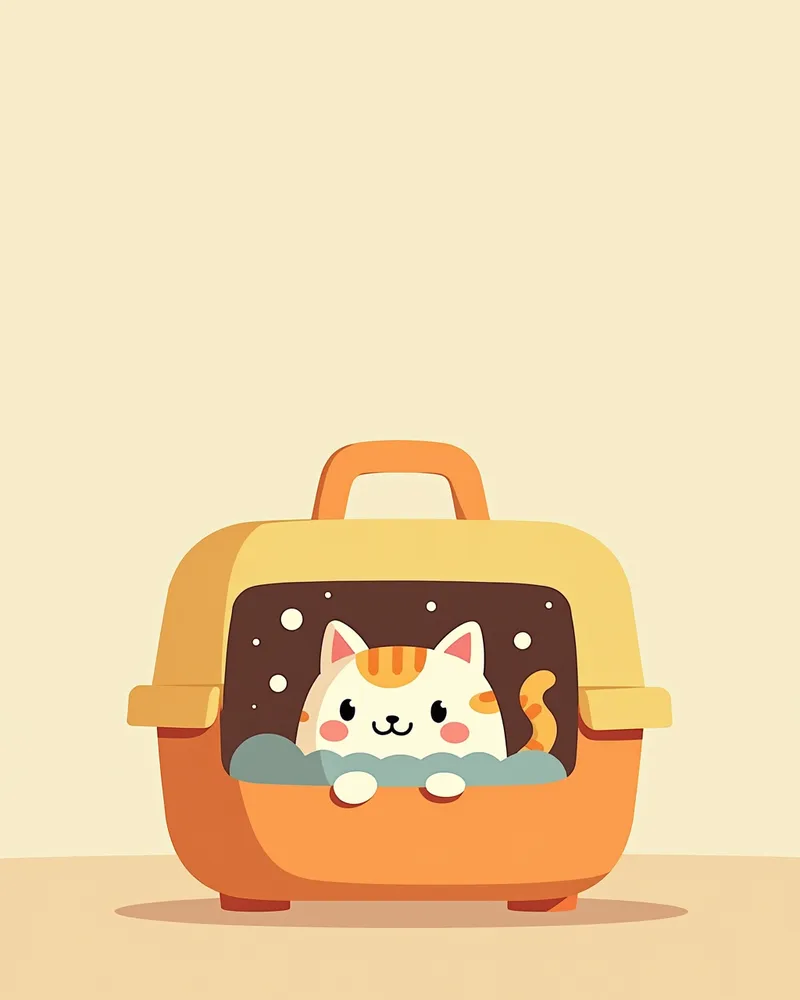
A cooling carrier helps your cat rest in a stable, comfortable environment while traveling. - Built-in cooling pad: Provides a cooling effect without needing electricity. - Travel-friendly design: Equipped with handles and wheels for easy transport, and designed to help your cat feel secure. - Spacious interior: Offers ample room for your cat to lie down comfortably. - Ventilated design: Includes ventilation openings to prevent moisture buildup inside. - Versatile use: Can also serve as a resting area indoors and is easy to store.
A cat lying comfortably inside a cooling carrier

Comparison Table of BEST 1–3 Products

ItemCooling methodUses electricityEase of cleaningRecommended breeds
Power-free cooling matPhysical coolingNoVery easyAll breeds
Water-dampened cooling towelMoisture coolingNoEasyAll breeds
Cooling carrierBuilt-in cooling padNoModerateCats on the move

All products can be used without electricity and are designed with the cat's safety and hygiene in mind.

Caution: Respond Quickly to Early Signs of Cat Heatstroke

If your cat is breathing rapidly, panting with its mouth open in an uncontrolled manner, appearing lethargic and limp, showing signs of anxiety, or collapsing, immediate veterinary care is necessary. If their body temperature significantly exceeds the normal range (approximately 38–39°C), it can pose a life-threatening risk. In such cases, take immediate cooling measures, such as dampening their body with lukewarm water, and consult your veterinarian right away.

Tips for Managing Cat Summer Heat
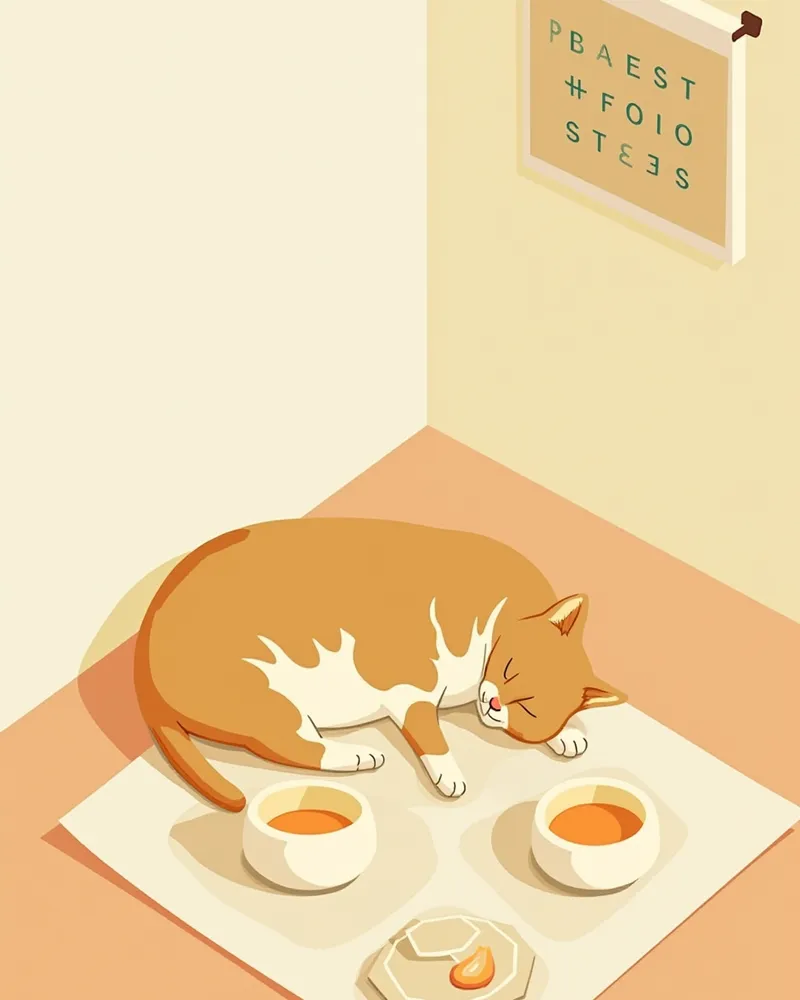
Managing your cat’s comfort during the summer heat relies on establishing consistent daily habits. - Control indoor temperature: Keep the home cool to prevent overheating, and use air conditioning or fans as needed. - Ensure proper ventilation: Open windows to promote air circulation throughout the house. - Increase water availability: Place multiple water bowls around the home and refresh the water frequently. - Provide shaded areas: Create cool, shaded spaces out of direct sunlight, allowing your cat free access to move between them. Cats instinctively seek out the coolest spots in the house, so avoid blocking their access to these areas. - Limit outdoor exposure: Avoid going outside during the hottest parts of the day and keep your cat safely indoors.
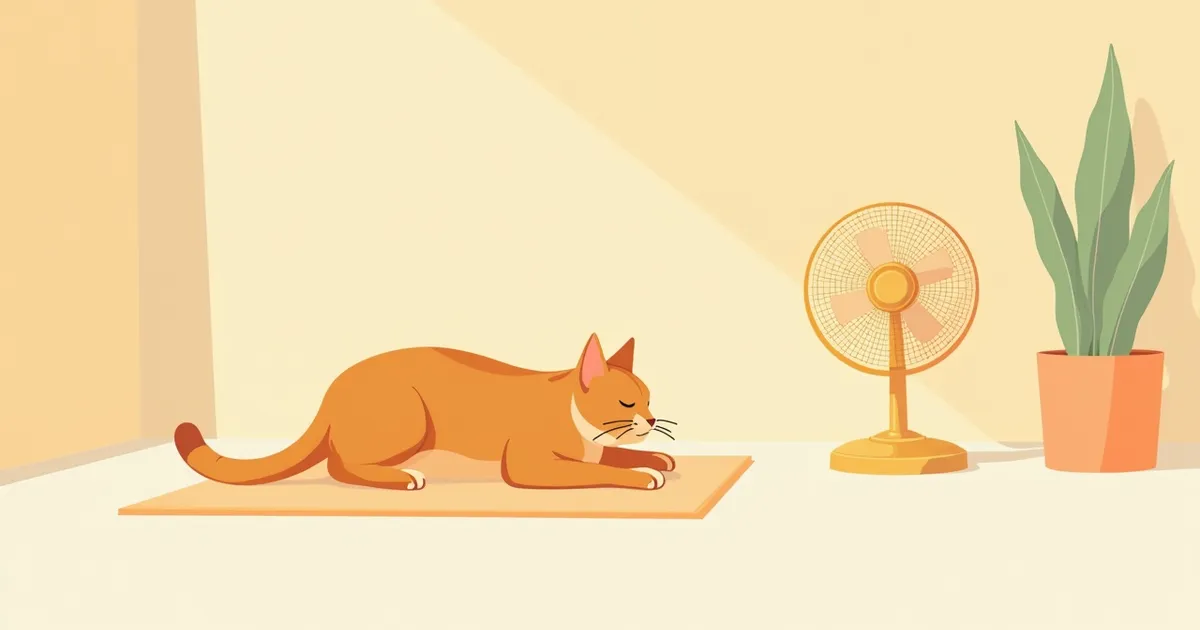
A cat resting comfortably in a shaded area, using a water bowl and a cooling mat.

Reviewed by a veterinarian

Dr. Tony — Punnawat Phongkittirak

Dr. Tony — Punnawat Phongkittirak

Veterinarian

A veterinarian who majored in veterinary medicine at Khon Kaen University, Thailand, and completed the IVSA program at North Carolina State University in the United States. Drawing on clinical experience at animal hospitals, he works in the pet healthcare field and is dedicated to building a digital care environment that connects pet parents with veterinarians.

Frequently Asked Questions

Why are cats particularly vulnerable to heat?
Cats have limited sweat glands, so they primarily dissipate heat through grooming and via radiation and convection. While they are generally more heat-tolerant than dogs, brachycephalic breeds with narrowed airways—such as those with elongated soft palates or stenotic nares—may struggle to breathe and are therefore more vulnerable to heat stress.
Is it safe to use a cooling mat every day?
Yes, the non-electric cooling mat is safe for daily use. Just make sure to remove any moisture and let it dry thoroughly, and it will last a long time.
What should I do if my cat dislikes cooling towels?
Place the towel in a spot your cat is likely to enjoy, and let them get used to it gradually. Start with short sessions at first, and observe their reaction.
Where can I purchase a cooling carrier?
You can find a variety of cooling carriers for large pets at specialty pet stores or online marketplaces. It’s a good idea to check product reviews before making a purchase.
What can you do at home if your cat has heatstroke?
First, take steps to cool your pet down. Wrapping them in a towel dampened with lukewarm water, or lightly wetting their body with lukewarm water and using a fan to circulate air, can help. Applying ice packs to areas where major blood vessels run, such as the neck and armpits, is also an option. However, the most important thing is to visit a veterinary clinic immediately.

Share

Related Guides

References

[1] Small Animal Critical Care Medicine, 3rd Ed, Kenneth J. Drobatz, 2023

[2] The Dog Care Handbook, Things I Wish My Vet Had Told Me, 2022

[3] Blackwell's Five-Minute Veterinary Consult Clinical Companion, Small Animal Toxicology, 3rd Edition, 2021

This information is based on veterinary literature and does not replace diagnosis or treatment. Please consult a veterinarian for specific health concerns.

Metapet Co., Ltd. | CEO: Park Sung-yong | Business Reg. No. 417-88-02562 | Seoul, South Korea | Customer Center

Best Tips for Managing Cat Heat and Preventing Heatstroke in Summer | Meongsiljang