Like
Share
멍실장
고양이 아이 출생 후 반려동물 행동 변화 관리 추천 BEST와 고르는 기준 총정리

7 Best Care Products for Cats Becoming Sensitive After a Baby Is Born — Selection Criteria

Brain & CognitionTop PicksMeongsiljang Veterinary Advisory Board

If your cat starts hiding or acting aggressively after a baby is born, it’s likely a stress response. We’ve outlined the best step-by-step management strategies you can implement right away, including environmental adjustments, pheromone diffusers, and scent introduction.

Why Your Cat Changes After a Baby Is Born
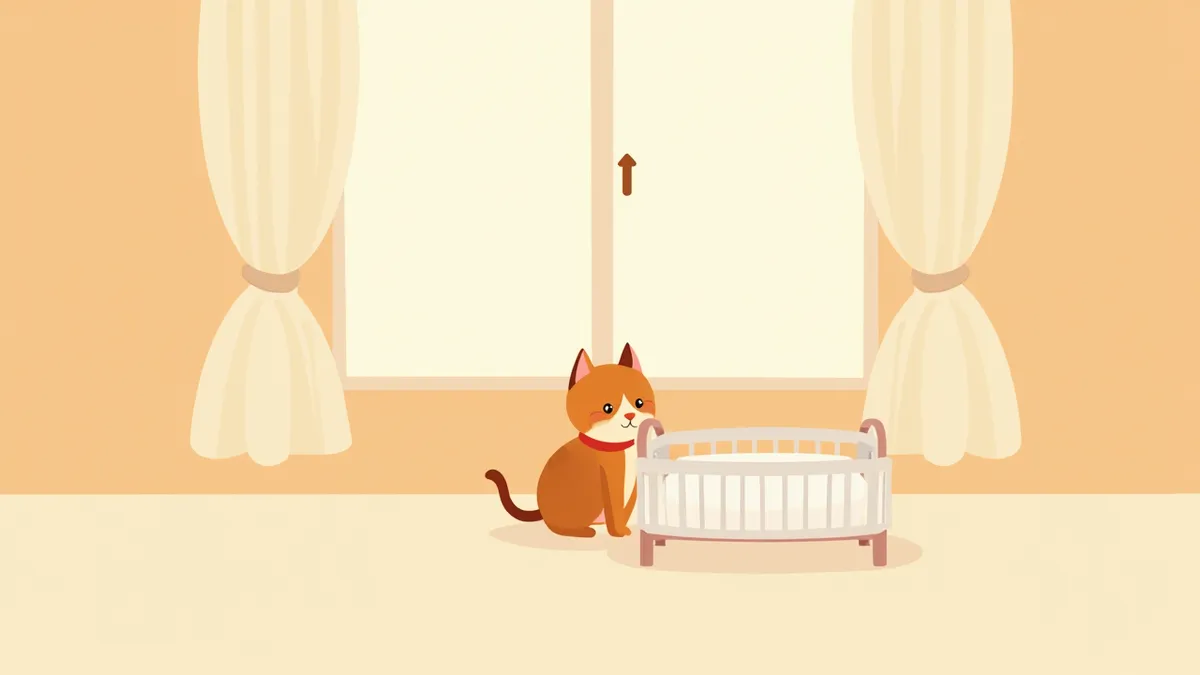
A cat cautiously observing from beside the baby’s crib
Changes in your cat’s behavior are a stress response as they adapt to the new smells, sounds, and routine shifts that come with a newborn in the home. The most important thing to understand is that these changes stem from anxiety, not a “bad temperament.” When the baby’s cries, unfamiliar scents from vet visits, and changes in the caregiver’s daily pattern all hit at once, your cat’s sense of territory is disrupted, and they may feel they’ve lost their sense of safety. In most cases, cats regain their calm within a few weeks through environmental adjustments and gradual introductions.

6 Common Cat Behavior Changes After Birth
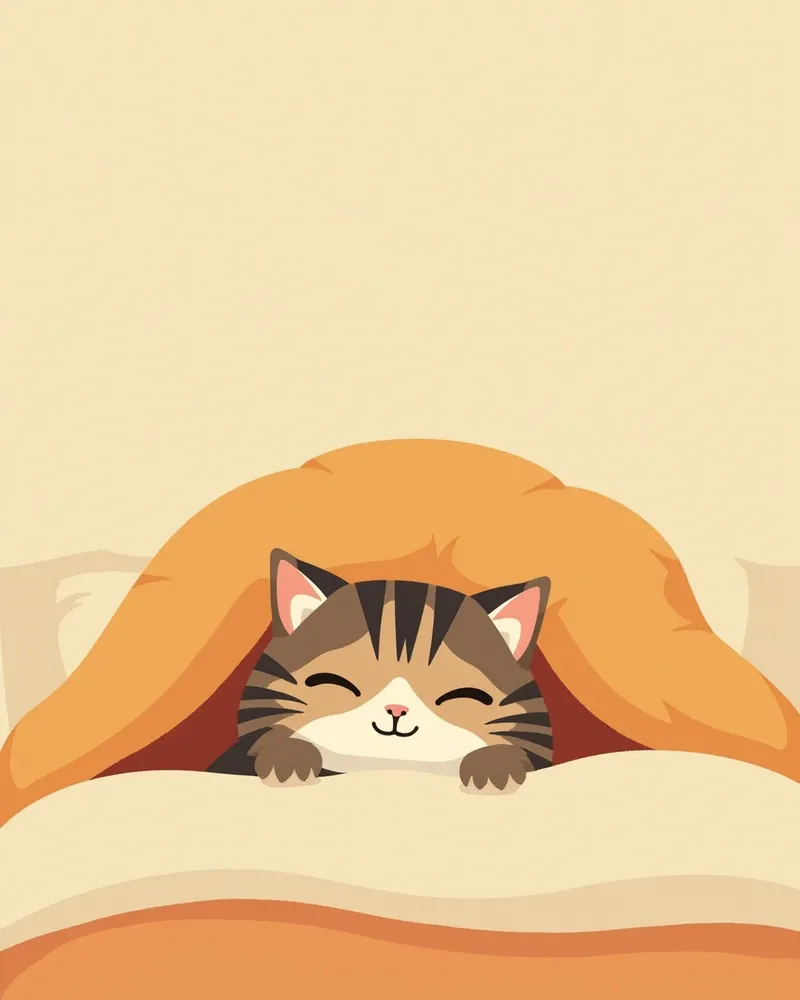
Hiding or Avoidance: If your cat suddenly starts hiding in places they normally use, it’s the first sign of stress.
Excessive Vocalization: Increased meowing, especially at night, is a signal of anxiety and a desire for attention.
Spray Marking: Even neutered cats may spray urine when stressed.
Increased Aggression: Your cat may suddenly bite or scratch you.
Overgrooming: If your cat licks their belly or sides to the point of hair loss, it’s a sign of anxiety.
Decreased Appetite: If your cat’s food intake decreases for more than three days, we recommend consulting a veterinarian.
A stressed cat hiding under the bed

See a Vet Immediately If You Notice These Behaviors

If your cat adopts an aggressive posture toward the baby, hides for more than five days without eating or sleeping, or shows physical symptoms such as blood in the urine or vomiting, severe stress or an underlying medical condition may be the cause. A physical examination should always come before any behavioral modification.

BEST 1. Environmental Separation by Designing the Baby’s Space in Advance

Starting 2 to 4 weeks before the baby’s arrival, gradually practice closing the baby’s bedroom door so your cat can slowly adjust to the new layout. Introducing your cat to the scent of the crib and baby items beforehand can also help reduce stress on the day the baby arrives. It’s important not to suddenly relocate your cat’s essential areas—such as the litter box, food and water bowls, and hiding spots—due to the baby’s room setup. Installing a baby gate at the entrance to the nursery allows your cat to recognize the boundary while still feeling visually connected to the family.

BEST 2. How to Introduce Scents Gradually
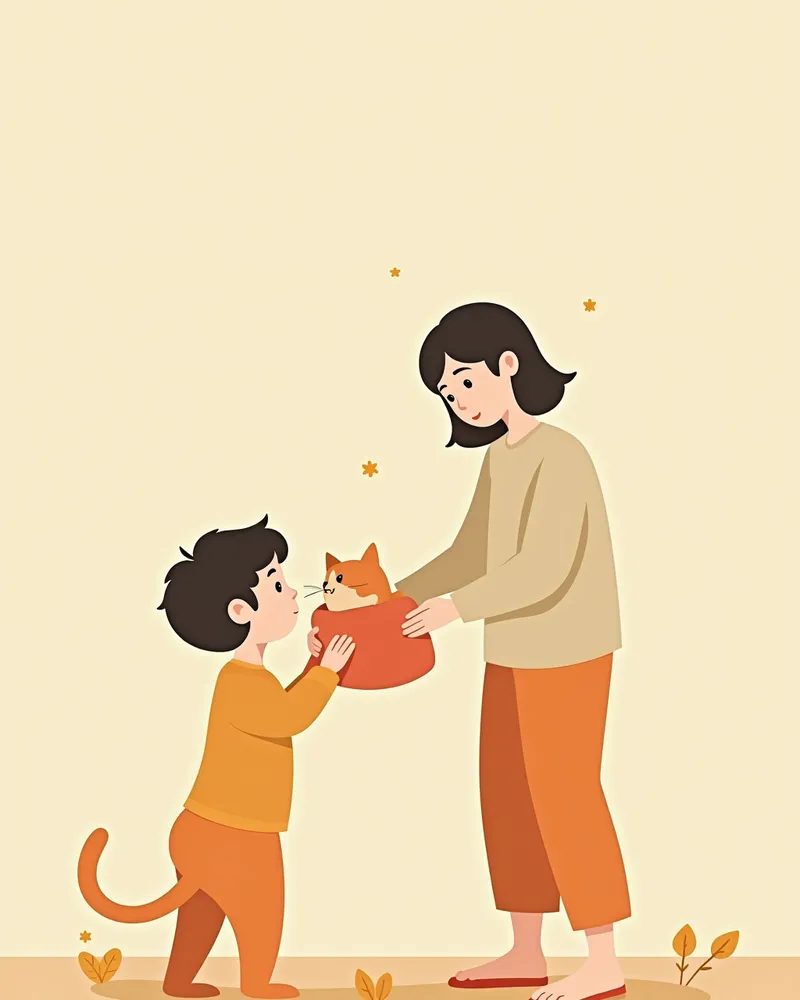
Cats perceive the world primarily through their sense of smell rather than sight. Before bringing your baby home, introduce items such as a baby blanket or clothing that have been used in the hospital to allow your cat to become familiar with the scent. This helps signal that the new smell is not a threat. Provide 1–2 days for your cat to explore the baby’s scent before introducing them directly. The key is to immediately reward your cat with a treat when they sniff the item and calmly walk away, creating a positive association. If your cat appears fearful or avoids the scent, gradually decrease the distance from a farther point at a slow pace.
A cat cautiously sniffing the scent of a baby blanket

BEST 3. How to Use Cat Calming Pheromone Diffusers

Pheromone diffusers release synthetic analogs of F3 facial pheromones—such as those in Feliway Classic—into the air. These pheromones are naturally deposited by cats through cheek rubbing when they feel secure. Textbook evidence suggests that synthetic F3 pheromones help cats adapt to unfamiliar environments, reduce urine marking and stress signals, and ease tension in new settings like veterinary clinics. Therefore, plugging the diffuser into the living room and along your cat’s main pathways two weeks before a baby’s arrival can help minimize anxiety triggered by environmental changes. However, since the time it takes for effects to become noticeable varies by individual, it’s best to start early and use the product consistently. Avoid placing it near food and water bowls or in poorly ventilated areas. If your cat is already experiencing significant stress, don’t rely solely on the diffuser; consult your veterinarian to discuss additional management strategies for a safer, more comprehensive approach.

BEST 4. Securing Cat-Only Hiding Spots and Vertical Spaces
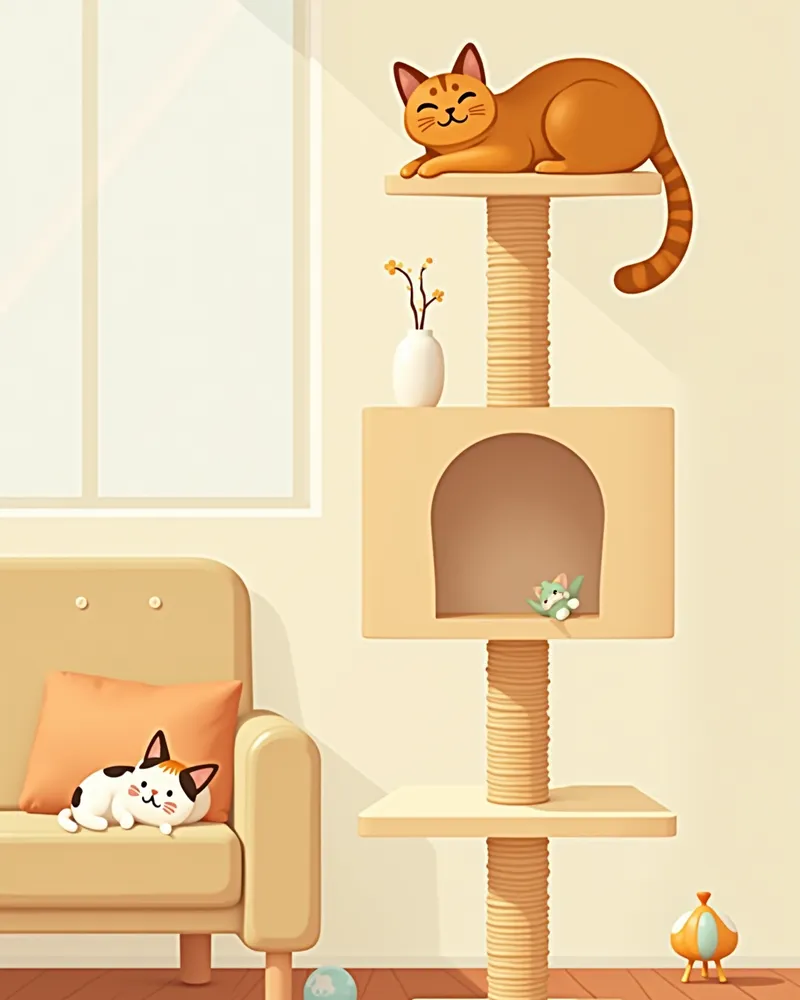
Stressed cats feel safer in high or confined spaces. Providing more vertical areas, such as cat trees, shelves, and hammocks, allows them to keep their distance from the baby while still staying within the family space. The key is to place hiding spots out of the baby’s reach. Avoid forcing the cat out or pressuring it to play, as this can slow its recovery. The most effective approach is to patiently wait for the cat to come out on its own.
A cat resting safely on a cat tower

BEST 5. How to Maintain Your Cat’s Routine During Newborn Feeding Times

When a new baby arrives, your daily routine changes completely, and your cat may interpret this shift as a sign that they are being abandoned. Establishing fixed times for feeding and play—even just 10 minutes a day—creates a predictable environment that helps reduce their anxiety. Offering treats or gentle pets while you’re feeding the newborn helps your cat form a positive association, linking the baby with good things. If you have help, make sure to assign someone specific responsibility for your cat’s care.

Comparison of Effectiveness, Difficulty, and Cost by Management Method

ItemEffectivenessDifficultyCost
Separate-environment design★★★EasyFree
Gradual scent introduction★★★EasyFree
Pheromone diffuser★★☆Easy$10 to $20/month
Providing vertical space★★★Moderate$20 to $100
Maintaining routine★★★DifficultFree
Veterinary behavior consultation★★★Difficult$40 to $100

The effectiveness ratings are a relative comparison based on general recommendations in veterinary behavior science, and actual effectiveness may vary by cat and situation.

For Multi-Cat Households, Also Check for Conflict Between Cats

Sometimes cats may suddenly start fighting after a newborn is born. When stressed, a cat’s tolerance for aggression decreases, and it may redirect its aggressive behavior toward another cat it usually gets along with. This is known as redirected aggression. The conflict can worsen if the returning cat carries unfamiliar scents, such as those from the veterinary clinic, causing the other cat to perceive it as an intruder. To help ease the transition, keep the owner and the newborn’s belongings in a separate room for about a day, allowing the resident cat to gradually become accustomed to the new scents.

Reviewed by a veterinarian

Dr. Tony — Punnawat Phongkittirak

Dr. Tony — Punnawat Phongkittirak

Veterinarian

A veterinarian who majored in veterinary medicine at Khon Kaen University, Thailand, and completed the IVSA program at North Carolina State University in the United States. Drawing on clinical experience at animal hospitals, he works in the pet healthcare field and is dedicated to building a digital care environment that connects pet parents with veterinarians.

Frequently Asked Questions

Is it okay for my cat to enter the baby’s room?
It’s best not to leave a cat alone with a sleeping baby, as there have been rare cases where a cat has sat on a baby and obstructed their breathing. However, it’s fine to let the cat explore naturally during the day when a caregiver is present.
My cat scratched or bit my baby. What should I do?
Immediately separate the cat and check the baby’s skin. Scratches or bite wounds carry a risk of bacterial infection, so please consult a pediatrician first. If the cat’s aggressive behavior persists, seek advice from a veterinary behavior specialist.
How quickly do pheromone diffusers start to work?
The time it takes for you to notice an effect varies from cat to cat, so it’s hard to pinpoint an exact timeframe. While synthetic F3 pheromones are reported to help cats adjust to unfamiliar environments and reduce stress, consistent use is more important than expecting immediate results. It’s best to start at least two weeks before the anticipated stressful event to allow ample time for the product to take effect. If your cat is already showing severe signs of stress, please consult your veterinarian to discuss additional options such as behavior modification or medication.
When is it safe to introduce my baby to my cat for the first time?
After introducing their scents, it’s best to let the cat approach voluntarily while you’re holding the baby, once the cat is calm. Forcing proximity or restraining the cat can create negative associations.
What should I do if my pet’s behavioral changes persist for more than six months?
If anxiety or aggression persists for more than six months, it can develop into chronic stress. It’s a good idea to consult a veterinary behaviorist to explore a combination of medication and systematic desensitization training.

Share

Related Guides

References

[1] Ahola MK, Vapalahti K, Lohi H. Early weaning increases aggression and stereotypic behaviour in cats. Sci Rep. 2017;7:10412.

[2] Overall KL, Rodan I, Beaver BV, et al. Feline behavior guidelines from the American Association of Feline Practitioners. J Am Vet Med Assoc. 2005;227(1):70-84.

[3] Levine E, Perry P, Scarlett J, Houpt KA. Intercat aggression in households following the introduction of a new cat. Appl Anim Behav Sci. 2005;90(3-4):325-336.

[4] Heath S. Feline behavioral health — management of behavior problems in companion animals. In: Rodan I, Heath S (eds). Feline Behavioral Health and Welfare. Elsevier, 2016.

This information is based on veterinary literature and does not replace diagnosis or treatment. Please consult a veterinarian for specific health concerns.

Metapet Co., Ltd. | CEO: Park Sung-yong | Business Reg. No. 417-88-02562 | Seoul, South Korea | Customer Center

7 Best Care Products for Cats Stressed by a New Baby | Meongsiljang