Like
Share
멍실장
고양이 스피로노락톤 심장 관리 추천 BEST와 고르는 기준 총정리

Veterinarian-Recommended Top 5 Spironolactone Management Strategies for Cats and Selection Criteria

HeartTop PicksMeongsiljang Veterinary Advisory Board

Feline spironolactone-related heart conditions can lead to decreased cardiac function, making proper management and treatment essential. It is important to choose effective products and care strategies under the guidance of a veterinarian.

What Is Feline Spironolactone for Heart Disease?
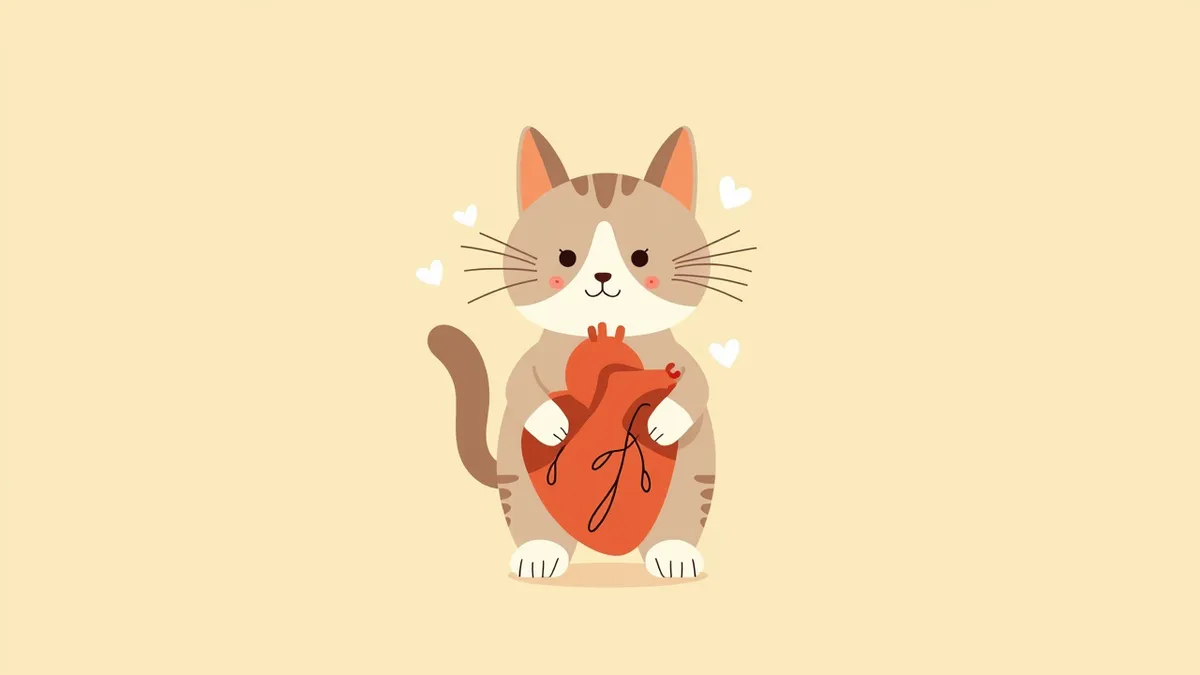
An anatomical diagram of a cat's heart, with major structures labeled
Spironolactone is not a disease itself, but a potassium-sparing diuretic (aldosterone antagonist) that inhibits the action of aldosterone. In feline heart disease, it is not used as a standalone treatment, but rather as an adjunctive therapy added to existing cardiac treatments such as diuretics and ACE inhibitors [E8][E11][E19]. The medication reduces sodium-potassium exchange caused by aldosterone, thereby increasing sodium excretion and reducing potassium loss, and is most effective when aldosterone levels are elevated [E14]. For reference, most cases of feline cardiomyopathy present as diastolic heart failure [E11]. However, since long-term benefits in feline heart failure have not yet been sufficiently proven [E3][E9][E16], it must be used under the precise diagnosis, prescription, and continuous monitoring of a veterinarian to ensure safe and effective management. Given the need for a long-term treatment plan, consistent owner attention and regular check-ups are essential.

5 Selection Criteria

When choosing a spironolactone-based heart care product for your cat, be sure to check the following criteria. Each factor directly impacts the medication’s safety and ease of administration.
Ingredient Purity: The more stable the purity of the spironolactone raw material, the more consistent therapeutic effect you can expect.
Ease of Administration: The product should come in a form that is easy for cats to take, such as capsules or liquid.
Renal and Potassium Safety: Spironolactone is restricted for use in cats with impaired kidney function and carries a risk of hyperkalemia [E1][E13]. Therefore, you must be able to regularly monitor kidney values and blood potassium levels.
Veterinary Prescription Requirement: Spironolactone is a prescription-only medication, so it must be used only after diagnosis and prescription by a veterinarian [E6].
Manufacturer Reliability: Choose products from reputable manufacturers that have received quality certifications.
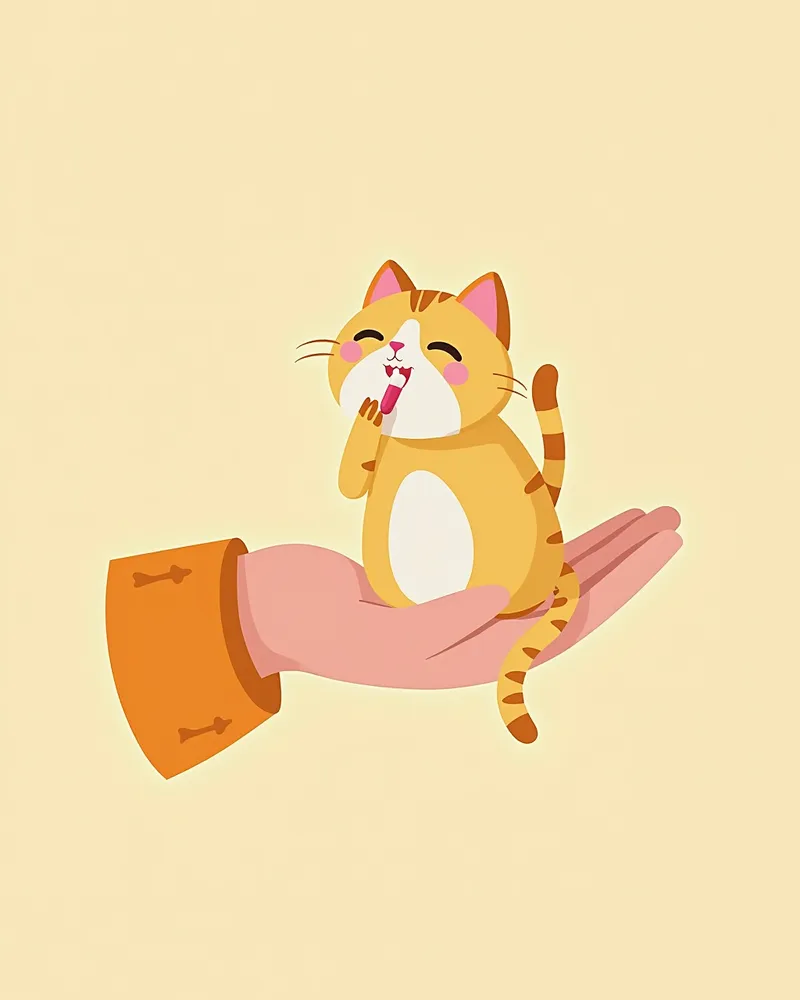
A cat taking medicine from your hand, in a calm and peaceful atmosphere.

BEST 1: Spironolactone Capsule Premium
The spironolactone used in this product is a potassium-sparing diuretic belonging to the aldosterone antagonist class, prescribed as an adjunct to standard heart disease treatment. - Spironolactone purity: Higher and more stable raw material purity ensures consistent therapeutic efficacy. - Capsule size and texture: The small, soft capsules are easy for cats to swallow, improving compliance with medication. - Precautions for long-term use: Spironolactone is restricted in cats with impaired kidney function or hyperkalemia [E1]. When used in combination with ACE inhibitors and other medications, the risk of hyperkalemia may increase [E13], making regular monitoring of kidney function and potassium levels essential. - Administration: Typically administered every 12 hours with food [E1][E6]. Always follow your veterinarian’s instructions for the correct dosage and administration method. - Cardiac supportive effects: While spironolactone supports heart treatment by reducing aldosterone activity, long-term benefits in cats with heart failure have not yet been definitively proven [E3][E9][E16].
A bottle of spironolactone capsules with a cat-shaped label

BEST 2: Spironolactone Liquid Administration Product
Although this product is marketed as spironolactone combined with several additional ingredients, spironolactone is the only component with evidence-based cardiac benefits. The heart-related effects of the other ingredients are not supported by the referenced veterinary textbooks, so they should be viewed as supplementary information only. - Spironolactone: An aldosterone antagonist that aids heart treatment by increasing sodium excretion and reducing potassium loss [E14]. However, long-term benefits in cats have not been established [E9][E16]. - Omega-3 fatty acids: A commonly used supplement, but the provided evidence does not confirm cardiac or vascular benefits in cats. - Vitamin E: Marketed as an antioxidant supplement, but there is no evidence to support its protective effect on heart cells. - Glucosamine: Known as a joint supplement, but there is no evidence linking it directly to heart disease. While combining multiple ingredients offers convenience, actual therapeutic efficacy depends on a veterinarian’s prescription, which includes spironolactone. Always consult your veterinarian for an examination before starting this medication.
Administering liquid spironolactone medication to a cat

BEST 3: Spironolactone Combination Product (Heart Health Care Package)
This is a combination product that adds several auxiliary ingredients to spironolactone. However, spironolactone is the only component with evidence supporting its cardiac effects, and the only documented combination formulation is the spironolactone/benazepril combination (Cardalis) [E6]. - Spironolactone dosage: The typical feline dose is 1–2 mg/kg administered every 12 hours, with the exact dosage adjusted by your veterinarian [E8][E15]. - Glucosamine inclusion: While known as a joint-support ingredient, there is no evidence that it improves heart disease. - Omega-3 fatty acids: Although included as an auxiliary ingredient, the provided evidence does not confirm any cardioprotective effects. - Vitamin E supplementation: Marketed as an antioxidant aid, but its cardiac effects are not supported by evidence. - Convenience of administration: While convenient for administering multiple ingredients at once, actual efficacy depends on a prescription containing spironolactone and regular monitoring. Long-term benefits in feline heart failure remain uncertain [E3][E16].
Heart health care package box, featuring a cat and heart-shaped design

Comparison Table of BEST 1–3 Products

ItemBEST 1 CapsuleBEST 2 LiquidBEST 3 Combination Product
Ingredient PurityHighMediumMedium
Ease of AdministrationVery highHighHigh
Possibility of Side EffectsLow when kidneys are normal; monitoring for hyperkalemia neededLow when kidneys are normal; monitoring for hyperkalemia neededLow when kidneys are normal; monitoring for hyperkalemia needed
Additional IngredientsNoneNoneGlucosamine, omega-3, vitamin E (cardiac effect unconfirmed by evidence)
Veterinary Prescription RequiredTrueTrueTrue

Spironolactone is a prescription-only drug requiring a veterinarian's prescription, and its use is restricted in cats with reduced kidney function or hyperkalemia[E1][E13]. Before administration, a check-up and kidney and potassium tests are essential.

Precautions and Contraindications

Spironolactone use is restricted in cats with impaired kidney function or hyperkalemia. The risk of hyperkalemia increases when it is used in combination with other potassium-sparing diuretics, ACE inhibitors, ARBs, or NSAIDs, so avoid concurrent administration. If your cat shows gastrointestinal symptoms such as loss of appetite, nausea, vomiting, or dehydration while taking the medication, seek veterinary care immediately. Skin ulcers have also been reported in some cats, including Maine Coons. Only administer medications prescribed by your veterinarian.

4 Usage Tips
Here are some tips to help you manage spironolactone effectively:
Consistent dosing: Administer the medication at the same time each day for more stable results. It is typically prescribed every 12 hours [E1][E8].
Give with food: To minimize stomach irritation and aid absorption, it is best to give the medication with food [E6].
Keep a medication log: Maintain a record of doses given and share it with your veterinarian.
Regular check-ups: Follow your veterinarian’s schedule for routine monitoring of kidney function (renal panel), electrolytes such as blood potassium, and heart health [E15][E16].
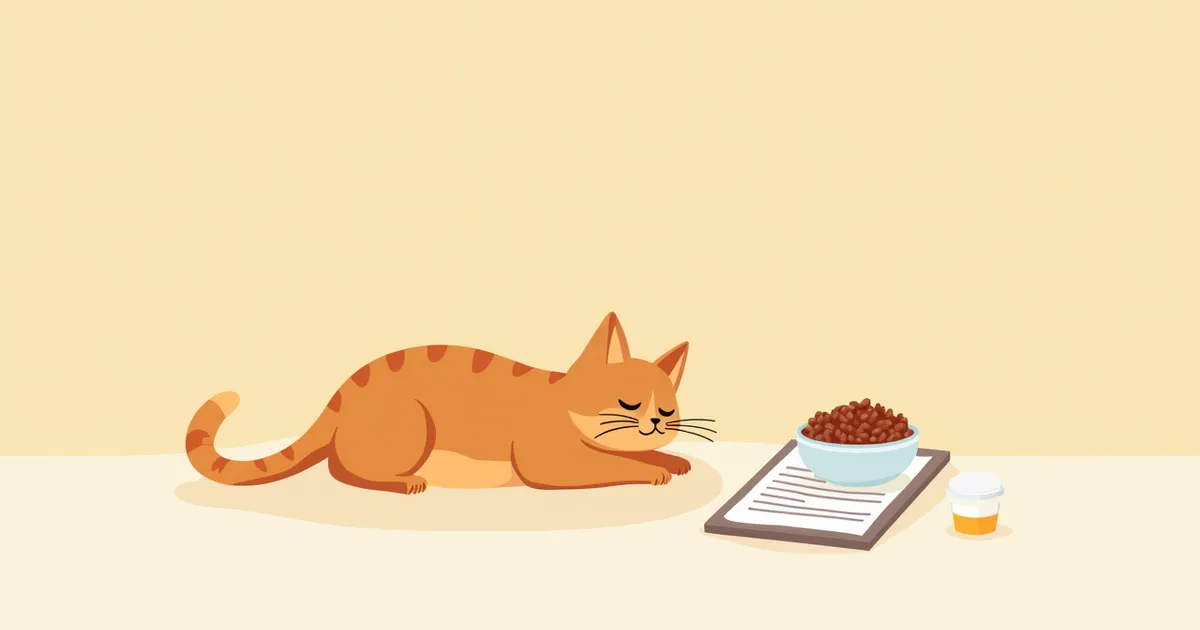
Cat medication log and calendar for heart health management

Reviewed by a veterinarian

Dr. Tony — Punnawat Phongkittirak

Dr. Tony — Punnawat Phongkittirak

Veterinarian

A veterinarian who majored in veterinary medicine at Khon Kaen University, Thailand, and completed the IVSA program at North Carolina State University in the United States. Drawing on clinical experience at animal hospitals, he works in the pet healthcare field and is dedicated to building a digital care environment that connects pet parents with veterinarians.

Frequently Asked Questions

Is spironolactone always safe for cats?
It’s not safe for all cats. Use is restricted in cats with compromised kidney function or hyperkalemia [E1][E13], and a veterinary examination is essential before use.
Will heart problems return if I stop the medication?
Spironolactone is a supportive medication that helps manage symptoms, not a cure. Stopping it on your own can disrupt your pet’s care, so it’s important to continue giving it consistently as directed by your veterinarian.
My cat has no appetite while taking medication. Is this normal?
Loss of appetite or vomiting may be gastrointestinal side effects of spironolactone [E1]. Do not stop the medication on your own; consult your veterinarian first to determine whether the dosage regimen should be adjusted.
Can spironolactone be taken with other medications?
Using this medication together with other potassium-sparing diuretics, ACE inhibitors, ARBs, or pain relievers (NSAIDs) may cause drug interactions such as hyperkalemia [E1][E13]. Only administer medications prescribed by your veterinarian.
My cat collapsed while taking medication. What should I do?
Please transport your pet to a veterinary clinic immediately. Emergency treatment is necessary because the strain on the heart can worsen.

Share

Related Guides

References

[1] Payne JR, Borgeat K, Brodbelt DC, Connolly DJ, Luis Fuentes V: Risk factors associated with sudden death vs. congestive heart failure or arterial thromboembolism in cats with hypertrophic cardiomyopathy, J Vet Cardiol 17(Suppl 1):S318-S328, 2015.

[2] Jaisser F, Farman N: Emerging roles of the mineralocorticoid receptor in pathology: toward new paradigms in clinical pharmacology, Pharmacol Rev 68:49-75, 2016.

[3] Plumb's Veterinary Drug Handbook, 10th Ed, 2023. Spironolactone: Use in feline cardiovascular disease.

This information is based on veterinary literature and does not replace diagnosis or treatment. Please consult a veterinarian for specific health concerns.

Metapet Co., Ltd. | CEO: Park Sung-yong | Business Reg. No. 417-88-02562 | Seoul, South Korea | Customer Center

Top 5 Feline Spironolactone Strategies and How to Choose | Meongsiljang