Like
Share
멍실장
노령견 관절 영양제 추천 TOP 5 — MSM·UC-II 함량 비교

Top 5 Joint Supplements for Senior Dogs — Comparing MSM and UC-II Content

JointTop PicksMeongsiljang Veterinary Advisory Board

We’ve compared the top five joint supplements essential for senior dogs aged seven and older, based on their glucosamine, chondroitin, MSM, and UC-II content. This guide covers the benefits of each ingredient, how to choose the right product, and important considerations before purchasing.

Joint Supplements for Senior Dogs in a Nutshell

A photo of a caregiver gently massaging the hip joint of an elderly dog
Joint supplements for senior dogs are designed to protect cartilage worn down by aging, reduce joint inflammation, and ease mobility issues. What truly matters is the type and amount of active ingredients. Veterinary nutrition textbooks recommend combining glucosamine and chondroitin: glucosamine serves as a precursor for synthesizing glycosaminoglycans (GAGs), the building blocks of cartilage, while chondroitin is a GAG found within cartilage itself, allowing the two to work synergistically. However, since these are dietary supplements rather than medications, their effects may take time to appear and vary among individual dogs, with clinical evidence differing significantly between products. If your dog is over seven years old or has been diagnosed with patellar or hip joint issues, it’s best to consult your veterinarian and start supplementation early. Below, we compare the top five products based on their key ingredient contents.

Why Joint Supplements Are Needed for Dogs Aged Seven and Older

Canine osteoarthritis is a degenerative condition in which the cartilage covering the joints wears down, becomes rough, and triggers joint inflammation. As dogs age, their activity levels naturally decline and their posture stiffens, which often coincides with the onset of pain and slows recovery. Cartilage is composed of glycosaminoglycans (GAGs); glucosamine serves as a precursor for GAG synthesis, while chondroitin is a GAG found within cartilage. Supplementing with both ingredients has been reported to support cartilage structure and regeneration. - Cartilage wear: The cartilage covering the joints becomes rough and worn, causing pain. - Accumulated inflammation: Inflammation around the joints worsens cartilage breakdown and pain. - Weight and activity management: Obesity and excessive load exacerbate joint damage, making weight management essential. Since nutritional supplements are adjuncts rather than medications, their effects appear gradually. It is best to administer them consistently for at least 4–6 weeks before comparing and evaluating changes in gait.

At-a-Glance Comparison of Key Ingredients in the Top 5

Item1st Comprehensive type2nd UC-II focused type3rd MSM·Boswellia4th Green-lipped mussel5th Omega-3·Turmeric
Glucosamine (mg/day)500300200Extract contained0
Chondroitin (mg/day)3001500Extract contained0
MSM (mg/day)200050000
UC-II (mg/day)4040000
BoswelliaFalseFalseTrueFalseFalse
Daily price range (KRW)800–1,2001,500–2,000700–1,0001,200–1,800500–800
Recommended forAll senior dogsPill refusal·Weak stomachSevere pain·swellingSynthetic ingredient troublesSupplementary combined use

Recommended daily amounts are based on medium-sized dogs (10–20kg) and vary by product. Follow the product label and veterinary guidance for actual feeding amounts.

1st Place — Comprehensive Multi-Care (Glucosamine + Chondroitin + MSM + UC-II)
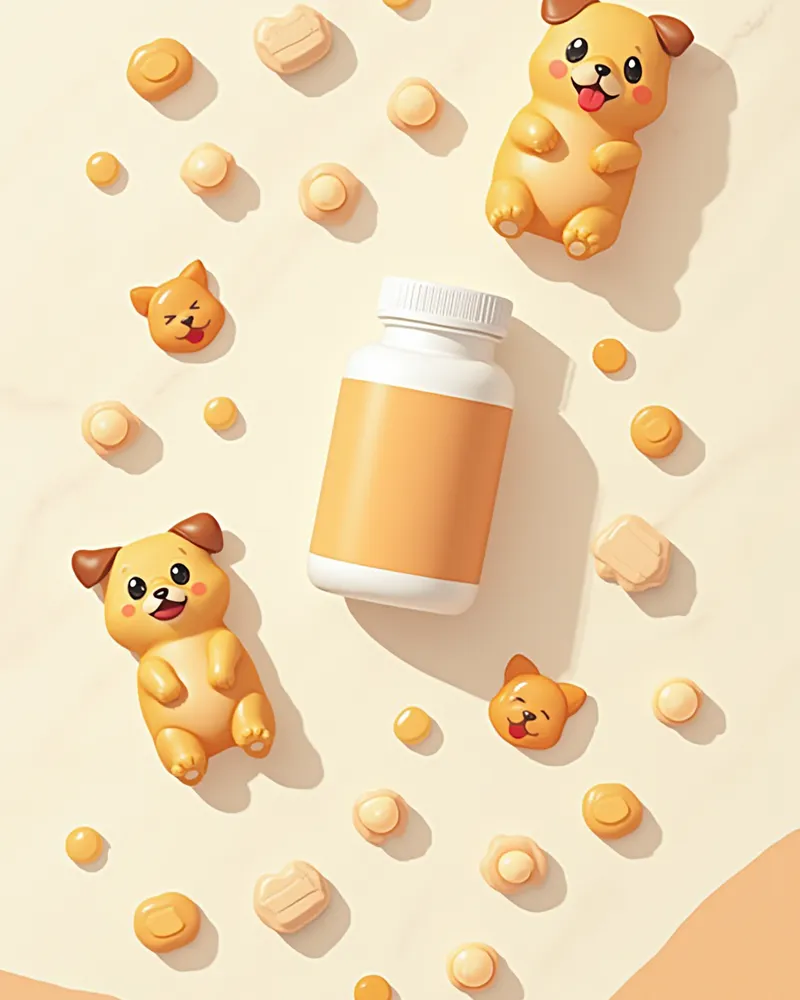
The top choice is a comprehensive formula centered on glucosamine and chondroitin, combined with several other ingredients. It’s a versatile option suitable for patellar luxation, hip dysplasia, and general age-related joint issues, making it the most well-rounded pick. Veterinary nutrition textbooks note that the combination of glucosamine and chondroitin has shown some clinical benefits in dogs, with these two ingredients working synergistically. However, the effects are generally short-term and often based on subjective assessments of pain and gait, so it’s best to avoid excessive expectations. Since the tablets are on the larger side, it’s advisable to crush them and mix them into food for small-breed dogs. Administer consistently for at least four weeks, then evaluate improvements by comparing your dog’s gait and ability to navigate stairs.
A photo of various dog joint supplement formulations neatly arranged on a white background.

2nd Place — UC-II Focused (Undenatured Type II Collagen)

Second place goes to products featuring collagen ingredients like undenatured type II collagen (UC-II). These are known to be easy to administer to dogs that reject pills, thanks to their small tablet size, and are said to place less burden on the stomach. However, veterinary textbooks do not provide sufficient evidence to firmly establish that such single-ingredient collagen supplements are as effective as the combination of glucosamine and chondroitin. Since supplements are legally classified as non-drugs, they may be sold without fully proven efficacy, so it’s wise to critically evaluate advertising claims and not rely solely on customer reviews. While these can be considered an alternative for dogs with strong pill aversion, it’s safest to consult your veterinarian to confirm the ingredients and dosage before starting. These products tend to be priced higher than comprehensive formulations.

3rd Place — MSM and Boswellia Anti-Inflammatory Specialized Formula
In third place is an anti-inflammatory-focused formula featuring MSM (methylsulfonylmethane) and boswellia extract. This combination is marketed toward owners of senior dogs with pronounced pain and swelling, or those who are hesitant about long-term use of nonsteroidal anti-inflammatory drugs. However, the efficacy of MSM and boswellia for canine osteoarthritis has not been confirmed by the veterinary textbook evidence provided, making it difficult to classify them as proven ingredients. Additionally, the glucosamine and chondroitin content is relatively low, so this product is best viewed as providing supplementary relief from pain and inflammation rather than supporting cartilage structure or regeneration. Since supplements are not medications, avoid overestimating their effects, and always consult your veterinarian before combining them with prescription drugs.
A side view of an elderly dog walking slowly on the grass

4th Place — Green-Lipped Mussel Natural Extract Formula

In fourth place is a natural extract-based supplement centered on green-lipped mussel powder. New Zealand green-lipped mussels naturally contain omega-3 fatty acids, chondroitin, glucosamine, and antioxidant peptides. This makes them a good alternative for dogs who have experienced gastrointestinal issues with synthetic ingredients. However, many products have vague labeling, such as "200 mg of extract," so it is safer to choose products that specify standardized extracts (e.g., labeled as GLM-26) or freeze-dried powder. If your dog has a history of shellfish allergies, we recommend performing a patch test before use.

5th Place — Omega-3 and Turmeric Plant-Based Support Formula

In fifth place are plant-based supplements centered on omega-3 fatty acids and turmeric (curcumin). These work best as a complementary addition to the top four products rather than as a standalone treatment. EPA and DHA help inhibit joint inflammation signals, while curcumin is recognized for its natural anti-inflammatory properties. Because their effect on cartilage regeneration is limited when used alone, we recommend combining them with glucosamine-based supplements. Since these ingredients are prone to oxidation, use them within 30 days of opening and store them in the refrigerator, away from direct sunlight.
A photo of green holy herb powder, omega-3 capsules, and turmeric root placed on a wooden cutting board.

Five Key Ingredients to Check

Safe

글루코사민

연골 구성·재생 촉진

Dosage: 500~1,000mg/일

미국수의외과학회 권장, McCarthy 2007

Safe

콘드로이틴

연골 보호·수분 유지

Dosage: 300~600mg/일

글루코사민과 병용 시 시너지

Safe

MSM

항염·통증 완화

Dosage: 200~500mg/일

황 화합물, 연골세포 보호

Safe

UC-II

면역 매개 연골 보호

Dosage: 40mg/일

D'Altilio 2007 이중맹검 임상

Caution

보스웰리아

천연 항염

Dosage: 100~300mg/일

위장 민감 강아지는 소량부터 시작

Important Considerations Before Purchasing

Joint supplements are not medications, but rather supportive aids. If your pet is already showing clear signs of limping or difficulty standing up, do not rely solely on supplements—please visit a veterinary hospital for an orthopedic evaluation first. In particular, if the pain started suddenly or your pet is favoring one leg, there is a high possibility of structural issues such as a cruciate ligament tear or hip dysplasia. Supplements are most effective when used as an adjunct therapy after an accurate diagnosis. Never give human joint supplements to pets, as they may contain xylitol or artificial sweeteners, which are toxic to animals.

Reviewed by a veterinarian

Dr. Tony — Punnawat Phongkittirak

Dr. Tony — Punnawat Phongkittirak

Veterinarian

A veterinarian who majored in veterinary medicine at Khon Kaen University, Thailand, and completed the IVSA program at North Carolina State University in the United States. Drawing on clinical experience at animal hospitals, he works in the pet healthcare field and is dedicated to building a digital care environment that connects pet parents with veterinarians.

Frequently Asked Questions

At what age should I start giving my senior dog joint supplements?
While we typically recommend starting around age 7, when dogs enter their senior years, you can begin earlier if your dog has been diagnosed with patellar luxation, hip dysplasia, or arthritis—just consult your veterinarian first. For large-breed dogs, which place more stress on their joints, it’s best to start joint care even sooner.
When will I start seeing results?
Glucosamine and chondroitin supplements typically require consistent administration for at least four to six weeks before any improvements in gait become noticeable. Since these supplements work gradually and their effects vary significantly among individual pets, it is best to assess their efficacy by comparing changes in stair climbing ability, walking distance, and speed of standing up.
Can I give my pet human joint supplements?
No, that’s not safe. Human products often contain xylitol and artificial sweeteners, and their dosages aren’t appropriate for dogs based on body weight. Please always choose products specifically formulated for pets.
Can I give this along with prescription medication?
While it’s generally safe to combine prescription medications like nonsteroidal anti-inflammatory drugs (NSAIDs) with nutritional supplements, always inform your veterinarian before starting any new supplement. Certain ingredients can increase the risk of bleeding or place additional strain on the liver.
Can I give my pet multiple supplements at the same time?
It’s possible as long as the ingredients don’t overlap. For example, combining a comprehensive formula (ranked #1) with an omega-3 supplement (ranked #5) is often recommended. However, be sure to check the labels to avoid exceeding the recommended dosage by giving multiple products containing the same ingredient, such as glucosamine.

Share

Related Guides

References

[1] D'Altilio M et al., Therapeutic efficacy and safety of undenatured type II collagen singly or in combination with glucosamine and chondroitin in arthritic dogs, Toxicology Mechanisms and Methods, 2007;17(4):189-196

[2] McCarthy G et al., Randomised double-blind, positive-controlled trial to assess the efficacy of glucosamine/chondroitin sulfate for the treatment of dogs with osteoarthritis, The Veterinary Journal, 2007;174(1):54-61

[3] Hand MS et al., Small Animal Clinical Nutrition, 5th Edition, Mark Morris Institute, Chapter 28: Osteoarthritis

[4] American College of Veterinary Surgeons (ACVS), Osteoarthritis in Small Animals — Owner Education Guidelines

This information is based on veterinary literature and does not replace diagnosis or treatment. Please consult a veterinarian for specific health concerns.

Metapet Co., Ltd. | CEO: Park Sung-yong | Business Reg. No. 417-88-02562 | Seoul, South Korea | Customer Center

Top 5 Senior Dog Joint Supplements — MSM & UC-II Compared | Meongsiljang