Like
Share
멍실장
고양이 만성 신부전(CKD) 관리 추천 BEST와 고르는 기준 총정리

7 Best Cat CKD Management Products Recommended by Veterinarians — Including Stage-Specific Care

KidneyTop PicksMeongsiljang Veterinary Advisory Board

Early detection and proper management can significantly improve the quality of life for cats with chronic kidney disease (CKD). The key is choosing tailored nutritional supplements and care strategies.

Early Management of Feline Chronic Kidney Disease (CKD) Extends Life
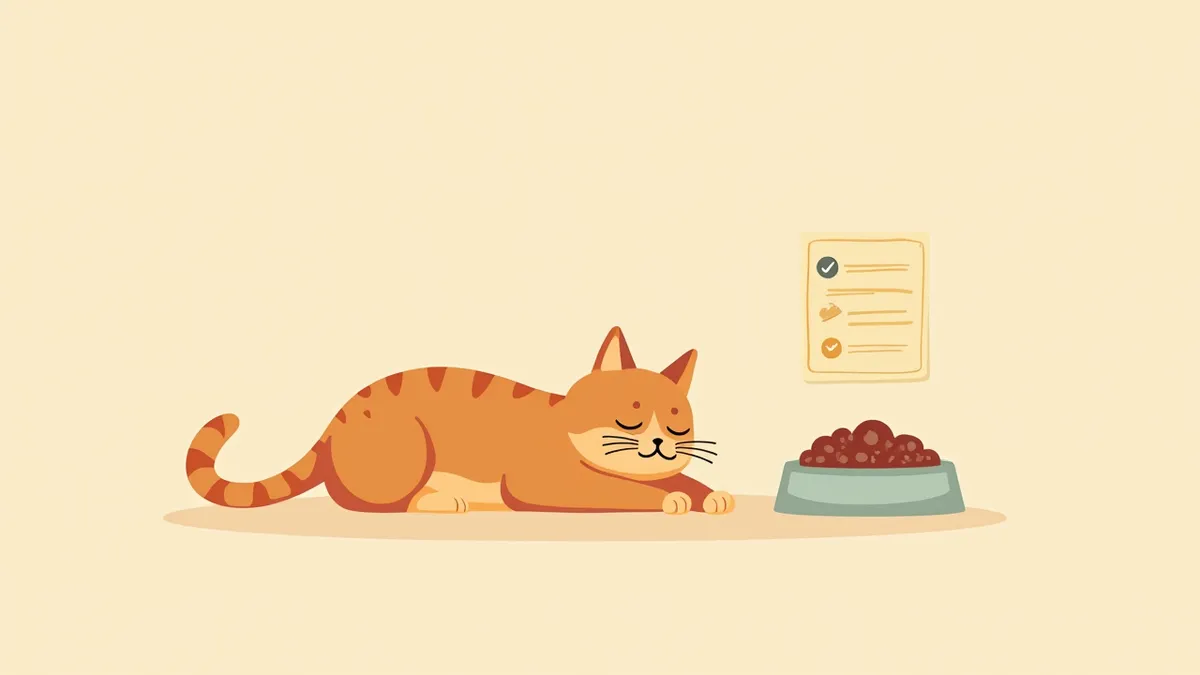
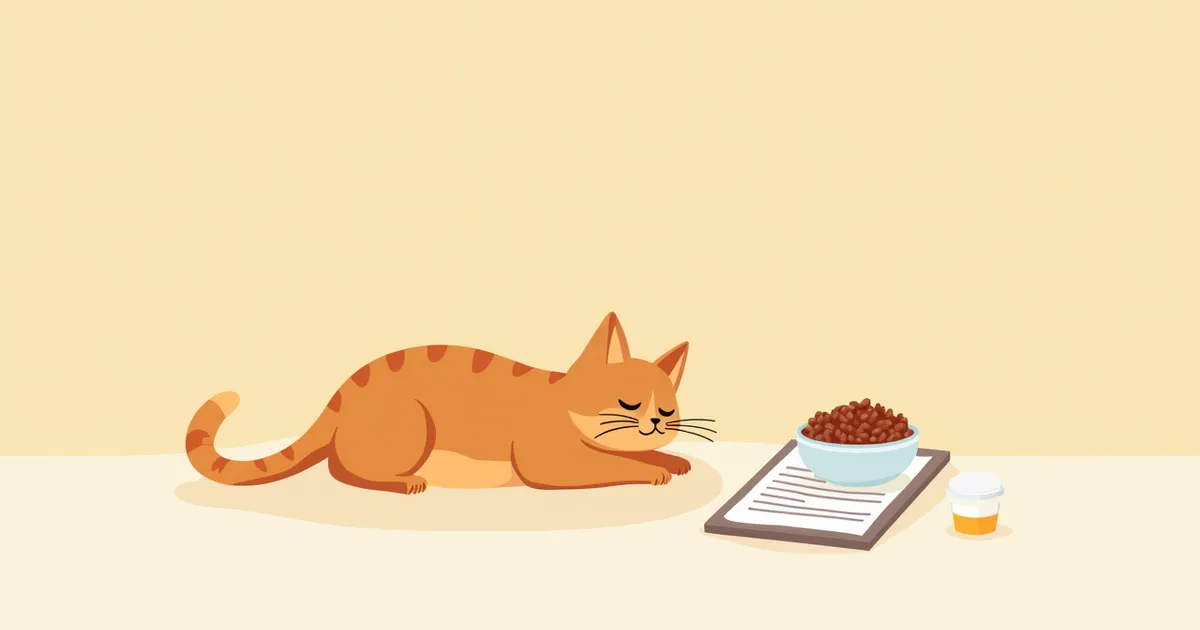
An elderly cat resting comfortably on a soft bed, with a veterinarian’s checklist and a bowl of kidney-supportive food nearby.
Feline chronic kidney disease (CKD) is a chronic condition characterized by a gradual decline in kidney function, and early detection along with consistent dietary and hydration management can help extend survival time and improve quality of life. In particular, ensuring adequate hydration and appropriate caloric intake are key. A diet low in phosphorus is important for reducing the burden on the kidneys and slowing disease progression. Rather than strictly limiting protein in all cases, it is more important to provide high-quality protein in amounts sufficient to meet caloric needs, restricting protein primarily when uremia is present. For cats that do not drink enough water, canned (wet) food or subcutaneous fluids prescribed by a veterinarian can be helpful. The most effective strategy is to work with your veterinarian to develop a management plan tailored to your cat’s individual condition, and to regularly reassess and adjust it as needed.

Selection Criteria: How to Choose Products for Managing Feline Chronic Kidney Disease (CKD)

When choosing a product to manage chronic kidney disease (CKD) in cats, carefully evaluate the ingredients, palatability, ease of administration, and whether it is recommended by veterinarians. It is important to make a tailored choice that suits each cat’s individual condition.
Phosphate binders: Reducing phosphorus intake is key to lowering the burden on the kidneys and slowing disease progression.
Protein management: Rather than simply reducing protein, it is better to restrict it when uremia is present and provide high-quality protein in amounts that meet caloric needs during stable periods.
High-moisture (wet) food: Diets with high moisture content, such as canned food, help prevent dehydration and support kidney function.
Kidney-supporting ingredients: Products containing potassium, omega-3 fatty acids, and antioxidants are beneficial.
Palatability and ease of administration: For kidney therapeutic diets to be effective, cats must consume enough to meet their caloric requirements, so palatability and ease of feeding are crucial.
A close-up shot of a food bowl containing wet food for kidney health and a syringe-style supplement.

BEST 1: Premium Care Renal Care Pellets (Low Phosphorus, Low Protein)
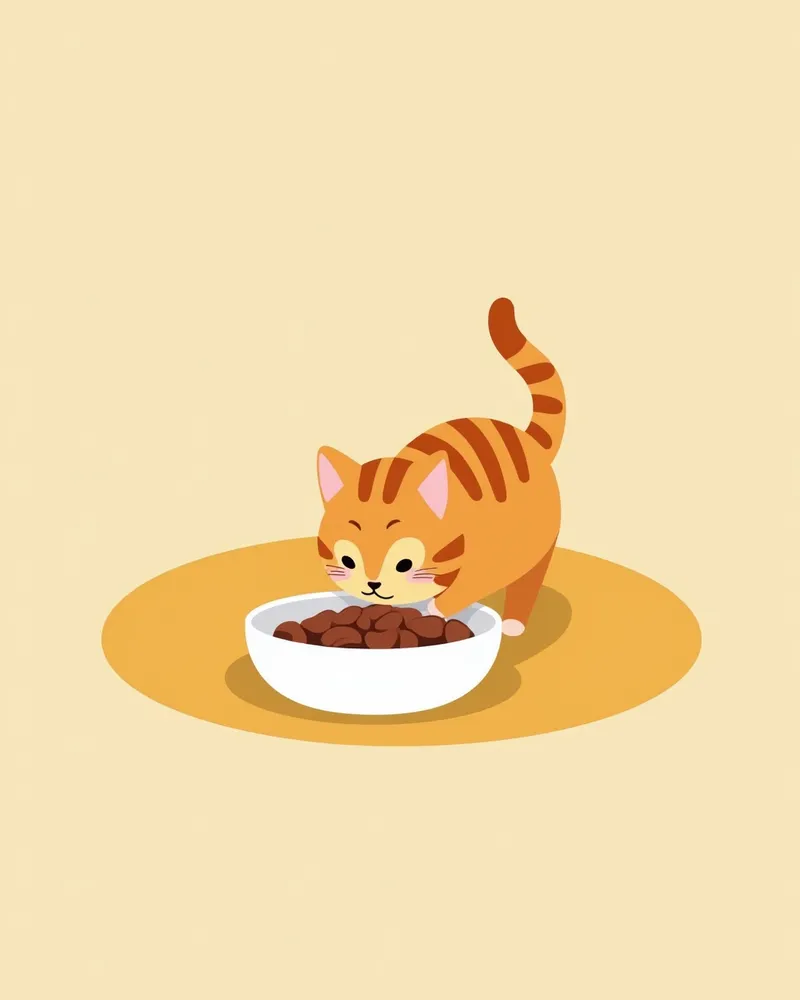
This food is specifically formulated for cats in the early to mid-stages of chronic kidney disease (CKD). It features a reduced phosphorus content to lessen the burden on the kidneys, while high-quality, highly bioavailable proteins help maintain calorie intake and nutritional balance. Rather than restricting protein excessively, it is best to adjust levels based on the presence of uremia. The formula is designed with appealing flavor and texture to encourage eating, making it a veterinarian-recommended choice. Since renal diets are only effective when cats consume enough to meet their caloric needs, palatability is crucial; this food is also well-suited for cats with decreased appetite. For long-term use, regular check-ups with your veterinarian are recommended to monitor your cat’s condition. It is an excellent choice for early-stage management.
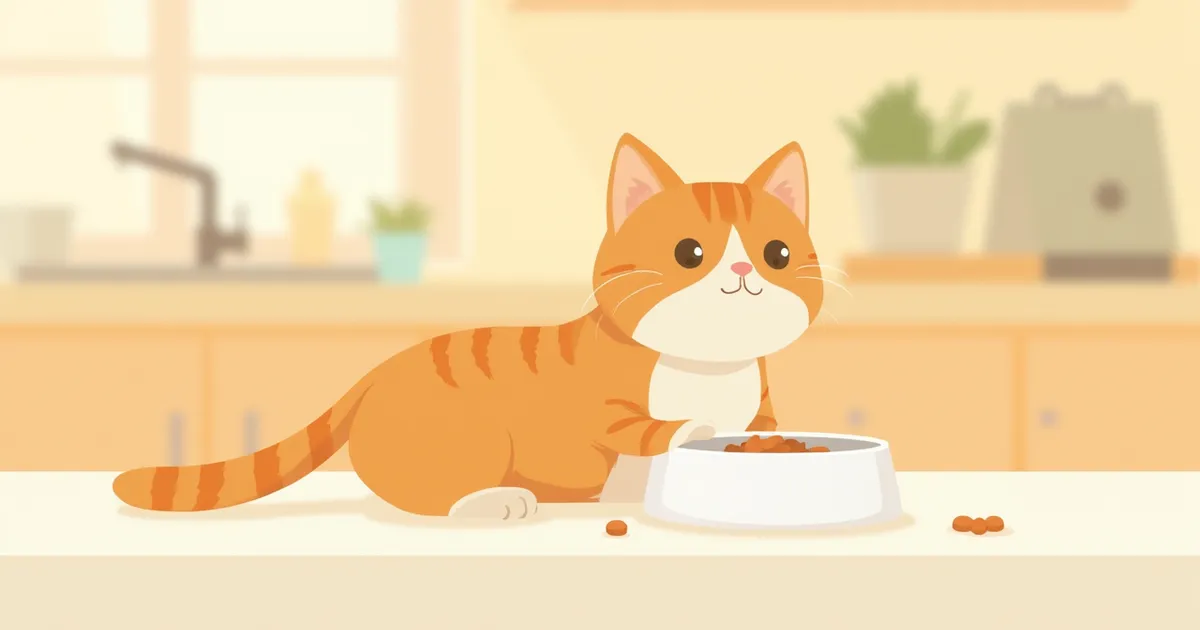
A white bowl filled with premium cat food pellets, with a cat sniffing them curiously.

BEST 2: Renewal Care Renal Protection Liquid Supplement
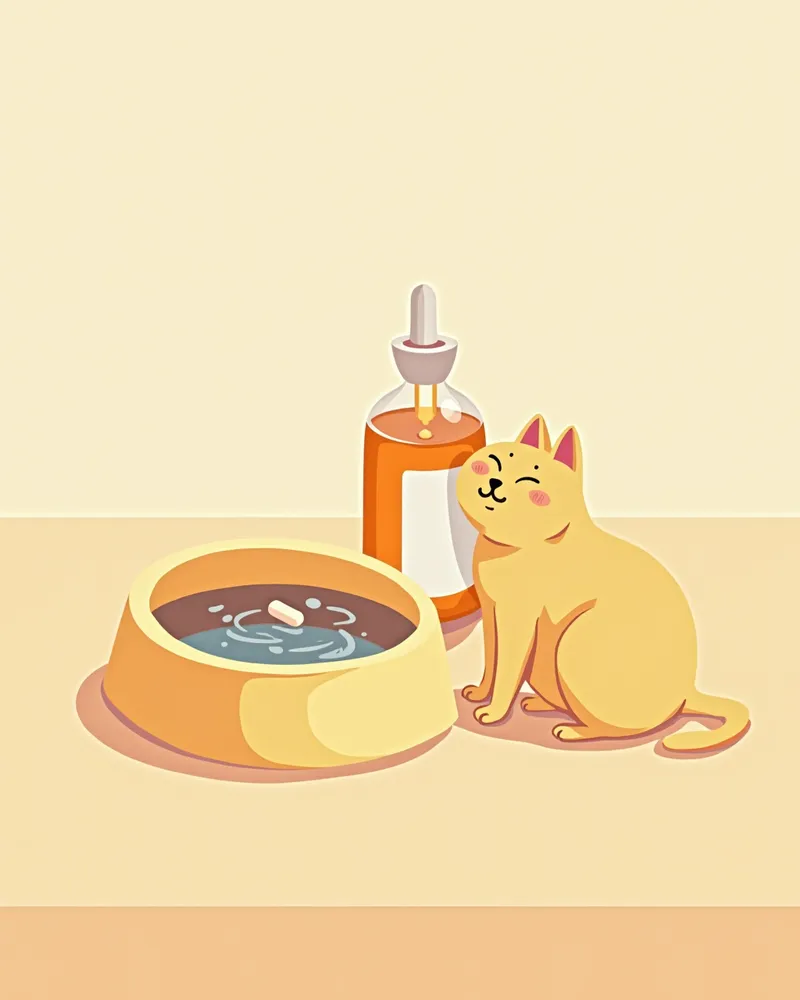
Formulated as a liquid, it’s easy for cats to consume. It contains omega-3 fatty acids, potassium, and antioxidants, which can help supplement the nutrition of cats with kidney failure. In particular, omega-3 fatty acids and antioxidants are nutrients commonly used in renal therapeutic diets. It can be mixed with water or administered directly, offering great convenience. It’s especially suitable for cats with insufficient water intake, as adequate hydration helps reduce the risk of dehydration. This is a veterinarian-recommended supplement, making it a good choice for ongoing management. However, for safety, supplements should be used regularly according to the dosage prescribed by your veterinarian.
A dropper-style supplement bottle placed alongside a cat’s water bowl.

BEST 3: Premium Care Renal Care Jelly

This jelly supplement is highly palatable, encouraging cats to consume it regularly. While many cats reject supplements, this product naturally combines fish and meat flavors for easy acceptance. Its low-phosphate design and high moisture content help prevent dehydration, while protein levels should be adjusted based on the presence of uremia. Since renal diets require adequate intake to be effective, palatability is crucial. This product is particularly suitable for cats with insufficient water intake and is a convenient option recommended by veterinarians. For long-term use, monitor your cat’s condition and consult your veterinarian as adjustments may be needed. It’s an effective choice for early-stage management.
A cat licking a jelly-type supplement on a wooden table

Comparison of BEST 1–3 Products: Ingredients, Form, Price, and Recommended Timing

ItemBEST 1 PelletBEST 2 LiquidBEST 3 Jelly
Ingredient featuresLow phosphorus, high-bioavailability proteinOmega-3, potassium, antioxidantsLow phosphorus, high moisture, natural flavor
FormulationDry pelletLiquidJelly type
Price (1kg/100ml)$10$10$10
Recommended stageEarly to middle CKDAll stages, when hydration is insufficientCats with poor eating habits

Prices are based on the average market price as of 2024. Choose after consulting your veterinarian.

Caution: Overconsumption or Incorrect Selection Can Burden the Kidneys

Products for managing chronic kidney disease (CKD) in cats should only be used under veterinary guidance. Diets high in phosphorus or protein can actually worsen kidney function. Avoid self-diagnosis and indiscriminate use of these products.

Usage Tips: Observe Your Cat’s Response for Tailored Management

Keep a daily log of your cat’s appetite, water intake, and bowel movements. Since responses can vary when switching products, start with a small amount and gradually increase it. Regularly consult your veterinarian to monitor your cat’s condition and adjust the management plan as needed. Carefully observing your cat’s response is the most important principle of care. Avoid forcing medication or self-diagnosing; always proceed under veterinary guidance for safety. Early intervention and consistent monitoring are key to improving your cat’s quality of life.
A diary for recording a cat's food and water intake, placed next to the food bowl and water sprayer.

Reviewed by a veterinarian

Dr. Tony — Punnawat Phongkittirak

Dr. Tony — Punnawat Phongkittirak

Veterinarian

A veterinarian who majored in veterinary medicine at Khon Kaen University, Thailand, and completed the IVSA program at North Carolina State University in the United States. Drawing on clinical experience at animal hospitals, he works in the pet healthcare field and is dedicated to building a digital care environment that connects pet parents with veterinarians.

Frequently Asked Questions

Can feline chronic kidney disease (CKD) be cured?
While a complete cure remains challenging at present, we can maintain your pet’s quality of life and extend their lifespan through proper dietary and hydration management. Early detection and consistent care are key.
Can I manage this at home without a vet?
Regular check-ups and consultations with a veterinarian are essential. Because your cat’s diet and care plan may need to be adjusted and reevaluated based on changes in their condition, it’s safest to rely on professional guidance.
How often should I give my pet liquid supplements?
Please follow the dosage and frequency prescribed by your veterinarian. Avoid self-adjusting the dose, as it’s safer to monitor your pet’s response and make adjustments accordingly.
What should I do if my cat refuses to eat its new food?
Mix the new food in gradually. Start by blending a small amount with your pet’s current food, then slowly increase the proportion of the new food to help them adjust. Since kidney-support diets need to be consumed in adequate amounts to be effective, palatability is important.
What foods are good for kidney disease?
A diet low in phosphorus is beneficial, while protein should be restricted primarily when uremia is present. Because preparing food at home carries the risk of nutritional imbalances, it is safest to choose a specialized renal prescription diet recommended by your veterinarian.

Share

Related Guides

References

[1] Notes on Canine Internal Medicine, 4th Ed. (2023). Chapter on Chronic Kidney Disease in Cats.

[2] Urinalysis in the Dog and Cat. (2022). Clinical Evaluation of Azotemia and Renal Function.

[3] Clinical Medicine of the Dog and Cat, 4th Ed. (2021). Management of Chronic Kidney Disease in Felines.

This information is based on veterinary literature and does not replace diagnosis or treatment. Please consult a veterinarian for specific health concerns.

Metapet Co., Ltd. | CEO: Park Sung-yong | Business Reg. No. 417-88-02562 | Seoul, South Korea | Customer Center

Vet's Top 7 Cat CKD Management Products, Stage by Stage | Meongsiljang