Like
Share
멍실장
고양이 신우신염(세균성 신장감염) 관리 추천 BEST와 고르는 기준 총정리

7 Warning Signs of Feline Pyelonephritis Highlighted by Veterinarians

KidneyTop PicksMeongsiljang Veterinary Advisory Board

Feline pyelonephritis is a kidney inflammation caused by bacterial infection, and early detection along with proper management significantly improves survival rates. We’ve compiled a guide to effective management products and the key criteria for choosing them.

Feline Pyelonephritis Is Kidney Inflammation Caused by Bacterial Infection

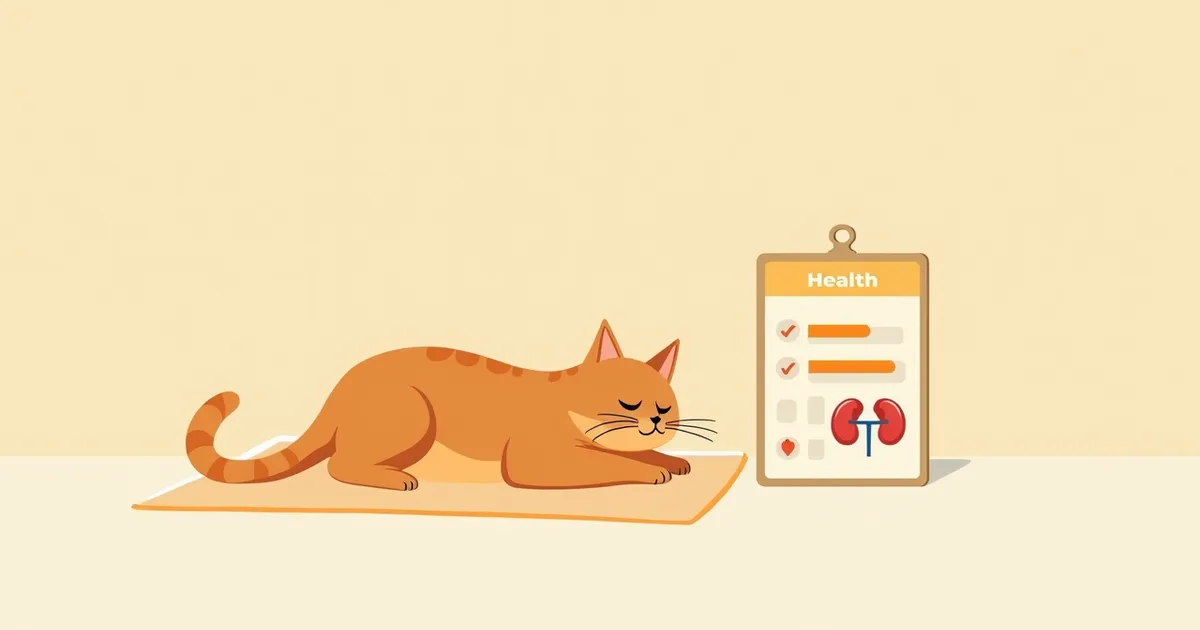
An image showing signs that a cat may have pyelonephritis
Feline pyelonephritis, or bacterial kidney infection, is an infectious disease in which bacteria invade the renal pelvis deep within the kidneys, causing inflammation. Because symptoms are nonspecific and no single definitive test exists, diagnosis can be challenging; therefore, it is important to visit a veterinary clinic promptly if you suspect this condition. - Prescription antibiotics are key: Since this is a bacterial infection, treatment with prescription antibiotics tailored to urine culture and susceptibility test results is essential. Over-the-counter supplements alone cannot eliminate the infection. - Limitations of supportive care: Supplements are strictly adjunctive aids and should not be relied upon as standalone treatments, as there is no clear evidence that they can independently restore damaged kidneys. - Ease of administration: Choose formulations in jelly, liquid, or powder form that your cat will accept without resistance. - Consult your veterinarian: Always consult your veterinarian before using any supplements, and ensure they are used alongside prescribed medications for safety. Early diagnosis and consistent treatment significantly influence the prognosis.

Good to Know: Managing Feline Pyelonephritis (Bacterial Kidney Infection)
When choosing a management product for feline pyelonephritis, it’s best to consider effectiveness, safety, ease of administration, and whether it’s recommended by a veterinarian. However, please remember first that bacterial kidney infections themselves must be treated with veterinarian-diagnosed and prescribed antibiotics, not with supplements. - Effectiveness: Supplements play a supportive role in treatment and cannot replace infection therapy. - Safety: “Naturally derived” does not automatically mean safe. Cats may not metabolize certain ingredients well, which can lead to side effects, so carefully check the ingredients. - Ease of Administration: Choose a form (gel, liquid, or powder) that your cat will accept without resistance. - Veterinarian Recommendation: Consult your vet to ensure the product can be safely used alongside prescribed medications and won’t burden the kidneys, so you can use it with confidence.
Comparison image of supplements for feline pyelonephritis

Good to Know 1: Symptoms and Urgency of Pyelonephritis

Pyelonephritis is a bacterial infection that invades the inner part of the kidney (the renal pelvis), causing inflammation. Early signs include lethargy, decreased appetite, and fever. As the condition progresses, your pet may experience vomiting, excessive thirst and urination, and pain when the back or flank area is touched. Even though these symptoms can be vague, it’s crucial to visit a veterinary clinic promptly if you suspect an issue, as kidney damage can be difficult to reverse. If left untreated, pyelonephritis can lead to chronic kidney failure, making early detection and treatment critical for a better prognosis.
An informational image about the symptoms and urgency of pyelonephritis

Good to Know 2: Diagnosis and Treatment Options

Veterinarians diagnose pyelonephritis and identify the causative bacteria through urine tests (urinalysis, bacterial culture, and sensitivity testing), blood tests, and ultrasound examinations. The cornerstone of treatment is administering prescription antibiotics tailored to the culture and sensitivity results, which must be continued for the full recommended duration to prevent recurrence and antibiotic resistance. If dehydration is present, fluid therapy is provided alongside antibiotic treatment, and additional supportive care may be necessary depending on the degree of renal impairment. The choice of antibiotic and the duration of therapy must always be determined by a veterinarian.
An informational image about diagnosis and treatment options

Good to Know 3: Management, Precautions, and the Importance of Veterinary Diagnosis

It is crucial not to stop the prescribed antibiotics on your own during treatment. Even if symptoms appear to improve, bacteria may not be fully eliminated, which can lead to recurrence or progression to a chronic condition. Encourage increased water intake and continue the prescribed diet if recommended by your veterinarian. Regular urine tests and monitoring of kidney function values are necessary even after treatment. Unverified supplements or home remedies found online can place additional stress on the kidneys, so always consult your veterinarian before using any additional products.
Guidance image on care and precautions, and the importance of veterinary diagnosis

Feline Pyelonephritis (Bacterial Kidney Infection): What Pet Owners Should Know

ItemKey points
SymptomsFever, lethargy, decreased appetite, vomiting, polydipsia/polyuria, pain in the kidney area
CausesBacterial invasion of the renal pelvis; ascending lower urinary tract infection is the main route
DiagnosisConfirmed by the veterinarian with urine culture, blood tests, and ultrasound
TreatmentAntibiotics prescribed based on susceptibility testing + fluid therapy if needed
ManagementComplete the full course of antibiotics, ensure adequate hydration, regularly monitor kidney values

This is not a table recommending specific products or clinics, but a reference to consider when consulting your veterinarian. Treatment and testing decisions must always be made together with your veterinarian through an examination.

Side Effects May Occur with Overdosing

Kidney supplements should be administered under a veterinarian’s guidance. Overdosing can cause side effects such as diarrhea, vomiting, and loss of appetite. Cats with pre-existing kidney impairment may be particularly sensitive to the ingredients, so start with a small dose when first using the product and closely monitor their response.

Usage Tip: Closely Monitor Your Cat’s Response

After starting the supplement, record your cat’s daily changes in urination frequency, appetite, and activity level. - Decreased appetite: If your cat’s appetite drops suddenly, consult your veterinarian immediately. - Abnormal urination: A decrease in urine volume or a sudden increase in urination frequency is a warning sign. - Reduced activity: If your cat becomes lethargic, moves very little, or appears unusually drowsy, close attention is needed. - Concurrent medication use: If your cat is taking other medications, be sure to inform your veterinarian. - Consistent monitoring: Since kidney health requires long-term management, make daily observation a regular habit.
An image of a notebook recording a cat's health status

Reviewed by a veterinarian

Dr. Tony — Punnawat Phongkittirak

Dr. Tony — Punnawat Phongkittirak

Veterinarian

A veterinarian who majored in veterinary medicine at Khon Kaen University, Thailand, and completed the IVSA program at North Carolina State University in the United States. Drawing on clinical experience at animal hospitals, he works in the pet healthcare field and is dedicated to building a digital care environment that connects pet parents with veterinarians.

Frequently Asked Questions

What should I do if I suspect pyelonephritis?
If your cat drinks water frequently, urinates more often, or shows signs of pain while urinating, consult your veterinarian immediately. Pyelonephritis is diagnosed through a combination of urine culture, blood tests, and ultrasound, as its symptoms are nonspecific and there is no single definitive test.
Can supplements be used instead of medication?
Supplements are meant to support treatment, not replace medication. For the safest and most effective results, they should be used alongside a veterinarian-prescribed medication.
How long should I continue giving the supplement?
It is generally recommended to take this medication long-term under your veterinarian's guidance. While the dosage may be gradually reduced once your pet's condition stabilizes, please be sure to consult with your vet before discontinuing the medication.
Are natural-ingredient products safer?
Just because a product is labeled “natural” doesn’t mean it’s always safe. Cats may struggle to metabolize certain ingredients, which can lead to side effects, and allergic reactions vary from cat to cat, so caution is essential. Always consult your veterinarian before choosing a product.
Will giving supplements improve kidney function?
There is no clear evidence that supplements can restore kidney function that has already been damaged. Bacterial infections themselves should be treated with prescribed antibiotics, and supplements should only be used as an adjunct under the guidance of a veterinarian. Early diagnosis and consistent management are key.

Share

Related Guides

References

[1] Langston, C.E. et al. (2023) Small Animal Critical Care Medicine, 3rd Edition. Elsevier.

[2] The Cat, Clinical Medicine and Management, 2nd Edition (2022). Elsevier.

[3] Plumb's Veterinary Drug Handbook, 9th Edition (2023). Wiley.

This information is based on veterinary literature and does not replace diagnosis or treatment. Please consult a veterinarian for specific health concerns.

Metapet Co., Ltd. | CEO: Park Sung-yong | Business Reg. No. 417-88-02562 | Seoul, South Korea | Customer Center

7 Warning Signs of Feline Pyelonephritis Vets Want You to Know | Meongsiljang