Like
Share
멍실장
고양이 ACE억제제·ARB 신장 보호 관리 추천 BEST와 고르는 기준 총정리

Top 7 ACE Inhibitor and ARB Management Tips for Cats’ Kidney Protection, Recommended by Veterinarians

KidneyTop PicksMeongsiljang Veterinary Advisory Board

We’ve compared the top three ACE inhibitors and ARBs for managing chronic kidney disease in cats, along with guidelines for choosing the right medication and important precautions. Always use these medications under veterinary supervision.

What Are ACE Inhibitors and ARBs for Kidney Protection in Cats?

An illustration showing the dilation of blood vessels and the renal pelvis in a cat’s kidneys, along with an explanation of how the medication works.
ACE inhibitors and ARBs are kidney-protective medications used in the management of chronic kidney disease (CKD) in cats. These drugs work by suppressing the renin-angiotensin-aldosterone system (RAAS), which reduces the tone of the efferent arterioles in the glomeruli and decreases excessive intraglomerular pressure (hyperfiltration), thereby reducing proteinuria. The goal is to slow the progression of kidney damage. ACE inhibitors block the conversion of angiotensin I to angiotensin II, reducing the production of angiotensin II, while ARBs prevent angiotensin II from binding to type 1 receptors, achieving a similar effect. Veterinarians prescribe these medications based on the severity of the disease and the cat’s condition, often using them in combination with blood pressure medications. The choice of drug depends on kidney function, blood pressure, electrolyte levels, and the presence of other diseases. Regular check-ups and monitoring are essential.

Key Facts: Managing Kidney Protection with ACE Inhibitors and ARBs in Cats

To choose the right ACE inhibitor or ARB for your cat, you need to consider six key factors: the drug’s efficacy, safety, side effects, dosing frequency, cost, and your veterinarian’s recommendation. It’s also essential to check for any existing health conditions and whether your cat is taking other medications.
Highly effective drugs: These have proven benefits in improving kidney function and reducing proteinuria.
Drugs with fewer side effects: These are less likely to cause issues like low blood pressure or high potassium levels.
Convenient forms: Capsules or liquids that are easy for your cat to take are preferable.
Cost-effective options: Since long-term use is often necessary, affordability is an important consideration.
Veterinarian-recommended drugs: These are chosen based on clinical experience and known safety profiles.
No interactions with other medications: These can be safely used alongside other drugs.
A cat looking at a checklist for selecting medications.

Key Fact 1: Conditions and Symptoms Requiring Kidney Protection

Feline chronic kidney disease (CKD) is a progressive condition characterized by a gradual decline in kidney function. In the early stages, cats may exhibit nonspecific symptoms such as increased water intake, increased urine output, decreased appetite, and weight loss. As kidney damage progresses, uremia, anemia, and hypertension may develop. Persistent hypertension can cause additional damage to the renal glomeruli, accelerating disease progression; therefore, blood pressure management and the use of nephroprotective medications are key components of treatment. Even with mild symptoms, early detection through regular veterinary checkups significantly impacts prognosis.
An informational image about conditions and symptoms that require kidney protection

Key Fact 2: The Role of ACE Inhibitors and ARBs and Treatment Options

ACE inhibitors and ARBs work by suppressing the renin-angiotensin system to reduce excessive pressure within the glomeruli and decrease proteinuria, with the goal of slowing the decline in kidney function. These medications may be prescribed by a veterinarian for cats with confirmed proteinuria and are sometimes used in combination with blood pressure medications. However, they are not universally indicated for all cats with chronic kidney disease (CKD); the decision to prescribe is made by a veterinarian after a comprehensive evaluation of kidney function markers, electrolyte levels, and blood pressure. It is dangerous to use human medications from the same drug class without veterinary guidance.
Image explaining the role of ACE inhibitors and ARBs, along with treatment options

Key Fact 3: Home Care, Precautions, and the Importance of Veterinary Care

While your pet is on medication, regular blood tests and blood pressure checks are essential to monitor kidney function markers (creatinine, BUN, SDMA) and electrolyte levels. If high potassium levels (hyperkalemia) or worsening kidney values occur, your veterinarian may reduce the dose or discontinue the medication. Dehydration places direct stress on the kidneys and increases the risk of side effects from these drugs, so encourage adequate water intake and use veterinarian-prescribed renal support diets when necessary. Beware of unlicensed supplements or unverified kidney-protective products found online, as they may worsen your pet’s condition. Never adjust or stop medication without consulting your veterinarian, as doing so can destabilize blood pressure and kidney health.
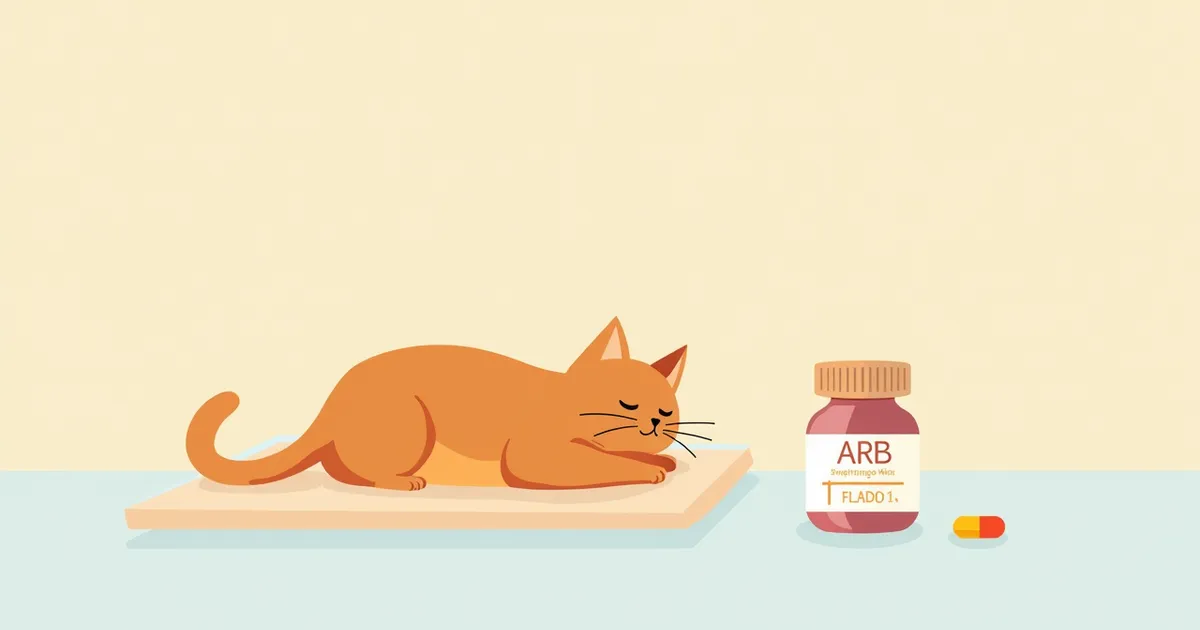
An informational image about home care and precautions, as well as the importance of veterinary care

What Pet Owners Should Know About ACE Inhibitors and ARBs for Kidney Protection in Cats

ItemKey points
ConditionKidney function gradually declines due to chronic kidney disease (CKD)
SymptomsIncreased water intake/urine output, decreased appetite, weight loss, hypertension
DiagnosisBlood/urine tests, blood pressure measurement, and imaging to stage the disease
TreatmentVet-prescribed ACE inhibitors/ARBs to reduce proteinuria and protect the kidneys
CautionRegular monitoring is essential; do not use unapproved supplements or stop medication on your own

This is not a table recommending specific products or clinics, but a reference to consider when consulting your veterinarian. Treatment and testing decisions must always be made together with your veterinarian through an examination.

Precautions and Contraindications

ACE inhibitors or ARBs should not be used in cats that are dehydrated or have low blood pressure. In cats with significantly impaired kidney function at advanced stages (IRIS stages 3–4), treatment is typically started cautiously at a low dose, and the dose should be reduced or the medication discontinued if the cat does not tolerate the drug well or if kidney values worsen. Additionally, using these medications alongside other drugs—particularly NSAIDs or potassium-sparing diuretics—can increase the risk of kidney-related side effects or hyperkalemia due to drug interactions, so you must inform your veterinarian about all medications your cat is currently taking. Never stop the medication or adjust the dosage on your own.

Usage Tips and Management Points

While your cat is on medication, carefully monitor their appetite, activity level, and bowel movements. If vomiting or lethargy occurs after administering the medication, contact your veterinarian immediately. Regular blood and urine tests are necessary to evaluate the medication’s effectiveness and monitor kidney function. Ensure your cat drinks plenty of water, and feeding canned food can help reduce the burden on the kidneys. - Regular check-ups are essential: Blood and urine tests are needed to confirm the medication’s effectiveness. - Ensure adequate water intake: This helps prevent dehydration and supports kidney function. - Canned food is recommended: Its high moisture content places less stress on the kidneys. - Maintain a consistent medication schedule: Administering the medication at the same time each day is more effective. - Contact us immediately if side effects occur: Report vomiting, lethargy, or decreased appetite to your veterinarian right away.
A cat drinking water, with a calendar showing the test date and a can of wet food nearby.

Reviewed by a veterinarian

Dr. Tony — Punnawat Phongkittirak

Dr. Tony — Punnawat Phongkittirak

Veterinarian

A veterinarian who majored in veterinary medicine at Khon Kaen University, Thailand, and completed the IVSA program at North Carolina State University in the United States. Drawing on clinical experience at animal hospitals, he works in the pet healthcare field and is dedicated to building a digital care environment that connects pet parents with veterinarians.

Frequently Asked Questions

What is the difference between ACE inhibitors and ARBs?
Both medications work by inhibiting the renin-angiotensin system to reduce pressure within the glomeruli and decrease proteinuria. The key difference is that ACE inhibitors block the conversion process that produces angiotensin II, while ARBs prevent angiotensin II from binding to type 1 receptors. Your veterinarian will determine which medication is best based on your pet’s kidney function, blood pressure, and electrolyte levels.
Will giving my cat medication make it feel worse?
Following the prescribed dosage can help protect kidney function. However, if any side effects occur, you should consult your veterinarian immediately.
My pet started coughing after taking the medication. Is that normal?
Coughing is not commonly reported as a side effect of these medications in cats. However, if new symptoms such as coughing, vomiting, or lethargy appear after administering the medication, they may be caused by something else. Rather than making your own assessment, it’s best to consult your veterinarian to determine the underlying cause.
My pet has no appetite after taking the medication. What should I do?
Loss of appetite can be a side effect. Let your veterinarian know so they can consider adjusting the dosage or switching medications.
Do I need to have my pet tested before starting medication?
Yes, we need to check kidney function and blood test results before prescribing any medication. Testing is absolutely necessary before starting treatment.

Share

Related Guides

References

[1] Langston, C.E. et al. (2023) Small Animal Critical Care Medicine, 3rd Edition. Elsevier.

[2] The Cat, Clinical Medicine and Management, 2nd Edition (2022). Wiley-Blackwell.

[3] Plumb's Veterinary Drug Handbook, 9th Edition (2023). Wiley.

This information is based on veterinary literature and does not replace diagnosis or treatment. Please consult a veterinarian for specific health concerns.

Metapet Co., Ltd. | CEO: Park Sung-yong | Business Reg. No. 417-88-02562 | Seoul, South Korea | Customer Center

Vet's Top 7 ACE Inhibitor & ARB Tips for Cat Kidney Care | Meongsiljang