Like
Share
멍실장
고양이 치아 파절 관리 추천 BEST와 고르는 기준 총정리

7 Best Feline Tooth Fracture Management Products Recommended by Veterinarians and Selection Criteria

Oral HealthTop PicksMeongsiljang Veterinary Advisory Board

Feline tooth fractures carry a high risk of pain and infection, so prompt action is essential. We’ve outlined the key criteria for selecting effective management products and treatments.

Feline Tooth Fractures Are a Significant Burden for Both Owners and Cats

A cat that appears uncomfortable due to a fractured tooth
Feline tooth fractures occur when part of a tooth cracks or chips off, posing significant risks of pain and infection that require immediate attention. In particular, if the tooth root becomes exposed, inflammation can progress rapidly. Consulting a veterinarian for a diagnosis should be your top priority. Treatment options vary depending on the severity of the fracture. In early stages, there are some home care measures owners can take. However, be cautious, as taking action without an accurate diagnosis can worsen the condition.

Know-How: Managing Feline Tooth Fractures

When choosing a product to manage feline tooth fractures, be sure to verify its safety, efficacy, ease of use, and whether it is recommended by veterinarians. Products that come into direct contact with the teeth must be non-toxic and contain ingredients safe for cats to ingest. Focus on efficacy in relieving pain and suppressing inflammation, and opt for products with appealing flavors or forms that make them easy for cats to consume. Products recommended by veterinarians or commonly used in clinical practice are highly reliable. Compare options based on these four criteria.
Comparison image of criteria for selecting cat tooth fracture management products

Know-How 1: What Is a Tooth Fracture?
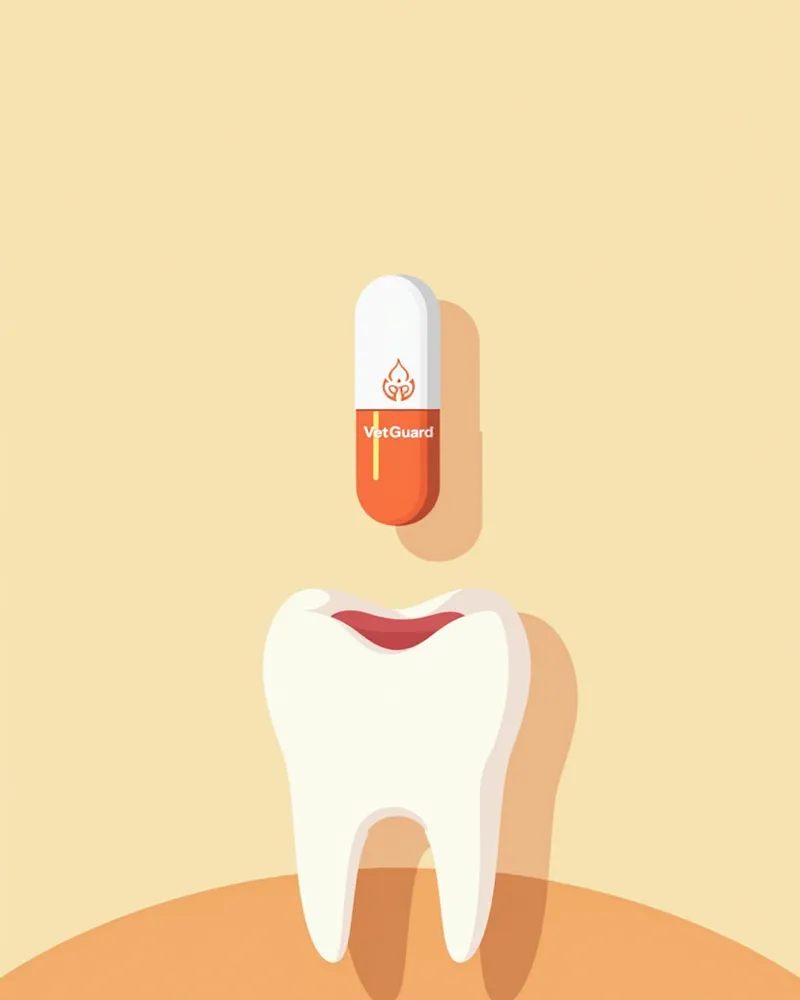
A tooth fracture occurs when the enamel or dentin of a tooth cracks or breaks. Depending on the depth of the fracture, the nerve (pulp) may become exposed. Cats tend to hide pain, making it difficult for owners to notice the problem in its early stages. If you observe one-sided chewing, scratching around the mouth, bad breath, decreased appetite, or drooling, a tooth fracture should be suspected. When the nerve is exposed, severe pain and bacterial infection can follow, making the condition an emergency. It is important to visit a veterinary clinic promptly if a tooth fracture is suspected.
What is a tooth fracture? See the related guide image.

Know-How 2: Diagnosis and Treatment Options

Veterinarians assess the extent of the fracture, whether the pulp is exposed, and the condition of the tooth root through oral examinations and dental radiographs. Superficial fractures without pulp exposure can often be managed with conservative treatment. If the pulp is exposed, the veterinarian will determine whether extraction or endodontic therapy (root canal treatment) is the most appropriate approach based on the specific case. If infection is present, a course of prescribed antibiotics may be necessary. The treatment plan is determined by the veterinarian after comprehensively evaluating factors such as the location of the fracture, the cat’s overall health, and the feasibility of saving the tooth.
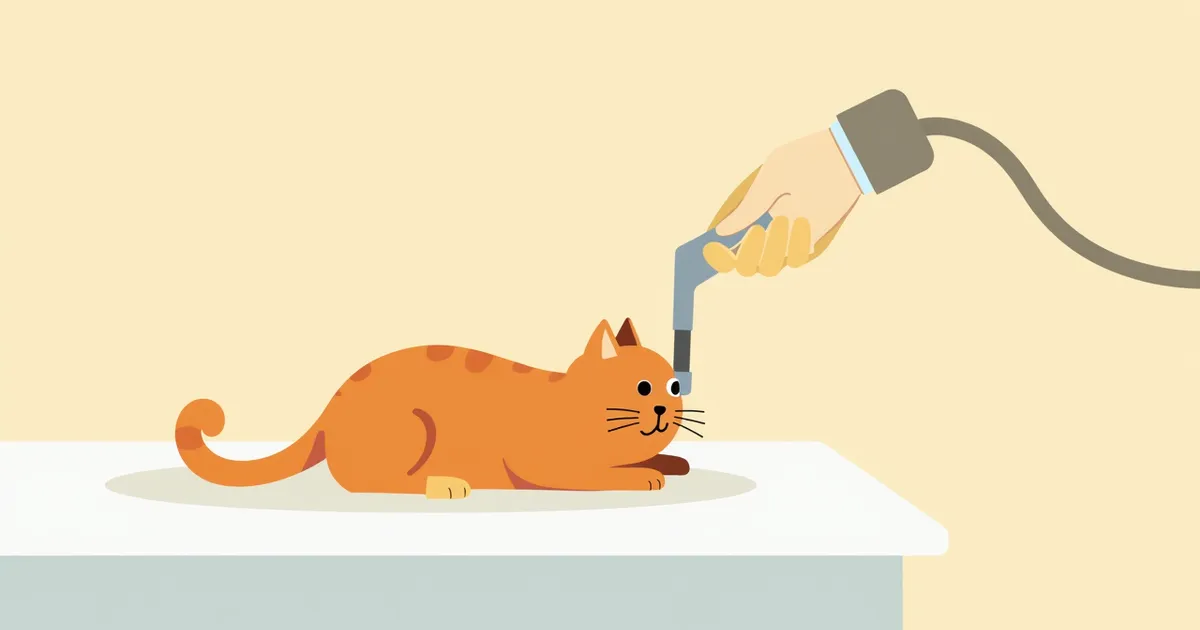
How are the diagnosis and treatment options? Related guide image

Know-How 3: Post-Treatment Care and Precautions
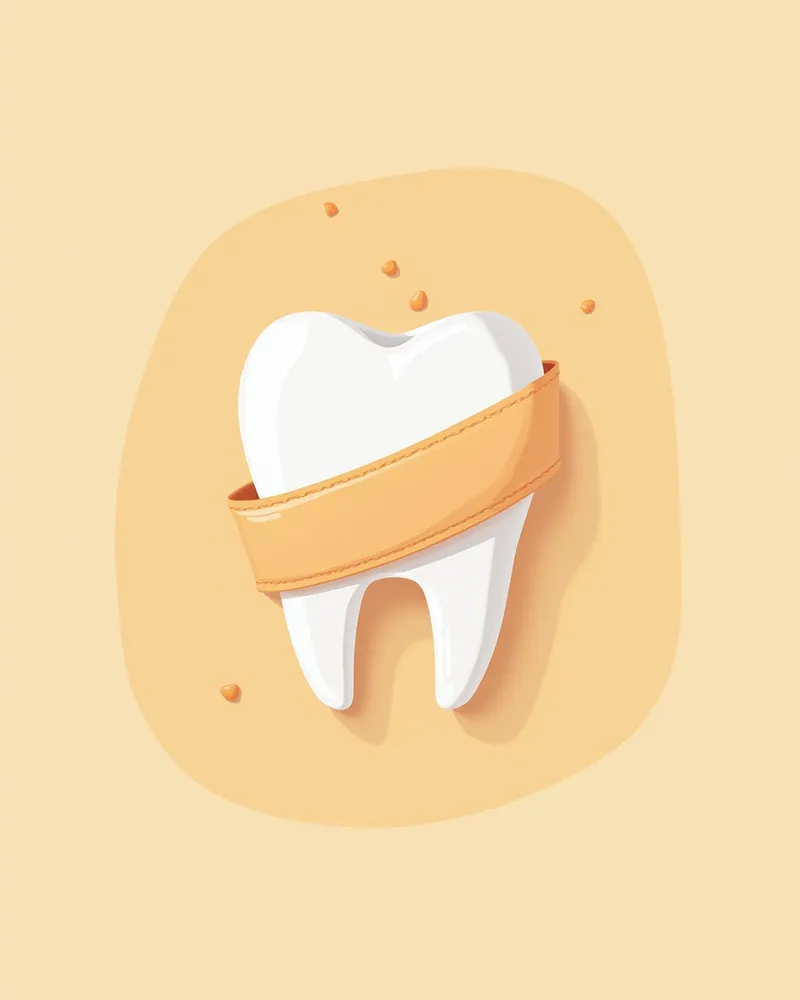
After treatment, provide the soft or prescription diet recommended by your veterinarian, and avoid hard treats or toys for the time being. Regular dental check-ups and professional cleanings are essential to prevent recurrence. At home, brush your cat’s teeth only as tolerated, under your veterinarian’s guidance. Be cautious with unverified products or self-prescribed supplements found online, as they may lack proven efficacy and could even hinder healing. For safety, always follow your veterinarian’s instructions regarding care and follow-up appointments.
Guidance image on post-treatment care and precautions

What Owners Should Know About Feline Tooth Fractures

ItemKey Points
SymptomsRefusing hard food, chewing only on one side, bad breath, decreased appetite, drooling
CauseFacial trauma such as traffic accidents or falls from heights, impact from chewing hard objects, teeth weakened by periodontal disease
DiagnosisOral examination + dental radiography to check the extent of the fracture and whether the pulp (nerve) is exposed
TreatmentExtraction or root canal (pulp) treatment, combined with prescribed antibiotics if infected
ManagementProvide soft food, regular oral checkups, limit hard treats

This is not a table recommending specific products or hospitals, but a reference for when consulting your veterinarian. Decisions about treatment and testing must always be made together with your veterinarian through an examination.

Caution: Immediate Veterinary Visit Is Required for Tooth Fractures

If your cat has a fractured tooth, trying to manage it at home can lead to infection or severe pain. It’s especially urgent if the tooth root is exposed or there’s bleeding from the mouth. The safest course of action is to have your cat examined by a veterinarian. Never attempt home treatment, and until you can visit the clinic, switch your cat to soft food and minimize any irritation to the mouth.

Usage Tips: What to Do If Your Cat Rejects the Product?
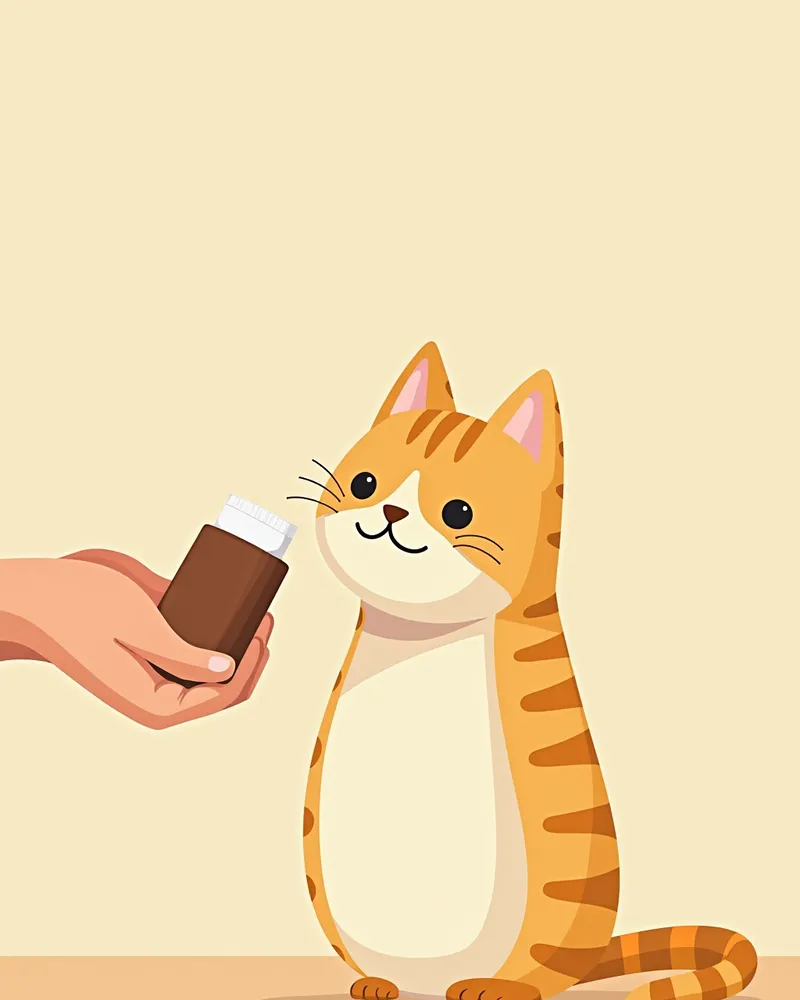
If your cat refuses dental care products, start by introducing the flavor. Products with scents your cat enjoys are more likely to be accepted naturally. Begin by offering small amounts to help them get used to it. Since the product may feel uncomfortable in their mouth, gradually familiarize them in a calm environment. If needed, consult your veterinarian about using owner-assisted tools.
A cat trying out a dental care product for the first time

Reviewed by a veterinarian

Dr. Tony — Punnawat Phongkittirak

Dr. Tony — Punnawat Phongkittirak

Veterinarian

A veterinarian who majored in veterinary medicine at Khon Kaen University, Thailand, and completed the IVSA program at North Carolina State University in the United States. Drawing on clinical experience at animal hospitals, he works in the pet healthcare field and is dedicated to building a digital care environment that connects pet parents with veterinarians.

Frequently Asked Questions

Should I go to the vet within 24 hours after a tooth fracture?
Yes, tooth fractures can cause significant pain and carry a high risk of infection, so it’s important to visit the vet as soon as possible. If there’s bleeding, it’s considered an emergency.
Is it safe to use dental care products at home?
It may be used for temporary relief, but having your pet examined by a veterinarian is the safest approach. The product is intended only as a supportive aid and cannot replace proper medical treatment.
What are the characteristics of cats that frequently experience tooth fractures?
Cats that have suffered strong impacts to the face, such as from traffic accidents or falls from heights, cats that frequently chew on hard objects, or cats with weakened teeth due to periodontal disease are at higher risk of tooth fractures. Reducing the risk of trauma and receiving regular dental check-ups can help.
Do cats often vomit after taking dental protection capsules?
Many at-home dental care products lack sufficient evidence of effectiveness and cannot replace professional veterinary treatment. If you suspect a tooth fracture, it’s safest to carefully examine your pet’s mouth and seek a proper diagnosis and treatment at a veterinary clinic rather than relying on over-the-counter products.
How should I feed my pet after a tooth fracture?
It’s best to offer soft, easy-to-eat foods. Avoid anything that might be difficult for your cat to chew or swallow, and always ensure fresh water is readily available. After meals, it’s a good idea to gently check your cat’s mouth for any signs of discomfort or irritation.

Share

Related Guides

References

[1] DeBowes LJ. Simple and surgical exodontia. Vet Clin North Am Small Anim Pract. 2005;35:963–984.

[2] Bellows J. Feline Dentistry – Oral Assessment, Treatment, and Preventative Care. 1st ed. Ames: Wiley-Blackwell; 2010.

[3] Perry R, Moore D, Scurrell E. Globe penetration in a cat following maxillary nerve block for dental surgery. J Feline Med Surg. 2015;17:66–72.

This information is based on veterinary literature and does not replace diagnosis or treatment. Please consult a veterinarian for specific health concerns.

Metapet Co., Ltd. | CEO: Park Sung-yong | Business Reg. No. 417-88-02562 | Seoul, South Korea | Customer Center

7 Best Vet-Recommended Cat Tooth Fracture Care Products | Meongsiljang