

When Cat Baby Teeth Don't Fall Out — Top 7 Must-Have Care Products and Selection Criteria
Retained deciduous teeth in cats occur when the permanent teeth fail to erupt, which may require orthodontic intervention. Proper care and selecting the right products are essential.
Retained Deciduous Teeth in Cats Are a Problem Caused by Improper Eruption of Permanent Teeth

Selection Criteria: Safety, Effectiveness, and Cat-Specific Design

BEST 1: Veterinarian-Recommended Dental Alignment Tool Set
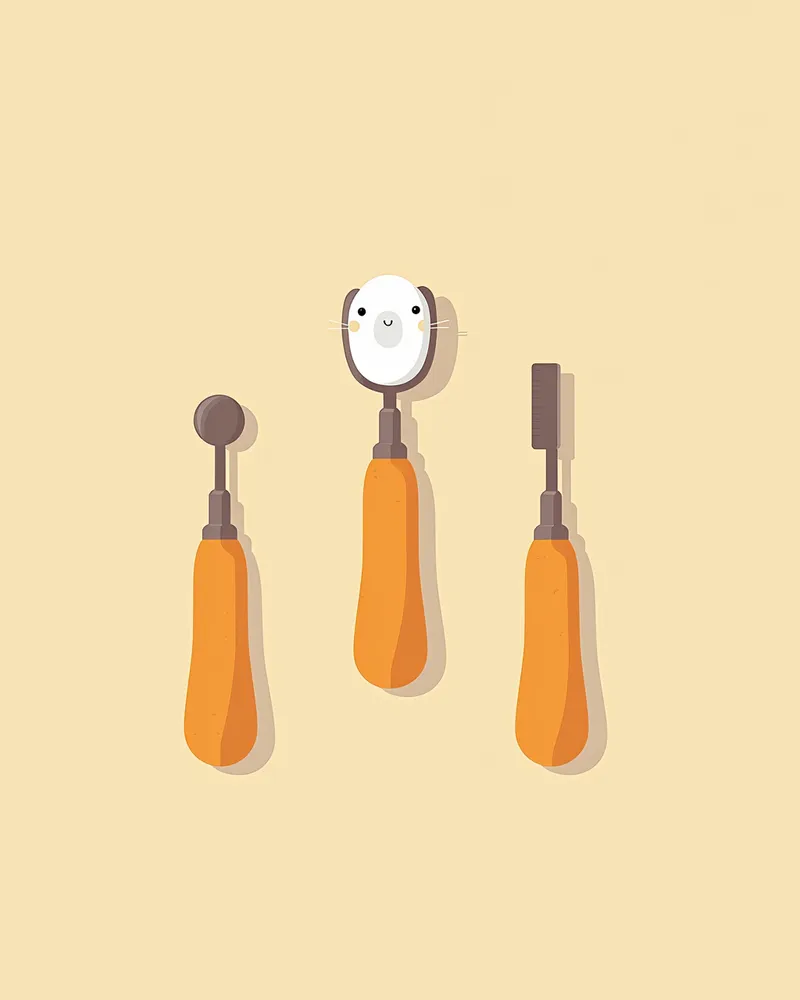
BEST 2: Cat-Specific Dental Cleaner Stick

BEST 3: Soft Dental Brush for Retained Deciduous Teeth

Comparison Table of Products BEST 1–3
| Item | BEST 1 Tooth Alignment Tool | BEST 2 Cleaner Stick | BEST 3 Brush |
|---|---|---|---|
| Main Function | Aids routine oral hygiene (plaque control) | Removes plaque, maintains dental hygiene | Removes plaque by brushing, dental care |
| Frequency of Use | Supplemental use once a day | 3 times a week | Can be used daily |
| Cat's Response | Good (vet recommended) | Very good (tastes good, eaten well) | Moderate (initial resistance) |
| Price Range | About $20 | About $10 | About $10 |
All of the above products are aids for routine oral hygiene, and retained deciduous teeth themselves must be removed by a veterinarian's extraction when the permanent teeth erupt. Price and response information is for reference only.
Early Management Is Essential for Retained Deciduous Teeth
Retained deciduous teeth are baby teeth that fail to fall out even as the permanent teeth begin to erupt. If left untreated, they can lead to malocclusion, where the permanent teeth grow crooked, or periodontal disease. Since a cat’s permanent teeth—especially the canines—typically start coming in around four to five months of age, it is essential to have a veterinarian check for any retained baby teeth during regular wellness exams during this period. Once the permanent teeth begin to emerge, veterinarians generally recommend extracting the retained deciduous teeth. Early detection allows for safer and more effective management.
Usage Tips: Allow Your Cat to Use Them Comfortably

Reviewed by a veterinarian

Dr. Tony — Punnawat Phongkittirak
VeterinarianA veterinarian who majored in veterinary medicine at Khon Kaen University, Thailand, and completed the IVSA program at North Carolina State University in the United States. Drawing on clinical experience at animal hospitals, he works in the pet healthcare field and is dedicated to building a digital care environment that connects pet parents with veterinarians.
Reviewed 2026-06-07
Frequently Asked Questions
How long should I wait for baby teeth to fall out on their own?
Is it okay to pull out a baby tooth myself?
In which cats is retained deciduous teeth commonly seen?
When can I start using dental care products?
Does a retained baby tooth always require a visit to the veterinarian?
Share
Related Guides

7 Best Cat Dental Chews for Tartar Prevention Recommended by Veterinarians and Selection Criteria

Top 5 Recommended Dental Treats for Dogs in 2026 — VOHC Certification Criteria

7 Criteria for Choosing Dog Tartar Prevention Dental Chews Recommended by Veterinarians

7 Key Points for Post-Kidney Transplant Care in Cats, Explained by a Veterinarian

7 Key Strategies for Managing Feline Kidney Tumors, According to Veterinarians

7 Key Mechanisms of Feline Renal Fibrosis Progression Explained by a Veterinarian
7 Best Ways to Manage Feline Kidney Cysts Recommended by Veterinarians and How to Choose

5 Key Indicators for Cat Kidney Blood Tests Recommended by Veterinarians — BUN, Creatinine, and SDMA

7 Best Practices for Pre- and Post-Kidney Biopsy Care in Cats and Selection Criteria According to Veterinarians

7 Key Strategies for Managing Feline Renal Amyloidosis Recommended by Veterinarians