Like
Share
멍실장
고양이 특발성 방광염 관리 추천 BEST와 고르는 기준 총정리

Top Recommended Products for Managing Feline Idiopathic Cystitis and Selection Criteria

UrinaryTop PicksMeongsiljang Veterinary Advisory Board

Feline idiopathic cystitis is a bladder inflammation of unknown cause, with stress and environmental changes being the main triggers. Effective management is key to relieving symptoms and preventing recurrence.

What is Feline Idiopathic Cystitis?

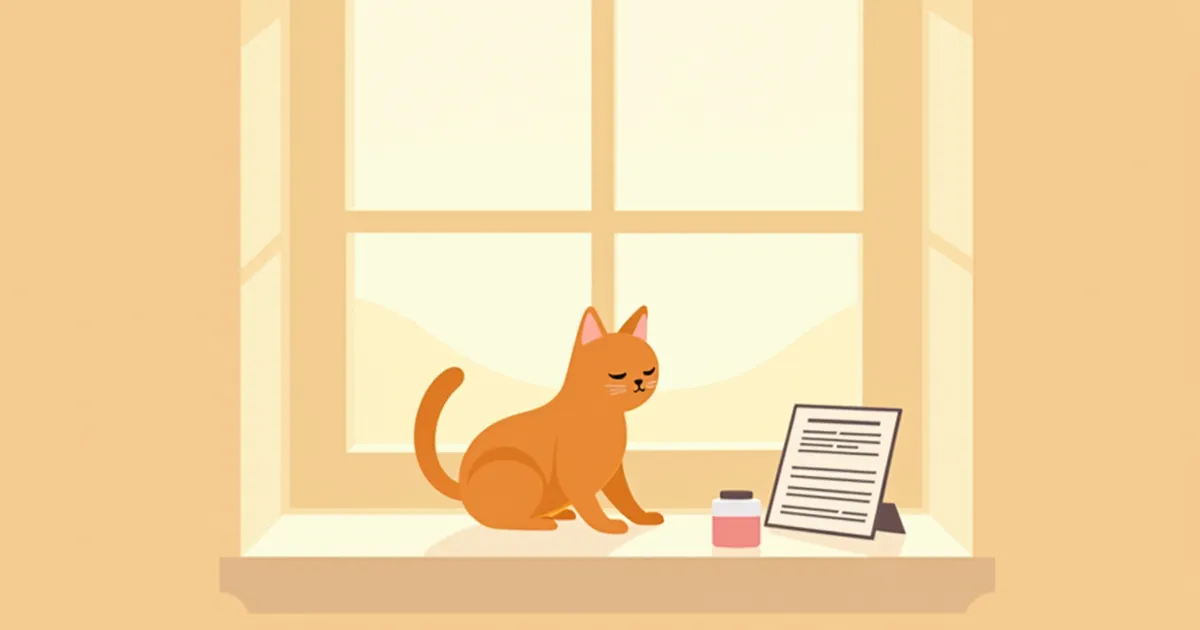
An anatomical image showing the inflammatory state of a cat's bladder
Feline idiopathic cystitis is a bladder inflammation with no clearly identifiable cause. Known triggers include stress, stressful environments, obesity, indoor living, lack of physical activity, conflicts in multi-cat households, and insufficient water intake. Common symptoms include difficulty urinating, blood in the urine, frequent trips to the litter box, and urinating in inappropriate places. This diagnosis is made by a veterinarian after ruling out underlying conditions through urine tests and other evaluations. While symptoms typically subside within 3 to 7 days, recurrences are common; therefore, management focuses on reducing stress through environmental adjustments and increasing water intake. Early detection and proper care are essential to prevent flare-ups.

Selection Criteria: Guide to Choosing Products for Managing Feline Idiopathic Cystitis

When selecting products to manage feline idiopathic cystitis, consider the following: - Bladder-supporting ingredients: Products containing glucosamine and hyaluronic acid, which are known to help protect the bladder mucosa, may be worth considering. However, these ingredients have not been definitively proven in veterinary textbooks to directly reduce inflammation or prevent recurrence. Therefore, it is essential to combine their use with foundational strategies such as stress reduction through environmental management and increased water intake. - Moisture content: Wet food or liquid supplements can encourage water consumption, supporting bladder health. In particular, increasing fluid intake is the most evidence-based core strategy for managing feline idiopathic cystitis. - Stress-reducing ingredients: Since stress is a well-known major trigger for feline idiopathic cystitis, it is advisable to consider environmental stress-reduction methods, such as pheromone products. Note that the effectiveness of specific ingredients or products may vary depending on each cat’s individual response. - Safety and ease of administration: Choose products based on your cat’s eating habits and the potential for side effects with long-term use. It is important to consult your veterinarian and use the product according to your cat’s weight and condition.
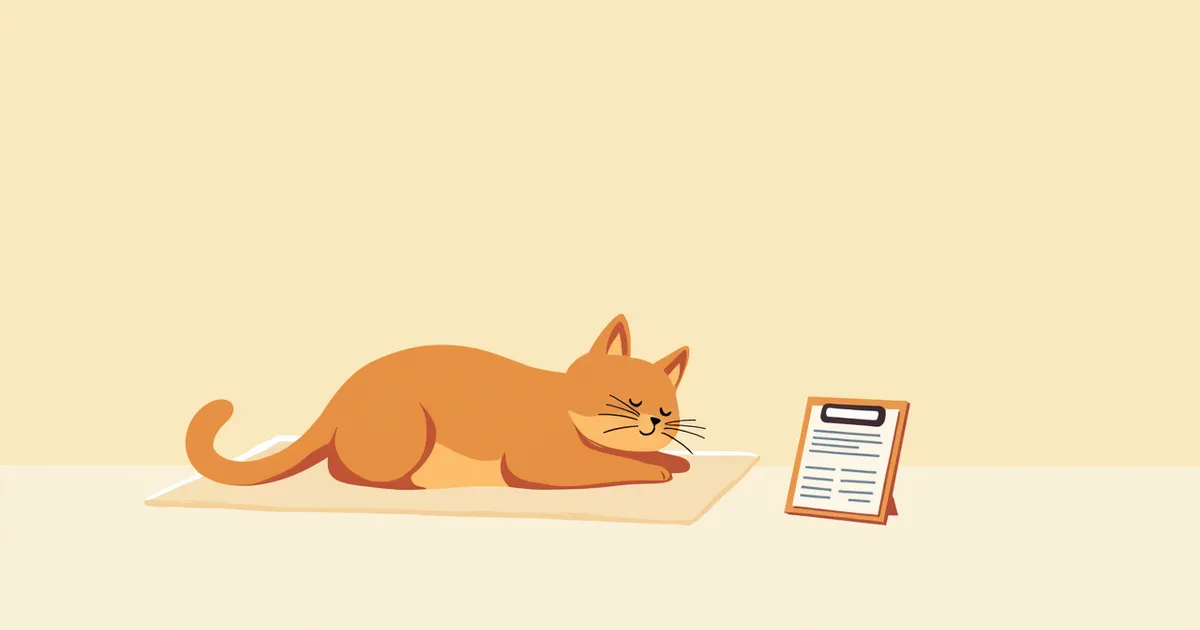
An image comparing the main ingredients in cat food

BEST 1: Premium Bladder Health Diet (Cat-Specific)

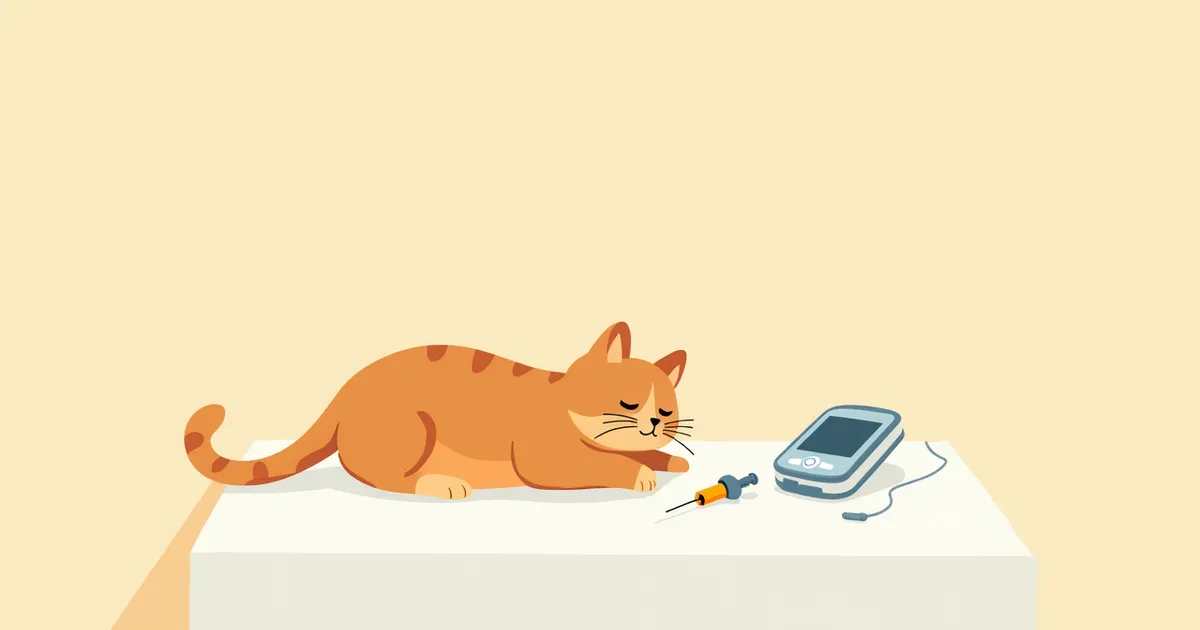
This diet is formulated to help manage feline idiopathic cystitis. Its high moisture content naturally encourages increased water intake, which is a cornerstone of bladder health management supported by veterinary guidelines. When combined with environmental modifications to reduce stress, it can help maintain urinary tract health. Recommended by veterinarians, this formula features a stable ingredient profile suitable for long-term feeding. To accommodate your cat’s eating habits, it is important to transition to this food gradually.
A cat enjoying its premium food.

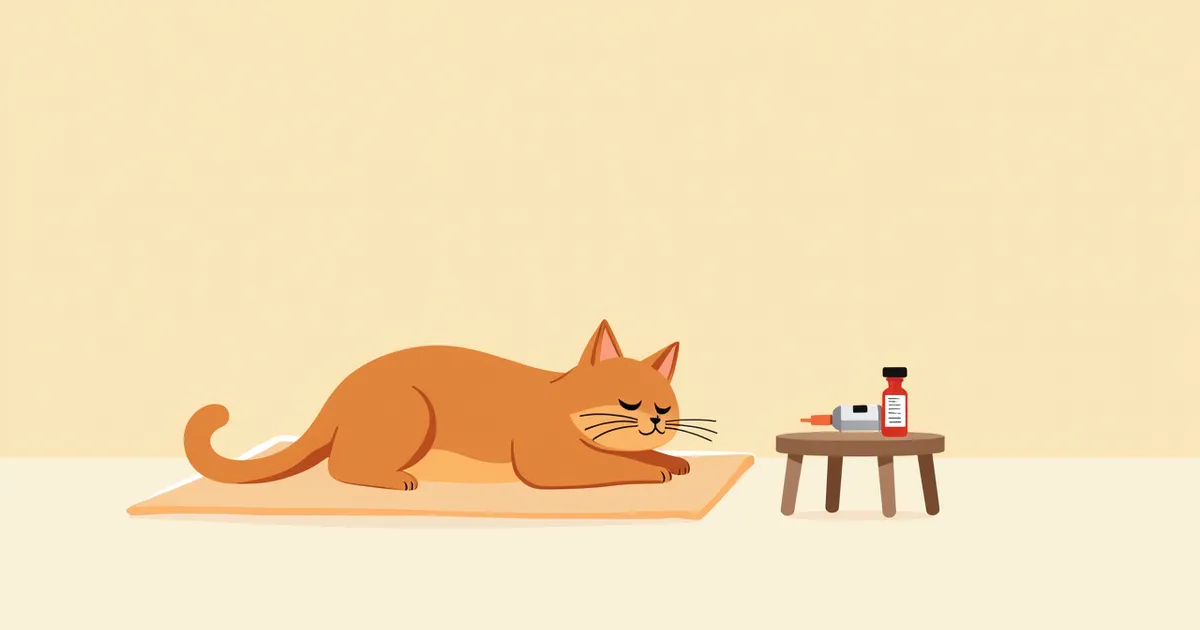
BEST 2: Bladder Protection Supplement (Liquid Form)
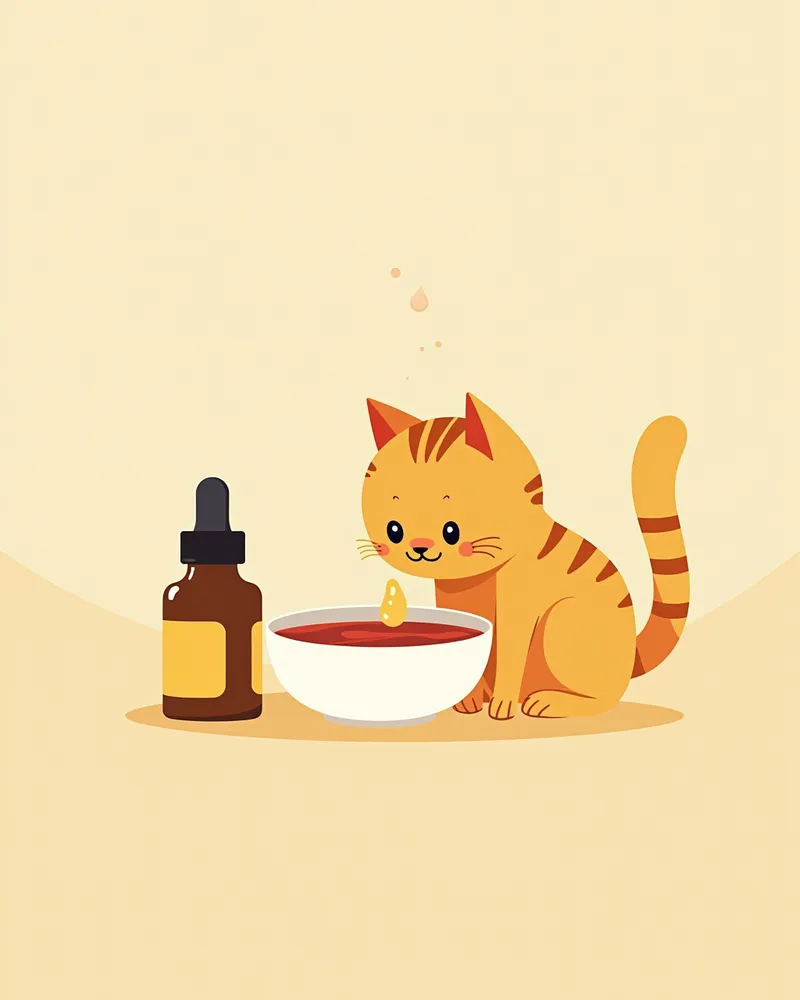
Liquid supplements are convenient because they’re easy for cats to take. They contain glucosamine and hyaluronic acid, which are known to help protect the bladder lining, but their effects aren’t definitively proven in textbooks. So, it’s best to combine them with basic care like stress reduction and encouraging water intake. Administer once daily as directed by your veterinarian to support bladder health. Be sure to follow the product’s concentration and dosage instructions precisely. Even with long-term use, it’s important to consistently monitor your cat’s response.
A cat enjoying liquid nutritional supplements

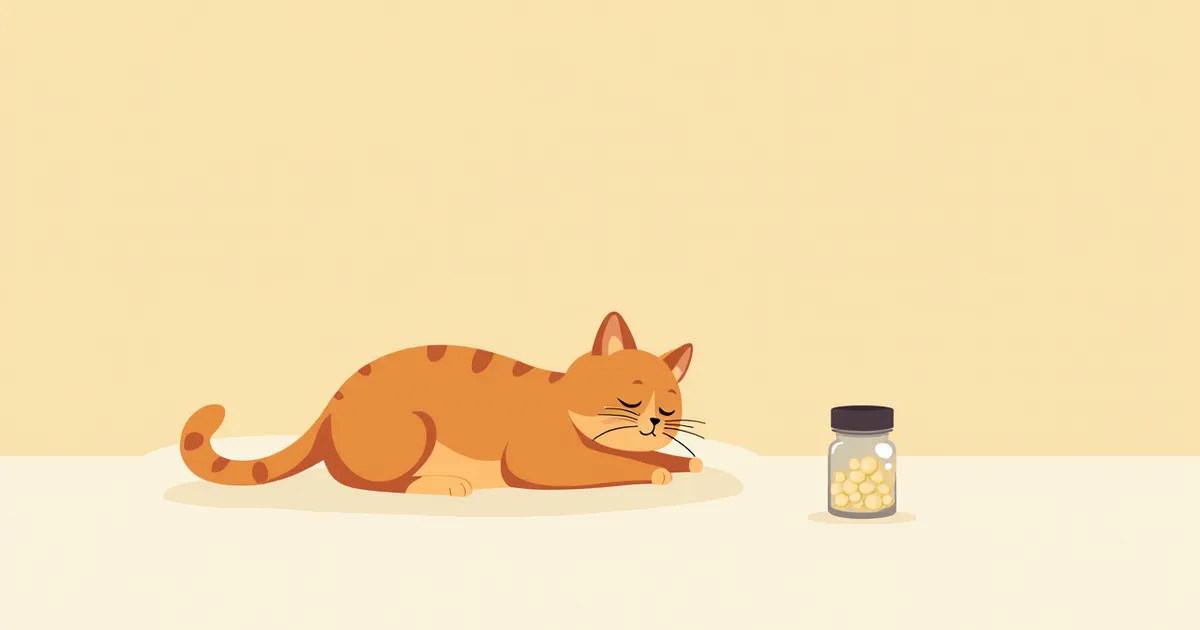
BEST 3: Stress-Reducing Pheromone Spray
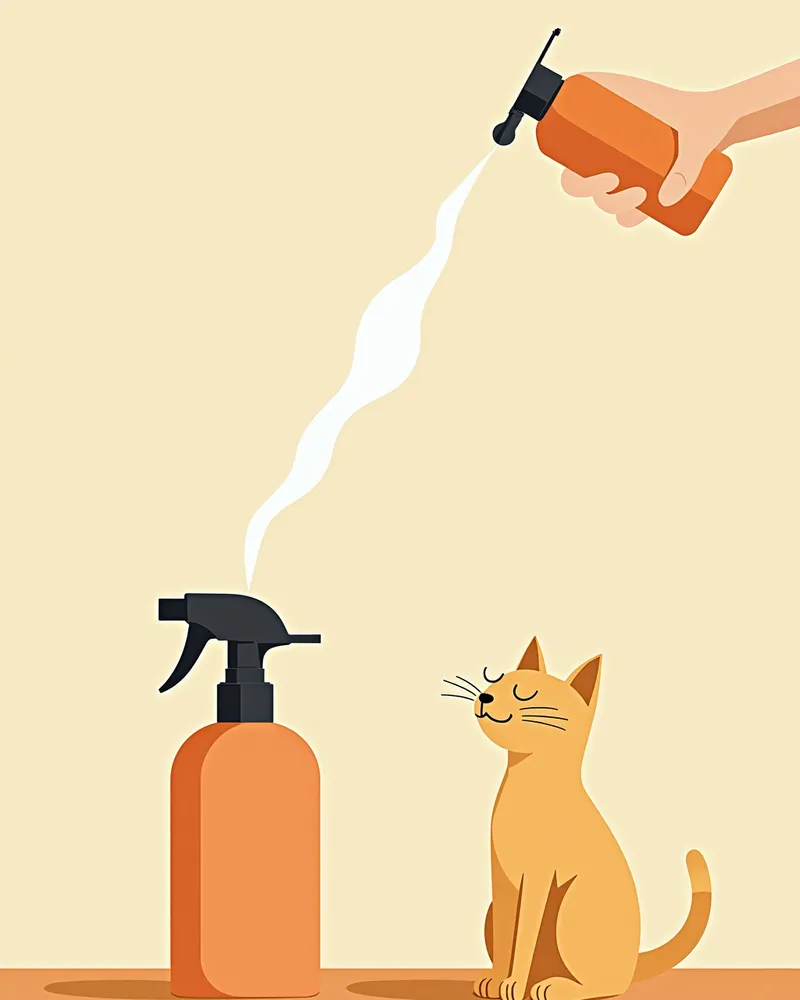
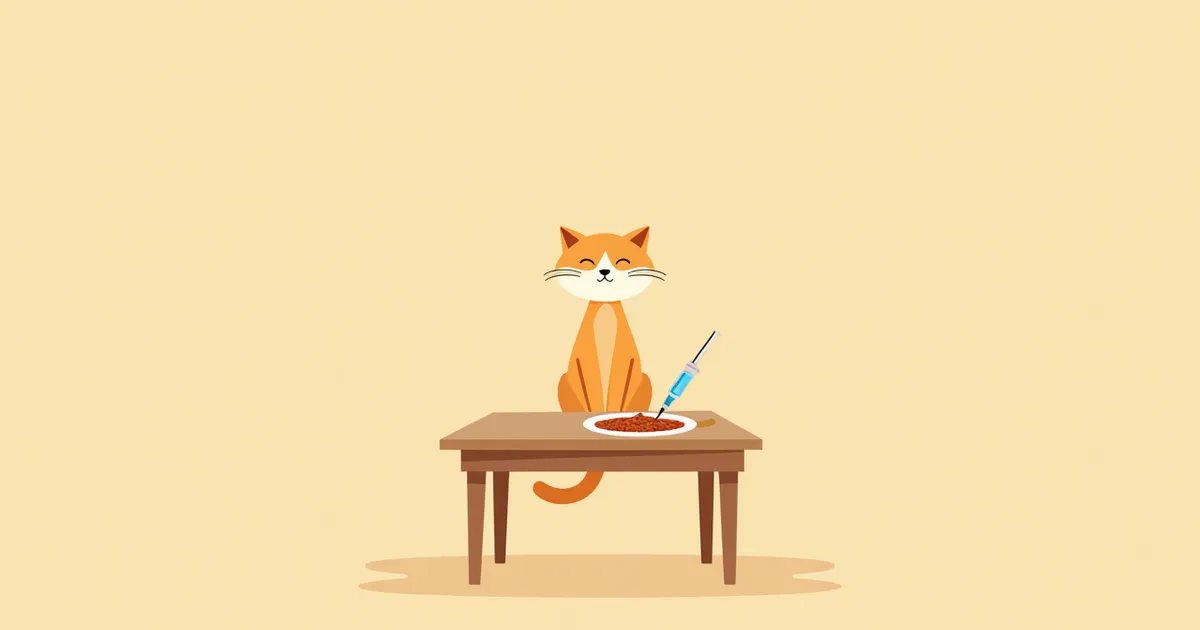
This pheromone spray mimics natural feline pheromones to help reduce stress. Since stress is a major trigger for feline idiopathic cystitis, lowering environmental stress through pheromones can help prevent recurrences. Spraying it around the litter box or near the bed helps your cat feel more secure. This veterinarian-recommended method is safe, with minimal side effects even with long-term use. It works alongside environmental adjustments to minimize stressors, and regular application helps maintain everyday calm.
Using a pheromone spray in a cat-friendly room

Comparison Table of BEST 1–3 Products

ItemProductMain IngredientsFormReason for Recommendation
BEST 1 FoodHigh-moisture ingredients, dietary control ingredientsFoodWetPromotes water intake and helps manage bladder health through dietary control
BEST 2 SupplementGlucosamine, hyaluronic acid, auxiliary ingredients for environmental control to relieve stressLiquidLiquidEasy to consume, supportive effect in protecting bladder mucosa (efficacy not established)
BEST 3 PheromoneNatural pheromone ingredientsSprayLiquidSupportive effect in preventing recurrence by reducing stress

Administer according to veterinary instructions and observe your cat's response.

Caution: Visit a Vet Immediately in Case of Overdose or Side Effects

Overdosing on supplements or pet food can lead to side effects such as diarrhea, vomiting, and decreased appetite. In particular, if your cat is frequently visiting the litter box but producing only small amounts of urine, or appears to be in pain while urinating, you should consult a veterinarian immediately.

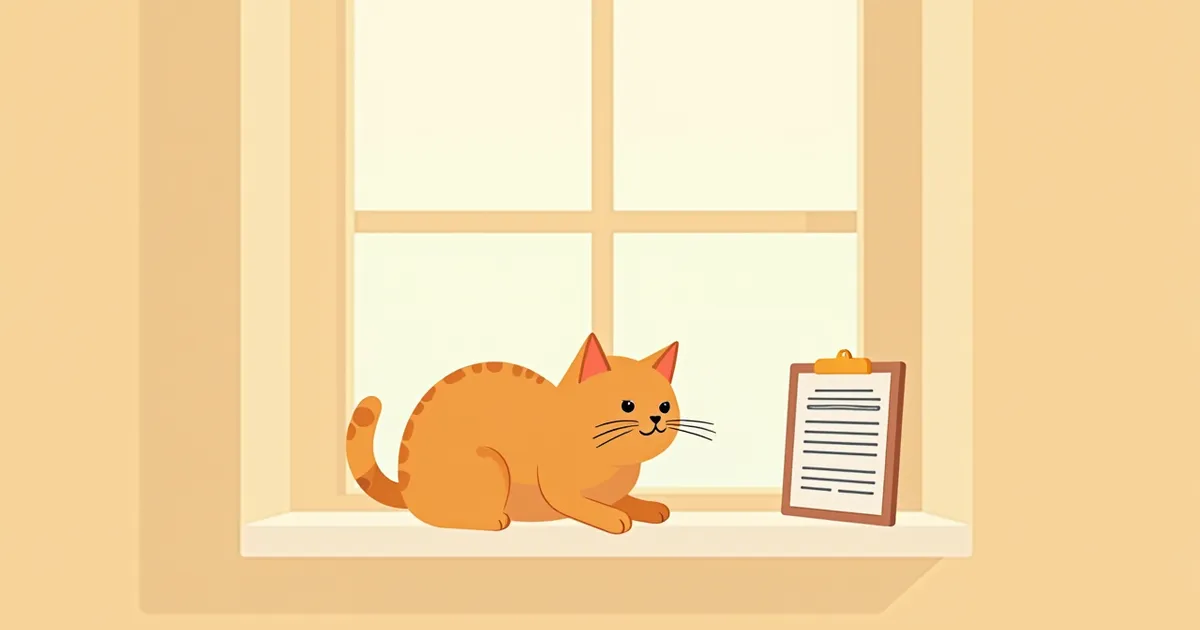
Usage Tips: Practical Checklist for Effective Management

Managing feline idiopathic cystitis requires more than just using specific products; it involves adjusting your cat’s overall environment and daily habits. - Increase the number of litter boxes: Provide at least one more litter box than the number of cats you have. In multi-level homes, it is recommended to place them on different floors. - Cleaning frequency: Clean the litter boxes thoroughly at least once a day and check and replace the litter daily. A dirty litter box can cause stress. - Remove stressors: Minimize potential stressors such as new furniture, visitors, and noise. Maintaining a stable environment is key. - Encourage water intake: Place water bowls in multiple locations and ensure the water is always fresh. You may also consider wet food or water fountain systems. - Regular check-ups: Work with your veterinarian to create a management plan and monitor your cat’s condition every 1 to 3 months. It is important to continuously track for recurrence and identify any stress factors.
Checklist for Managing Feline Cystitis Image

Reviewed by a veterinarian

Dr. Tony — Punnawat Phongkittirak

Dr. Tony — Punnawat Phongkittirak

Veterinarian

A veterinarian who majored in veterinary medicine at Khon Kaen University, Thailand, and completed the IVSA program at North Carolina State University in the United States. Drawing on clinical experience at animal hospitals, he works in the pet healthcare field and is dedicated to building a digital care environment that connects pet parents with veterinarians.

Frequently Asked Questions

Is feline idiopathic cystitis treatable?
Although the exact cause may be unclear, most pets can regain stability through symptom management and environmental adjustments. The key is preventing recurrence.
Will just changing the food help?
While specialized food can help, it’s not enough on its own. You’ll also need to remove stressors and improve your pet’s environment.
How long should I use the pheromone spray?
It is best to continue using it consistently while the stress persists, and gradually reduce the amount once the condition stabilizes.
Can I use the product without consulting a veterinarian?
It’s safest to use under the guidance and diagnosis of a veterinarian. Special care is needed if your pet has underlying health conditions.
What should I do if the condition keeps recurring?
It’s important to identify environmental stressors and work with your veterinarian to develop a personalized management plan.

Share

Related Guides

References

[1] Feline Emergency and Critical Care Medicine, 2nd Ed, 2021

[2] The Cat: Clinical Medicine and Management, 2nd Edition, 2020

[3] Plumb's Veterinary Drug Handbook, 9th Edition, 2022

This information is based on veterinary literature and does not replace diagnosis or treatment. Please consult a veterinarian for specific health concerns.

Metapet Co., Ltd. | CEO: Park Sung-yong | Business Reg. No. 417-88-02562 | Seoul, South Korea | Customer Center

Best Products for Feline Idiopathic Cystitis: How to Choose | Meongsiljang