
7 Key Products for Managing Feline Hypercalcemia Recommended by Veterinarians and Selection Criteria
Feline hypercalcemia is an endocrine disorder characterized by elevated calcium levels, making early detection and proper management crucial. We’ve outlined key criteria for selecting tailored care products and supplements.
Complete Guide to Top Recommended Products for Managing Feline Hypercalcemia

Key Criteria for Selecting Products to Manage Feline Hypercalcemia

BEST 1: Calcium Balance Capsules (Cat-Specific)
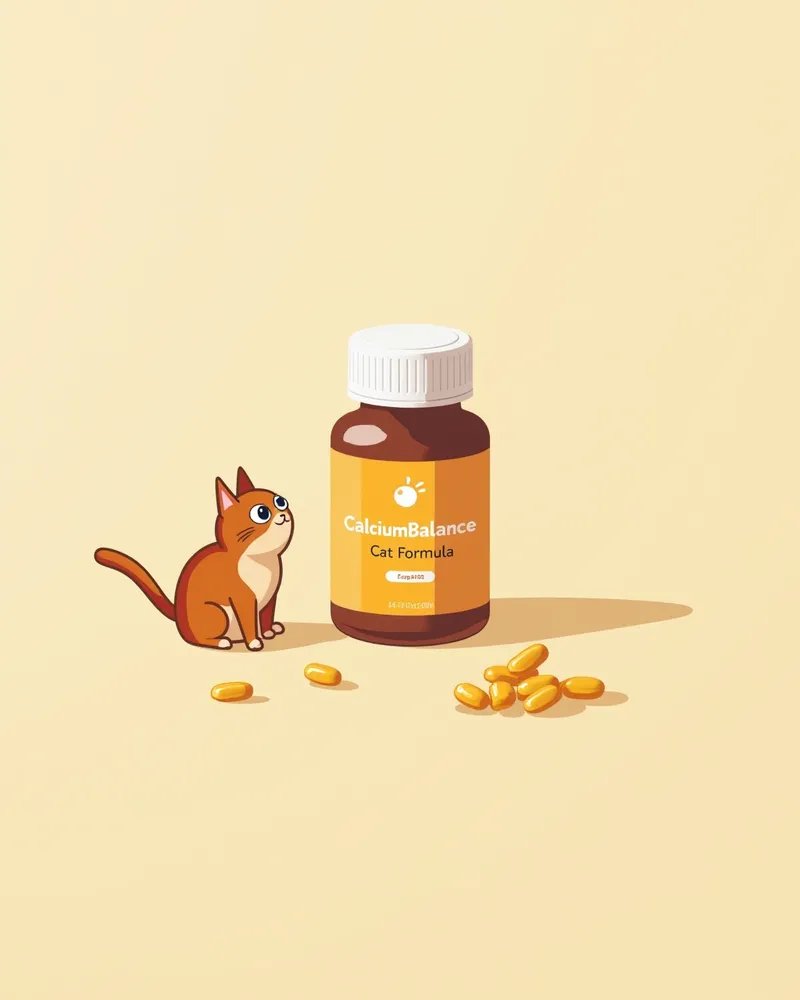
BEST 2: Low-Calcium Cat Food Premium Line
BEST 3: Calcium Reduce Liquid Supplement
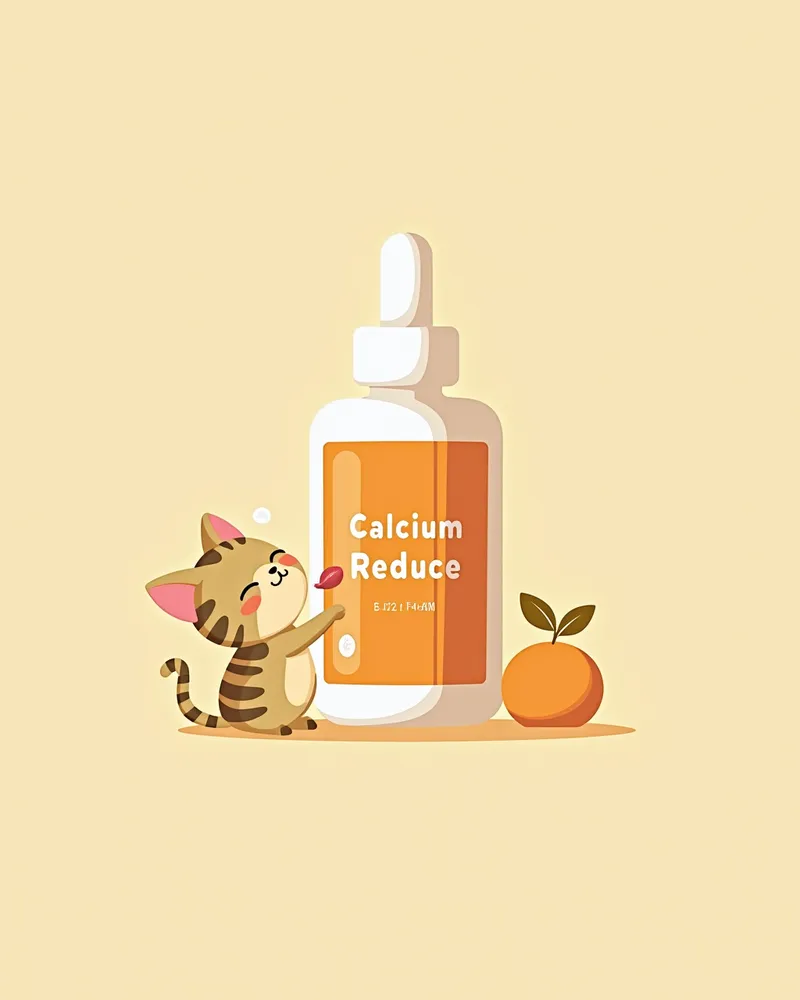
Comparison Table of BEST 1–3 Products: Products for Managing Feline Hypercalcemia
| Item | Calcium Balance Capsule | Low-Calcium Diet Premium | Calcium Reduce Liquid |
|---|---|---|---|
| Calcium-Regulating Ingredient | Claims to inhibit calcium absorption (efficacy unverified) | Low-calcium diet (textbook-recommended direction) | Claims to promote calcium excretion (efficacy unverified) |
| Administration Method | Capsule | Diet | Liquid dropper |
| Daily Dose | Dose as directed by veterinarian | Dose as directed by veterinarian | Dose as directed by veterinarian |
| Recommended Age | Veterinary judgment required | Veterinary judgment required | Veterinary judgment required |
| Possibility of Side Effects | No validated data | No validated data | No validated data |
Hypercalcemia is defined as serum total calcium of 11 mg/dL (ionized calcium 1.4 mmol/L) or higher, and the basis of management is identifying and treating the cause along with dietary calcium restriction. No product has been clinically validated for efficacy or safety, so use only after veterinary diagnosis and consultation, and in acute conditions visit the clinic immediately.
Caution: Excessive Calcium Regulation Can Be Dangerous
Calcium levels must be carefully managed within the target range set by your veterinarian. Veterinary guidelines recommend keeping blood calcium below 12.5 mg/dL and regularly monitoring serum calcium and phosphorus levels. Arbitrarily lowering calcium too much or using unverified products can actually be dangerous. Cats with compromised kidney function or chronic kidney disease are at higher risk for hypercalcemia, so their calcium levels should be adjusted cautiously and under veterinary supervision.
Tips for Managing Feline Hypercalcemia

Reviewed by a veterinarian

Dr. Tony — Punnawat Phongkittirak
VeterinarianA veterinarian who majored in veterinary medicine at Khon Kaen University, Thailand, and completed the IVSA program at North Carolina State University in the United States. Drawing on clinical experience at animal hospitals, he works in the pet healthcare field and is dedicated to building a digital care environment that connects pet parents with veterinarians.
Reviewed 2026-06-01
Frequently Asked Questions
Can feline hypercalcemia be cured?
Can I change my cat’s food if it has hypercalcemia?
Will giving supplements help lower calcium levels quickly?
Is it okay for a cat with hypercalcemia to drink a lot of water?
What should I do if my cat refuses to take supplements?
Share
Related Guides

Top 5 Prescription Dog Foods for Diabetes Recommended by Veterinarians — Blood Sugar-Stabilizing Food Comparison

7 Key Points for Canine Thyroid T4 Testing by Veterinarians — From Timing to Result Interpretation

7 Key Management Tips for Canine Pheochromocytoma (Adrenal Medullary Tumor) Recommended by Veterinarians

Top 5 Recommended Recovery Diets for Dogs After Joint Surgery — Nutritionally Balanced Food for the Recovery Period

When Are Prescription Diets Needed for Dogs? — Selection Criteria by Kidney, Liver, and Obesity Conditions

Top 5 Cat Water Fountains for Increasing Water Intake and Kidney Health

5 Key Differences in Dog Food Grades Explained by a Veterinarian

Complete Guide to Dog Breeds — Characteristics and Health Checkpoints for Small, Medium, and Large Breeds

My Senior Cat Won’t Eat — A Complete Guide to Choosing Food for Cats with Weak Digestion

Top 5 Medicated Dog Shampoos — For Pyoderma and Bacterial Infections
References
[1] Chew DJ, Leonard M, Muir W. Effect of sodium bicarbonate infusions on ionized calcium and total calcium concentrations in serum of clinically normal cats. Am J Vet Res. 1989;50(1):145–150.
[2] Taylor SS, Sparkes AH, Briscoe K, et al. ISFM consensus guidelines on the diagnosis and management of hypertension in cats. J Feline Med Surg. 2017;19(3):28.
[3] Hostutler RA, DiBartola SP, Chew DJ, et al. Comparison of the effects of calcium carbonate associated with other reno-protectant substances on blood parameters and mineral balance in adult cats. Int J Appl Res Vet Med. 2014;12(1):8–17.