Like
Share
멍실장
강아지 구강 유두종 관리 추천 BEST와 고르는 기준 총정리

Top Recommended Products for Canine Oral Papilloma Care and Selection Criteria

Oral HealthTop PicksMeongsiljang Veterinary Advisory Board

Canine oral papillomas are benign tumors caused by the flat papillomavirus and are most commonly seen in young dogs between six months and two years of age. With the right care products and approach, you can help ease symptoms and support your dog’s recovery.

Canine Oral Papillomas Are Benign Tumors That Develop in the Mouth

Papilloma lesions in a dog's mouth
Canine oral papillomas are benign tumors caused by the canine papillomavirus type 1 (CPV-1). They are most common in puppies under two years of age whose immune systems are not yet fully developed, often presenting as cauliflower-like wart lesions on the lips and at the mucocutaneous junction. If these lesions become numerous or large, they can interfere with eating and swallowing. Malignant transformation is very rare. - Most resolve spontaneously: In many cases, the lesions disappear on their own within 6 to 24 months without any specific treatment. - Safety first: Avoid touching or squeezing the lesions with your hands, and manage your dog’s diet with soft food to ensure comfortable eating. - Continuous monitoring: Regularly observe changes in the size, number, and color of the lesions, and consult your veterinarian if you notice abnormalities such as bleeding or secondary infection.

Key Information: Managing Canine Oral Papillomas

Canine oral papillomas typically resolve on their own over time without specific treatment, so the key to management is safe monitoring and veterinary consultation rather than aggressive intervention. Standard accepted approaches include watchful waiting for spontaneous resolution, surgical excision when lesions are large or impair function, and CO2 laser ablation for multiple lesions. Some reports suggest that azithromycin may accelerate resolution. It is best to prioritize your veterinarian’s assessment based on the lesion’s condition rather than selecting products on your own.
Watchful waiting: Most lesions disappear spontaneously within 6 to 24 months.
Surgical excision: Considered when lesions are large or interfere with eating.
CO2 laser ablation: Effectively removes multiple lesions.
Management of secondary infections: If bacterial infection is present, follow your veterinarian’s prescription.
Prioritize veterinary consultation: Treatment methods are determined by your veterinarian based on the size, number, and location of the lesions.
Comparison of Products for Managing Canine Oral Papillomas

Key Information 1: What Is the Condition and How Serious Is It?

Oral papillomas are a condition caused by canine papillomavirus type 1 (CPV-1), characterized by the appearance of multiple cauliflower-like wart growths inside the mouth, on the gums, tongue, and around the lips. This condition primarily affects puppies under two years of age whose immune systems are not yet fully developed, and it spreads through direct contact between dogs or exposure to the virus in the environment. Most cases follow a benign course and resolve spontaneously within 6 to 24 months, with malignant transformation being very rare. However, if the growths are numerous or large enough to make eating difficult, or if they are accompanied by bleeding or secondary infections, you should seek veterinary care promptly.
What is the condition, and how severe is it? Related guide image

Key Information 2: Diagnosis and Treatment Options
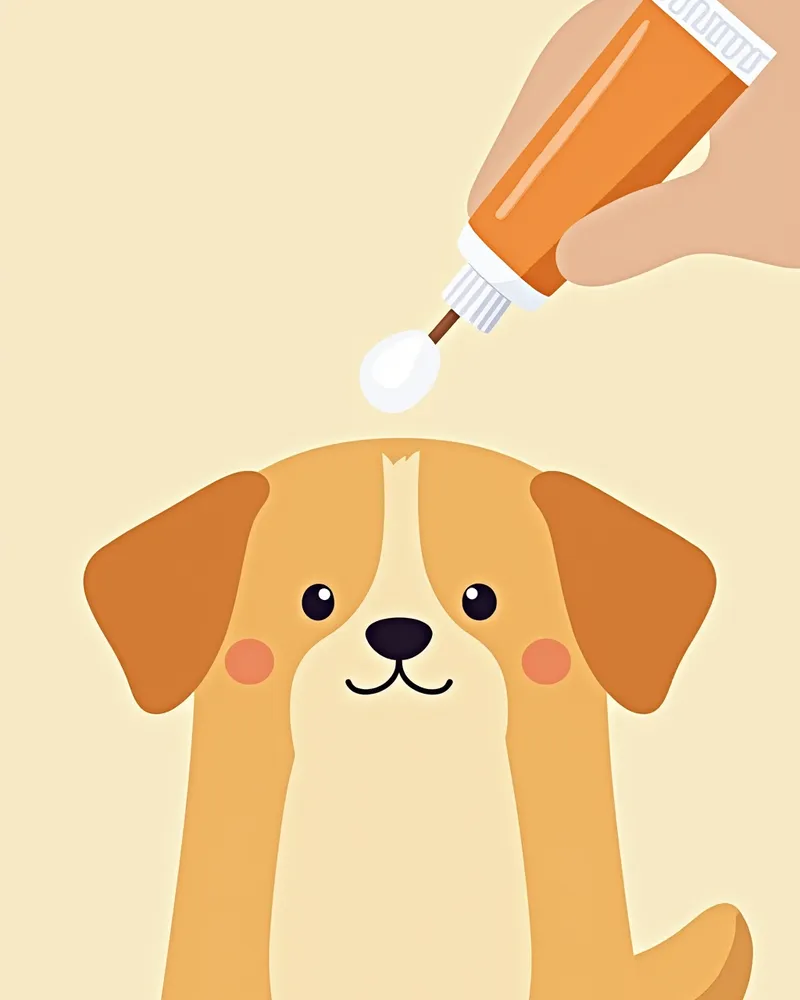
While diagnosis is often initially based on visual examination, incisional or excisional biopsy and histopathological analysis are required to differentiate the condition from other oral tumors and confirm the diagnosis. Treatment generally falls into three categories: first, monitoring the case with the hope of spontaneous resolution; second, surgical excision for large lesions or those causing functional impairment, or CO2 laser ablation for multiple lesions; and third, the use of veterinarian-prescribed antibiotics if secondary bacterial infection is present (some reports suggest azithromycin may accelerate resolution). The most appropriate approach will be determined by your veterinarian based on the size, number, and location of the lesions, as well as your dog’s overall health status.
What are the diagnostic and treatment options? Related guide image

Key Information 3: Home Care and Precautions

While waiting for the growths to resolve on their own, offer soft food instead of hard kibble, and avoid touching or squeezing the lesions. It’s best to limit contact with other dogs until resolution is confirmed. Claims found online that certain supplements or home remedies can suppress the virus or prevent recurrence lack scientific evidence. If the growths enlarge rapidly, increase in number, or change color, seek immediate veterinary re-evaluation. Always make all treatment and prescription decisions in consultation with your veterinarian.
Guidance on home care and precautions

What Owners Should Know About Canine Oral Papillomas

ItemKey Points
SymptomsCauliflower-shaped wart-like growths inside the mouth and around the lips
CauseCanine papillomavirus (CPV-1), spread by direct dog-to-dog contact or through the environment
DiagnosisVisual findings + biopsy for definitive confirmation
TreatmentObservation/monitoring, surgical excision, CO2 laser, antibiotics (veterinarian's decision)
CautionAvoid using unverified supplements or folk remedies

This is not a table recommending specific products or clinics; it is a reference for when you consult your veterinarian. Always make treatment and diagnostic decisions together with your veterinarian through an examination.

Caution: Excessive Use Can Cause Irritation

Frequent use of unverified oral sprays or gels can irritate the oral mucosa and exacerbate lesions. Since oral papillomas typically resolve on their own, it is safer to monitor the condition rather than apply products indiscriminately. If the lesions worsen or your dog shows difficulty swallowing or reluctance to open its mouth, discontinue use immediately and consult your veterinarian. Always seek veterinary advice before starting any treatment.

Usage Tips and Care Points

The key to managing oral papillomas in dogs is consistent monitoring and a safe environment, rather than aggressive treatment. In most cases, the warts resolve on their own as the dog matures and its immune system strengthens, so it is more important to monitor changes in the lesions than to apply unverified products after meals. Avoid sharing utensils with other dogs, and make it a habit to check your dog’s mouth regularly. If you notice bleeding, secondary infections, or difficulty eating, consult your veterinarian regularly.
Monitor Progress: Most cases resolve naturally within 6–24 months.
Regular Checks: Quickly assess changes in the size, number, and color of the lesions.
No Shared Utensils: Prevent the spread of infection, as the virus transmits through direct contact.
Avoid Aggressive Treatment: Unverified supplements and home remedies lack scientific evidence.
Veterinary Consultation: Professional follow-up is necessary if secondary infections or functional impairments occur.
A pet parent checking their dog’s mouth

Reviewed by a veterinarian

Dr. Tony — Punnawat Phongkittirak

Dr. Tony — Punnawat Phongkittirak

Veterinarian

A veterinarian who majored in veterinary medicine at Khon Kaen University, Thailand, and completed the IVSA program at North Carolina State University in the United States. Drawing on clinical experience at animal hospitals, he works in the pet healthcare field and is dedicated to building a digital care environment that connects pet parents with veterinarians.

Frequently Asked Questions

Do oral papillomas in dogs resolve on their own?
In most cases, the lesions resolve naturally over 6 to 24 months. However, some pets may develop numerous nodules or experience a slower recovery, and certain reports suggest that veterinarian-prescribed medications such as azithromycin can accelerate resolution. The decision to pursue treatment should be made by a veterinarian based on an assessment of the lesions.
Can oral papillomas spread to other dogs?
Canine papillomavirus spreads through direct contact or exposure to the virus in the environment, and it primarily affects young puppies. Avoid sharing items with other dogs, and limit contact until the lesions have completely resolved.
Should dogs avoid swallowing oral spray?
There is no proven, dedicated spray treatment specifically for oral papillomas. Standard textbook treatments include monitoring the condition, surgical excision, CO2 laser therapy, and antibiotics when necessary. Rather than using products on your own, be sure to consult with your veterinarian before starting any treatment.
Should I take my pet to the vet immediately if oral papillomas develop?
If symptoms are severe or your pet has difficulty eating, consult a veterinarian. Professional treatment may be necessary if lesions grow rapidly, increase in number, or are accompanied by bleeding or secondary infections.
How long should I continue using oral care products?
There’s no fixed duration for using specialized products proven to manage oral papillomas. Since most cases resolve on their own, it’s best to follow your veterinarian’s guidance rather than using the product arbitrarily, and schedule a follow-up visit if you notice any changes even after the lesions have disappeared.

Share

Related Guides

References

[1] Plumb's Veterinary Drug Handbook, 9th Edition. Wiley-Blackwell, 2022.

[2] Feldman, B.F., Nelson, R.W., & Reusch, C.E. (2013). Schalm's Veterinary Hematology, 6th Edition. Wiley-Blackwell.

[3] American Veterinary Medical Association. (2021). Canine Oral Papillomatosis: Diagnosis and Management. AVMA Guidelines.

This information is based on veterinary literature and does not replace diagnosis or treatment. Please consult a veterinarian for specific health concerns.

Metapet Co., Ltd. | CEO: Park Sung-yong | Business Reg. No. 417-88-02562 | Seoul, South Korea | Customer Center

Canine Oral Papilloma Care: Best Products & How to Choose | Meongsiljang