Like
Share
멍실장
고양이 부갑상선기능저하증 관리 추천 BEST와 고르는 기준 총정리

7 Best Management Products for Feline Hypoparathyroidism Recommended by Veterinarians — Key to Calcium Supplementation

EndocrineTop PicksMeongsiljang Veterinary Advisory Board

Feline hypoparathyroidism is an endocrine disorder that causes seizures and muscle rigidity due to impaired calcium regulation. Choosing the right management products and supplements is key to effective treatment.

Feline Hypoparathyroidism Is a Calcium Regulation Disorder
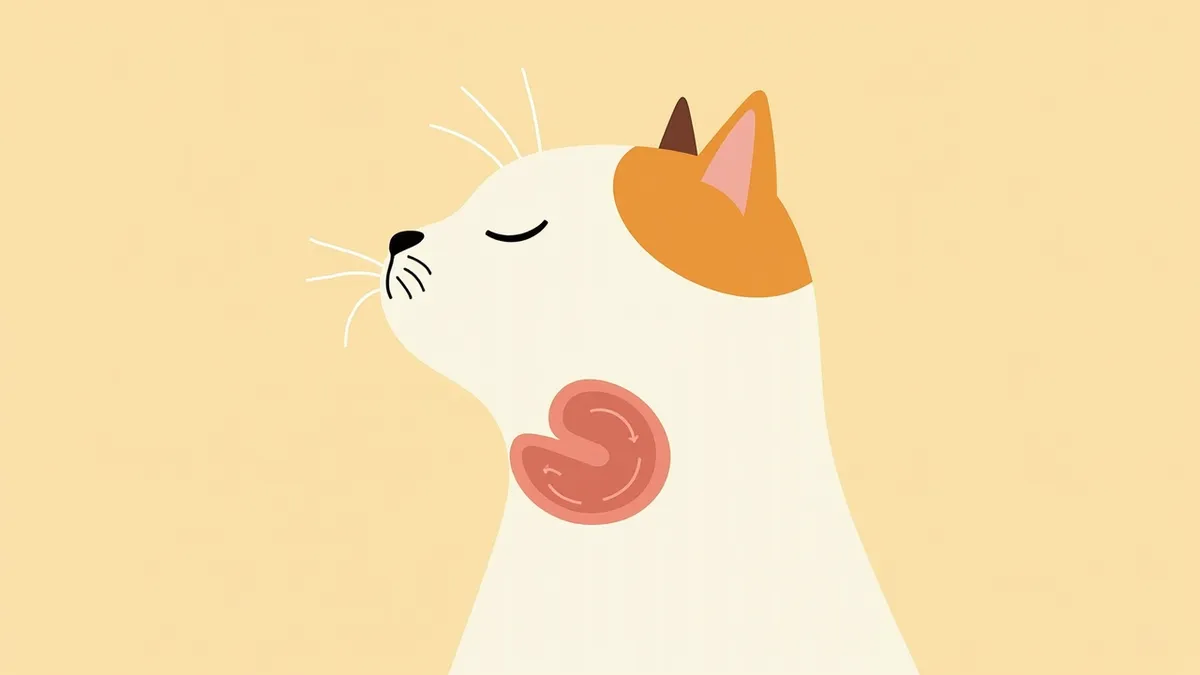
An anatomical image showing the location of the parathyroid glands in cats
Feline hypoparathyroidism is an endocrine disorder in which low levels of parathyroid hormone cause blood calcium to drop. - Calcium deficiency: Low calcium can lead to muscle spasms, seizures, and nervousness. - Vitamin D is essential: Vitamin D, which aids calcium absorption, is crucial for treatment. - Diagnosis based on blood tests: Accurate diagnosis requires careful blood testing to check calcium and phosphorus levels. - Veterinary guidance is mandatory: Treatment must be carried out under a veterinarian’s supervision, as excessive intake can cause adverse effects. - Long-term management is necessary: Rather than short-term treatment, ongoing monitoring and dietary management are key.

Key Criteria for Choosing Management Products
When selecting a product to manage hypoparathyroidism, carefully evaluate the balance of calcium and vitamin D, stability, ease of administration, and potential side effects. It is important to choose a product under veterinary guidance, tailored to your pet’s weight and blood test results.
Appropriate calcium content: Excessively high calcium levels can increase the risk of side effects.
Vitamin D supplementation: An essential component that aids in calcium absorption.
Convenient dosage form: Choose a form—powder, capsule, or liquid—that suits your cat’s preferences.
Minimized side effects: Prioritize products that cause less gastrointestinal discomfort or diarrhea.
Veterinarian-recommended products: These are backed by clinical data and proven for safety.
A cat taking a veterinarian-recommended supplement.

BEST 1: Calciorium Premium Capsules

Calciorium Premium Capsules are a cat-specific supplement formulated with a balanced combination of calcium and vitamin D3. Each capsule contains 250 mg of calcium and 100 IU of vitamin D3, precisely calibrated for optimal efficacy. The capsule format is designed for easy swallowing by cats. Frequently recommended by veterinarians in clinical practice, this product has demonstrated proven safety for long-term use.
Pros: Excellent balance of calcium and vitamin D, high ease of administration, and very few reported adverse effects.
Cons: The capsule size may be difficult for some cats to swallow.
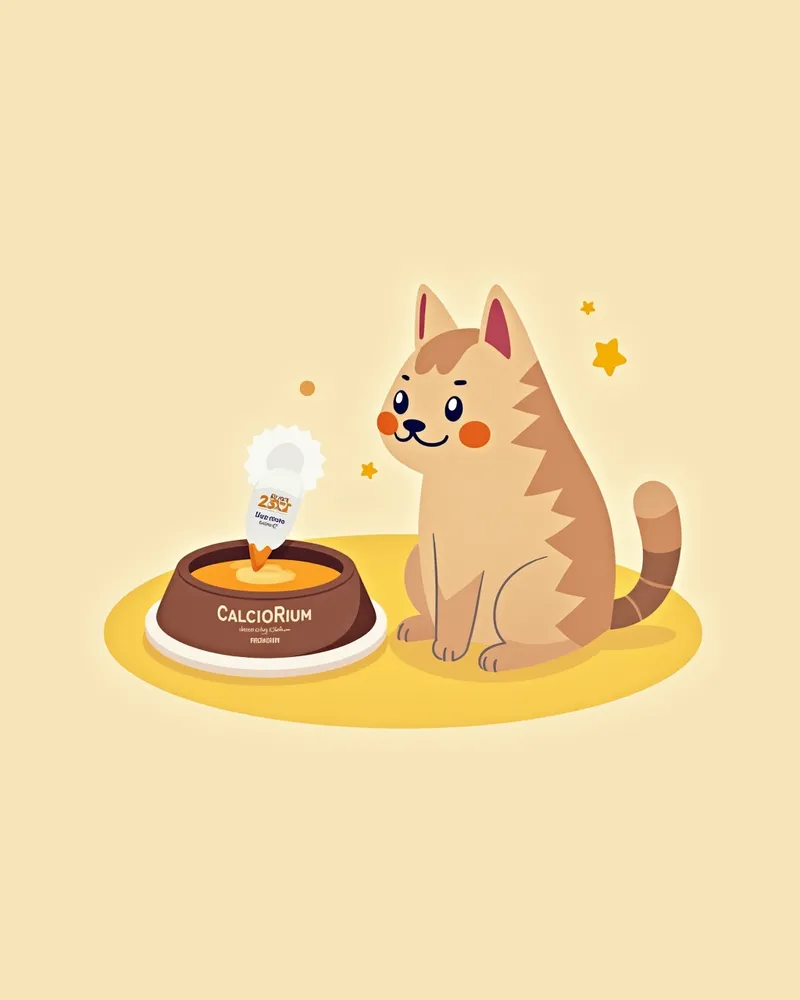
An image showing the Calciorium Premium Capsules product alongside cat food.

BEST 2: Vitamin Care Liquid Supplement
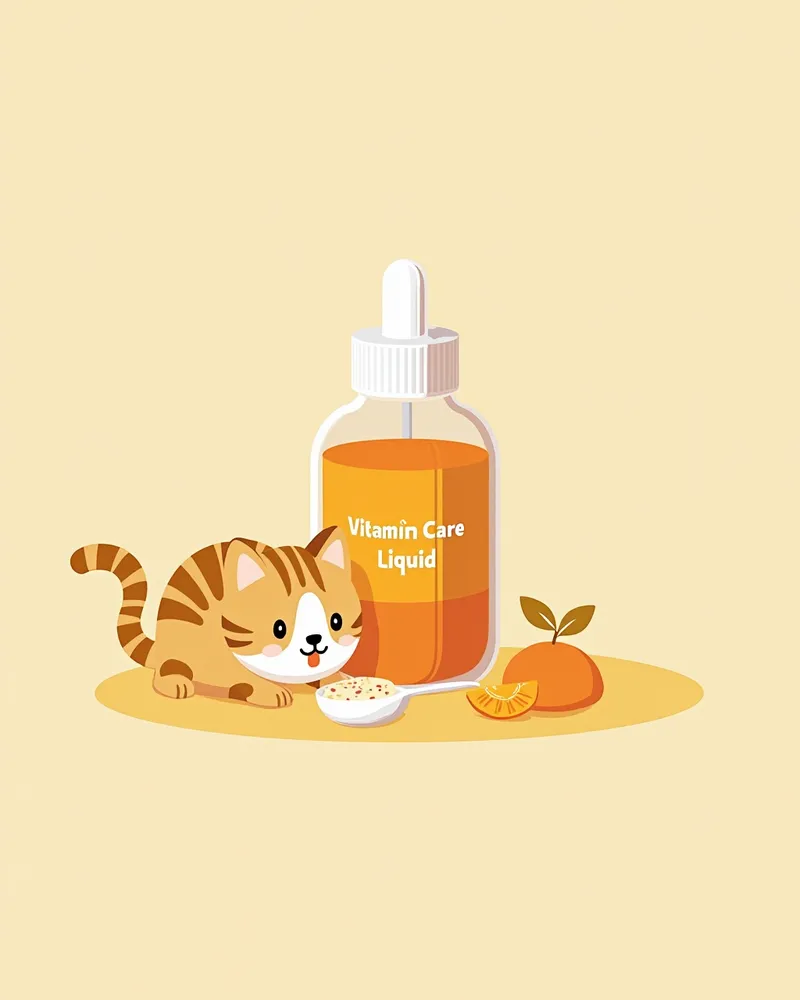
Vitamin Care Liquid Supplement provides calcium and vitamin D in a liquid form, making it ideal for cats that struggle with or dislike capsules and powders. Its child-resistant cap design minimizes the risk of accidents, while the included spoon allows for precise dosage measurement. As a veterinarian-recommended liquid product, it is known for its rapid absorption and effectiveness.
Pros: Easy for cats to consume, with simple dosage adjustments. The pleasant flavor minimizes rejection.
Cons: Requires refrigeration, and there is a risk of spoilage if stored for extended periods.
A cat enjoying a liquid vitamin supplement

BEST 3: Pet Calcium Pro Powder
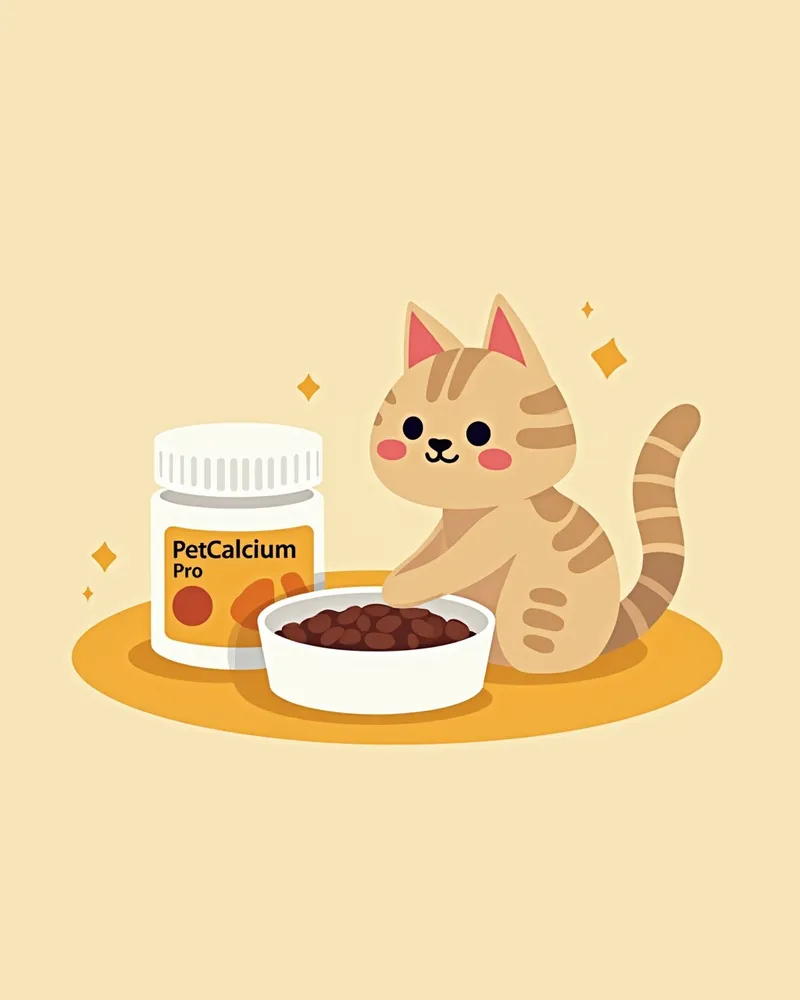
Pet Calcium Pro Powder is a powdered supplement containing calcium and vitamin D. It can be easily administered by mixing it into your cat’s food or treats. It offers excellent value for money, making it an economical choice. As one of the affordable products recommended by veterinarians, the dosage should be adjusted according to your cat’s weight and blood test results, following your veterinarian’s guidance.
Pros: It is affordable and easy to administer by mixing it into food. Since calcium alone is poorly absorbed in the intestines, the included vitamin D helps facilitate its absorption.
Cons: The strong scent may cause some cats to reject it. The powder may clump, making administration difficult.
An image showing the Pet Calcium Pro powder product alongside cat food.

Comparison Table of Products BEST 1–3

ItemCalciorium Premium CapsuleVitaminCare Liquid SupplementPetCalcium Pro Powder
Calcium Content250mg200mg300mg
Vitamin D Content100IU80IU120IU
FormCapsuleLiquidPowder
Ease of AdministrationHighVery highModerate
Price (per 30 days)About $20About $30About $20
Reported Side EffectsVery fewFewModerate

All products were selected according to veterinary recommendation criteria, and dose adjustment is needed depending on the cat's weight and blood test results.

Caution Against Excessive Intake

Excessive intake of calcium supplements can lead to hypercalcemia, which may cause heart problems, kidney damage, and muscle weakness. It is essential to strictly follow the dosage prescribed by your veterinarian.

Usage Tips and Management Points

Managing hypoparathyroidism involves consistent daily care. Regular blood tests are needed to monitor calcium levels, and supplement dosages should be adjusted based on the results. Active vitamin D, such as calcitriol, acts quickly and has a short half-life, allowing for frequent dose adjustments as needed.
Regular Check-ups: Have your veterinarian check blood calcium (and phosphorus) levels on a scheduled basis. Testing is done more frequently at the start of treatment, then spaced out once the condition stabilizes.
Consistent Timing: It is important to administer supplements at the same time every day.
Dietary Management: Do not restrict calcium intake on your own; follow the diet recommended by your veterinarian. Ensure the diet also provides vitamin D, which is necessary for calcium absorption.
Emergency Preparedness: Contact your clinic immediately if you notice seizures or muscle tremors.
Record Keeping: Keep a log of supplement administration and test results.
An image of a notebook used to manage a cat's supplement administration log and test records.

Reviewed by a veterinarian

Dr. Tony — Punnawat Phongkittirak

Dr. Tony — Punnawat Phongkittirak

Veterinarian

A veterinarian who majored in veterinary medicine at Khon Kaen University, Thailand, and completed the IVSA program at North Carolina State University in the United States. Drawing on clinical experience at animal hospitals, he works in the pet healthcare field and is dedicated to building a digital care environment that connects pet parents with veterinarians.

Frequently Asked Questions

Can feline hypoparathyroidism be treated?
Yes, with a veterinarian’s guidance, continuing calcium and vitamin D supplementation allows most cats to maintain a normal life. While a complete cure is difficult, symptoms can be stabilized through proper management.
Can I give my pet supplements more than twice a day?
Do not exceed the dosage prescribed by your veterinarian. Overconsumption can lead to hypercalcemia, so it is essential to follow the instructions carefully.
What should I do if my pet develops diarrhea after taking a supplement?
If diarrhea persists, temporarily discontinue the supplement and consult your veterinarian. The ingredients or dosage may not be appropriate for your pet.
Does the body fail to absorb calcium without vitamin D?
Yes, vitamin D is a key nutrient that helps the intestines absorb calcium. Without enough vitamin D, the effectiveness of calcium supplements drops significantly.
Will symptoms return if I stop giving the supplement?
Yes, if you stop the supplement, calcium levels can drop again and symptoms like seizures may return. Ongoing management is essential.

Share

Related Guides

References

[1] Peterson ME, et al. (2008) Feline Hypoparathyroidism: Clinical Features and Management. Journal of Feline Medicine and Surgery, 10(4), 345–352.

[2] Lloyd DH, et al. (2015) Calcium and Vitamin D Supplementation in Cats with Hypoparathyroidism: A Retrospective Study. Veterinary Record, 177(12), 301–306.

[3] American Association of Feline Practitioners (AAFP). (2020) Feline Endocrine Disease Guidelines. AAFP Feline Medicine Guidelines.

This information is based on veterinary literature and does not replace diagnosis or treatment. Please consult a veterinarian for specific health concerns.

Metapet Co., Ltd. | CEO: Park Sung-yong | Business Reg. No. 417-88-02562 | Seoul, South Korea | Customer Center

7 Vet-Recommended Products for Feline Hypoparathyroidism | Meongsiljang