Like
Share
멍실장
고양이 노령묘 건강검진 항목 관리 추천 BEST와 고르는 기준 총정리

The Ultimate Guide to Recommended Health Screening Items for Senior Cats and How to Choose Them

Lifestyle & Age CareTop PicksMeongsiljang Veterinary Advisory Board

We’ve compiled the essential health screening items to check for maintaining the health of senior cats. Through customized screenings, early-stage diseases can be detected and managed.

Why Are Health Screening Items Important for Senior Cats?

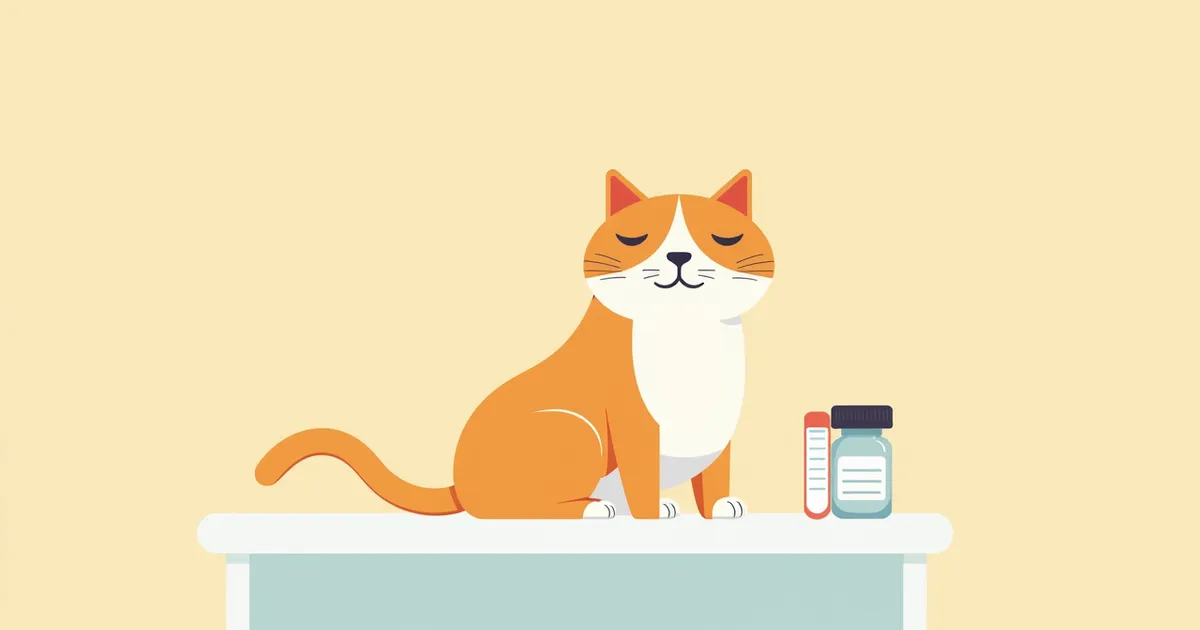
An elderly cat undergoing a health checkup with a veterinarian
Health checkups for senior cats are essential for the early detection and management of chronic conditions. As cats age, declines in kidney, liver, and endocrine function become more common, making regular screenings crucial. These exams allow us to identify issues before clinical signs even appear.
Blood tests: A foundational assessment to evaluate overall organ function.
Urinalysis: Checks kidney function and screens for infections.
Blood pressure measurement: Hypertension is a frequent concern in older cats.
Thyroid testing: Hyperthyroidism is common in senior cats.
Imaging: X-rays or ultrasounds provide a visual assessment of internal organs.

Selection Criteria: 5 Things to Consider When Choosing Health Screening Items for Senior Cats

When selecting health screening items for senior cats, follow these guidelines to ensure each test genuinely contributes to their well-being.
Tailored to Age and Health Status: Cats aged seven and older should undergo at least one comprehensive checkup per year. As cats age further (ten years and above), age-related changes can accelerate, so consult your veterinarian about increasing the frequency of exams.
Account for Underlying Conditions: If your cat has conditions such as diabetes or hypertension, additional tests may be necessary.
Cost-Effectiveness: Packages focused on essential screenings offer the best value.
Clarity of Results: Ensure the report is clear and easy for your veterinarian to interpret.
Follow-Up Care Integration: The service should provide a plan for follow-up testing or treatment if any abnormalities are detected.
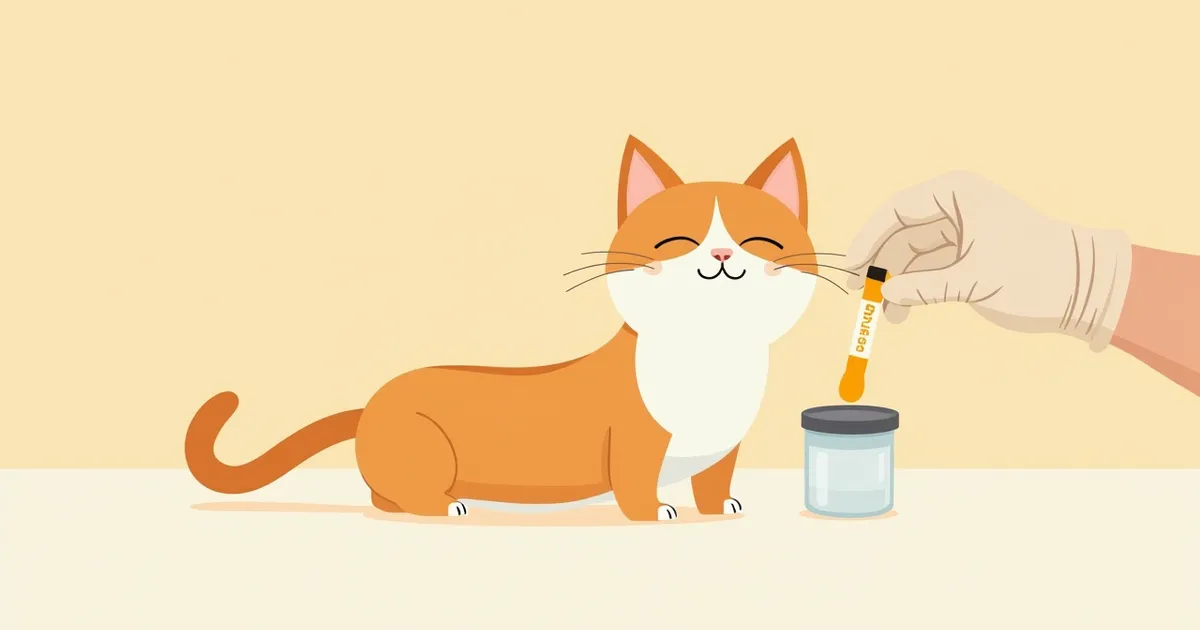
A scene where a veterinarian explains the results of a senior cat's health checkup.

BEST 1: Comprehensive Senior Cat Health Screening Package (Basic)
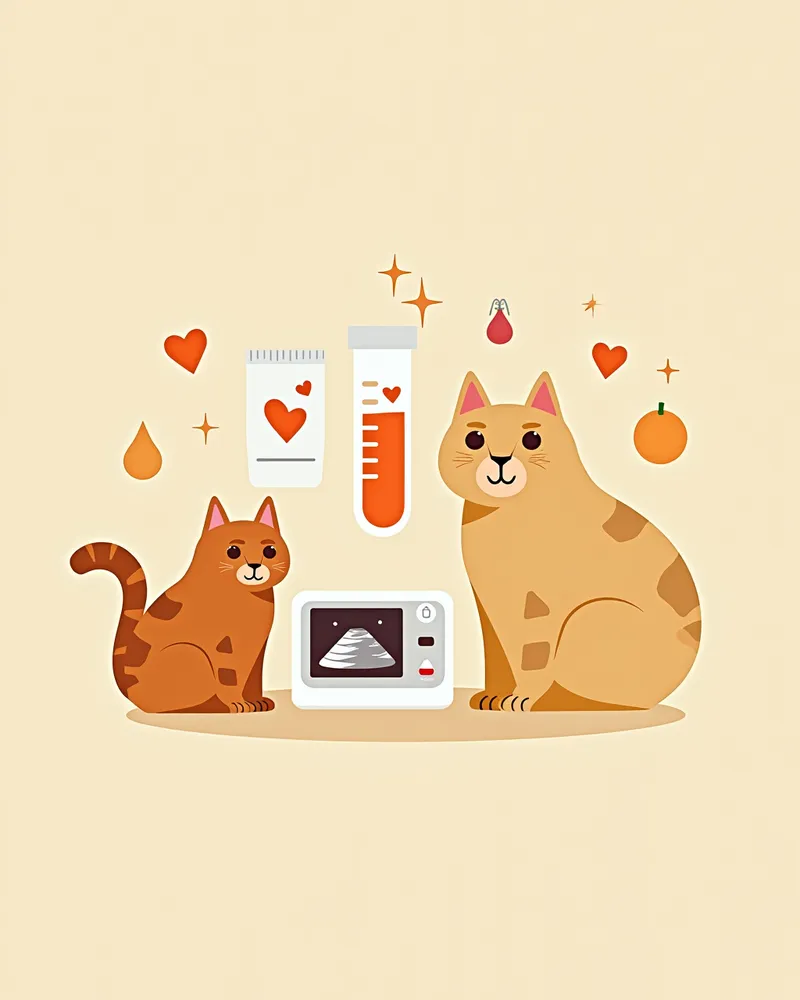
This package provides a comprehensive assessment of your senior cat’s overall health and is a popular choice among many pet owners. It includes blood tests, urinalysis, blood pressure monitoring, thyroid evaluation, and imaging studies.
Blood tests: Complete blood count, biochemical profile, and thyroid hormone measurement.
Urinalysis: Checks for proteinuria, hematuria, and signs of infection.
Blood pressure measurement: Screens for hypertension.
Thyroid test: Measures T4 levels to detect hyperthyroidism.
Imaging: Chest X-ray or abdominal ultrasound to visualize organ condition.
This package can help detect diseases at an early stage.
An image showing the components of the senior cat health checkup package.

BEST 2: Kidney and Liver Function-Focused Screening Package
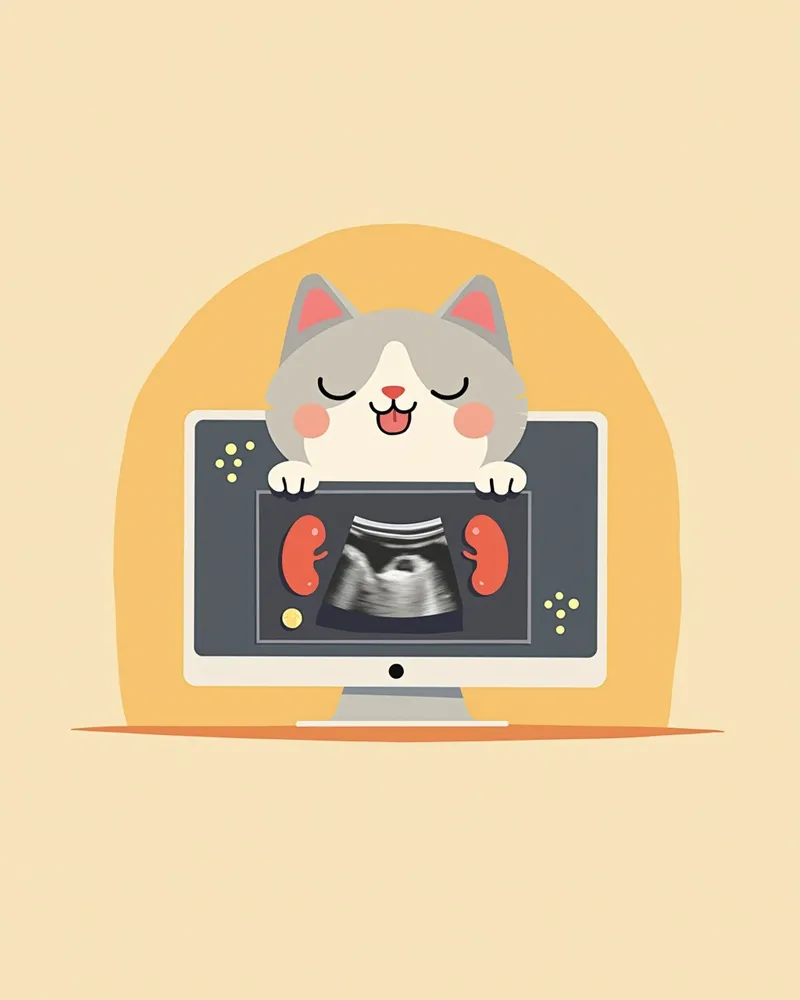
Kidney dysfunction is one of the most common issues in senior cats, and liver disease is also not uncommon in this age group. This package allows for a precise evaluation of the function of both organs, with particular strength in the early detection of chronic kidney disease (CKD).
Blood test: Precisely measures BUN, creatinine, glucose, and liver enzyme levels.
Urine test: Analyzes proteinuria, urine concentration, and the urine protein-to-creatinine ratio.
Imaging: Abdominal ultrasound to assess kidney size, shape, and blood flow.
Blood pressure measurement: Checks for hypertension associated with decreased kidney function.
Additional tests: Depending on the situation, your veterinarian may recommend additional detailed blood tests or imaging studies.
This package is suitable for cats requiring specialized care for kidney health.
Ultrasound imaging of a senior cat's kidneys

BEST 3: Thyroid and Cardiovascular-Focused Screening Package
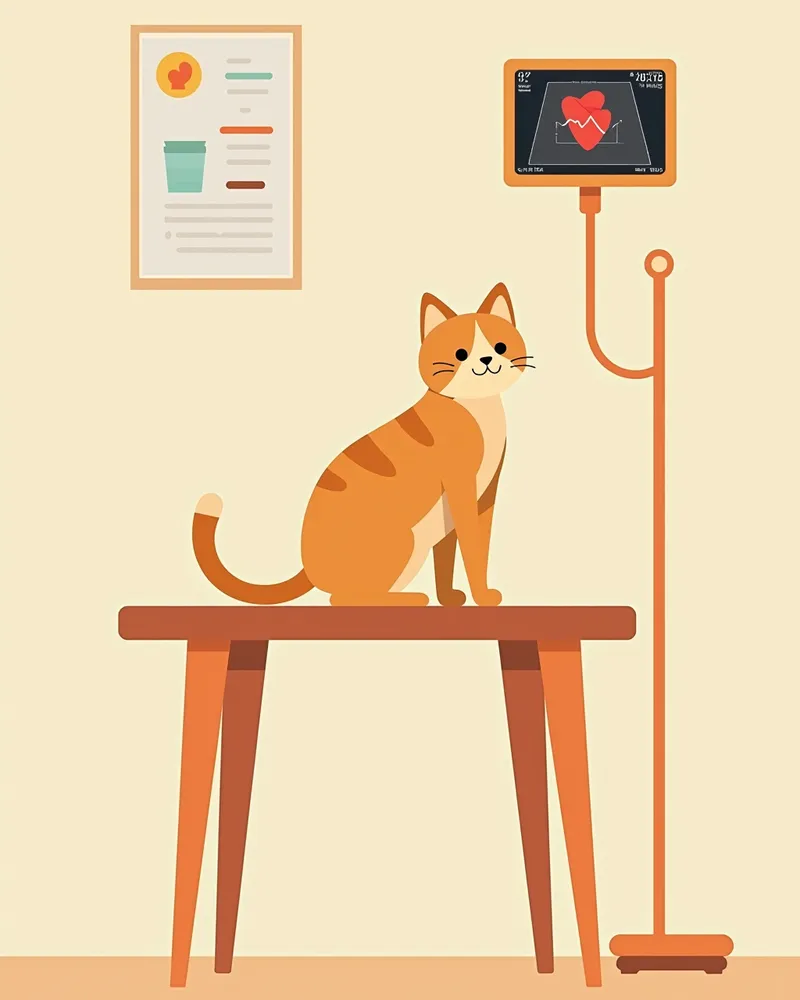
Hyperthyroidism and cardiovascular disease are common in senior cats. This package allows for a focused assessment of both conditions, and is especially recommended for cats showing irregular heartbeats or weight loss.
Thyroid test: Precisely measures T4 levels to detect hyperthyroidism.
Cardiac ultrasound: Evaluates heart size, function, and blood flow.
Blood pressure measurement: Accurately determines the presence of hypertension.
Electrocardiogram (ECG): Checks for abnormal heart rhythms.
Blood test: Analyzes red blood cell volume (hematocrit) to check for anemia, along with blood glucose and thyroid levels.
This package is highly beneficial for cats with concerns regarding cardiovascular health.
An echocardiogram examination of a senior cat

Comparison Table of Health Screening Packages BEST 1–3

ItemBEST 1 (Comprehensive)BEST 2 (Kidney·Liver)BEST 3 (Thyroid·Cardiovascular)
Test itemsBlood, urine, blood pressure, thyroid, imagingBlood, urine, blood pressure, imagingThyroid, cardiac ultrasound, blood pressure, ECG, blood
Main purposeOverall health assessmentEarly detection of kidney/liver functionDetection of thyroid/cardiovascular disease
Recommended forAll senior catsCats suspected of reduced kidney functionCats with heart problems or weight loss
Cost (Korea)About $100About $90About $100

Costs may vary by clinic and region. Choose after consulting your veterinarian.

Caution: Visit the Clinic Immediately If Abnormal Findings Appear in Screening Results

If abnormal results appear on blood or urine tests, consult your veterinarian immediately. Elevated BUN and creatinine levels or the presence of protein in the urine strongly suggest chronic kidney disease. Early management can significantly improve both life expectancy and quality of life.

Usage Tips: How to Effectively Utilize Senior Cat Health Screenings

Even after a health check-up, effective ongoing management is essential. Here are some helpful tips:
Keep detailed records: Document check-up results at regular intervals to track changes over time.
Schedule regular consultations with your veterinarian: Discuss the interpretation of results and collaborate on a management plan.
Adjust diet: Consider special diets or supplements recommended by your veterinarian.
Improve the living environment: Adjust your pet’s surroundings to ensure easy access to the litter box, maintain comfortable temperatures, and minimize stress.
Plan follow-up examinations: If any abnormalities are detected, decide in advance on the timing and specific tests for the next check-up.
A scene where the pet owner reviews the health check-up records together with the veterinarian.

Reviewed by a veterinarian

Dr. Tony — Punnawat Phongkittirak

Dr. Tony — Punnawat Phongkittirak

Veterinarian

A veterinarian who majored in veterinary medicine at Khon Kaen University, Thailand, and completed the IVSA program at North Carolina State University in the United States. Drawing on clinical experience at animal hospitals, he works in the pet healthcare field and is dedicated to building a digital care environment that connects pet parents with veterinarians.

Frequently Asked Questions

At what age should senior cats start receiving health check-ups?
For cats aged 7 and older, we recommend at least one annual wellness exam. Since senior cats (10 years and older) may experience accelerated age-related changes, it’s best to consult with your veterinarian about scheduling more frequent check-ups.
Does a health checkup cause pain?
Blood tests involve only a gentle prick, so they’re virtually painless. Urinalysis can be a bit stressful during sample collection, but most cats handle it well. Their reactions may vary depending on the environment and how well stress is managed.
How much does the check-up cost?
The basic package typically costs around $90 to $100. Since prices can vary depending on the clinic and the specific tests included, it’s a good idea to inquire in advance.
Does a normal check-up result mean everything is fine?
Normal results are very good news. However, it is important to continuously monitor for any changes through regular check-ups.
What health checks can I do at home?
Keep a daily eye on your pet’s appetite, bathroom habits, activity level, weight, and coat condition. If you notice anything unusual, consult your veterinarian.

Share

Related Guides

References

This information is based on veterinary literature and does not replace diagnosis or treatment. Please consult a veterinarian for specific health concerns.

Metapet Co., Ltd. | CEO: Park Sung-yong | Business Reg. No. 417-88-02562 | Seoul, South Korea | Customer Center

Senior Cat Health Screening: Top Picks & How to Choose | Meongsiljang