

The Ultimate Guide to Recommended Rabies Vaccines for Cats and Selection Criteria
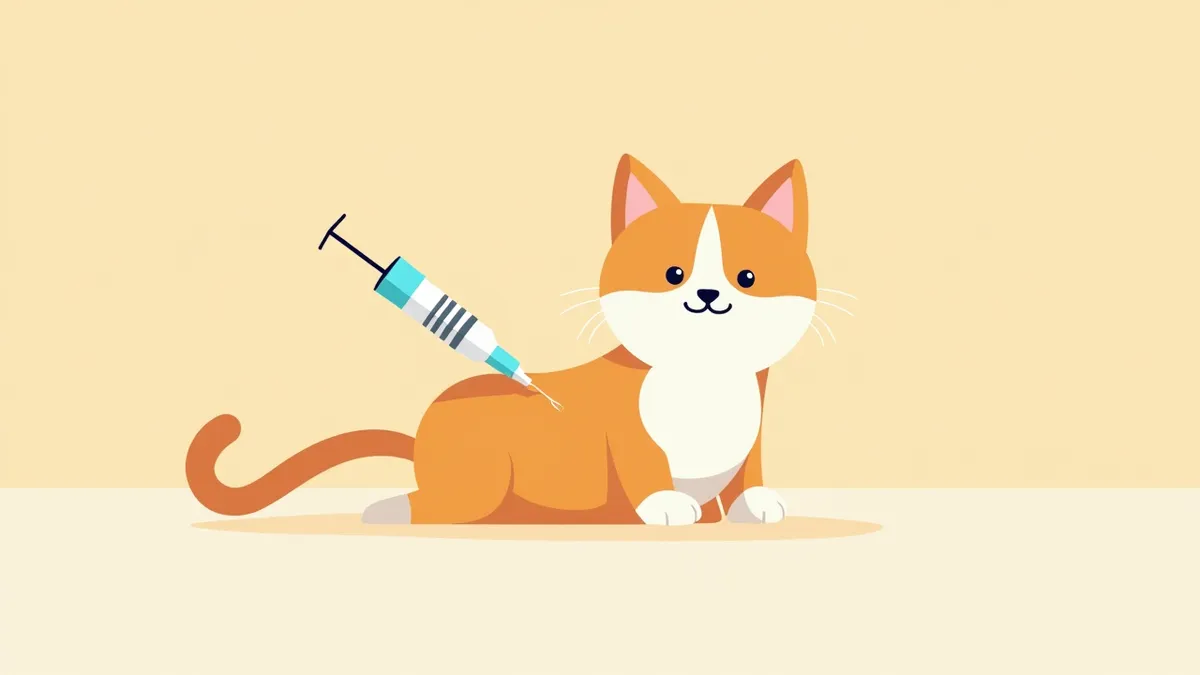
Rabies vaccination for cats is not only a legal requirement but also a crucial preventive measure to protect their lives. We’ve put together an easy-to-understand guide on how to create a tailored vaccination plan and recommended products.
Rabies Vaccination for Cats is an Essential Measure to Protect Their Lives
Four Key Factors to Consider When Choosing
BEST 1: ProBio Life Live Vaccine (1-Year Formulation)

BEST 2: CarePlus Live Vaccine (3-Year Formulation)

BEST 3: Medipham Inactivated (Killed) Vaccine (1-Year Formulation)

Comparison Table of BEST 1–3 Products
| Item | Vaccine type | Vaccination interval | Duration of immunity | Side effects |
|---|---|---|---|---|
| ProBio Life Live Vaccine | Recombinant (adjuvant-free) vaccine | 1 year | 1 year | Low |
| CarePlus Live Vaccine | Killed (inactivated) vaccine | 3 years | 3 years | Low |
| Medipharm Killed Vaccine | Killed (inactivated) vaccine | 1 year | 1 year | Low |
Feline rabies vaccines are available as inactivated (killed) vaccines and adjuvant-free recombinant vaccines; attenuated live vaccines are not used. The vaccination interval is determined by the product type, the cat's health status, and the veterinarian's judgment. Because side effects vary by individual, post-vaccination observation is necessary.
Essential Checks Before Vaccination
It is essential to check your cat’s health status before vaccination. If symptoms such as fever, coughing, or loss of appetite are present, it is safer to postpone the vaccination. Additionally, the interval between different vaccines may vary depending on the product and your cat’s health condition, so it is best to consult with your veterinarian to determine a specific schedule.
Usage Tips: 4 Pro Tips for Post-Vaccination Care

Reviewed by a veterinarian

Dr. Tony — Punnawat Phongkittirak
VeterinarianA veterinarian who majored in veterinary medicine at Khon Kaen University, Thailand, and completed the IVSA program at North Carolina State University in the United States. Drawing on clinical experience at animal hospitals, he works in the pet healthcare field and is dedicated to building a digital care environment that connects pet parents with veterinarians.
Reviewed 2026-06-29
Frequently Asked Questions
Is rabies vaccination legally required for cats?
Which is better, a live vaccine or an inactivated vaccine?
What should I do if my pet experiences side effects after vaccination?
Do senior cats also need rabies vaccinations?
How is the vaccination schedule determined?
Share
Related Guides

The Best Dog Ear Cleaning Methods, Care Tips, and Selection Criteria

Top Recommendations and Selection Criteria for Cat FIV and FeLV Testing

The Best Tips for Optimal Timing and Selection Criteria for Dog Neutering

Top Recommendations and Selection Criteria for Dog Rabies Vaccination Management

Comprehensive Guide to Recommended Products and Selection Criteria for Monitoring Side Effects After Puppy Vaccination

The Ultimate Guide to Choosing the Best Dog Age Conversion Formula and Selection Criteria

Complete Guide to Dog Nail Care: Top Recommendations and Selection Criteria

The Best Indoor Safety Check Products for Dogs and How to Choose Them

Best Practices and Selection Criteria for Your Puppy’s First Vet Visit

The Best Methods for Early Detection of Health Issues in Dogs: Management Recommendations and Selection Criteria