Like
Share
멍실장
고양이 요붕증 관리 추천 BEST와 고르는 기준 총정리

7 Key Tips for Managing Feline Diabetes Insipidus Recommended by Veterinarians — Care for Polydipsia and Polyuria

EndocrineTop PicksMeongsiljang Veterinary Advisory Board

Feline diabetes insipidus is a condition characterized by excessive thirst and increased urine output due to impaired water regulation. Proper management products and lifestyle habits are essential.

What is Feline Diabetes Insipidus?
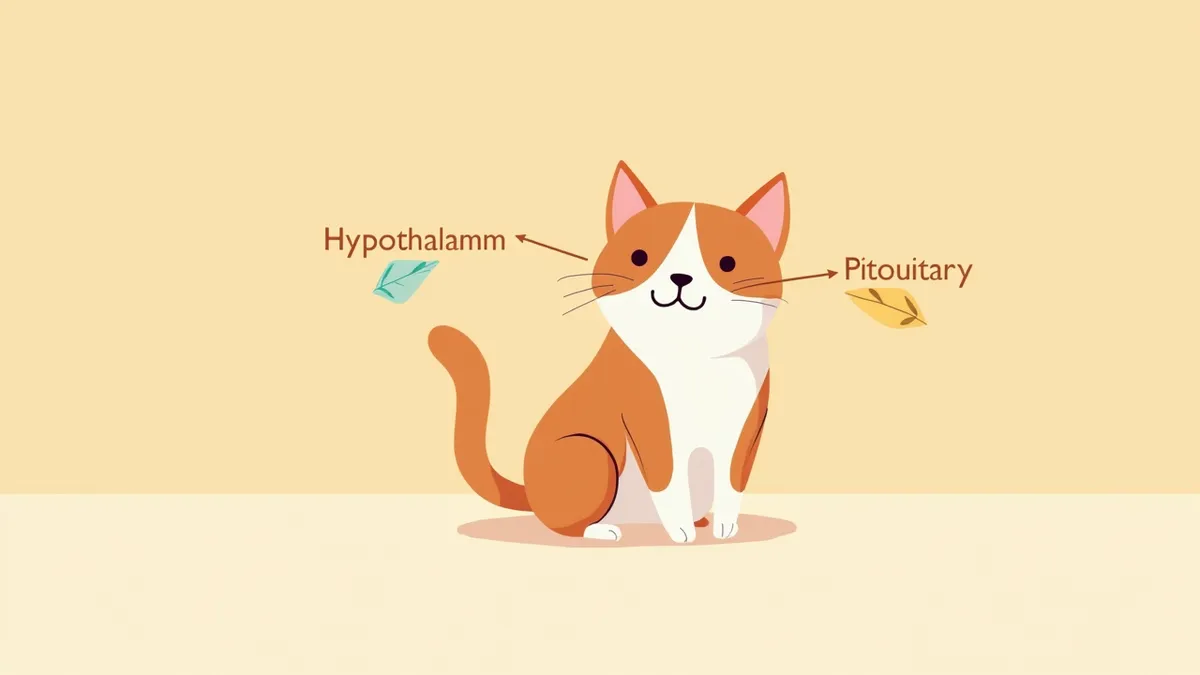
A medical illustration showing the anatomical structures of the pituitary gland and kidneys
Feline diabetes insipidus is a condition in which insufficient action of antidiuretic hormone (ADH) prevents the kidneys from adequately reabsorbing water, resulting in the production of large volumes of dilute urine. The exact cause and type must be confirmed through diagnostic testing. - ADH-related abnormalities: Issues with hormone secretion or action can impair the body’s ability to retain water. - Polydipsia and polyuria: You may notice your cat drinking excessive amounts of water and producing larger volumes of urine. - Veterinary diagnosis is essential: Blood and urine tests are necessary to accurately identify the underlying cause. - Potential for chronic management: Depending on the type, long-term management may be required, making early detection crucial. - Combined lifestyle care: Follow your veterinarian’s treatment plan while providing careful monitoring and daily care. Professional veterinary diagnosis should always take precedence over self-assessment.

4 Selection Criteria

Feline diabetes is a condition that requires a veterinarian’s diagnosis and prescription above all else. When considering supportive care products, be sure to check the ingredients, safety profile, ease of administration, and whether the product is recommended by veterinarians. No product can replace an accurate diagnosis and proper treatment.
Prioritize veterinary diagnosis: Always consult your veterinarian before using any product to confirm the underlying cause.
Check ingredients and safety: Choose products with clearly listed ingredients and publicly available safety information.
Ease of administration: Make sure the product is in a form your cat will accept without resistance.
Veterinary recommendation: Verify whether the product is recommended by veterinarians based on clinical evidence.
A cat enjoying liquid nutritional supplements

BEST 1: Prodia Diabetes Insipidus Care Liquid
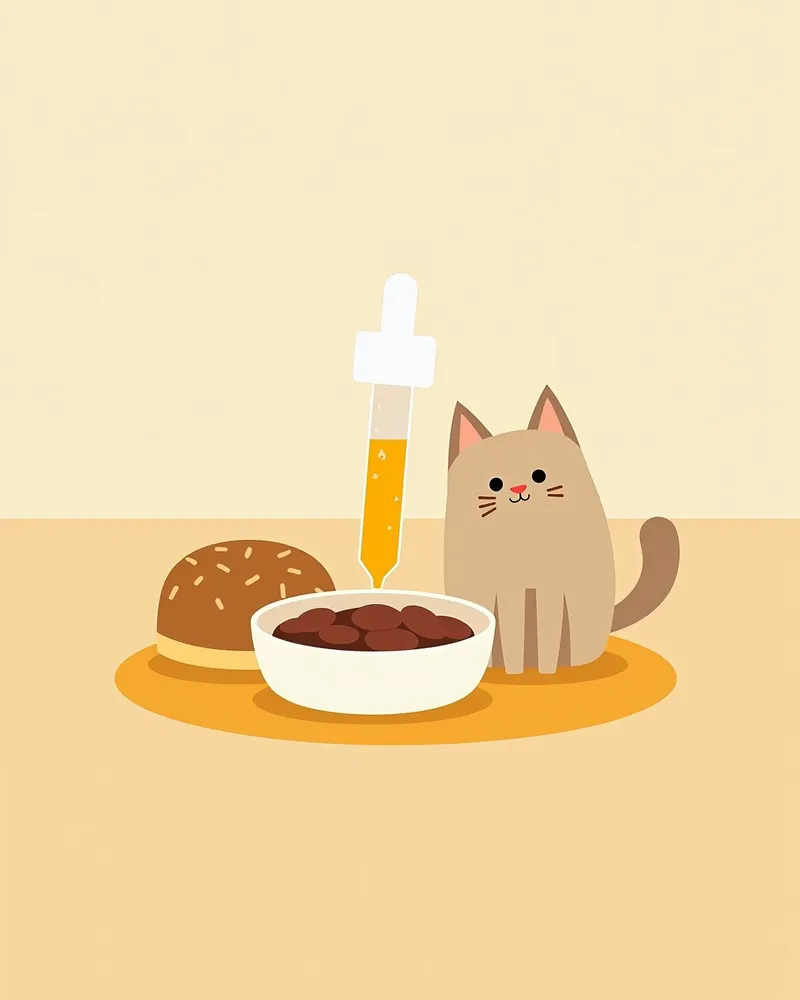
Prodia Diabetes Care Liquid is a supportive liquid supplement focused on hydration and electrolyte balance. Its easy-to-administer format makes it convenient for home care, but please remember that diabetes itself must be treated under a veterinarian’s diagnosis and prescription.
Hydration and electrolyte support: Formulated to help maintain fluid intake and electrolyte balance.
Easy administration: Can be conveniently given using a syringe.
Palatability: Flavored to ensure cats accept it without resistance.
Consult before use: Discuss with your veterinarian before and after use to monitor your pet’s response.
Keep in mind that supplements are meant to support, not replace, veterinary treatment.
Prodia Hyperthyroidism Care Liquid Product and Cat Food Bowl

BEST 2: Petwell Diabetes Insipidus Capsules
Petwell Diabetes Insipidus Capsules are a capsule-form supplement designed to support fluid management at home. The capsules are sized for easy consumption by cats, making administration relatively straightforward. However, this product does not replace medical treatment for diabetes insipidus, and veterinary consultation is required before use.
Ease of Administration: The small size makes the capsules easy to swallow.
Ingredient Verification Recommended: Check the ingredients and safety information before selecting the product.
Monitor Alongside Use: Observe changes in water intake and urine output during administration.
Adjust After Consultation: Dosage frequency and duration should be determined by your veterinarian.
Since the effectiveness of supplements can vary between individuals, regular check-ups are important.
Petwell Diabetes Capsules product box

BEST 3: Life Care Diabetes Insipidus Supplement
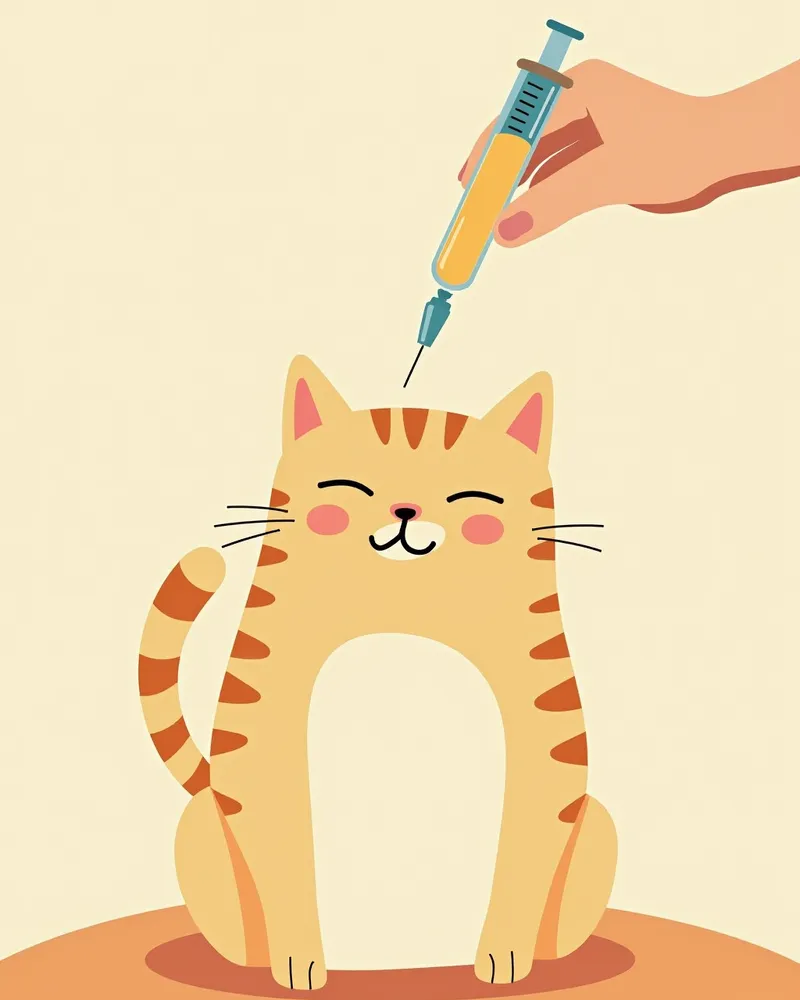
Life Care’s supplement for diabetes insipidus is a supportive product designed with both home hydration management and overall health care in mind. It comes with a dedicated dosing tool, making it easy to administer the correct amount. Please note that this supplement does not replace diagnosis or treatment, so it should be used under veterinary guidance.
Dosing tool included: The accompanying tool helps maintain a consistent dosage.
Check ingredients and safety: Review the listed ingredients and safety information before choosing.
Palatability in mind: The flavor is formulated to ensure cats will accept it readily.
Regular check-ups: Periodically monitor your pet’s condition with your veterinarian while using the product.
Remember that veterinary medical treatment should always remain the cornerstone of long-term management.
Giving a cat a nutritional supplement

Comparison Table of BEST 1–3 Products

ItemProdia LiquidPetWell CapsuleLifeCare Supplement
Main ingredientsFluid and electrolyte support (check ingredient labeling)Auxiliary ingredients (check ingredient labeling)Auxiliary ingredients + administration tool (check ingredient labeling)
FormLiquidCapsuleLiquid + tool
Daily dosageFollow veterinarian's guidanceFollow veterinarian's guidanceFollow veterinarian's guidance
Veterinarian recommendationConsultation required before useConsultation required before useConsultation required before use
Price rangeMediumInexpensiveMedium

The contents of the table are information claimed by the products and do not guarantee efficacy. No supplementary product can replace the diagnosis or prescribed treatment of diabetes insipidus, so always consult a veterinarian before use.

Precautions and Contraindications

Feline diabetes mellitus requires management under a veterinarian’s diagnosis and prescription. Supplements and nutritional products cannot replace medical treatment. Overdosing may cause adverse effects, and if your cat has an underlying condition, always consult your veterinarian before use.

Usage Tips and Management Points

Managing feline diabetes mellitus requires consistent daily care alongside prescribed medical treatment. Please keep the following tips in mind:
Ensure adequate water intake: Always provide an abundant supply of fresh, clean water.
Monitor urination: Record the volume and frequency of your cat’s urination daily.
Minimize stress: Maintain a quiet and stable environment.
Regular check-ups: Schedule routine veterinary visits to monitor your cat’s health.
Consult your veterinarian regarding diet: Adjust your cat’s diet based on your veterinarian’s recommendations rather than making independent decisions.
These daily care practices enhance the effectiveness of medical treatment when implemented together.
A calendar to track water intake and urine output

Reviewed by a veterinarian

Dr. Tony — Punnawat Phongkittirak

Dr. Tony — Punnawat Phongkittirak

Veterinarian

A veterinarian who majored in veterinary medicine at Khon Kaen University, Thailand, and completed the IVSA program at North Carolina State University in the United States. Drawing on clinical experience at animal hospitals, he works in the pet healthcare field and is dedicated to building a digital care environment that connects pet parents with veterinarians.

Frequently Asked Questions

Is feline diabetes insipidus curable?
Whether a condition can be fully cured and what the prognosis will depend on the underlying cause and type. Accurate diagnosis and long-term management by a veterinarian are the most important factors.
Will giving medication reduce thirst?
Symptom management varies depending on the diagnosis and prescribed treatment, so please consult your veterinarian rather than making decisions on your own. In all cases, ensure your pet always has access to plenty of fresh water.
Can all cats experience diabetes insipidus?
Not all cats experience this. Risk factors vary from cat to cat, so if you notice unusual symptoms such as increased water consumption or a higher volume of urine, please consult your veterinarian.
Can it be managed at home?
You can manage it at home under the guidance of a veterinarian. Regular check-ups and record-keeping are important.
How long should I continue giving my pet the supplement?
The duration of use for supplements or nutritional products should be determined by your veterinarian. It’s best not to start or stop them without professional guidance.

Share

Related Guides

References

[1] Westropp JL, Buffington CA. Feline idiopathic cystitis: current understanding of pathophysiology and management. Vet Clin North Am Small Anim Pract. 2004;34:1043–1055.

[2] Gandolfi B, Alamri S, Darby WG, et al. A dominant TRPV4 variant underlies osteochondrodysplasia in Scottish fold cats. Osteoarthritis Cartilage. 2016;24(8):1441–1450.

[3] de Castro FL, Junqueira DM, de Medeiros RM, et al. Analysis of single-nucleotide polymorphisms in the APOBEC3H gene of domestic cats (Felis catus) and their association with the susceptibility to feline immunodeficiency virus and feline leukemia virus. J Feline Med Surg. 2017;19(1):65–73.

This information is based on veterinary literature and does not replace diagnosis or treatment. Please consult a veterinarian for specific health concerns.

Metapet Co., Ltd. | CEO: Park Sung-yong | Business Reg. No. 417-88-02562 | Seoul, South Korea | Customer Center

7 Vet Tips for Managing Feline Diabetes Insipidus | Meongsiljang