Like
Share
멍실장
강아지 눈물길 폐색·비루관 폐색 관리 추천 BEST와 고르는 기준 총정리

Canine Nasolacrimal Duct Obstruction: 7 Essential Management Products and Solutions for Blocked Tear Ducts

Eye HealthTop PicksMeongsiljang Veterinary Advisory Board

Canine nasolacrimal duct obstruction occurs when tears cannot drain properly, causing the area around the eyes to become damp and develop tear stains. Choosing the right management products and treatments is essential.

Canine Nasolacrimal Duct Obstruction Is a Condition Where Tears Do Not Drain Properly

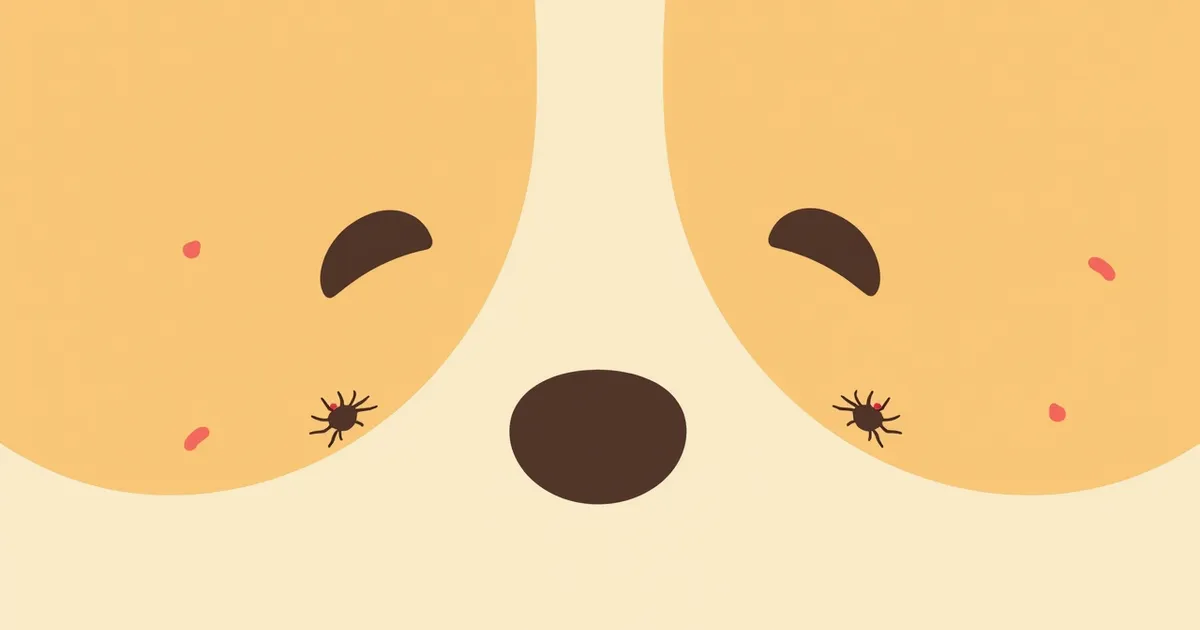
A close-up shot of a dog’s eyes with tear stains around them
Nasolacrimal duct obstruction in dogs occurs when the tear duct becomes blocked, preventing tears from draining normally into the nasal cavity. Under normal conditions, tears flow through the nasolacrimal duct into the nose; however, if this passage is obstructed, tears accumulate around the eyes. This can lead to moisture buildup, tear staining, and redness or inflammation of the surrounding skin. The condition is more common in certain breeds, such as Poodles, which are prone to tear staining. - Nasolacrimal duct obstruction: When the duct is blocked, tears cannot drain into the nose and instead pool around the eyes, making early detection crucial. - Preventing skin irritation: The skin around the eyes is sensitive, so it is important to use fragrance-free, alcohol-free products to minimize irritation. - Care routine: It is advisable to gently wipe the area one to two times daily, ideally in the morning and evening. If symptoms persist, consult your veterinarian to check the patency of the nasolacrimal duct.

5 Key Criteria for Choosing a Product
When choosing a product to manage tear stains in dogs, it’s important to carefully evaluate ingredient safety, ease of use, potential for skin irritation, lasting effectiveness, and value for money. - Ingredient Safety: Fragrance-free, alcohol-free, and natural-ingredient products are safe even for sensitive skin. - Ease of Use: Spray or wipe formats are convenient for quick application, even during walks. - Skin Irritation: For dogs with sensitive skin around the eyes, selecting a product with minimal irritation is essential. - Lasting Effectiveness: Look for products that deliver consistent results with regular use, not just short-term benefits. - Value for Money: It’s wise to choose products that offer proven, tangible results relative to their price.
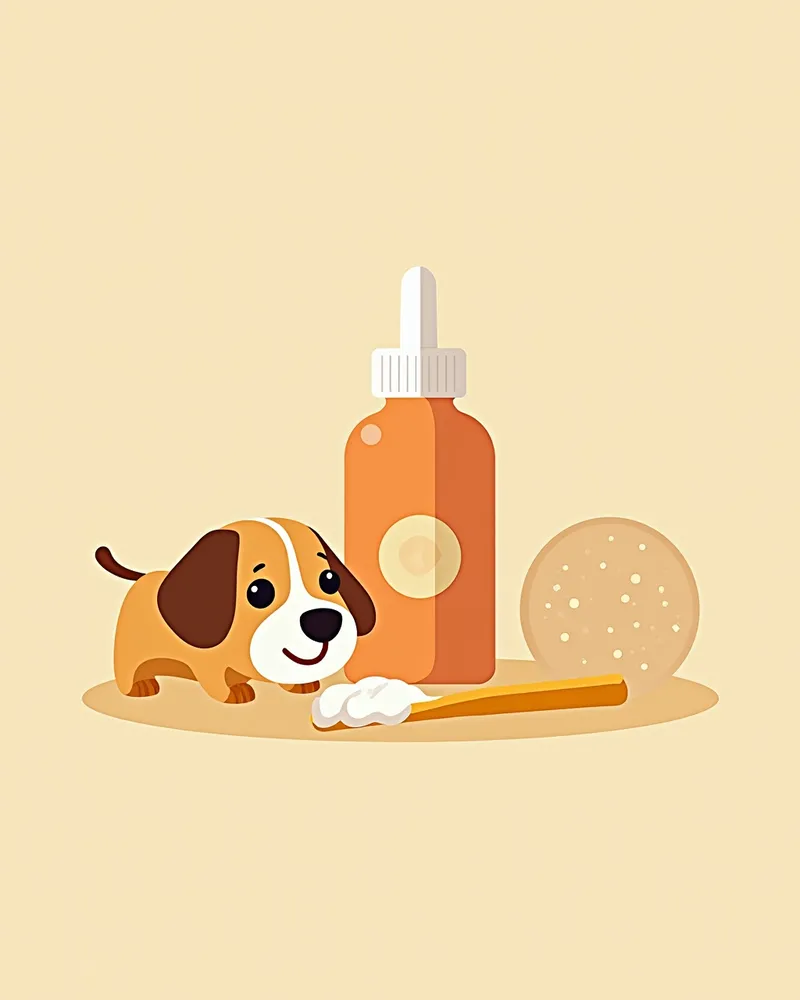
Tear Stain Removal Product Set

BEST 1: Tear Duct Cleansing Cream (Fragrance-Free, 100% Natural Ingredients)

This product is formulated with natural plant-based ingredients, so it’s gentle on the delicate skin around your pet’s eyes. It gently removes tear stains while also helping to moisturize the skin. Simply wipe the area lightly with a dry cloth once or twice a day. It’s especially suitable for long-haired breeds and dogs with sensitive skin. - Fragrance-free and alcohol-free: Minimizes skin irritation, making it safe for long-term use. - Natural ingredients: Free from synthetic additives, it contains only mild, gentle components. - Moisturizing effect: Helps prevent dryness around the eyes and supports healthy skin. After use, be sure to wash your hands thoroughly and replace the applicator regularly.
Using tear stain remover cream for dogs

BEST 2: Tear Duct Cleansing Spray (Alcohol-Free, Fine Mist)
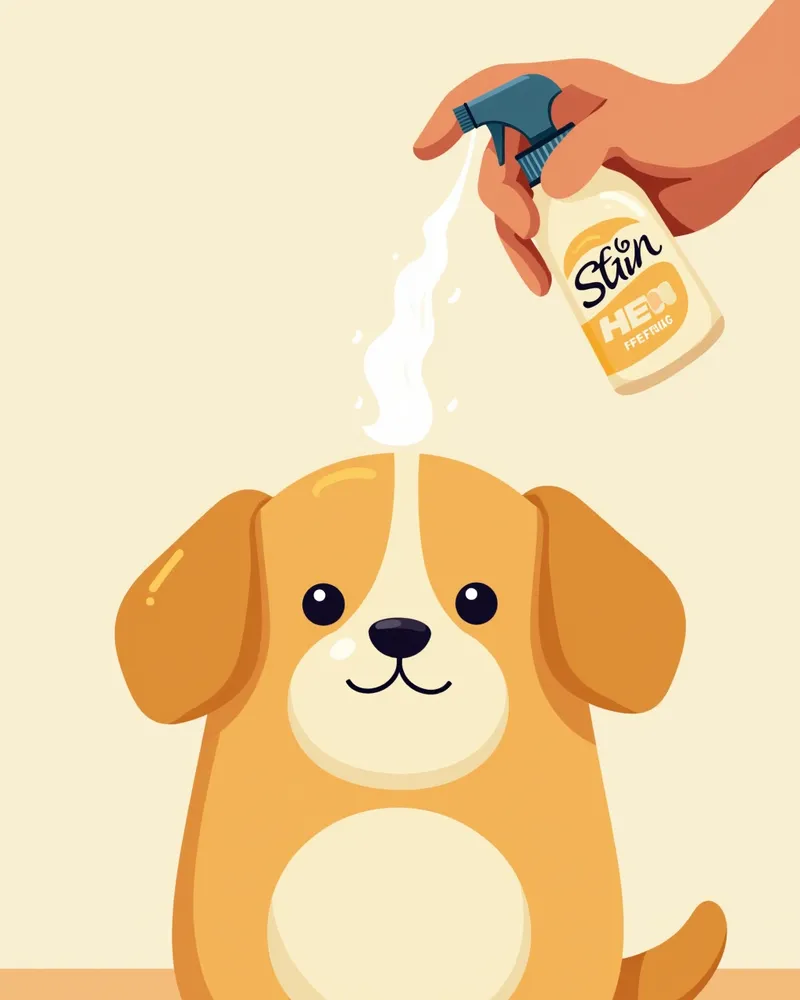
The fine mist spray allows for gentle application around the eyes. It removes tear stains and debris while keeping the skin hydrated. Free from alcohol, it minimizes irritation, and its convenient size makes it easy to use even during walks. For best results, use 2–3 times daily. - Fine Mist Technology: Designed for safe use without direct contact with the eyes. - Alcohol-Free Formula: Gentle enough for pets with sensitive skin. - Portability: Compact and lightweight, making it ideal for travel and outings. - Moisture Retention: Helps prevent dryness after cleansing. After each use, clean the spray nozzle thoroughly to prevent contamination.
Using a spray to remove tear stains from your dog's eyes

BEST 3: Tear Duct Management Wipes (Soft Cotton, Fragrance-Free)

Crafted from soft cotton, these wipes are gentle enough to avoid irritating the delicate skin around your dog’s eyes. They effectively remove tear stains without smearing, leaving the area clean. Free from fragrance and alcohol, they’re safe for dogs with sensitive skin. The portable packaging makes them convenient for travel or daily walks. - Soft Material: Gentle on sensitive skin, ensuring comfort for all dogs. - Fragrance-Free & Alcohol-Free: Minimizes irritation, making them safe for prolonged use. - Portable Design: Individually separable sheets ensure hygienic use. - Cleaning Efficiency: Quickly and thoroughly removes tear stains while minimizing skin damage. After use, dispose of the wipe immediately and wash your hands.
Dog Tear Stain Removal Wipes Package

Comparison Table of BEST 1–3 Products

ItemIngredient FeaturesHow to UseRecommended Breeds
BEST 1 CreamNatural plant-based ingredientsWipe with a cotton swabLong-haired breeds
BEST 2 SprayAlcohol-free, fine mistApply by sprayingDogs with sensitive skin
BEST 3 TissueFragrance-free, cotton materialWipe with a tissueUsers on the go

Each product is effective at removing tear stains, but skin reactions vary by individual, so observe carefully when using for the first time.

Caution: It Is Never Safe to Apply Directly Into the Eye

Use tear-stain management products only on the skin around the eyes. Do not apply them directly inside the eye or rub the eyes, as this can cause severe irritation. If the product gets into the eye, rinse immediately with water and consult your veterinarian if symptoms persist.

Usage Tips and Management Methods
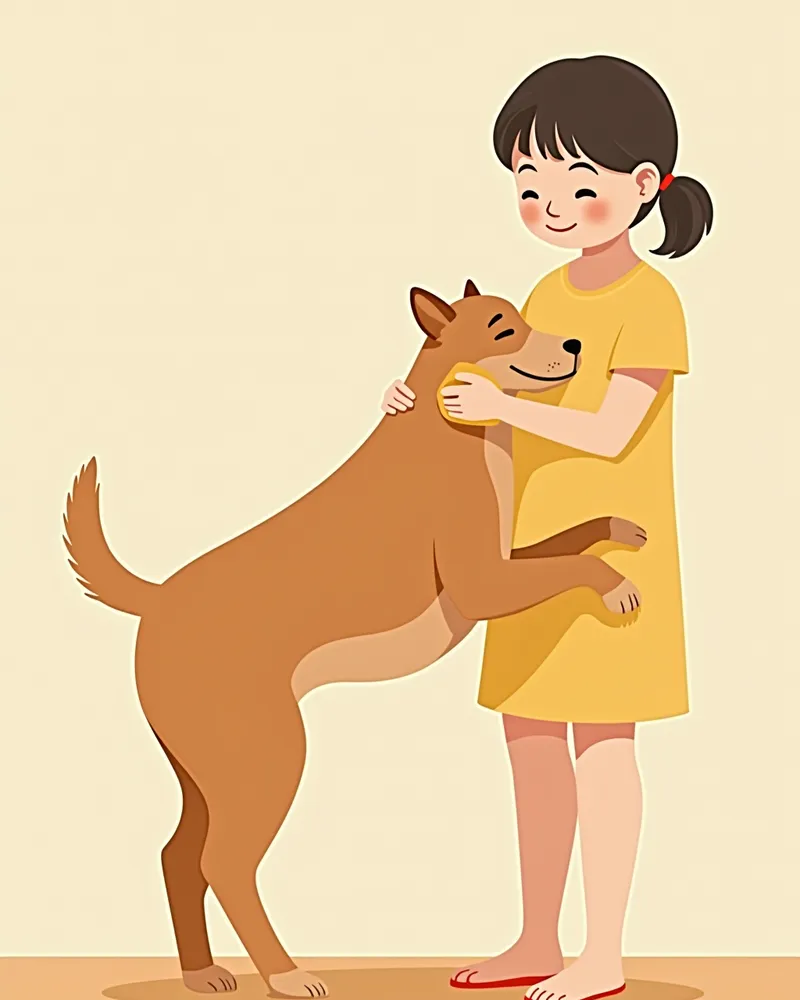
It’s important to gently wipe around your pet’s eyes every morning and evening. After using any product, wash your hands thoroughly, and regularly replace tools to prevent bacterial buildup. If tear stains persist or the skin becomes red, it’s a good idea to consult your veterinarian. - Regular care: Consistent wiping helps prevent tear stains. - Hygiene: Dispose of or wash tissues and cloths immediately after use to maintain cleanliness. - Veterinary consultation: If symptoms worsen or recur, seek professional advice to identify the underlying cause. - Product replacement: Replace products immediately if they become contaminated or expire. - Environmental care: Keep the area around your pet’s eyes clean and dry at all times.
Managing tear stains in dogs

Reviewed by a veterinarian

Dr. Tony — Punnawat Phongkittirak

Dr. Tony — Punnawat Phongkittirak

Veterinarian

A veterinarian who majored in veterinary medicine at Khon Kaen University, Thailand, and completed the IVSA program at North Carolina State University in the United States. Drawing on clinical experience at animal hospitals, he works in the pet healthcare field and is dedicated to building a digital care environment that connects pet parents with veterinarians.

Frequently Asked Questions

Is nasolacrimal duct obstruction treatable?
Depending on the cause, surgery or medication may be necessary. If tear staining persists, your veterinarian will assess the condition of the nasolacrimal duct and consider treatments such as topical or systemic antibiotics, anti-inflammatory medications, or flushing and catheterization of the nasolacrimal duct as needed.
How many times a day should I use the product?
It is recommended to use once or twice daily. Be cautious, as excessive use may cause skin irritation.
Do I always need to take my pet to the vet if tear stains appear?
If the symptoms persist, or if the skin becomes red or starts peeling, a visit to the vet is necessary. Early-stage issues can often be resolved with proper care.
Which breeds are more prone to tear duct obstruction?
Tear staining is relatively common in breeds like Poodles, brachycephalic breeds with prominent eyes, and long-haired breeds. However, individual variation can occur regardless of breed.
Can a special diet help?
The impact of diet on tear stains varies from dog to dog, making it difficult to generalize. Since the primary concern with nasolacrimal duct obstruction is assessing the condition of the nasolacrimal duct and providing appropriate treatment, please consult your veterinarian before making any dietary changes.

Share

Related Guides

References

[1] Gelatt KN et al. (2013) Veterinary Ophthalmology, 2nd ed. Wiley-Blackwell, Oxford, UK.

[2] Esson DW and Calvarese S (2022) Clinical Atlas of Canine and Feline Ophthalmic Disease, 2nd ed. John Wiley & Sons, Inc.

[3] Ny Y et al. (2006) Medial canthoplasty for epiphora in dogs: a retrospective study of 23 cases. J Am Anim Hosp Assoc, 42:435–439.

This information is based on veterinary literature and does not replace diagnosis or treatment. Please consult a veterinarian for specific health concerns.

Metapet Co., Ltd. | CEO: Park Sung-yong | Business Reg. No. 417-88-02562 | Seoul, South Korea | Customer Center

Canine Blocked Tear Ducts: 7 Must-Have Care Products | Meongsiljang