Like
Share
멍실장
강아지가 편안하게 누워 있는 모습, 피모벤단 병이 옆에 놓여 있음

7 Key Management Points for Maximizing the Effectiveness of Pimobendan in Dogs

HeartTop PicksMeongsiljang Veterinary Advisory Board

We’ve compiled effective management strategies and recommended products for pimobendan, a medication used to treat heart disease in dogs. Choosing the right approach can significantly improve treatment success rates.

Pimobendan Treatment for Dogs Is Key to Improving Heart Function

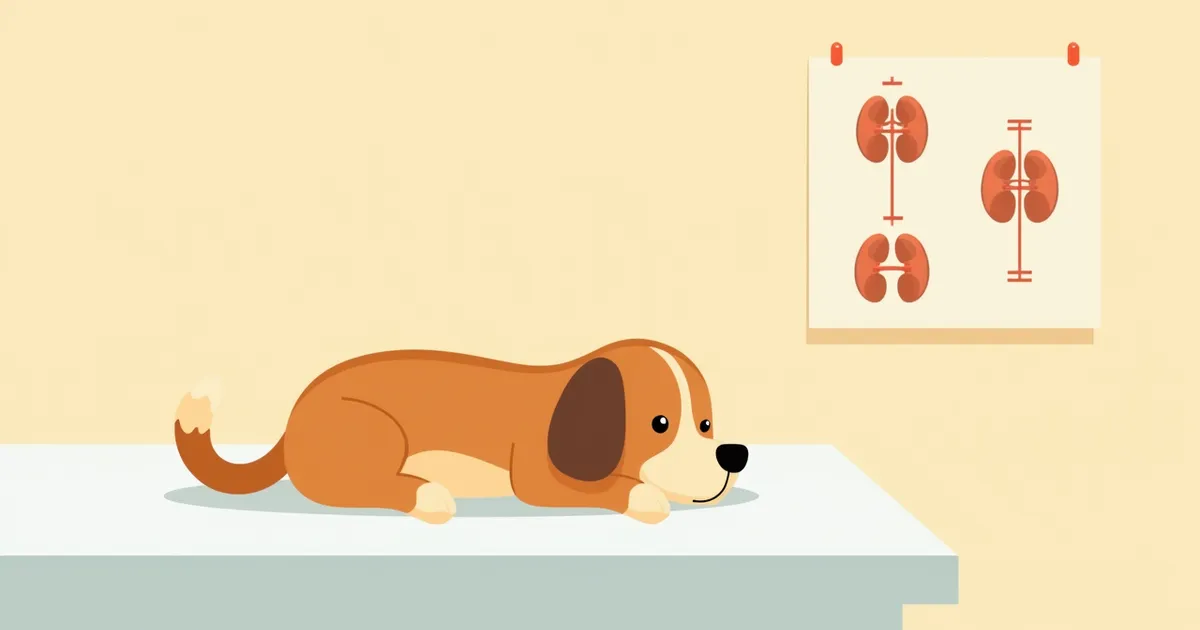
Your dog’s heart anatomy and blood flow
Pimobendan strengthens your dog’s heart contractions and helps dilate blood vessels. - Declining heart function: When the heart isn’t beating properly, pimobendan enhances the contractility of the heart muscle to improve blood circulation. - Prolonged survival: Regular administration can slow the progression of heart disease and extend life expectancy. - Managing side effects: Side effects such as liver dysfunction or decreased appetite may occur, so regular check-ups are essential to monitor your dog’s condition. - Accurate dosing: To maximize effectiveness, administer the medication at the exact dose and time prescribed by your veterinarian. - Long-term treatment: Rather than expecting quick results, consistent long-term management is key.

Things to Know: What to Consider When Looking at Pimobendan Treatment

When choosing a pimoabendazole treatment, carefully consider the drug’s stability, ease of administration, and potential side effects. It’s especially important to confirm whether the formulation is easy for your dog to take and if the dosing frequency is appropriate. The safest approach is to consult with your veterinarian before making a choice.
Formulation selection: Pimoabendazole is primarily available as meat-flavored tablets designed to improve palatability, though injectable forms are used in some countries. Since convenience of administration varies by formulation, choose one that your dog will readily accept.
Dosing frequency: Typically, it is administered twice daily at 12-hour intervals. Consistent adherence to the schedule enhances efficacy.
Monitoring for side effects: If symptoms such as decreased appetite, vomiting, low blood pressure, or rapid heart rate (tachycardia) occur, seek veterinary care immediately.
Storage: Keep the medication away from direct sunlight and moisture, and store it out of reach of children and pets. Because the tablets are highly palatable, take care to prevent accidental overconsumption by your dog.
A puppy chewing on a pill of Pyrantel Pamoate.

Things to Know 1: What Is Pimobendan?

Pimobendan is a prescription medication that helps the heart contract more efficiently and dilates blood vessels to reduce the heart's workload. It is primarily used to improve symptoms and enhance quality of life in cases of congestive heart failure and certain other heart conditions. It is commonly prescribed for dogs with valvular disease, and in dogs, it should be used cautiously under a veterinarian’s guidance based on the individual’s cardiac condition. Since it is not a general supplement but a drug that directly affects heart function, it must only be administered under veterinary prescription following a proper diagnosis.
Bettymin Plus chewable tablets box and puppy

Things to Know 2: Accurate Diagnosis and Prescription Come First
Pimobendan is not a one-size-fits-all treatment for every heart condition; it should only be used when deemed appropriate after evaluating the heart’s condition and type through diagnostics such as an echocardiogram. Even among heart diseases, its effectiveness varies by type, making a veterinarian’s diagnosis essential. Dosage and administration intervals are tailored to each individual pet, so it is crucial to follow the prescribed regimen without self-adjusting or altering the dose. Pimobendan is often prescribed in combination with other cardiac medications.
Inside view of the Premium Heart Capsule

Things to Know 3: Monitoring and Follow-up Care Are Necessary
Once your pet starts pimobendan, regular heart check-ups are essential to ensure the medication is working well and to determine if any dosage adjustments are needed. At home, you can help catch any worsening signs early by monitoring their resting respiratory rate and watching for changes in coughing or energy levels. Never skip doses or stop the medication abruptly, as this can be dangerous. If you notice any changes, do not adjust the dose on your own; always consult your veterinarian. Consistent management is key to treating heart disease, so it’s important to continue the medication alongside regular veterinary check-ups.
Administering liquid Pyoben to a puppy

Points to Keep in Mind for Pimobendan Treatment

ItemKey Points
Drug OverviewA prescription drug that helps heart contraction and widens blood vessels to reduce the burden
Indication AssessmentUse only when appropriate after confirming the type with echocardiography
Prescription AdherenceDosage and interval are determined by the veterinarian; do not adjust or stop on your own
MonitoringRegular cardiac exams and at-home observation of respiratory rate and energy level
ConsultationConsult your veterinarian when combining with other heart medications or when changes occur

This is not a table recommending specific products or clinics, but criteria to refer to when consulting your veterinarian. Decisions on treatment and testing must always be made together with your veterinarian through an examination.

Caution: Severe Side Effects May Occur with Pimobendan Overdose

Pimobendan should be given exactly as prescribed by your veterinarian, following the correct dosage and timing. Overdosing can lead to side effects such as loss of appetite, vomiting, rapid heart rate (tachycardia), and low blood pressure (hypotension). Because the tablets are highly palatable, dogs may be tempted to swallow them whole in large quantities, so keep the medication securely stored. If your dog ingests more than the prescribed amount or shows symptoms such as loss of appetite, vomiting, lethargy, or a rapid heartbeat after taking the medication, seek veterinary care immediately.

Practical Tips for Using Pimobendan Treatment

To ensure effective treatment with Pimobendan, consistent administration and close monitoring are essential. It’s important to establish a routine of giving the medication at the same time every day. Additionally, carefully recording your dog’s appetite, activity level, and breathing after each dose can be very helpful during consultations with your veterinarian.
Maintain a consistent dosing schedule: Administer the medication at set times in the morning and evening, spaced 12 hours apart.
Monitor for post-dosing reactions: Check daily for any loss of appetite, vomiting, or changes in energy levels.
Keep a log: Use a medication diary or app to track your dog’s condition.
Be cautious of drug interactions: Always inform your veterinarian if your dog is taking any other medications.
Puppy's Fipronil Medication Schedule

Reviewed by a veterinarian

Dr. Tony — Punnawat Phongkittirak

Dr. Tony — Punnawat Phongkittirak

Veterinarian

A veterinarian who majored in veterinary medicine at Khon Kaen University, Thailand, and completed the IVSA program at North Carolina State University in the United States. Drawing on clinical experience at animal hospitals, he works in the pet healthcare field and is dedicated to building a digital care environment that connects pet parents with veterinarians.

Frequently Asked Questions

What are the effects of Pimobendan on dogs?
Pimobendan strengthens the heart's contraction and dilates blood vessels, helping to improve overall heart function. It is particularly effective in dogs with compromised heart function, as it can prolong the asymptomatic phase and extend survival time.
How many times a day should I administer Pimobendan?
Generally, it is recommended to administer the medication twice daily at 12-hour intervals. However, the frequency and dosage may vary depending on your dog's weight, the severity of the condition, and your veterinarian's prescription.
What should I do if my pet shows side effects after taking Pimobendan?
If your pet shows decreased appetite, vomiting, rapid heart rate (tachycardia), or low blood pressure, immediate veterinary care is essential. Contact your veterinarian right away.
Is it safe to give Pimobendan long-term?
Under a veterinarian’s ongoing monitoring, long-term use is possible. Regular check-ups are necessary to assess the medication’s effectiveness and any potential side effects.
Can I give my pet pimobendan together with other medications?
ACE inhibitors and spironolactone are often used alongside other heart medications, but drug interactions can occur. Always inform your veterinarian and follow the prescribed dosage exactly.

Share

Related Guides

References

[1] Plumb, D. C. (2023). Plumb's Veterinary Drug Handbook, 10th Edition. Wiley-Blackwell.

[2] Stern, J. A., & Walker, A. L. (2022). Small Animal Critical Care Medicine, 3rd Edition. Elsevier.

[3] Blackwell's Five-Minute Veterinary Consult: Clinical Companion, Small Animal Toxicology, 3rd Edition. Wiley-Blackwell, 2021.

This information is based on veterinary literature and does not replace diagnosis or treatment. Please consult a veterinarian for specific health concerns.

Metapet Co., Ltd. | CEO: Park Sung-yong | Business Reg. No. 417-88-02562 | Seoul, South Korea | Customer Center

7 Tips to Maximize Pimobendan's Effectiveness in Dogs | Meongsiljang