
Like
Share
멍실장
강아지 방광 이행세포암 관리 추천 BEST와 고르는 기준 총정리

Top Recommended Management Products for Canine Bladder Transitional Cell Carcinoma and Selection Criteria

UrinaryTop PicksMeongsiljang Veterinary Advisory Board

Bladder transitional cell carcinoma in dogs is a malignant tumor that can be difficult to treat. Choosing appropriate management products and treatments is crucial for extending survival time and improving quality of life.

Canine Bladder Transitional Cell Carcinoma Is a Malignant Tumor That Is Difficult to Treat
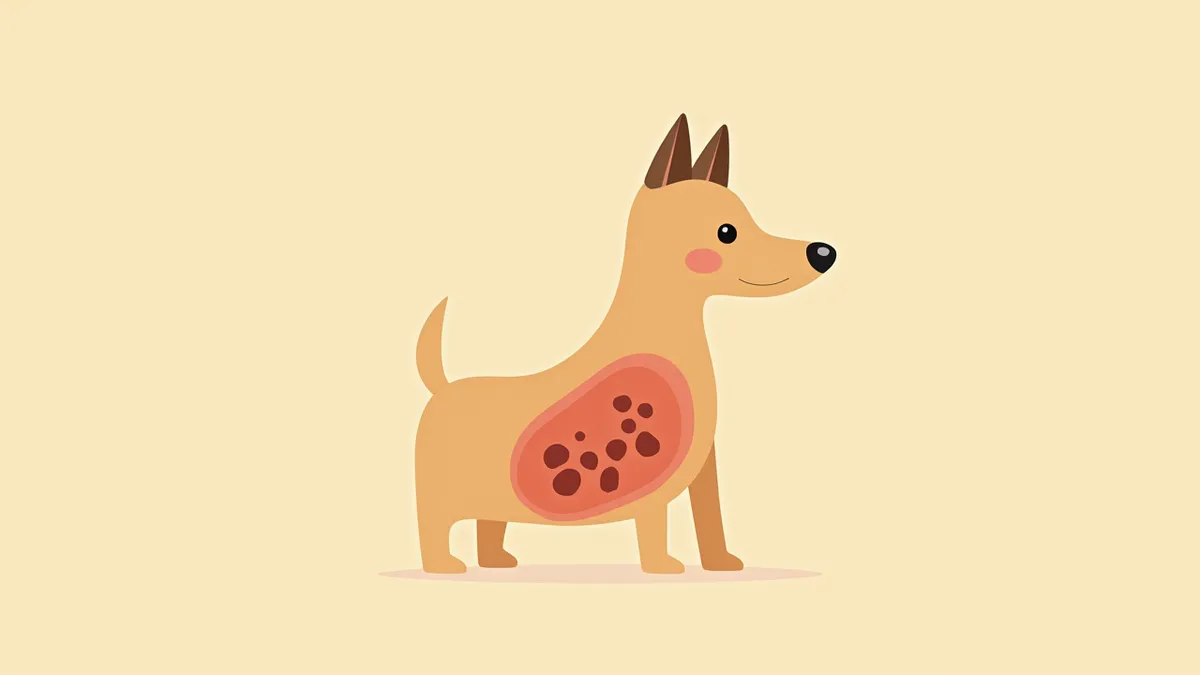
Image of bladder transitional cell carcinoma cells in dogs
Bladder transitional cell carcinoma (urothelial carcinoma) in dogs is a malignant tumor that arises from the transitional cells lining the bladder. Because early-stage symptoms are often subtle, detecting the disease early can be challenging. Signs may include blood in the urine, changes in urine color, difficulty urinating, urinary incontinence, and abdominal pain. However, these symptoms closely resemble those of other urinary tract conditions, which can delay diagnosis. Diagnosis typically involves a comprehensive approach combining imaging tests such as ultrasound and radiography, urinalysis, and urine cytology. Recently, tests that detect a specific genetic mutation present in approximately 95% of transitional cell carcinomas through urine samples have also become available. Early diagnosis and the development of an appropriate treatment plan are crucial for extending survival time and maintaining quality of life. Regular veterinary check-ups and urinalysis help identify abnormalities early on, and extra attention to bladder health is particularly important for senior dogs. - Early Detection: Diagnosing the condition early, while symptoms are still mild, significantly influences treatment decisions. - Regular Check-ups: It is advisable to work with your veterinarian to establish a schedule for routine examinations.

Criteria for Selecting Management Products for Canine Bladder Transitional Cell Carcinoma

When selecting a management product for canine bladder transitional cell carcinoma, it is important to consider the validity of the ingredient combination based on safety and veterinary support. In particular, the combination of ingredients that take into account quality of life, such as pain management, reduction of inflammatory responses, and maintenance of physical function, is important. However, the evidence-based treatment for transitional cell carcinoma, as taught in textbooks, includes non-steroidal anti-inflammatory drugs (COX inhibitors) such as piroxicam, chemotherapy with mitoxantrone, carboplatin, doxorubicin, radiation therapy, and surgery. It cannot be definitively stated that certain auxiliary ingredients directly inhibit cancer progression. These supplements are merely supportive elements of treatment.
Natural Ingredients: Natural ingredients may contribute to reducing the likelihood of side effects with long-term use.
Immune Support Elements: Some elements may help maintain immune system balance, but their ability to inhibit cancer cells is not yet clear.
Low-Irritation Formulations: Formulations that reduce the burden on the stomach may have the advantage of being suitable for long-term use, but effectiveness can vary depending on individual responses.
Image of a puppy taking a nutritional supplement

BEST 1: Premium Bladder Health Capsules

This product was developed with a specialized formula to support bladder health. It contains ingredients that may help with antioxidant and anti-inflammatory effects, contributing to general cellular protection and the mitigation of inflammatory responses. While some ingredients are known to play a supportive role in maintaining the physiological function of bladder cells, there is no evidence that they directly treat cancer. Therefore, this product cannot replace proven treatments such as piroxicam and should be used safely as a supplement under veterinary guidance.
Key Ingredients: Lutein, Omega-3, Green Tea Extract, Glucosamine
Administration: One tablet daily, taken with meals
Additional Benefits: The low-irritation formulation places less burden on the stomach, making it suitable for long-term use in many cases.
Premium Bladder Health Capsule Product Image

BEST 2: Natural Ingredient Pain Relief Supplement

Products containing natural ingredients that may help alleviate pain caused by bladder transitional cell carcinoma in dogs can be used in some cases, as they tend to have fewer side effects and may be suitable for long-term use. In particular, curcumin and broccoli extract are known to potentially help regulate inflammatory responses, although their efficacy has not been clearly proven. These supplements are not central to cancer treatment and must always be used alongside professional treatments such as anti-inflammatory drugs like piroxicam or chemotherapy. It is advisable to consult with a veterinarian before administering them.
Key Ingredients: Curcumin, broccoli extract, glucosamine, vitamin E
Dosage: One tablet per day, taken in the morning
Additional Benefits: Composed of naturally derived ingredients, which may lower the risk of side effects; however, individual responses can vary, so caution is recommended.
Image of a natural-ingredient pain-relief supplement

BEST 3: Immune Support Supplement

While some ingredients in products designed to support the immune system of dogs undergoing cancer treatment may contribute to maintaining immune responses, direct veterinary evidence for specific immune-boosting effects is limited. Nutrients such as zinc, selenium, and vitamin C generally help maintain cellular function, but their efficacy in suppressing cancer cells is not definitively established. Because these supplements cannot replace proven medical treatments, it is safest to use them only as an adjunct under your veterinarian’s recommendation.
Key Ingredients: Zinc, Selenium, Vitamin C, Resveratrol
Administration: One tablet daily, after meals
Additional Benefits: May play a supportive role in maintaining immune function and can be considered for long-term use.
Product image of an immune-boosting supplement

Comparison Table of BEST 1–3 Products

ItemBEST 1: Premium capsuleBEST 2: Pain-relief supplementBEST 3: Immune-boosting supplement
Main ingredientsLutein, omega-3, green tea extract, glucosamineCurcumin, broccoli extract, glucosamine, vitamin EZinc, selenium, vitamin C, resveratrol
Main effectsMay help protect cells and relieve inflammatory responses (direct anticancer effect not proven)May help relieve pain and control inflammatory responses (not the core of treatment)May play a supportive role in maintaining immune function (cancer-cell suppression effect unclear)
Administration method1 tablet a day, with meals1 tablet a day, in the morning1 tablet a day, after meals
Additional advantagesLow-irritation formulation may reduce gastrointestinal burdenComposed of natural ingredients, may reduce the likelihood of side effectsIncludes factors that may be considered for long-term use

Supplements are not a substitute for proven treatments such as piroxicam, and administration is recommended only after consulting a veterinarian.

Precautions and Contraindications

These products are intended as supportive aids for treatment, not as substitutes for cancer therapy. They should be used under the guidance of a veterinarian. Special caution is advised if your pet is taking blood thinners, as the antioxidant ingredients may interact with the medication.

Usage Tips and Management Points

When administering products for managing canine bladder transitional cell carcinoma, consistent dosing and regular veterinary check-ups are essential.
Consistent Dosing: Administer the medication at the same time each day to maintain consistency.
Veterinary Consultation: Consult your veterinarian to check for potential drug interactions and confirm the suitability of the treatment.
Dietary Management: A balanced diet is important. The need for a low-sodium or high-protein diet varies depending on your dog's individual condition.
Water Intake: Daily water requirements depend on your dog's health status and age. Both excessive and insufficient intake can place undue stress on the body. Please consult your veterinarian to determine the appropriate amount.
Activity Management: Avoid strenuous exercise and provide a comfortable environment. The level of physical activity should be adjusted according to your dog's condition.
Tips for managing bladder cancer in dogs

Reviewed by a veterinarian

Dr. Tony — Punnawat Phongkittirak

Dr. Tony — Punnawat Phongkittirak

Veterinarian

A veterinarian who majored in veterinary medicine at Khon Kaen University, Thailand, and completed the IVSA program at North Carolina State University in the United States. Drawing on clinical experience at animal hospitals, he works in the pet healthcare field and is dedicated to building a digital care environment that connects pet parents with veterinarians.

Frequently Asked Questions

Which products are effective for treating canine bladder transitional cell carcinoma?
Natural or supplemental ingredients related to antioxidant activity, inflammation modulation, and immune support are known to be helpful, but their direct therapeutic effects have not been proven. Evidence-based treatments for transitional cell carcinoma include anti-inflammatory drugs such as piroxicam, chemotherapy, radiation therapy, and surgery; supplements do not replace these treatments. The choice of ingredients should be made in consultation with your veterinarian, depending on your dog’s condition.
How many times a day should I give this product to my pet?
Typically, one tablet is taken per day. Adjust the dosage according to the product label and your veterinarian’s instructions. It’s important to maintain a consistent dosing schedule.
Does this product have any side effects?
Even though the product is made with natural ingredients, individual reactions can cause side effects such as digestive discomfort or allergies, so it’s important to monitor your pet closely when they first start taking it.
Is it safe to take this with other medications?
Some ingredients may interact with medications, so it’s safest to consult your veterinarian before giving this to your pet.
How long should my pet take this product?
It is generally recommended to continue taking the medication throughout the treatment period, and your veterinarian will advise whether to continue or adjust the dosage based on their assessment. The suitability for long-term use varies depending on individual circumstances.

Share

Related Guides

References

[1] Knott, C. et al. (2000). Canine bladder transitional cell carcinoma: Clinical features and treatment outcomes. Veterinary Surgery, 29(4), 321–328.

[2] Moore, A.S. et al. (2002). Chemotherapy for canine transitional cell carcinoma: A retrospective study. Journal of Veterinary Internal Medicine, 16(3), 277–283.

[3] Hill, A. et al. (2015). Nutritional support in dogs with cancer: Impact on quality of life and survival. Journal of Veterinary Medical Science, 77(10), 1231–1237.

This information is based on veterinary literature and does not replace diagnosis or treatment. Please consult a veterinarian for specific health concerns.

Metapet Co., Ltd. | CEO: Park Sung-yong | Business Reg. No. 417-88-02562 | Seoul, South Korea | Customer Center

Best Canine Bladder Transitional Cell Carcinoma Care | Meongsiljang