Like
Share
멍실장
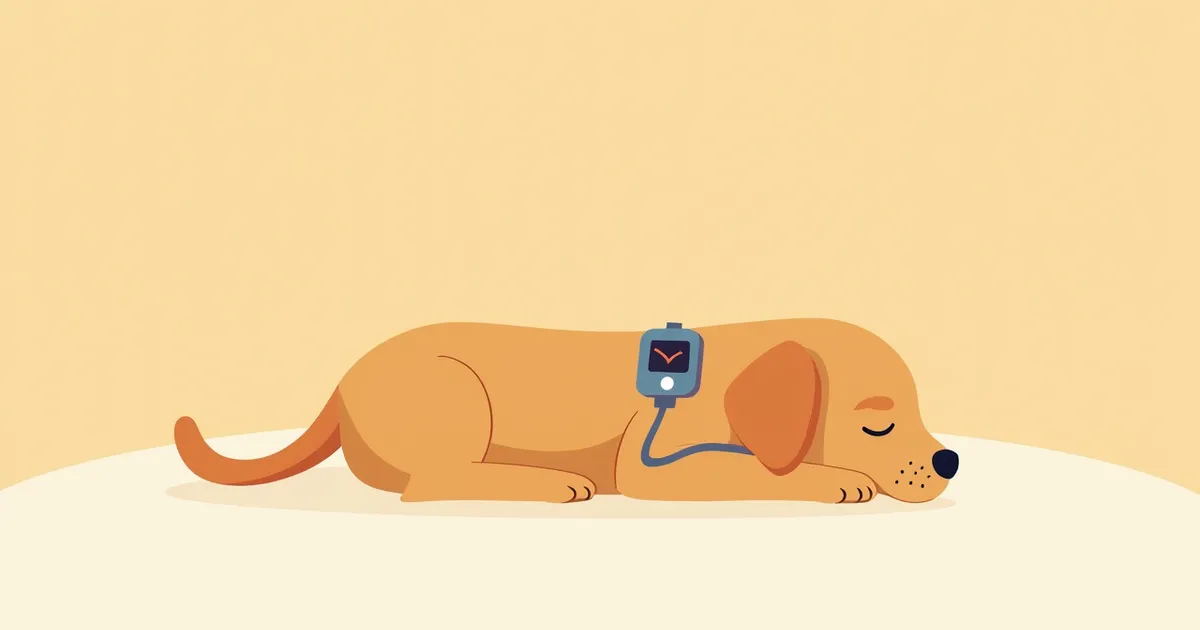
강아지가 편안하게 잠자는 모습, 목에 디지털 호흡수 모니터 부착

7 Key Points and Measurement Criteria for Monitoring Your Dog’s Resting Respiratory Rate Recommended by Veterinarians

HeartTop PicksMeongsiljang Veterinary Advisory Board

Regularly monitoring your dog’s respiratory rate and heart condition during sleep is key to early detection of heart disease. We’ve compiled recommended equipment and selection criteria for effective home monitoring.

What Is Respiratory and Heart Monitoring During Your Dog’s Sleep?

The sight of a puppy's chest gently rising and falling as it sleeps
Regularly counting and recording your dog’s resting and sleeping respiratory rate is a useful way to monitor heart health at home. When your dog is asleep or resting comfortably, the influence of excitement or activity is minimized, allowing for a more consistent assessment of baseline vital signs. For dogs managing heart disease, it is recommended that owners consistently track their pet’s respiratory rate during sleep. Since trends over several days provide more insight than a single reading, maintaining a log is essential for quickly detecting any deviations from the norm. If the rate falls outside the normal range or changes suddenly, consult your veterinarian rather than waiting for the next scheduled appointment. Combining diligent home monitoring with regular veterinary check-ups enables more stable, long-term management of your dog’s heart health.

Key Takeaway: Recording and Tracking Respiratory Rate at Home
High-accuracy sensors: Utilizes infrared or pressure-based sensors to precisely measure respiratory rate and heart rate.
Dog-friendly design: Available in lightweight collar or harness styles for comfortable wear, ensuring no discomfort even during sleep.
Real-time alerts: Sends immediate notifications to your smartphone if readings fall outside the normal range.
Data storage and analysis: Requires app integration to store data on a weekly basis and track trends over time.
Veterinarian sharing feature: Easily share measurement records with your vet to assist during consultations.
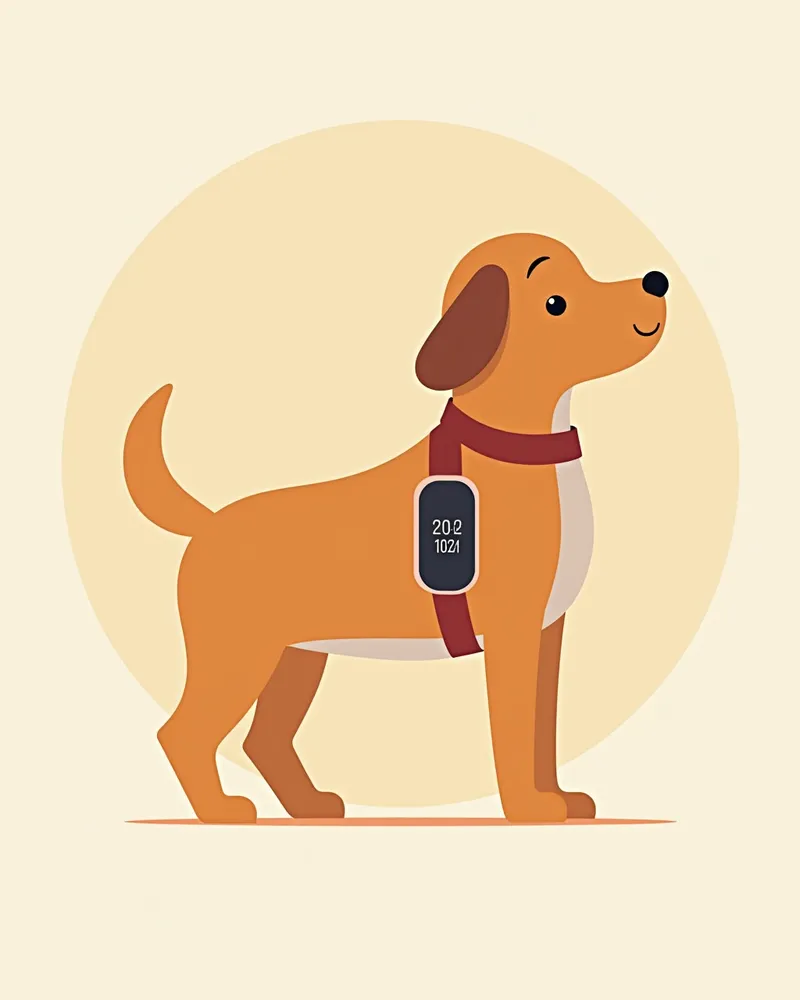
Smart heart rate monitor for dogs, featuring a soft strap design

Key Point 1: Why Home Records Are Important for Heart Management
For dogs managing heart disease, monitoring their condition at home between veterinary visits is crucial. Among various indicators, the resting respiratory rate is the most useful metric that owners can easily measure and record at home. Consistent tracking allows for early detection of any deviations from the norm and provides objective data for veterinary consultations. Since trends over time reveal more than a single measurement, the key is to accumulate records to observe patterns.
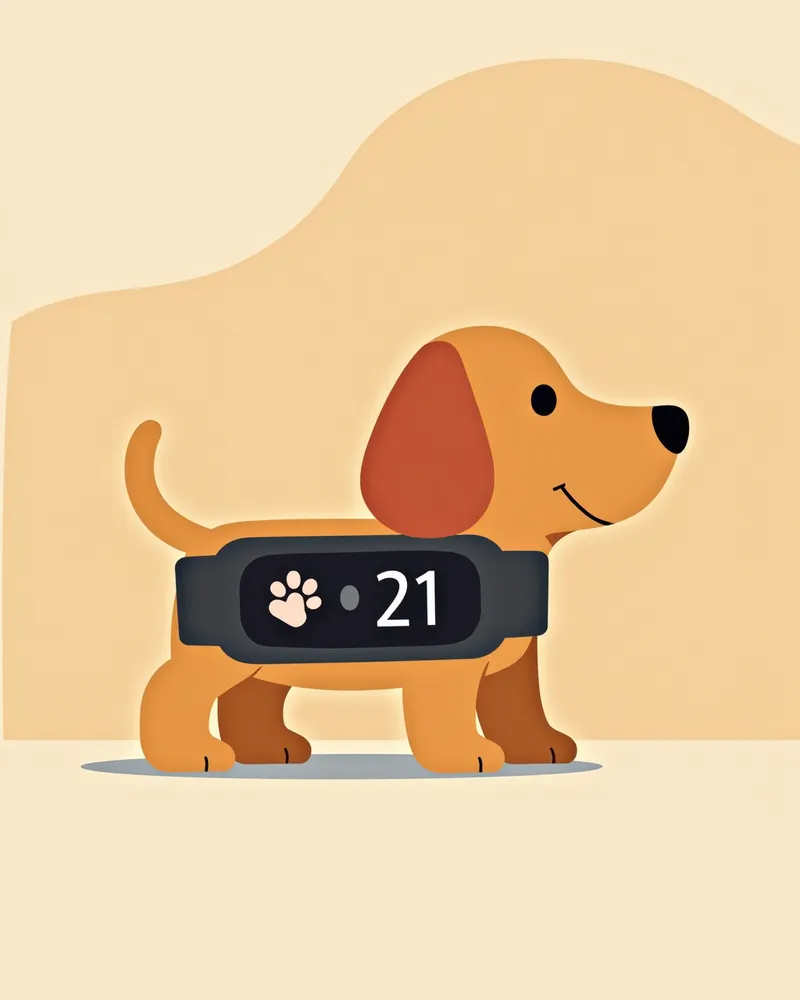
Smart monitor for dogs, displaying heart rate and respiratory rate on a digital screen

Key Point 2: Measure Accurately and Record Under Consistent Conditions

Respiratory rate increases when your pet is excited or in a warm environment, so measurements are only meaningful if taken under consistent conditions—ideally while they are resting comfortably or sleeping. Count the number of times their side rises and falls over one minute (or count for 15 seconds and multiply by four), and record the date and time in a notebook or on your phone. Measuring at the same time each day yields the most reliable results. You can also take a short video with your phone to count later, or use an app or simple chart to track trends at a glance. A normal respiratory rate for an awake dog is typically 10–30 breaths per minute, while during rest or sleep it is usually under 30 breaths per minute.
A monitor device attached to the dog's collar, featuring a blue and white design.

Key Point 3: Use Records During Veterinary Visits and Respond to Abnormalities

Keeping a log of your pet’s respiratory rate is incredibly helpful during veterinary visits, as it provides objective evidence of how well medications are working and when changes began. If you notice the respiratory rate during rest or sleep rising for several consecutive days or consistently exceeding 30 breaths per minute, please contact the clinic rather than waiting for your next scheduled appointment. Sudden changes, such as open-mouth breathing or labored respiration, constitute a medical emergency. Consistent monitoring combined with regular check-ups enables stable management of heart disease.
A lightweight white monitoring device, shown attached to a dog’s collar

Key Points for Recording and Tracking Respiratory Rate During Sleep

ItemKey Points
Value of RecordingA useful cardiac indicator to monitor at home between clinic exams
Measurement ConditionsOnly comparisons made under the same conditions (at rest, during sleep) are meaningful
Recording MethodOrganize trends with notebook, app, or video along with date and time
Normal RangeUsually 10–30 breaths when awake; generally under 30 at rest or during sleep
Use & ResponseUse as clinical reference; go to the clinic if there is a rise over several consecutive days or a sudden change

This is not a table recommending specific products or devices, but the key points to refer to for at-home management. Always consult your veterinarian for interpretation of measured values and treatment decisions.

Precautions: Risks of Improper Use

Improper use of monitoring devices can cause stress in dogs. A collar that is too tight or a waistband that irritates the skin may lead to dermatitis. Additionally, device malfunctions or data errors can result in diagnostic inaccuracies, so regular checks are essential.

Usage Tips: 5 Practical Tips for Effective Home Monitoring
To effectively monitor your dog’s respiratory and heart rates during sleep, follow these tips. It’s important to take measurements at the same time each day and in a comfortable environment for your dog.
Set a consistent measurement time: Measure when your dog is in deep sleep, such as every morning at 8 a.m.
Adjust the environment: Measuring in a quiet, warm room helps reduce stress.
Check equipment: Inspect the battery and sensor status of your monitoring device weekly.
Record data: Keep a log of your measurements like a daily journal.
Share with your veterinarian: Share the recorded data with your vet on a monthly basis.
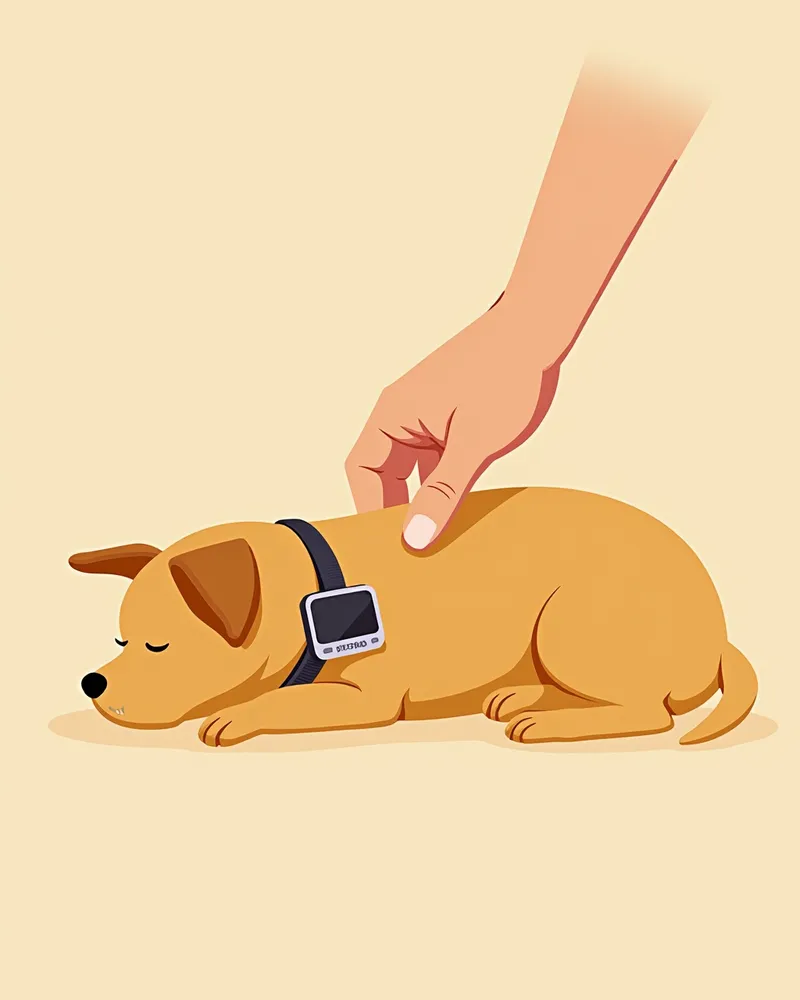
A hand attaching a monitor to a dog's collar.

Reviewed by a veterinarian

Dr. Tony — Punnawat Phongkittirak

Dr. Tony — Punnawat Phongkittirak

Veterinarian

A veterinarian who majored in veterinary medicine at Khon Kaen University, Thailand, and completed the IVSA program at North Carolina State University in the United States. Drawing on clinical experience at animal hospitals, he works in the pet healthcare field and is dedicated to building a digital care environment that connects pet parents with veterinarians.

Frequently Asked Questions

What is the normal respiratory rate for a dog during sleep?
A dog’s normal breathing rate during sleep is typically fewer than 30 breaths per minute. If it exceeds this range, please consult your veterinarian.
Does your dog frequently take off the monitoring device?
The monitoring device is designed to be securely fastened so your dog can’t remove it. However, since your dog will need time to get used to it at first, gradually help them adjust to wearing it.
How do you share monitoring data with your veterinarian?
You can export the data from the app as a PDF or upload it directly to the veterinarian-only portal. Some products have an automatic sharing feature.
How does monitoring equipment assist veterinarians in their practice?
Long-term data can help catch early signs of heart disease, providing veterinarians with valuable reference information for diagnosis and treatment planning.
How long do monitoring devices last?
Typically, it can be used for about 2 to 3 years. If the battery needs replacement or there’s a sensor error, repair or replacement will be necessary.

Share

Related Guides

References

[1] Small Animal Critical Care Medicine, 3rd Ed. (2023). Chapter 24: Cardiac Output Monitoring in Resting Dogs.

[2] Advanced Monitoring for Small Animal Emergency and Critical Care, 2nd Ed. (2021). Section 16: Cardiac Output Monitoring Techniques.

[3] American College of Veterinary Internal Medicine (ACVIM). (2022). Guidelines for Home Monitoring of Canine Cardiovascular Health.

This information is based on veterinary literature and does not replace diagnosis or treatment. Please consult a veterinarian for specific health concerns.

Metapet Co., Ltd. | CEO: Park Sung-yong | Business Reg. No. 417-88-02562 | Seoul, South Korea | Customer Center

7 Vet Tips for Monitoring Your Dog's Resting Respiratory Rate | Meongsiljang