Like
Share
멍실장
고양이 인슐린 주사 방법·용량 조절 관리 추천 BEST와 고르는 기준 총정리

7 Key Tips from Veterinarians for Cat Insulin Injections and Dosage Adjustment — From Administration to Adjustment

EndocrineTop PicksMeongsiljang Veterinary Advisory Board

We provide a comprehensive guide to the best products and selection criteria for effectively administering insulin injections and adjusting dosages, which are essential for managing feline diabetes.

What Is Cat Insulin Injection and Dosage Adjustment Management?
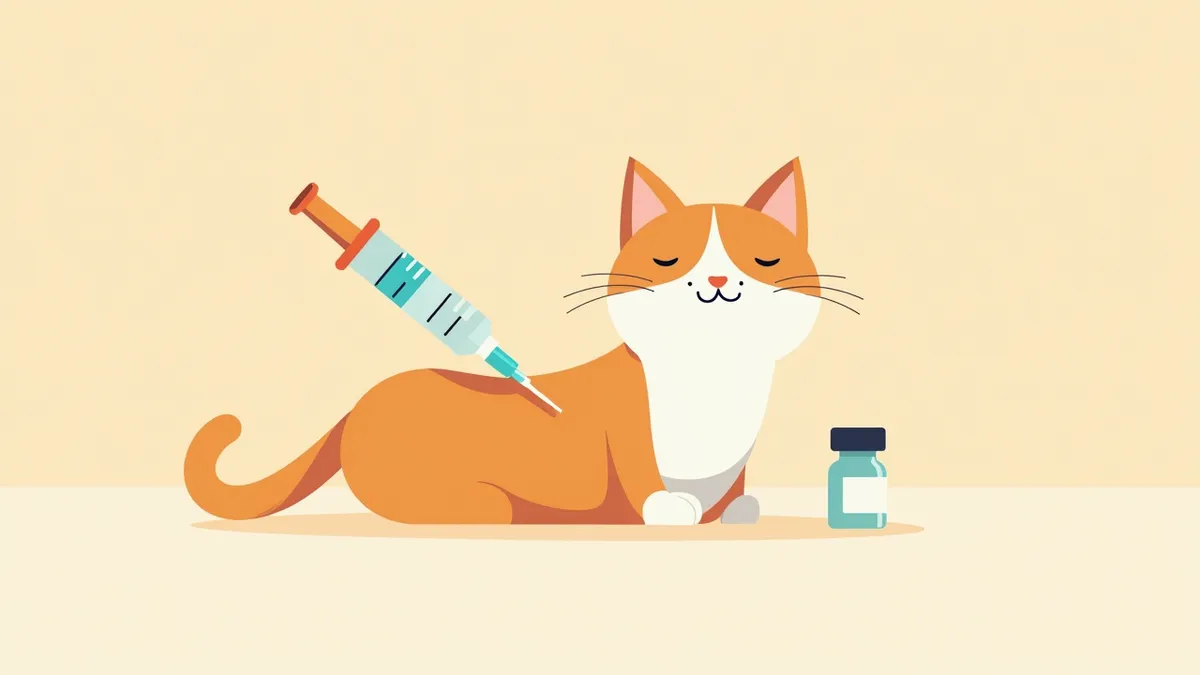
A veterinarian administering an insulin injection to a cat
Administering insulin injections and adjusting the dosage are key treatment strategies for maintaining stable blood sugar levels in cats with diabetes. Precise injection technique and individualized dosage adjustments prescribed by your veterinarian are essential for successful management. - Syringe precision: Insulin doses for cats are typically small, ranging from 0.25 to 0.7 units per kilogram of body weight, and are fine-tuned in increments of 0.25 to 0.5 units. Therefore, it is important to use a syringe with precise markings that can accurately measure these small amounts. Additionally, you must use a syringe specifically designed for the insulin concentration you are using (e.g., U-40). - Injection technique: Insulin should be administered subcutaneously (under the skin), not into the muscle. Gently lift a fold of skin and insert the needle. Incorrect technique can cause pain and uneven absorption of the medication. - Dosage adjustment criteria: Dosages are determined by your veterinarian based on your cat’s ideal body weight and blood glucose curve results. Do not adjust the dose on your own. If you observe signs of hypoglycemia (low blood sugar), follow your veterinarian’s instructions, which may include reducing the dose. - Injection frequency: The standard protocol is typically two subcutaneous injections per day, spaced 12 hours apart, though your veterinarian may adjust the frequency based on your cat’s condition. Regular blood glucose monitoring and veterinary check-ups are necessary to review and adjust the injection plan as needed.

Good to Know: Cat Insulin Injection and Dosage Adjustment Management
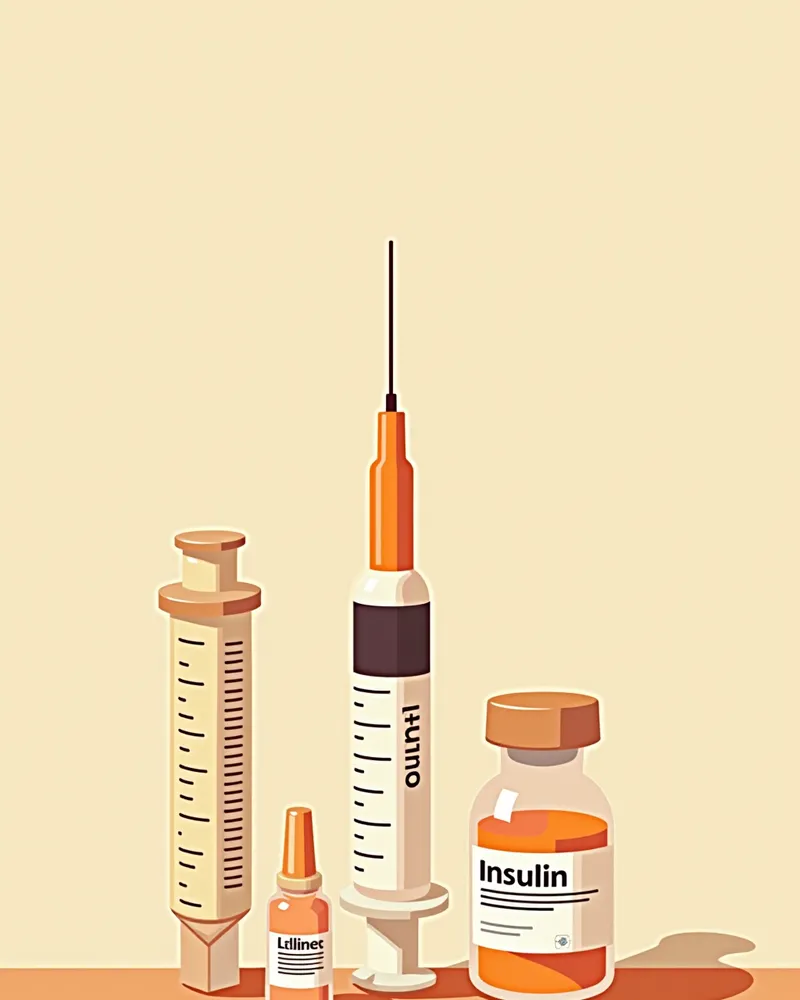
When choosing an insulin injection product for your cat, be sure to check these five key factors. Following these guidelines will help ensure safe and effective management.
Syringe precision: Since cats require very fine dose adjustments, typically in increments of 0.25 to 0.5 units, it is best to use a dedicated syringe that can measure small increments and matches the insulin concentration (such as U-40).
Insulin stability: Opt for products that remain stable and resist degradation under recommended storage conditions, which is usually refrigeration.
Ease of injection: Choose a product with an ergonomic design that fits comfortably in your hand and features a cap that opens easily.
Cost-effectiveness: For long-term use, an ideal product offers good performance relative to its cost.
Veterinarian recommendation: Insulins like Glargine and PZI, which are commonly recommended as first-line treatments in clinical practice, are highly reliable.
An image showing insulin syringes and vials from various brands.

Good to Know 1: Feline Diabetes and Conditions Requiring Insulin Injections
Feline diabetes occurs when there is insufficient insulin or when cells fail to respond properly to it, resulting in persistently high blood sugar levels. The most common signs include excessive thirst and increased urine output, along with a strong appetite despite weight loss and decreased energy. As the condition progresses, it can lead to diabetic neuropathy, which causes weakness in the hind legs. If you notice these symptoms, your cat will need blood glucose and urine tests for diagnosis, and your veterinarian will determine whether insulin therapy is necessary.
An informative image about feline diabetes and the need for insulin injections

Good to Know 2: Types of Insulin and Principles of Dosage Adjustment
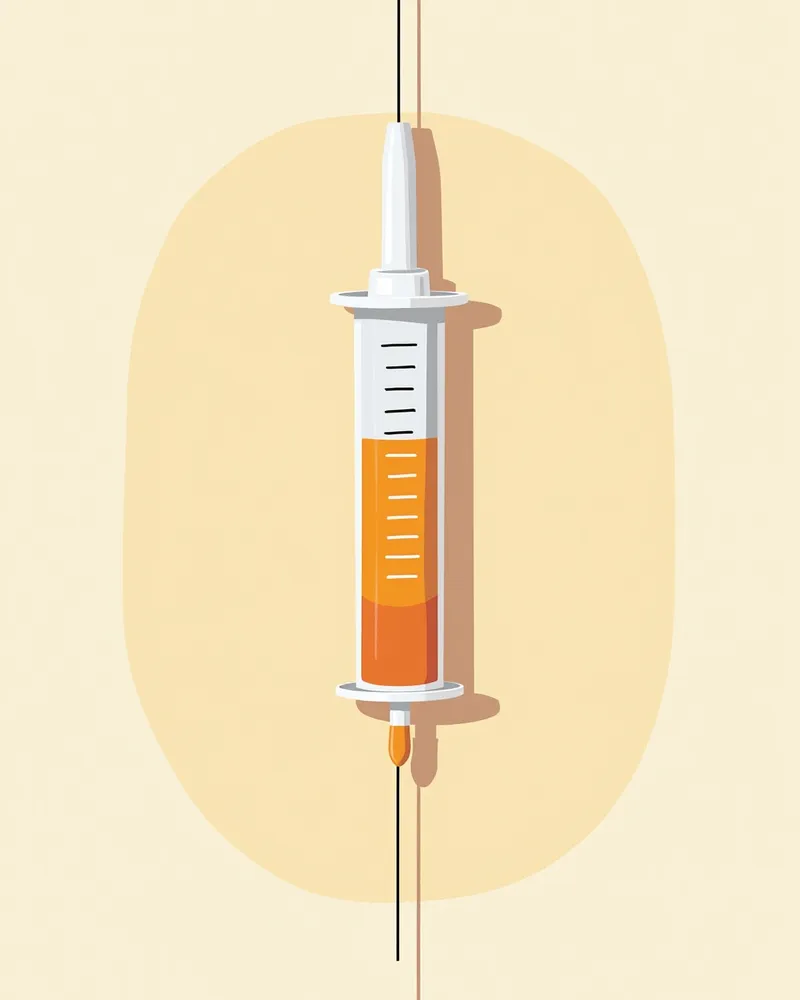
The type and initial dose of insulin for cats are prescribed by a veterinarian based on blood glucose levels and body weight. Treatment typically begins with subcutaneous injections twice daily at 12-hour intervals, with the dose gradually adjusted according to regular blood glucose monitoring results. Do not adjust the dose on your own, as this can lead to life-threatening conditions such as hypoglycemic shock. Store prescribed insulin in the refrigerator, and gently roll it between your palms to mix before use; do not shake it vigorously.
Informational image on types of insulin and principles for adjusting dosage

Good to Know 3: Home Care, Hypoglycemia Precautions, and Ongoing Veterinary Management
Administer injections by gently lifting the skin on the back of the neck or the flank and inserting the needle at a 45-degree angle, rotating the injection sites to avoid using the same spot repeatedly. If your pet refuses to eat, administering insulin as usual can cause hypoglycemia, so be sure to consult your veterinarian for specific instructions beforehand. If you observe signs of hypoglycemia such as staggering, seizures, or sudden lethargy, seek immediate veterinary care. Regular blood glucose monitoring and periodic dosage reassessment by your veterinarian are essential for long-term management.
Guidance on home care, hypoglycemia precautions, and ongoing veterinary management

Cat Insulin Injections and Dosage Adjustment: What Owners Should Know

ItemKey Points
ConditionPersistently elevated blood glucose, increased thirst, increased urination, weight loss
CausesInsufficient insulin secretion or insulin resistance
DiagnosisConfirmed by veterinarian through blood and urine glucose tests
TreatmentVeterinarian-prescribed insulin, subcutaneous injection at 12-hour intervals
CautionNo arbitrary dose changes; visit clinic immediately for hypoglycemia symptoms

This is not a table recommending specific products or clinics, but criteria to reference when consulting your veterinarian. Always make treatment and testing decisions together with your veterinarian through an examination.

Caution: Risk of Hypoglycemia with Overdose

An insulin overdose can cause life-threatening hypoglycemia in cats. If your cat shows symptoms such as lethargy, unsteadiness, seizures, or loss of consciousness after an injection, seek veterinary care immediately.

Usage Tips: Injection Technique and Management Checklist
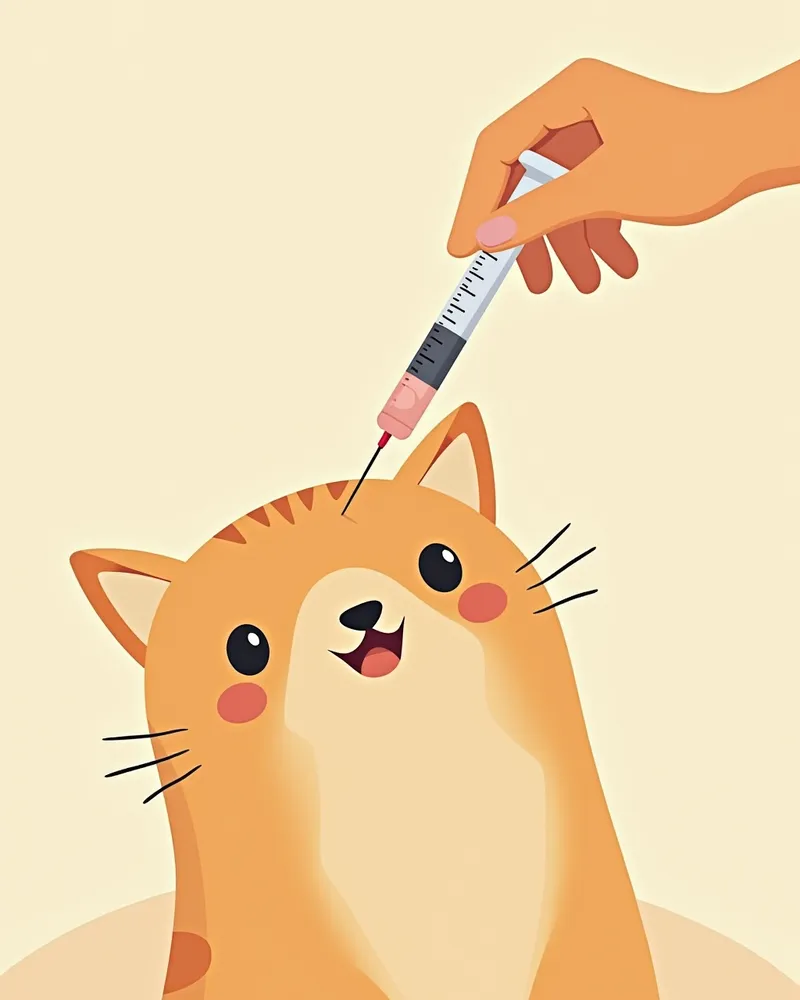
Here are some practical tips to help you successfully manage insulin injections for your cat. Be sure to keep these in mind.
Pre-injection preparation: Gently roll the insulin between your palms before use to ensure it is evenly mixed, but do not shake it vigorously. If the cold temperature is a concern, you may let it sit at room temperature for a short time as directed by your veterinarian, but it must always be stored in the refrigerator.
Injection site: Administer the injection subcutaneously (under the skin), not into the muscle, typically at the back of the neck or behind the shoulder. Gently lift a fold of skin and rotate the injection sites to avoid using the same spot repeatedly.
Post-injection monitoring: After the injection, observe your cat’s activity level, appetite, and mental state. Watch closely for any signs of hypoglycemia, such as stumbling or lethargy.
Record keeping: Keep a daily log of the injection time, dosage, and your cat’s response. This information will be very helpful when communicating with your veterinarian.
Storage: Store insulin in the refrigerator. After opening, adhere to the manufacturer’s specified expiration period and do not use the product if it has deteriorated.
The image shows a hand administering an injection to the back of a cat's shoulder.

Reviewed by a veterinarian

Dr. Tony — Punnawat Phongkittirak

Dr. Tony — Punnawat Phongkittirak

Veterinarian

A veterinarian who majored in veterinary medicine at Khon Kaen University, Thailand, and completed the IVSA program at North Carolina State University in the United States. Drawing on clinical experience at animal hospitals, he works in the pet healthcare field and is dedicated to building a digital care environment that connects pet parents with veterinarians.

Frequently Asked Questions

How many times a day should insulin injections be given?
The injection frequency depends on the type of insulin used and the cat's condition. For most cats, the standard is subcutaneous injections twice daily at 12-hour intervals. Your veterinarian will make the final decision based on your cat's weight and blood glucose levels.
Is it normal for a cat to feel sleepy or unsteady after receiving an injection?
Drowsiness or unsteadiness can be early signs of hypoglycemia. Offer food or sugar right away, and if the condition worsens, a visit to the vet is necessary.
Can I store insulin syringes in the refrigerator?
Insulin should be stored in the refrigerator. However, if the cold temperature is uncomfortable for your pet before injection, you may let it sit at room temperature for a short time before use, as directed by your veterinarian.
What should I do if my pet’s blood sugar doesn’t drop after the injection?
If blood sugar levels remain uncontrolled, consult your veterinarian to adjust the dosage. Never attempt to adjust it on your own. Regular monitoring and dose adjustments by your veterinarian are essential.
How do I check the expiration date on an insulin syringe?
Check the expiration date printed on the bottle. For safety, use the product within the manufacturer’s recommended timeframe after opening. Older products may have reduced effectiveness.

Share

Related Guides

References

[1] Plumb, D. C. (2023). Plumb's Veterinary Drug Handbook, 10th Edition. Wiley-Blackwell.

[2] The Cat, Clinical Medicine and Management, 2nd Edition. (2022). Elsevier.

[3] American Association of Feline Practitioners. (2023). AAFP Guidelines for the Management of Diabetes Mellitus in Cats.

This information is based on veterinary literature and does not replace diagnosis or treatment. Please consult a veterinarian for specific health concerns.

Metapet Co., Ltd. | CEO: Park Sung-yong | Business Reg. No. 417-88-02562 | Seoul, South Korea | Customer Center

7 Vet Tips for Cat Insulin Injections & Dosage Adjustment | Meongsiljang