Like
Share
멍실장
고양이 담즙산 검사 관리 추천 BEST와 고르는 기준 총정리

7 Best Feline Bile Acid Testing and Management Items Recommended by Veterinarians

Liver HealthTop PicksMeongsiljang Veterinary Advisory Board

Feline bile acid testing is an important diagnostic tool for assessing liver function. This test enables early detection and management of liver disease.

What Is a Feline Bile Acid Test?
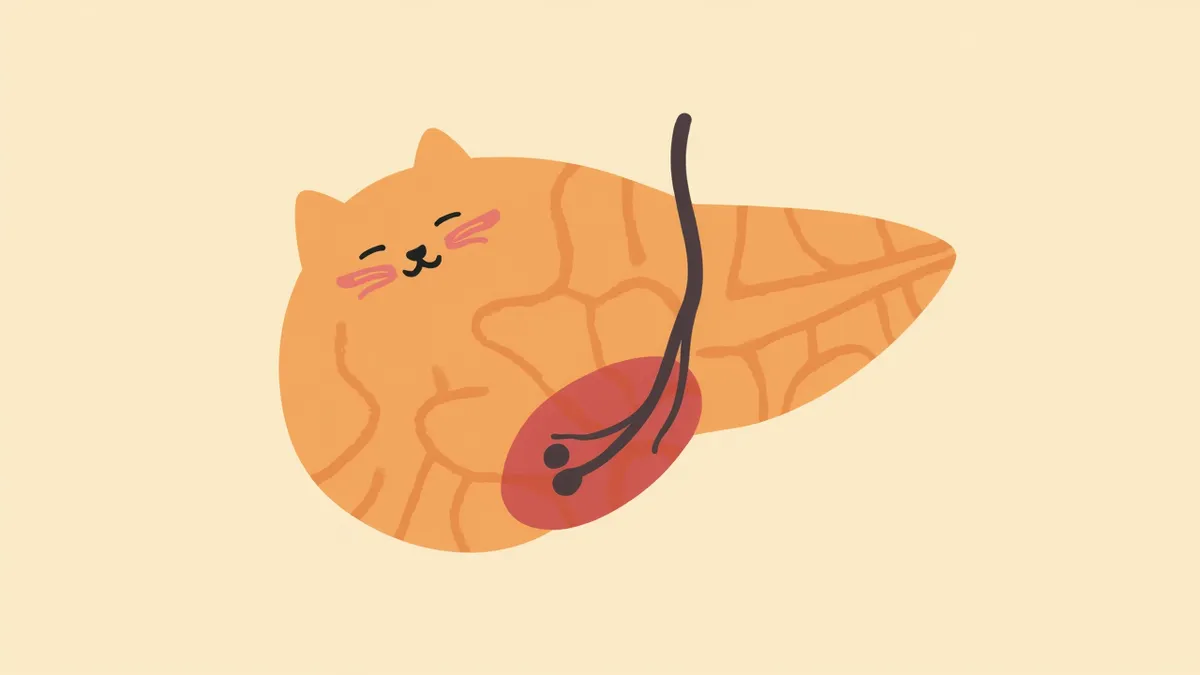
A scientific illustration showing the structure of a cat's liver, with the bile ducts and blood vessels clearly labeled.
The bile acids test is a key diagnostic tool for assessing liver function in cats. Bile acids are produced by liver cells, secreted into the intestines, and then reabsorbed back into the liver; this test measures the liver’s ability to properly clear these bile acids from the portal circulation. It helps identify hepatobiliary diseases such as portosystemic shunts, cholestasis, and hepatic dysfunction. This test is particularly useful when liver enzyme levels remain persistently elevated without a clear cause or when hepatic encephalopathy is suspected. For an accurate assessment, blood samples must be collected twice—once in a fasting state and once two hours after a meal—and compared. Fasting for at least 12 hours is required for the pre-prandial sample, and you should consult your veterinarian regarding any medications your cat is taking. This test helps detect liver dysfunction and enables the development of an appropriate management plan.

Selection Criteria

When choosing a bile acid test for your cat, consider accuracy, turnaround time, cost, and veterinarian recommendations. Since the reliability of the results is paramount, prioritize verifying the credibility of the testing method and equipment.
High-accuracy testing methods: Opt for laboratories that use high-sensitivity analytical equipment.
Rapid result delivery: Facilities that provide results within 24 hours offer greater convenience.
Veterinarian-recommended laboratories: Clinics specializing in professional liver disease diagnostics tend to have higher credibility.
Cost-effectiveness: Check in advance whether the test is covered by insurance and review the fee structure.
Highly rated facilities: Choose laboratories with positive reviews and ratings from other pet owners.
A veterinarian reviewing bile acid test results on a computer screen.

Check 1: Proper Fasting and Postprandial (2-Hour) Measurements
Bile acid testing requires two blood draws—one while fasting and another two hours after a meal—to accurately assess liver function. By comparing bile acid levels before and after eating, we can determine whether the liver is functioning properly and check for issues such as portosystemic shunts. When choosing a veterinary clinic, confirm that they follow this two-step protocol (fasting and postprandial) and provide clear fasting instructions before the test. Skipping these steps significantly reduces the diagnostic value of the results.
An illustrative guide on how to properly measure fasting and postprandial blood glucose levels.

Check 2: Experience in Liver Disease Diagnosis and Result Interpretation
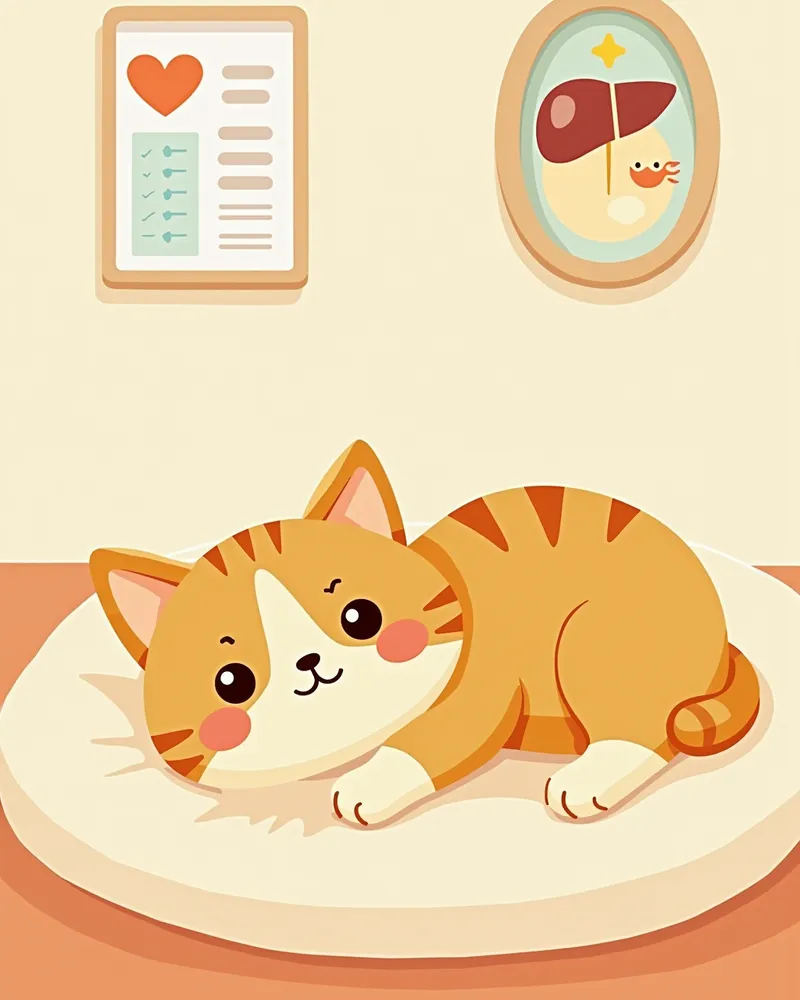
Bile acid levels are most meaningful when interpreted alongside other liver tests, so a veterinarian’s experience in reading these results is crucial. Look for a clinic that can identify early signs of liver dysfunction and determine when additional diagnostics—such as ultrasound or shunt evaluation—are needed. When choosing a hospital, verify that they have experience treating liver disease and can explain the results in a way that’s easy for you to understand. A clinic that explains what the numbers mean and outlines the next steps will be far more helpful than one that simply provides raw data.
Do you have experience in diagnosing liver diseases and interpreting test results? Please refer to the related guide image.

Check 3: Provision of Follow-Up Care and Dietary Counseling
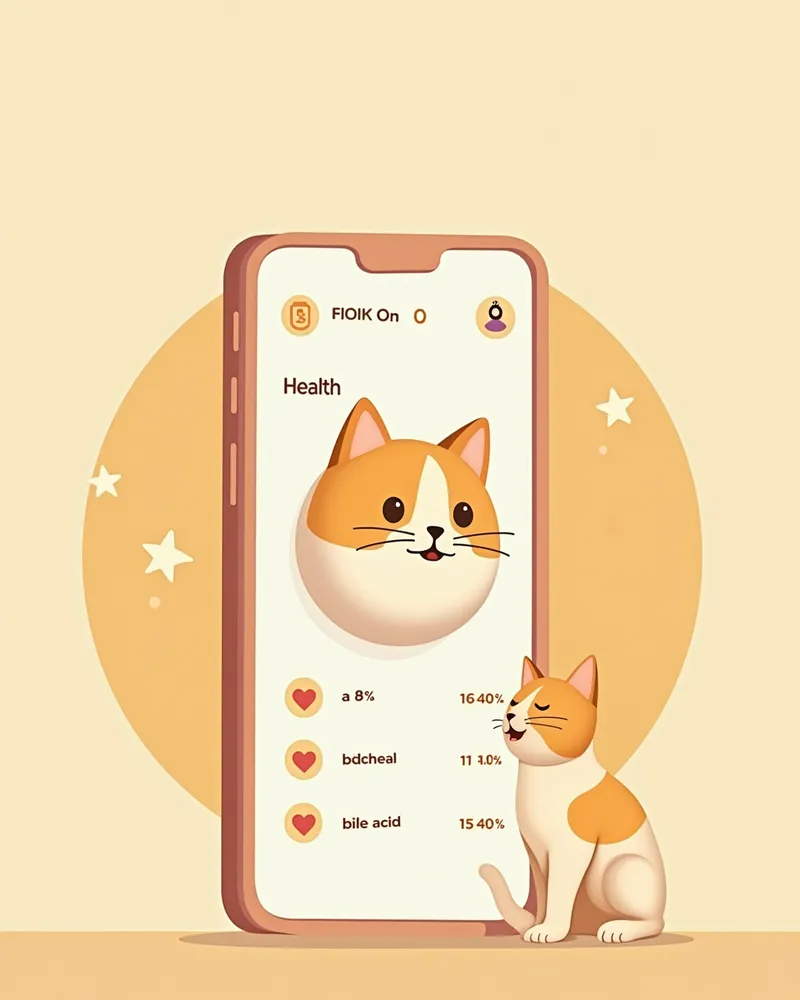
Since bile acid test results often require regular follow-ups and careful dietary and nutritional management, it’s best to choose a clinic that provides comprehensive aftercare. When liver values are borderline or slightly elevated, periodic rechecks help monitor changes, while guidance on liver-supportive diets and supplements can help slow disease progression. When selecting a clinic, look for one that provides a clear summary report of test results along with recommended recheck intervals and dietary counseling, making long-term liver health management much easier.
An image providing information on whether follow-up care and dietary counseling are offered.

Checklist for Choosing a Clinic for Bile Acid Testing

ItemRecommended Criteria
Testing ProcedureA place that accurately performs two measurements, fasting and post-meal
Interpretation ExperienceA place that explains results based on experience treating liver disease
Follow-up CareA place that provides follow-up testing and dietary consultation
Result InterpretationA place where the veterinarian personally explains test results and provides a management plan
Cost InformationA place that informs you in advance of estimated costs and the possibility of additional tests before testing

This is not a table recommending specific hospitals, but criteria worth checking when choosing a hospital to entrust with testing. Prices and detailed programs vary by hospital, so inquire directly before visiting.

Precautions

For accurate results, bile acid testing requires paired blood samples taken both after fasting and two hours after eating. Your cat must fast for at least 12 hours before the fasting sample is drawn. It’s also essential to inform your veterinarian about any medications your cat is taking, as certain drugs, improper sample handling, or delays in analysis can affect the test results.

Usage Tips
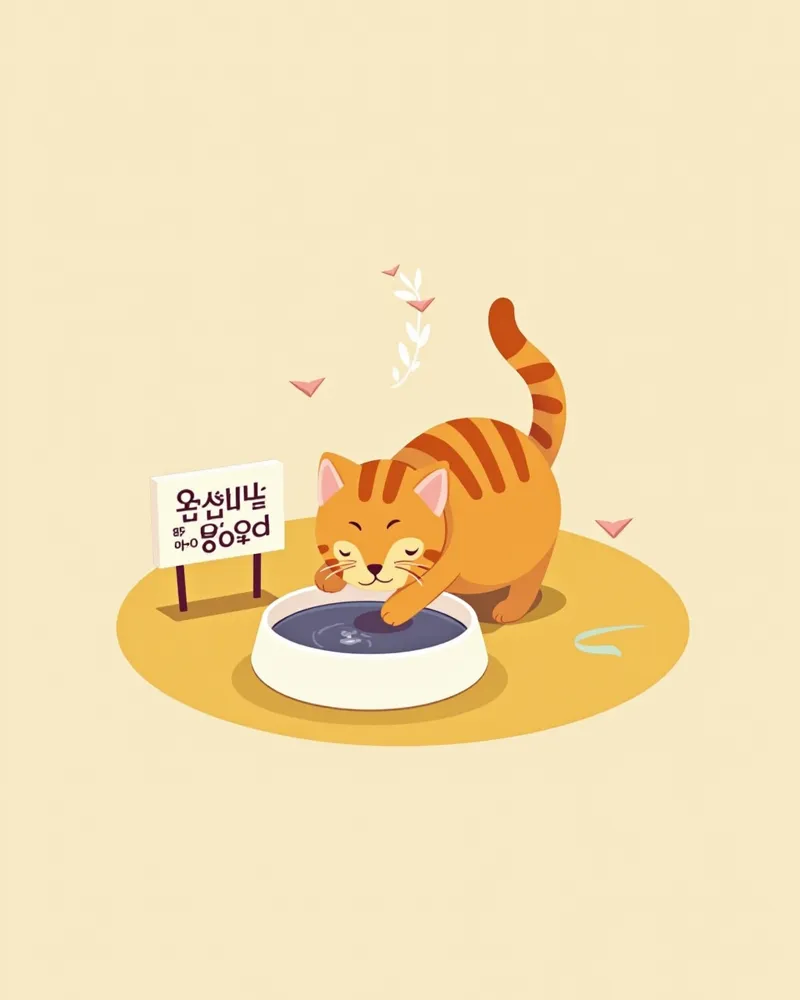
Before your cat undergoes a bile acids test, a fasting period of at least 12 hours is required to obtain a fasting sample. Water is generally not restricted, but it’s best to confirm with your veterinarian whether water should be withheld before the test. The procedure involves drawing blood while your cat is fasting, then feeding a small meal containing protein and fat, followed by another blood draw two hours later for comparison. Be sure to inform your veterinarian about any medications your cat is taking, as certain drugs or delays in sample handling and analysis can affect bile acid levels. Although the bile acids test is relatively low-stress, involving only a small meal and blood draws, consult your veterinarian if your cat shows persistent lethargy or loss of appetite after the test. Rather than routine screening, this test is most helpful when performed based on your veterinarian’s judgment if abnormalities such as elevated liver enzymes are detected.
A cat drinking water during pre-test fasting, with a small notice visible.

Reviewed by a veterinarian

Dr. Tony — Punnawat Phongkittirak

Dr. Tony — Punnawat Phongkittirak

Veterinarian

A veterinarian who majored in veterinary medicine at Khon Kaen University, Thailand, and completed the IVSA program at North Carolina State University in the United States. Drawing on clinical experience at animal hospitals, he works in the pet healthcare field and is dedicated to building a digital care environment that connects pet parents with veterinarians.

Frequently Asked Questions

When is the best time to have a cat undergo a bile acid test?
Rather than undergoing routine screening for all pets, it's best to have tests performed based on your veterinarian's recommendation when liver enzyme levels rise persistently without a clear cause, or when signs suggestive of liver disease—such as hepatic encephalopathy or uric acid ammonium stones—are present. If any related symptoms appear, don't delay—get tested promptly.
Do I need to fast my cat before the test?
Yes, fasting for at least 12 hours before the test is required to obtain a fasting sample. Water is generally not restricted, but please confirm with the clinic directly whether water should be withheld prior to the test.
What should I do if the test results come back abnormal?
Consult with your veterinarian to develop a plan for additional diagnostics, such as ultrasound or liver function tests, and appropriate treatment. Early management of declining liver function significantly improves the prognosis.
How much does the test cost?
The cost of testing varies widely depending on the clinic, the specific tests performed, and your pet’s condition. For an exact price, please contact the clinic directly before the test.
What should I do if my cat seems uncomfortable after the examination?
A bile acids test is a relatively low-burden procedure that involves a small meal and a blood draw. If your pet continues to show unusual lethargy or loss of appetite after the test, please contact your veterinarian for advice.

Share

Related Guides

References

[1] Center SA, Erb HN, Joseph SA. Measurement of serum bile acids concentrations for diagnosis of hepatobiliary disease in cats. J Vet Intern Med. 2006;20(5):1087-1093.

[2] Bayton WA, Westgarth C, Scase T, et al. Histopathological frequency of feline hepatobiliary disease in the UK. J Small Anim Pract. 2018;59(7):404-410.

[3] The Cat, Clinical Medicine and Management, 2nd Edition. Elsevier, 2020. Chapter 26: Evaluation of Liver Function in Cats.

This information is based on veterinary literature and does not replace diagnosis or treatment. Please consult a veterinarian for specific health concerns.

Metapet Co., Ltd. | CEO: Park Sung-yong | Business Reg. No. 417-88-02562 | Seoul, South Korea | Customer Center

Vet-Recommended: 7 Best Feline Bile Acid Test & Care Items | Meongsiljang