Like
Share
멍실장
고양이 담낭염·담낭 질환 관리 추천 BEST와 고르는 기준 총정리

7 Key Points for Managing Feline Cholecystitis Recommended by Veterinarians

Liver HealthTop PicksMeongsiljang Veterinary Advisory Board

Feline cholecystitis is a condition caused by impaired bile flow, making early diagnosis and proper management essential. We’ve put together a clear overview of recommended products for gallbladder health and the key criteria to consider when choosing them.

Best Recommendations for Managing Feline Cholecystitis and Gallbladder Diseases
A cat eating special food for gallbladder health
Feline cholecystitis is a condition characterized by inflammation of the gallbladder wall, and in veterinary medicine, it is classified into neutrophilic cholecystitis and lymphoplasmacytic (follicular) cholecystitis. Because symptoms are often nonspecific, early detection relies heavily on veterinary diagnosis through blood tests and abdominal ultrasounds. When detected early and treated appropriately, the prognosis is generally favorable. Please keep in mind that supplements cannot replace veterinary treatment and serve only a supportive role. - Prioritize veterinary diagnosis: If bile stasis or inflammation is suspected, obtaining a diagnosis and determining the treatment plan should take precedence over self-administering supplements. - Hepatobiliary protection: In cases of bile stasis or inflammatory hepatobiliary diseases, cell-protective ingredients such as ursodeoxycholic acid and vitamin E may be used under veterinary guidance. - Inflammation management: Neutrophilic cholecystitis often requires antibiotic treatment, so do not attempt to resolve inflammation with supplements alone. - Consistent dosing: Ensure the product can be administered accurately according to your cat’s weight and age. - Integrate lifestyle management: Combining appropriate nutrition and adequate hydration with treatment can be beneficial. It is best to consult with your veterinarian when selecting a product, taking these factors into account.

Selection Criteria: Key Factors for Gallbladder Health
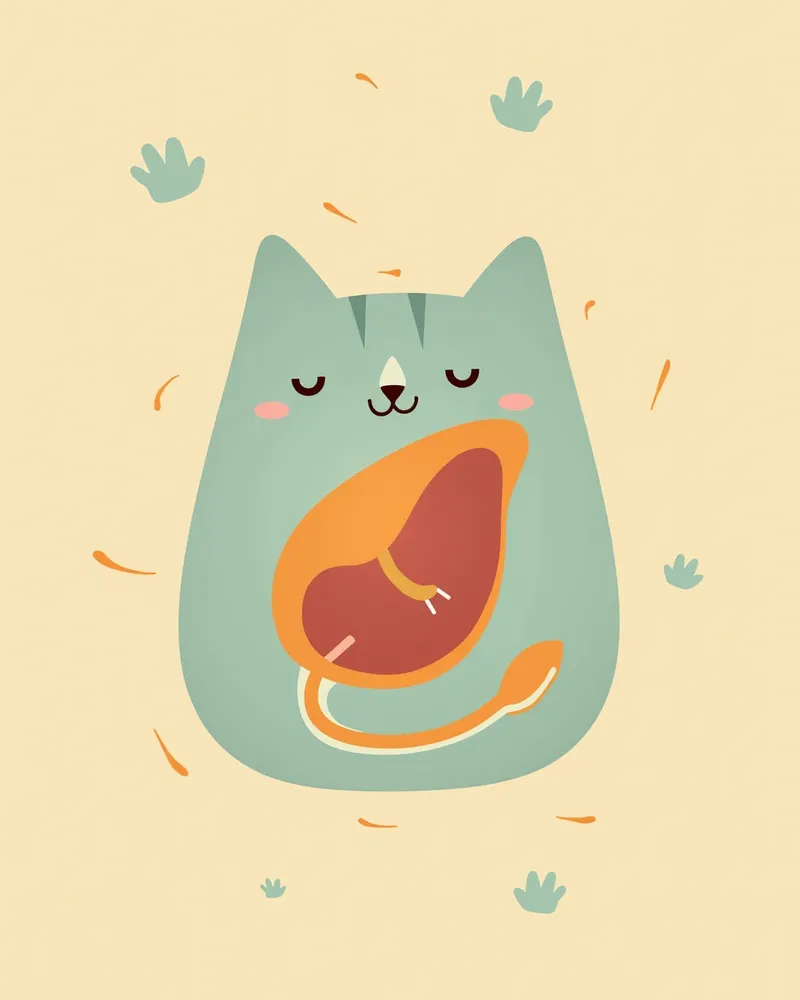
When selecting products for managing feline cholecystitis, veterinary diagnosis and treatment should always come first. It’s helpful to know that ingredients with proven efficacy for bile stasis or inflammatory hepatobiliary diseases include cytoprotective agents such as ursodeoxycholic acid and vitamin E, while the effectiveness of natural ingredients like herbs has not yet been sufficiently established. Be sure to verify that the product provides appropriate feeding amounts based on your cat’s weight and age, and that side effect information is clearly stated.
Hepatobiliary protective ingredients: Check the ingredient list for components with evidence supporting their use in bile stasis and inflammatory liver diseases, such as ursodeoxycholic acid and vitamin E.
Inflammation management: Neutrophilic cholecystitis often requires antibiotic treatment, so consider supplements only as complementary support.
Caution with herbal and natural ingredients: Some herbal preparations are actually recommended to be discontinued in cases of liver disease, so always consult your veterinarian.
Accuracy of feeding amounts: The product should allow for precise dosing tailored to your cat’s weight and age.
Cat-friendly texture: A soft texture with a natural scent helps ensure your cat will eat it without hesitation.
The natural flow of bile through a cat’s gallbladder and liver

BEST 1: Gallbladder Health Care Protein Pellets
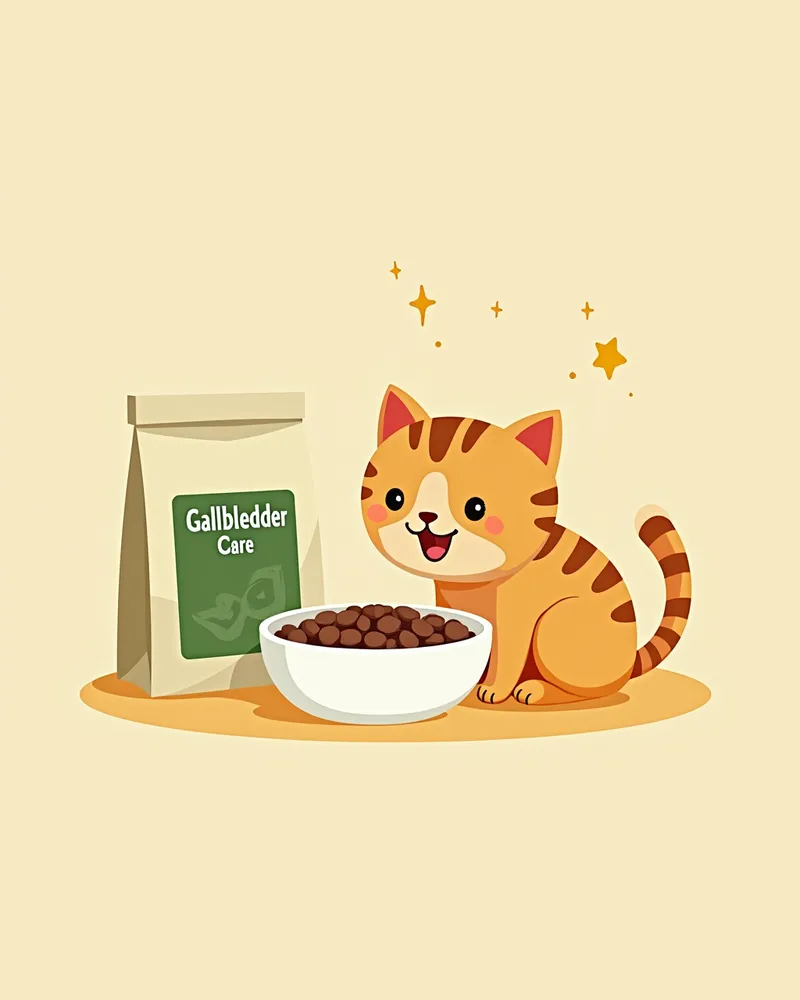
This product is a pellet-form supplement designed specifically for cats to support gallbladder health. While the label indicates that it contains herbal extracts and amino acids formulated with bile stasis and hepatobiliary burden in mind, please note that its efficacy in promoting bile secretion or regenerating liver cells has not been sufficiently proven in veterinary medicine, so it should be viewed as a reference only. The pellets have a soft texture to make them easy for cats to consume, but actual treatment must follow a veterinarian’s diagnosis and prescription.
Formulation Features: Soft pellets designed to be easily accepted by cats without resistance.
Hepatobiliary Support: Since ursodeoxycholic acid and vitamin E are the components with evidence for hepatobiliary conditions, please check the ingredient list.
Feeding Management: It is important to administer the correct amount based on your cat’s weight and age.
Veterinary Consultation: Always consult with a veterinarian before use to confirm suitability.
A cat eating pellets designed to support gallbladder health.

BEST 2: Gallbladder Protection Herb Mix Liquid
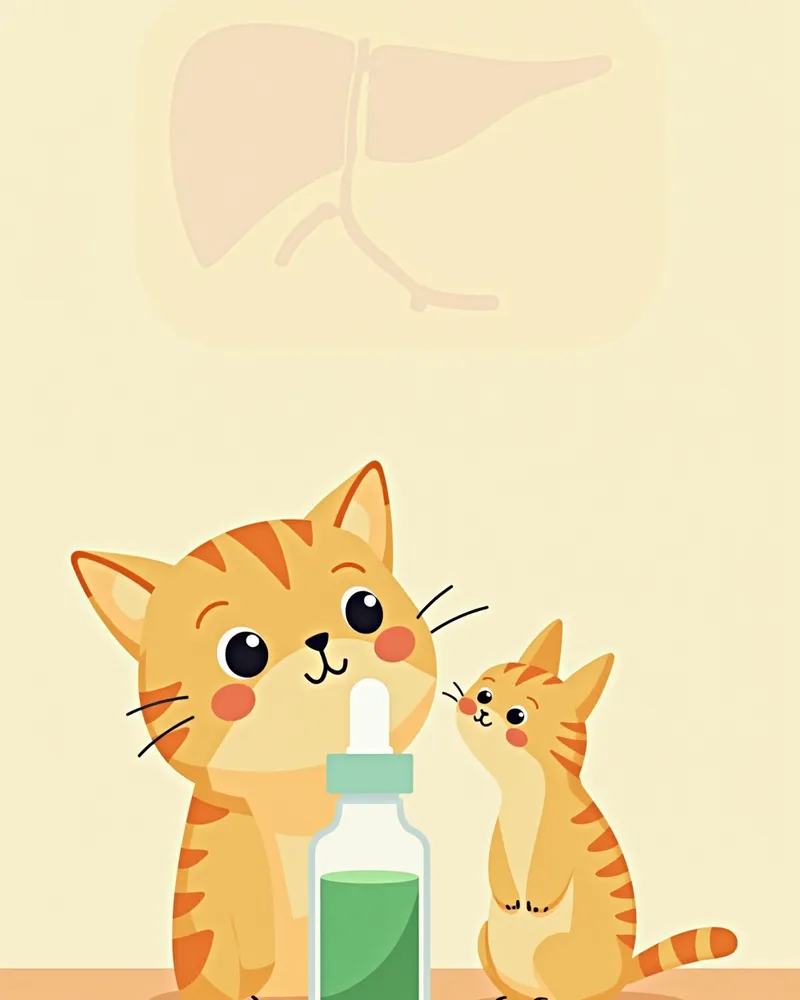
This product is a liquid supplement designed to support gallbladder health. While it features natural herbs intended to aid bile flow and address inflammation, there is no veterinary evidence confirming its ability to reduce bile viscosity or exert anti-inflammatory effects, so its efficacy cannot be definitively claimed. Additionally, some herbal ingredients are actually recommended to be discontinued in cases of liver disease, so please consult your veterinarian before use. The liquid form offers the advantage of easy dosage adjustment based on your pet’s weight.
Formulation Feature: The liquid format allows for convenient dosage adjustment according to body weight.
Inflammation Management: Gallbladder inflammation, particularly neutrophilic cholecystitis, may require antibiotic treatment.
Hepatobiliary Support: Evidence-based cytoprotective ingredients include ursodeoxycholic acid and vitamin E.
Veterinary Consultation: Please consult your veterinarian regarding suitability for use and potential interactions with other medications.
A cat looking at gallbladder-protecting herbal liquid

BEST 3: Feline Hepatobiliary Health Capsules
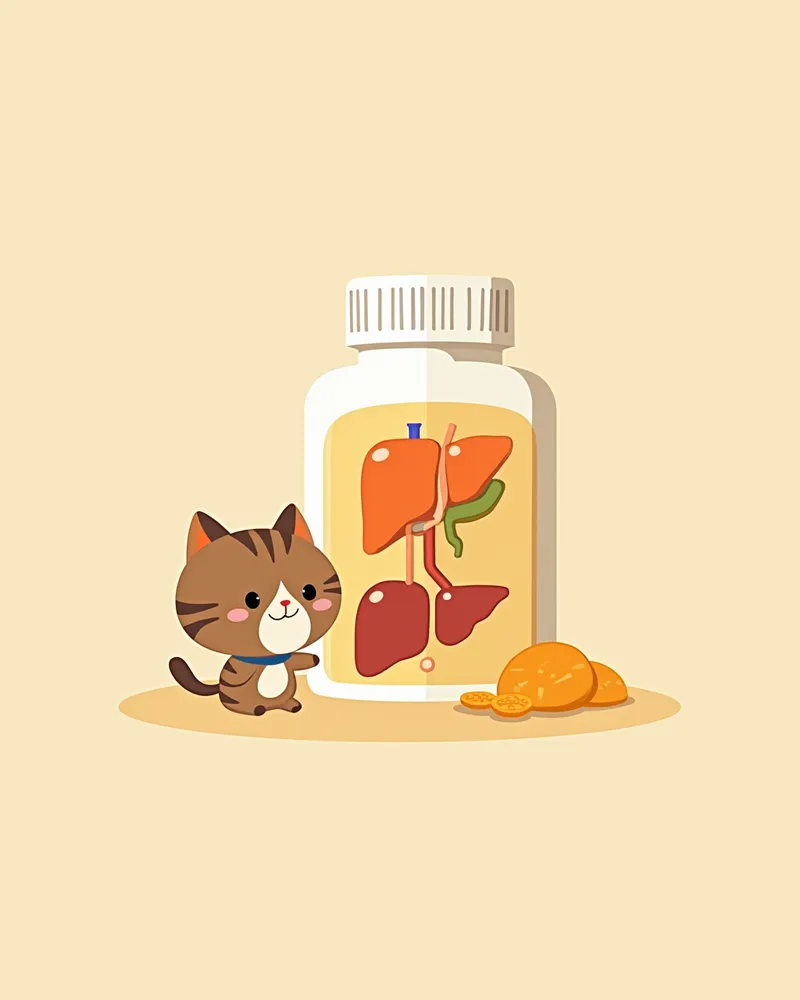
This product is a capsule-formulated supplement designed to support both gallbladder and liver health. While it claims to contain ingredients that promote bile production and are blended with amino acids, please note that these effects—such as stimulating bile production or regenerating liver cells—have not been scientifically proven in veterinary medicine. The capsules are small to make them easier for cats to swallow, but remember that actual treatment should always be guided by a veterinarian’s diagnosis and prescription.
Formulation Features: The small size makes it relatively easy for cats to swallow.
Liver and Gallbladder Support: Ingredients with evidence for supporting liver and gallbladder health include ursodeoxycholic acid and vitamin E, so check the ingredient list.
Reducing Rejection: The flavor has been adjusted to minimize rejection reactions.
Consult Your Veterinarian: It’s a good idea to consult your veterinarian about suitability before long-term use.
A cat looking at liver and gallbladder health capsules

Comparison Table of Products BEST 1–3

ItemBEST 1 PelletBEST 2 LiquidBEST 3 Capsule
Main Ingredients (Listed)Herbal extracts, amino acidsHerbal ingredients, claimed natural anti-inflammatoryAmino acids, claimed bile production
FormulationPelletLiquidCapsule
Ease of AdministrationTrueTrueTrue
Feeding Amount Adjusted by WeightTrueTrueTrue
Efficacy Veterinarily ProvenFalseFalseFalse

The listed ingredients are based on product-specific materials, and their efficacy and long-term safety have not been sufficiently proven veterinarily. Always decide the dosage and whether to administer in consultation with your veterinarian.

Precautions: Always Consult a Veterinarian Before Use

Since gallbladder health supplements are supportive aids, they may not be suitable for every cat depending on their individual condition. In particular, if your cat has liver dysfunction, certain ingredients could cause adverse effects, so it is essential to have a veterinarian diagnose your pet before starting any supplement. Be cautious with dosage, as overdosing can lead to digestive upset or diarrhea.

Usage Tips: Effective Management Methods
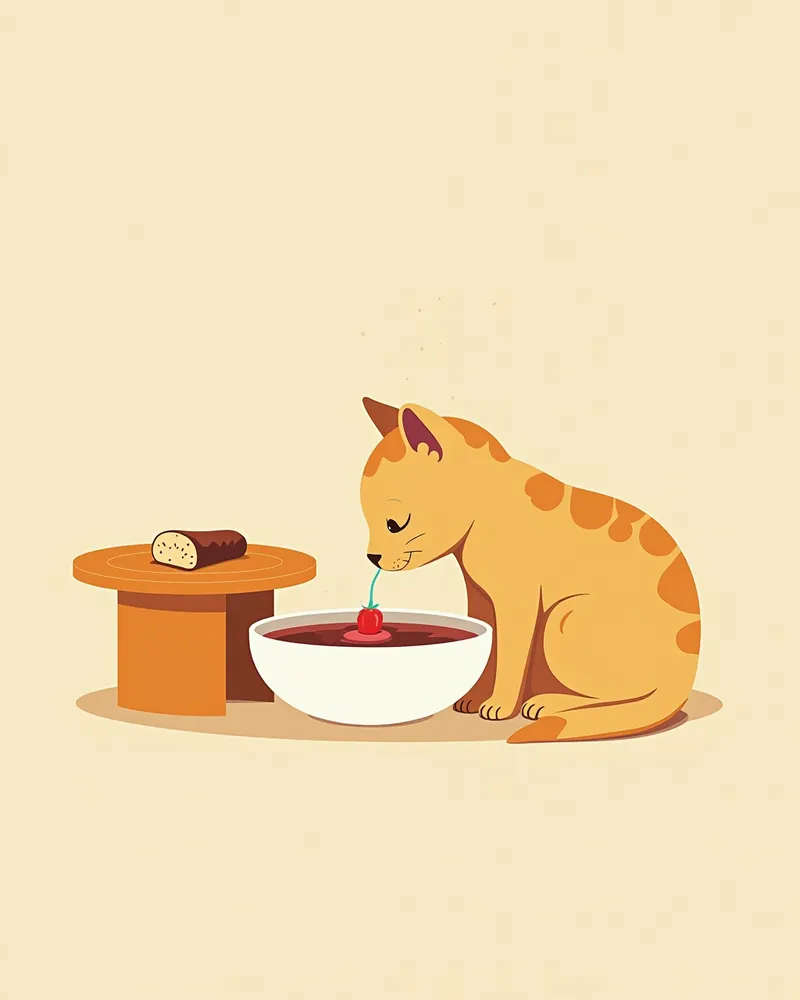
To support gallbladder health, it’s important to combine product use with proper daily care and regular veterinary check-ups rather than relying on products alone. In particular, cats are prone to developing hepatic lipidosis (fatty liver disease) if they lose their appetite and stop eating, so it’s crucial to monitor whether they’re eating adequately. - Consistent feeding: If you notice a decreased appetite or refusal to eat, consult your veterinarian immediately rather than waiting. - Balanced nutrition: Cats have high protein requirements, so avoid extreme dietary restrictions and discuss your cat’s diet with your veterinarian. - Hydration: Change the water frequently and place multiple water bowls around the home. - Regular check-ups: Have your cat’s liver and gallbladder checked regularly to detect any changes early.
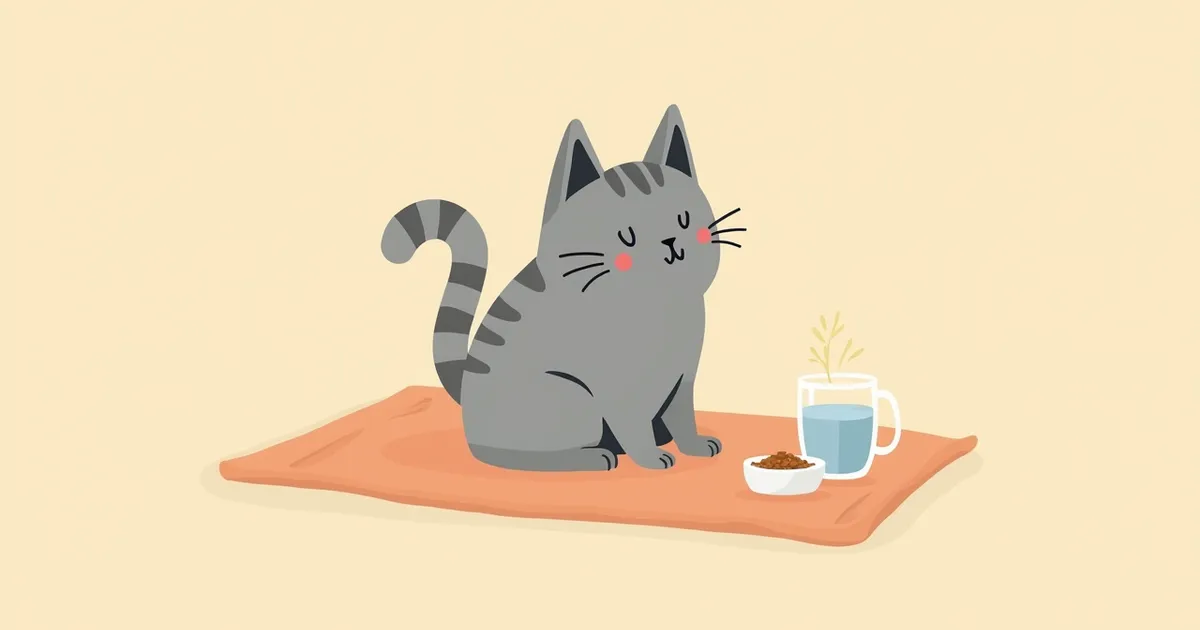
A cat drinking water and eating low-fat food.

Reviewed by a veterinarian

Dr. Tony — Punnawat Phongkittirak

Dr. Tony — Punnawat Phongkittirak

Veterinarian

A veterinarian who majored in veterinary medicine at Khon Kaen University, Thailand, and completed the IVSA program at North Carolina State University in the United States. Drawing on clinical experience at animal hospitals, he works in the pet healthcare field and is dedicated to building a digital care environment that connects pet parents with veterinarians.

Frequently Asked Questions

Can feline cholecystitis be cured?
The course of cholecystitis varies depending on its type. Neutrophilic cholecystitis generally has a good prognosis if detected early and treated appropriately, whereas lymphocytic cholecystitis, which follows a chronic course, requires long-term treatment and monitoring and may recur. Please manage your pet’s condition based on a veterinarian’s diagnosis rather than making your own assessment.
When should I start giving my pet a gallbladder health supplement?
Supplements cannot prevent disease or replace a veterinary diagnosis. If you suspect gallbladder or hepatobiliary issues, please consult your veterinarian first. It is safest to follow your vet’s guidance regarding whether and when to use supplements.
My pet developed diarrhea after taking the product. Is this normal?
Diarrhea may be a reaction to the product’s ingredients. While it can sometimes be temporary, if it persists, discontinue use and consult your veterinarian.
Can this be taken with other medications?
Because this medication can interact with other drugs, always inform your veterinarian and confirm whether it’s safe to use them together.
Will giving this product make gallbladder inflammation go away?
Supplements are not treatments that eliminate inflammation itself. In particular, neutrophilic cholecystitis may require veterinary treatment with antibiotics, so supplements should only be used to complement treatment and must always be used alongside veterinary care.

Share

Related Guides

References

[1] Greenhalgh SN, Reeve JA, Johnstone T, et al. Long-term survival and quality of life in cats with clinical signs associated with gallbladder disease. J Feline Med Surg. 2018;20(5):412–420.

[2] Sparkes AH, Caney S, Chalhoub S, et al. ISFM consensus guidelines on the diagnosis and management of feline chronic kidney disease. J Fel Med Surg. 2016;18(3):219–239.

[3] Littman MP. Protein-losing nephropathy in small animals. Vet Clin North Am Small Anim Pract. 2011;41(1):31–62.

This information is based on veterinary literature and does not replace diagnosis or treatment. Please consult a veterinarian for specific health concerns.

Metapet Co., Ltd. | CEO: Park Sung-yong | Business Reg. No. 417-88-02562 | Seoul, South Korea | Customer Center

Vet-Recommended: 7 Key Points for Managing Feline Cholecystitis | Meongsiljang