

Top Recommended Products and Selection Criteria for Managing Feline Bladder Polyps and Growths
Early detection is crucial for feline bladder polyps and growths, and selecting appropriate care products and treatments is key to maintaining your cat’s health. In this article, we’ve compiled effective management strategies and our top recommended products for your convenience.
Early Management is Key for Feline Bladder Polyps and Growths
Selection Criteria: Choose Based on Efficacy and Safety
BEST 1: Premium Bladder Care Capsules
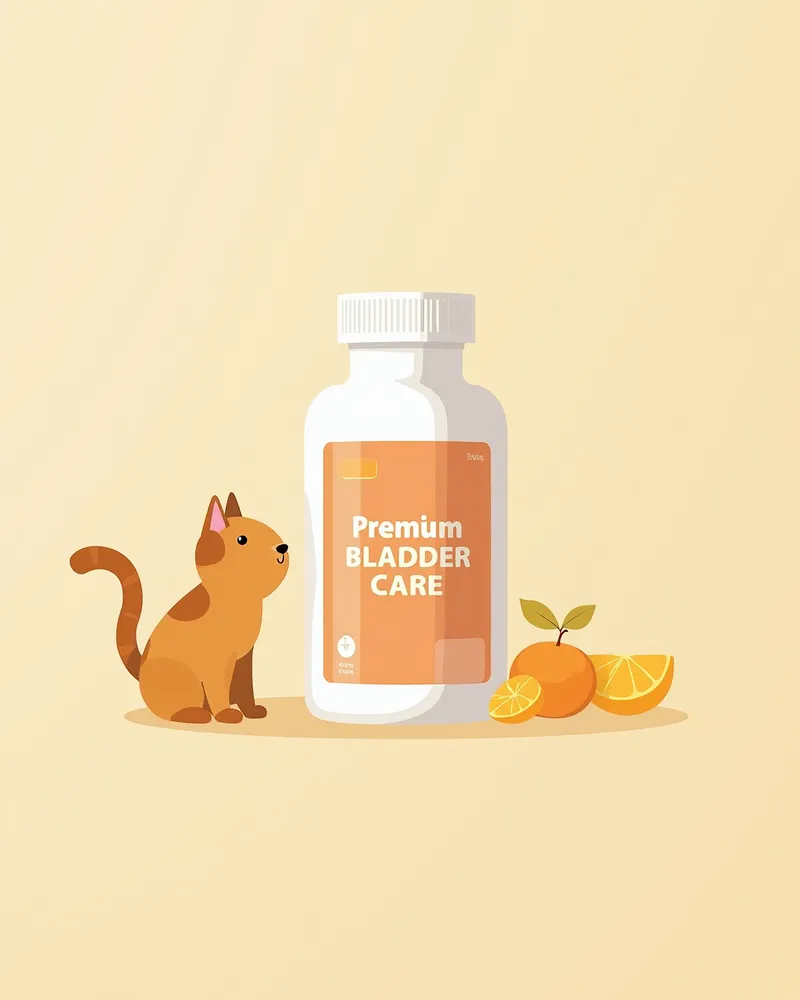
BEST 2: Natural Ingredient Bladder Herb Mix

BEST 3: Omega-3 Bladder Care Pellets

Comparison Table of BEST 1–3 Products
| Item | Premium Bladder Care Capsules | Natural-Ingredient Bladder Herb Mix | Omega-3 Bladder Care Pellets |
|---|---|---|---|
| Main ingredients | Blueberry extract, glucosamine, probiotics | Burdock root, chamomile, lemon balm, lemongrass | Omega-3 fatty acids, vitamin E, antioxidant ingredients |
| Form | Capsule | Liquid herb mix | Pellet |
| Frequency of use | 1 capsule per day | 1 teaspoon per day | 2 per day |
| Additional benefits | Benefit expected when combined with water intake | Natural-ingredient-based, may help relieve stress | Anti-inflammatory action of omega-3 and vitamin E expected |
| Value for money | High | Medium | High |
All products are safest when used under the recommendation of a veterinarian. However, supplements are supportive management tools, not treatments.
Caution: Immediate Veterinary Visit Required if Symptoms Worsen
If your cat urinates frequently or shows signs of pain while urinating, consult a veterinarian immediately. If the bladder polyp grows or becomes infected, surgery may be necessary. Never attempt home treatment.
Usage Tips: Consistent Management and Lifestyle Improvements are Important
Reviewed by a veterinarian

Dr. Tony — Punnawat Phongkittirak
VeterinarianA veterinarian who majored in veterinary medicine at Khon Kaen University, Thailand, and completed the IVSA program at North Carolina State University in the United States. Drawing on clinical experience at animal hospitals, he works in the pet healthcare field and is dedicated to building a digital care environment that connects pet parents with veterinarians.
Reviewed 2026-06-29
Frequently Asked Questions
Can a bladder polyp in a cat be cancerous?
Will giving supplements make the polyp disappear?
Which product is the most effective?
Can I give my pet supplements multiple times a day?
Can bladder polyps be prevented?
Share
Related Guides

Top 5 Prescription Diets for Feline FLUTD — Comparison by Struvite and Calcium Oxalate Stones

Top 7 Prescription Diets for Feline Bladder and Urinary Tract Health Recommended by Veterinarians — Including Selection Criteria

Top 5 Cranberry Urinary Supplements for Dogs — Preventing Cystitis

Best Recommendations and Selection Criteria for Monitoring Your Dog’s Respiratory Rate (RR) During Sleep for Heart Care

Top Recommended Nebulizer Therapy Management for Dogs and Selection Criteria

Top Recommendations and Selection Criteria for Canine Nasal Tumor Management

Top Recommended Products and Selection Criteria for Managing Canine Influenza in Dogs

Top Recommended Bronchodilators for Dogs and Key Selection Criteria

The Best BOAS Management Products for Brachycephalic Dogs and How to Choose Them

Top Recommended Products for Managing Feline Pulmonary Edema and Selection Criteria
References
[1] Terragni, R. et al. (2012). Stomach wall evaluation using helical hydro-computed tomography. Veterinary Radiology & Ultrasound, 53(4), 402–405.
[2] Withrow, S.J. & MacEwen, E.G. (2013). Perianal tumors. In Withrow & MacEwen’s Small Animal Oncology, 5th ed., pp. 423–431. Philadelphia: Saunders.
[3] Araújo, F.P.D. et al. (2009). Sacrococcygeal agenesis association and anal atresia in mixed breed cats. Ciencia Rural, 39(6), 1893–1897.