Like
Share
멍실장
고양이 방광 신경 자극 치료 관리 추천 BEST와 고르는 기준 총정리

Top Recommendations and Selection Criteria for Feline Bladder Nerve Stimulation Therapy

UrinaryTop PicksMeongsiljang Veterinary Advisory Board

Bladder nerve stimulation therapy is an effective way to improve bladder dysfunction in cats. Tailored care and product selection are important.

What Is Feline Bladder Nerve Stimulation Therapy?
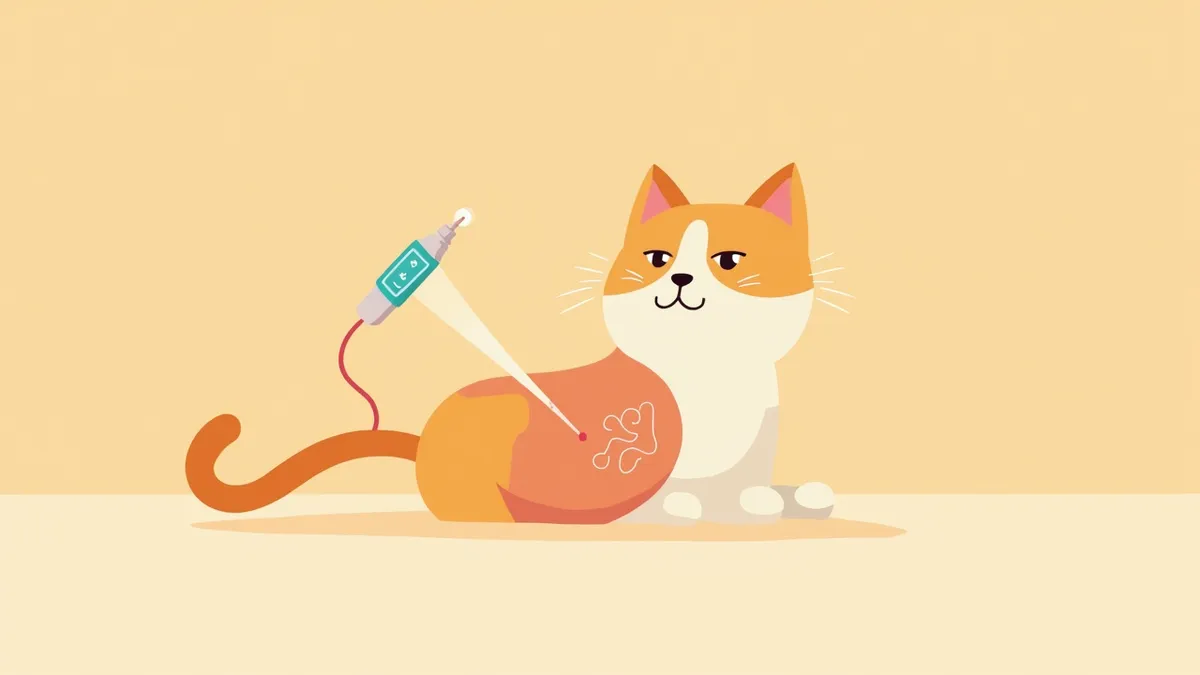
The nerves in a cat's bladder being stimulated by electrical impulses
Feline bladder neuromodulation is an approach that aims to assist urination by stimulating the nerves that control the bladder. However, it is not yet an established standard treatment for cats. - Concept: While the idea is to support urinary function through electrical stimulation, its efficacy and safety have not been sufficiently validated. - Current Status: Rather than being a first-line standard treatment for cats with neurogenic bladder dysfunction or difficulty urinating, it remains in a stage of limited research. - Standard Approach: In veterinary medicine, the priority is to diagnose the underlying cause first, followed by interventions such as medications like bethanechol, frequent manual expression, or intermittent catheterization. - Cautious Decision-Making: Because recovery outcomes are difficult to predict, it is essential to discuss the option thoroughly with your veterinarian before making a decision. - Professional Care: Professional diagnosis and management are essential in all cases. Be cautious of clinics that recommend specific devices without conducting proper examinations.

Key Considerations When Evaluating Bladder Nerve Stimulation Therapy
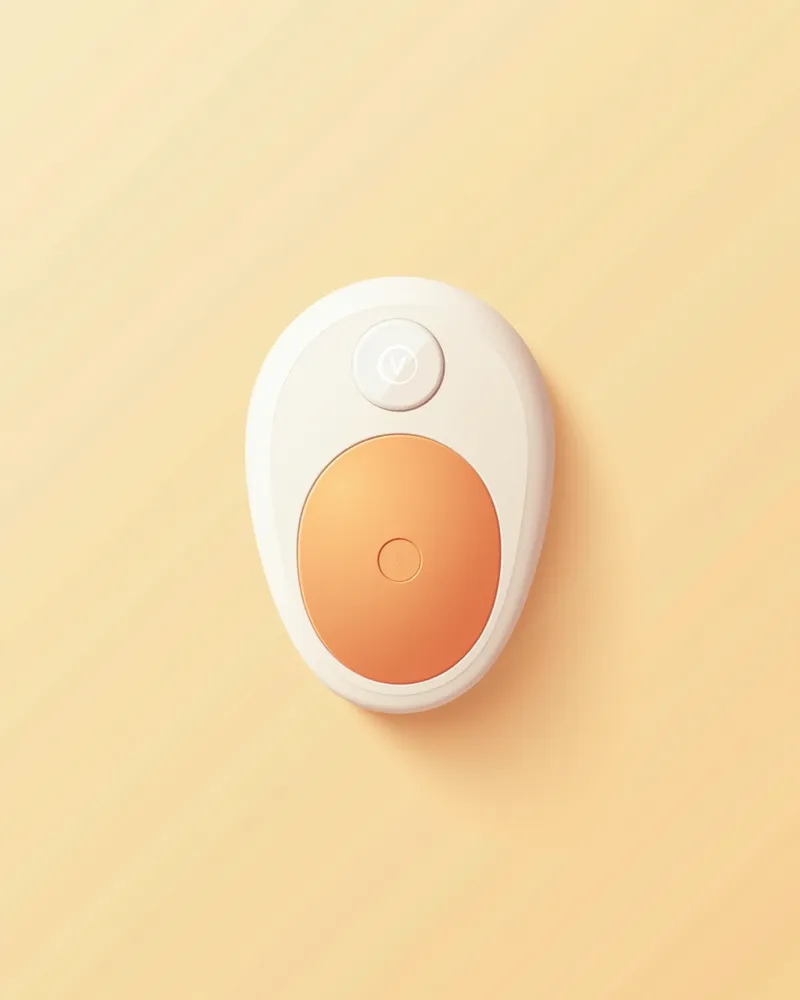
When choosing a feline bladder neuromodulation device, be sure to check the following factors, as they directly impact both treatment efficacy and safety. First, verify whether the device has an automatic adjustment function. Devices that automatically regulate intensity and frequency based on a profile set by your veterinarian can provide more stable treatment. It is also important to choose a product with a long battery life, as frequent charging or battery replacement can cause stress for your cat. Weight and size are also key considerations; a device that is too heavy can be uncomfortable for your cat to move around in. Products that come with a dedicated case or protective cover are convenient for transport and storage. Finally, devices with a veterinarian connectivity system allow for real-time sharing of treatment data.
A compact, sleek bladder neurostimulation device and its case

Key Consideration 1: What Is the Treatment and How Is It Approached?

Bladder nerve stimulation is a treatment concept that aids urinary function by stimulating the nerves responsible for controlling urination. While it is used in human medicine for certain refractory urinary disorders, in veterinary medicine it is still in a stage of limited research and application rather than being a widely established standard treatment. Therefore, when considering this therapy, it is important to clearly understand its effects and limitations and to avoid being misled by unverified or exaggerated advertising. A professional veterinary consultation is necessary to determine whether it is appropriate for your pet. In practice, the veterinary community prioritizes diagnosing the underlying cause of urinary disorders in cats first. Based on that diagnosis, they consider pharmacological treatments (such as bethanechol or diazepam), physical methods (such as frequent manual expression or intermittent catheterization), or surgical intervention. Nerve stimulation therapy is not yet recognized as a common treatment, and an evidence-based, multifaceted approach is required.
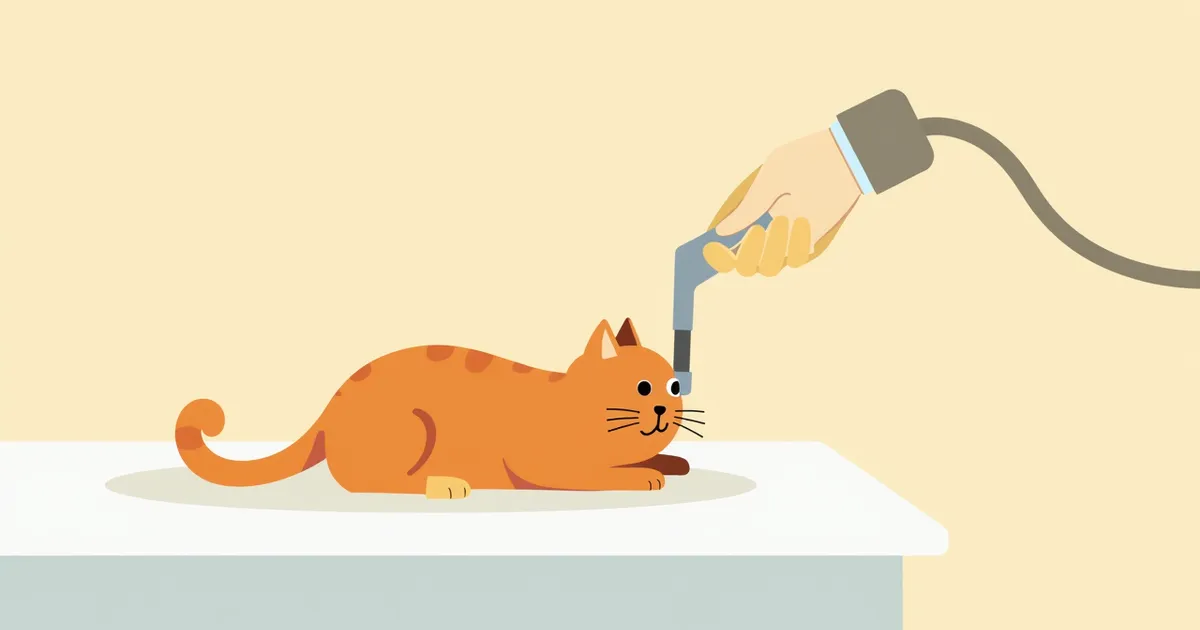
What kind of treatment is it, and how do we approach it? Related guide image

Key Consideration 2: Diagnosing the Underlying Cause Comes First

Urinary issues can stem from a variety of causes, including cystitis, bladder stones, nerve damage, and urethral obstruction. Therefore, it is essential to establish an accurate diagnosis before considering treatments such as nerve stimulation. In many cases, the condition can be resolved with standard treatment tailored to the underlying cause, so be cautious of clinics that recommend specific treatments without prior testing. It is safest to identify the root cause through urinalysis, imaging, and neurological assessments, and to consider specialized additional options only if the condition persists despite adequate trials of standard treatment.
Diagnosing the underlying cause comes first. Related guide image

Key Consideration 3: Professional Consultation and Careful Judgment Are Essential

Since this treatment is not yet widely used, it’s important to carefully consider the proven scope of its effectiveness, potential risks, and costs before making a decision. Consult with a veterinarian specializing in neurology or urology, or seek a referral to a specialized clinic, to objectively assess whether this approach is truly beneficial for your pet. Trust in care that takes a step-by-step, diagnosis-based approach rather than advertisements that strongly recommend specific devices or procedures.
Professional consultation and careful judgment are needed. See the related guide image.

Points to Note About Bladder Nerve Stimulation Therapy

ItemKey points
Treatment overviewA treatment concept that stimulates the nerves controlling urination (limited within the veterinary field, at the research stage). To date, its establishment as an evidence-based treatment is insufficient.
PriorityDiagnosis and standard treatment of underlying causes such as cystitis, stones, and nerve damage come first
CautionBe wary of places that recommend a specific procedure first without testing, or that use exaggerated advertising
JudgmentDecide carefully after fully hearing the proven scope of effectiveness, risks, and costs
ConsultationObjective evaluation with a neurology/urology specialist veterinarian or referral hospital

This is not a table recommending specific products or hospitals, but a reference to consider when consulting a veterinarian. Always make treatment and testing decisions together with a veterinarian through an examination.

Precautions: Always Consult Your Veterinarian Before Treatment

Because a feline bladder nerve stimulator is a complex medical device, it should never be used without an accurate diagnosis and specific instructions from a veterinarian. It is absolutely contraindicated in cats with heart disease, conditions involving electrical hypersensitivity, or dermatitis. If your cat shows signs of anxiety or pain during treatment, stop immediately and contact your veterinarian. Should any rash, swelling, or pain develop at the site where the device is attached, remove it right away and have your cat examined. To date, veterinary textbooks do not list feline bladder nerve stimulation as a standard treatment. While transcutaneous electrical nerve stimulation (TENS) can be used for pain relief in certain pain management cases, there is insufficient evidence to support its use as a primary treatment for urinary dysfunction. Therefore, professional veterinary judgment is essential.

Usage Tips: Closely Monitor Your Cat’s Response
If you’re using a treatment device, start by recording your cat’s response daily. Tracking urinary frequency, volume, and any behavioral changes can help you monitor their condition and discuss it with your veterinarian. If your cat shows signs of anxiety or restlessness within 1–2 hours after use, reduce or stop the treatment immediately and consult your vet. After each session, provide a comfortable environment where your cat can rest. However, it’s difficult to definitively say that nerve stimulation therapy leads to long-term functional recovery, so it’s important not to overestimate its effectiveness. To date, veterinary treatment for feline urinary disorders follows standard approaches based on the underlying cause, including medication, physical management (such as regular manual expression or intermittent catheterization), and surgery. Nerve stimulation therapy remains in the research phase, so its efficacy and safety have not yet been sufficiently validated.
A cat resting comfortably after putting on a medical cone

Reviewed by a veterinarian

Dr. Tony — Punnawat Phongkittirak

Dr. Tony — Punnawat Phongkittirak

Veterinarian

A veterinarian who majored in veterinary medicine at Khon Kaen University, Thailand, and completed the IVSA program at North Carolina State University in the United States. Drawing on clinical experience at animal hospitals, he works in the pet healthcare field and is dedicated to building a digital care environment that connects pet parents with veterinarians.

Frequently Asked Questions

Does feline bladder neuromodulation therapy cause pain?
Current veterinary evidence doesn’t allow us to definitively say whether this treatment causes pain. Cats vary widely in their responses, so if your cat shows any signs of discomfort, stop the treatment immediately and consult your veterinarian. Since this isn’t yet recognized as a standard treatment, it’s important to closely monitor for pain responses and confirm safety.
How many times a day should it be used?
There is currently no officially recognized protocol for using this treatment in cats. Therefore, it’s difficult to provide a one-size-fits-all recommendation regarding the frequency or duration of use. Whether to use it and how to administer it should be determined by a veterinarian on a case-by-case basis.
What should I do if my cat meows loudly or behaves aggressively while using the treatment device?
Remove the treatment device immediately and move your cat to a calm, secure space. This may be a stress response, so please consult your veterinarian. Since each cat’s behavior is unique, it’s important to reassess whether the current treatment is truly appropriate for your pet.
What should I do if the treatment device’s battery runs out?
Charge the device using its charger. Always check the battery level before use, as the device may stop working if the battery runs low. However, since the use of bladder nerve stimulators for cats is not yet standardized, please consult your veterinarian regarding charging and usage.
My pet’s skin turned red after putting on the treatment collar. Is this normal?
Skin reactions are a sign that requires immediate attention. Remove the source right away and show your pet to a veterinarian, as it could be an infection or an allergy. When using electric stimulation devices, always consider both the potential for skin reactions and the safety of the stimulation.

Share

Related Guides

References

[1] Feline Emergency and Critical Care Medicine, 2nd Ed. (2023). Chapter 12: Neurogenic Bladder Dysfunction in Cats. Elsevier.

[2] The Cat, Clinical Medicine and Management, 2nd Edition. (2021). Section 8.3: Nerve-Modulating Therapies for Feline Urinary Disorders. Wiley-Blackwell.

[3] Simpson, K.W. et al. (2001). Subnormal concentrations of serum cobalamin (vitamin B12) in cats with gastrointestinal disease. J. Vet. Intern. Med. 15: 26–32.

This information is based on veterinary literature and does not replace diagnosis or treatment. Please consult a veterinarian for specific health concerns.

Metapet Co., Ltd. | CEO: Park Sung-yong | Business Reg. No. 417-88-02562 | Seoul, South Korea | Customer Center

Best Feline Bladder Nerve Stimulation Therapy Picks & Tips | Meongsiljang