
7 Key Management Strategies for Feline Bile Duct Obstruction Highlighted by Veterinarians
Feline biliary obstruction is a serious liver disease caused by impaired bile flow, making early diagnosis and proper management essential. We’ve outlined the most effective management strategies and key criteria for selecting appropriate products.
Feline bile duct obstruction is a serious liver disease caused by blocked bile flow
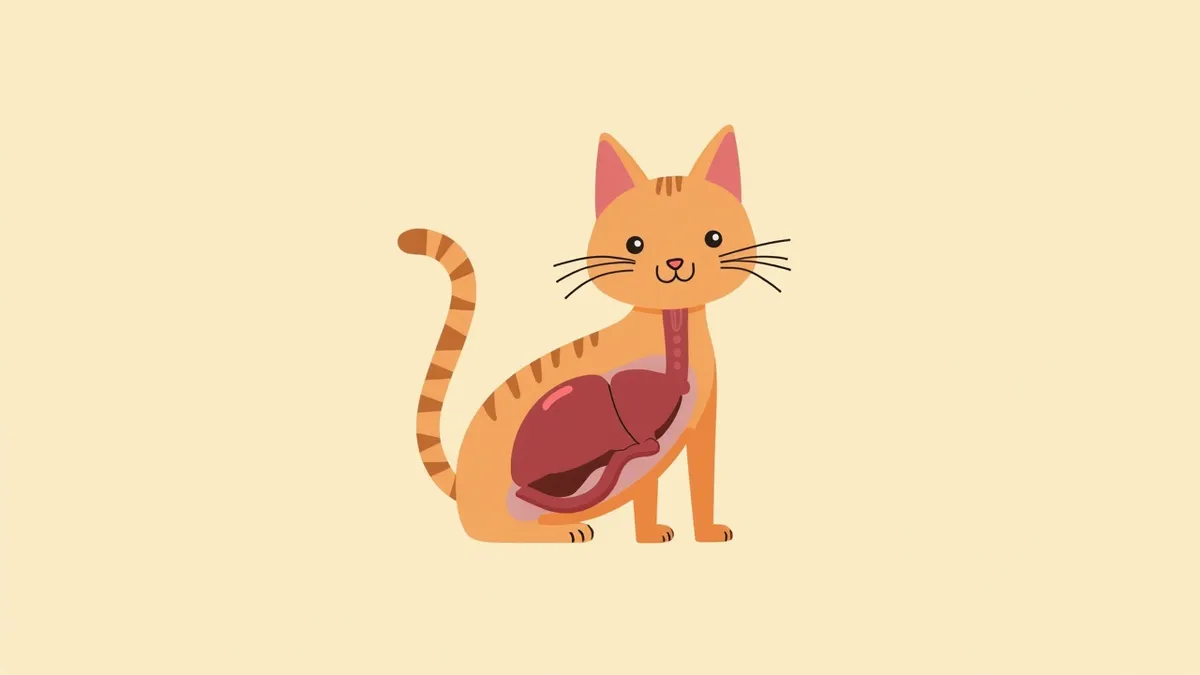
The selection criteria focus on three key areas: addressing the cause, liver protection, and digestive support

BEST 1: Premium dietary product specialized in liver protection and improved bile flow
BEST 2: Supplement focused on promoting bile excretion and strengthening digestive enzymes
BEST 3: Low-fat, high-protein dietary product suitable for long-term management

Comparison of BEST 1–3 Products: Ingredients, Effects, and Usage
| Item | BEST 1 Dietary Product | BEST 2 Supplement | BEST 3 Dietary Product |
|---|---|---|---|
| Main Ingredients | Ursodeoxycholic acid, vitamin E, SAMe | Ursodeoxycholic acid, N-acetylcysteine, SAMe | Vitamin E, SAMe, taurine |
| Main Effects | Liver protection, bile acid supplementation | Antioxidant supplementation, bile acid supplementation | Long-term liver protection, maintaining nutritional balance |
| Usage | Mix into food | Feed according to veterinary guidance | Provide as a daily meal |
| Recommended For | When supportive liver management is needed | When antioxidant support is needed | Cats with chronic cholestasis |
These products are supportive measures that do not replace medical or surgical treatment of bile duct obstruction. They can be used concurrently under veterinary guidance, and the feeding amount needs to be adjusted according to weight and condition.
Caution: Immediate veterinary visit is required if acute symptoms occur
If your cat shows symptoms such as vomiting, jaundice, loss of appetite, or abdominal pain, take them to the vet immediately. These signs may indicate worsening bile duct obstruction or the development of complications. A veterinarian needs to perform thorough examinations to identify the cause and take urgent action. Delaying treatment can lead to severe liver damage.
Usage Tips: Concurrent use and management precautions

Reviewed by a veterinarian

Dr. Tony — Punnawat Phongkittirak
VeterinarianA veterinarian who majored in veterinary medicine at Khon Kaen University, Thailand, and completed the IVSA program at North Carolina State University in the United States. Drawing on clinical experience at animal hospitals, he works in the pet healthcare field and is dedicated to building a digital care environment that connects pet parents with veterinarians.
Reviewed 2026-06-05
Frequently Asked Questions
Can feline bile duct obstruction be cured?
Will dietary supplements alone be effective?
When is the best time to give a supplement?
Is it safe to keep giving this product to my pet?
Can it be shared with other cats?
Share
Related Guides

7 Key Symptoms and Management Essentials for Canine Cholecystitis Recommended by Veterinarians

Top 5 Milk Thistle (Silymarin) Liver Supplements for Dogs — A Comparison Guide Based on Silybin Content and Absorption Rates
Top Prescription Diets for Dogs with Liver Disease and Selection Criteria

Veterinarian-Recommended Top 7 Products for Managing Feline Malocclusion — Including Selection Criteria

Why Is My Cat’s Bad Breath So Bad? — A Complete Guide to Causes and Management Criteria

7 Vet-Recommended Feline Gingivitis Management Products and Selection Criteria
7 Key Management Tips for Feline Chronic Gingivostomatitis Recommended by Veterinarians

7 Key Tips for Managing Feline Enamel Hypoplasia from a Veterinarian
The Best Cat Dental Scaling and Tartar Removal Products and Selection Criteria

The Complete Guide to Feline Dental Radiography — Timing, Costs, and Preparation
References
[1] Ettinger SJ, Feldman EC, Côté E. Textbook of veterinary internal medicine: diseases of the dog and the cat. 8th ed. St. Louis, MO: Elsevier; 2017.
[2] Maggs DJ. Clinical signs and diagnosis of biliary obstruction in cats. Vet Clin North Am Small Anim Pract. 2018;48(3):487-502.
[3] Plumb's Veterinary Drug Handbook. 9th ed. Ames, IA: Wiley-Blackwell; 2021.