Like
Share
멍실장
고양이 턱 여드름 클렌저 추천 TOP 5 — 모낭염 예방

Top 5 Cat Chin Acne Cleansers Recommended by Veterinarians — Folliculitis Prevention and Hygiene Management

Skin & CoatTop PicksMeongsiljang Veterinary Advisory Board

If your cat keeps getting blackhead-like bumps on their chin, it’s important to manage them before they develop into folliculitis. Based on veterinary dermatology guidelines, we’ve compared five safe cleansers.

What Is Feline Chin Acne? Why Is a Cleanser Necessary?

A cat with small, black, pimple-like bumps under its chin
Feline chin acne is a skin condition in which keratin and sebum accumulate in the hair follicles of the chin, forming black, grain-like comedones. However, one study reported that more than half (58%) of cats with chin acne had non-inflammatory comedones and did not require specific treatment. Therefore, when only black spots are visible, gentle cleansing to softly maintain the area around the hair follicles is often sufficient. But if the area becomes red or progresses to an inflammatory stage with papules or pustules, do not rely solely on home cleansing; it is safer to consult a veterinarian for bacterial culture and cytology to determine the appropriate treatment plan. Today, I will compare five types of cleansers suitable for each stage.

Why Does It Keep Appearing Only on My Cat’s Chin?

The chin area is rich in sebaceous glands and is often missed during grooming. Feline chin acne is a clinical diagnosis that can affect cats of any age, sex, or breed, with black comedones being the most characteristic sign. Common triggers for inflammation include pruritus (itching), irritation from rubbing painful areas, and primary conditions such as abnormal keratinization. Standard veterinary dermatology textbooks describe recurrent comedones on the chin as the typical presentation, noting that symptoms generally improve once underlying triggers are removed. Therefore, cleansing should be viewed not as a standalone cure, but as part of a consistent management routine alongside addressing the root causes.

Four Key Criteria to Check When Choosing a Cleanser
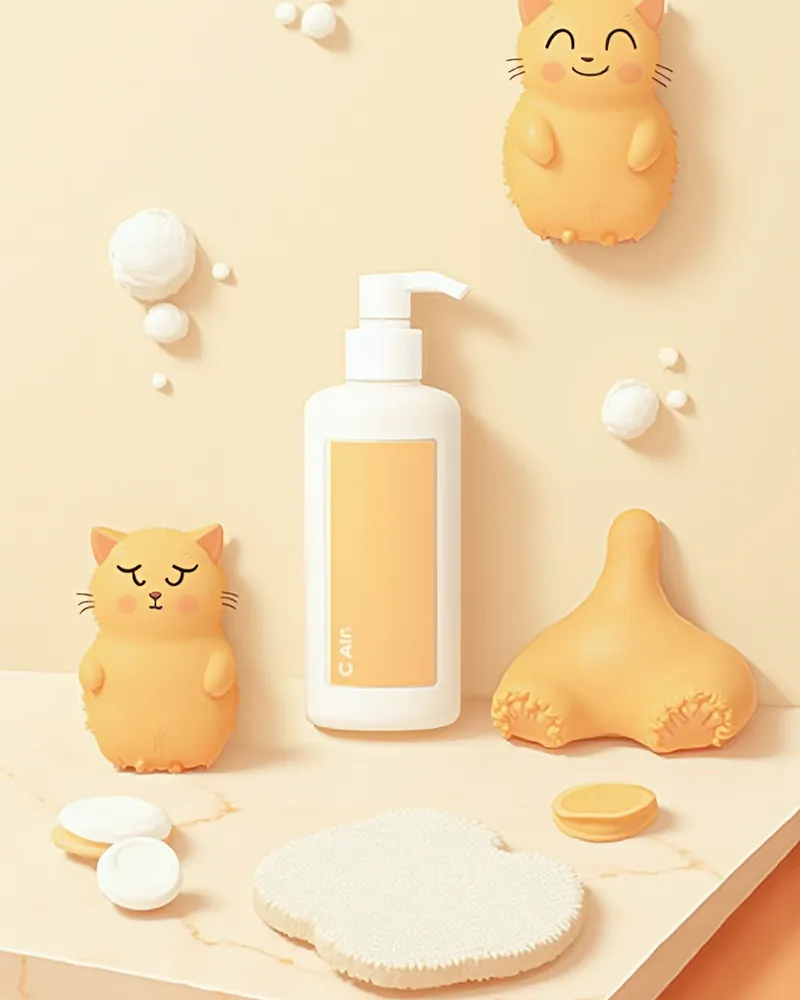
Choosing a product based solely on its label can easily lead to skin irritation. Please check the following four key factors: - Active ingredients: Chlorhexidine 2–4%, salicylic acid, lactoferrin, benzoyl peroxide (use with caution in cats at 2–3%) - Fragrance-free and alcohol-free: Formulated to be safe if licked during grooming - pH level: Slightly acidic (6.0–7.0), which is gentle on feline skin - Formulation: Pads, foam, or lotion — for less cooperative pets, pads are the most practical choice
A neatly arranged set of cat cleansing pads, foam, and cotton pads

At-a-Glance Comparison of the Top 5 Cat Chin Acne Cleansers

Item1. Douxo S3 Calming Foam2. Malacetic Wet Wipes3. TrizChlor 4 Pads4. Vetericyn Plus Spray5. Dermoscent PYOclean Foam
Main ingredientsOphytrium (lilac-ivy stem)Chlorhexidine 2% + KetoconazoleChlorhexidine 4%Hypochlorous acid (HOCl)Chlorhexidine + Climbazole
Use stageEarly·PreventionEarly–MidMid–suspected folliculitisSensitive·With woundsFrequently recurrent chronic
FormulationFoam (no rinse needed)Pads/WipesPadsSprayFoam
Feline safetysafesafesafesafe (low irritation)safe
Recommended frequency2–3×/week3–4×/week2–3×/week1–2×/day as needed2×/week

Concentrations and labeling are based on manufacturer labels; actual prescription is decided after veterinary examination.

No. 1 — The Soo S3 Calming Foam: Daily Care for the Comedone Stage
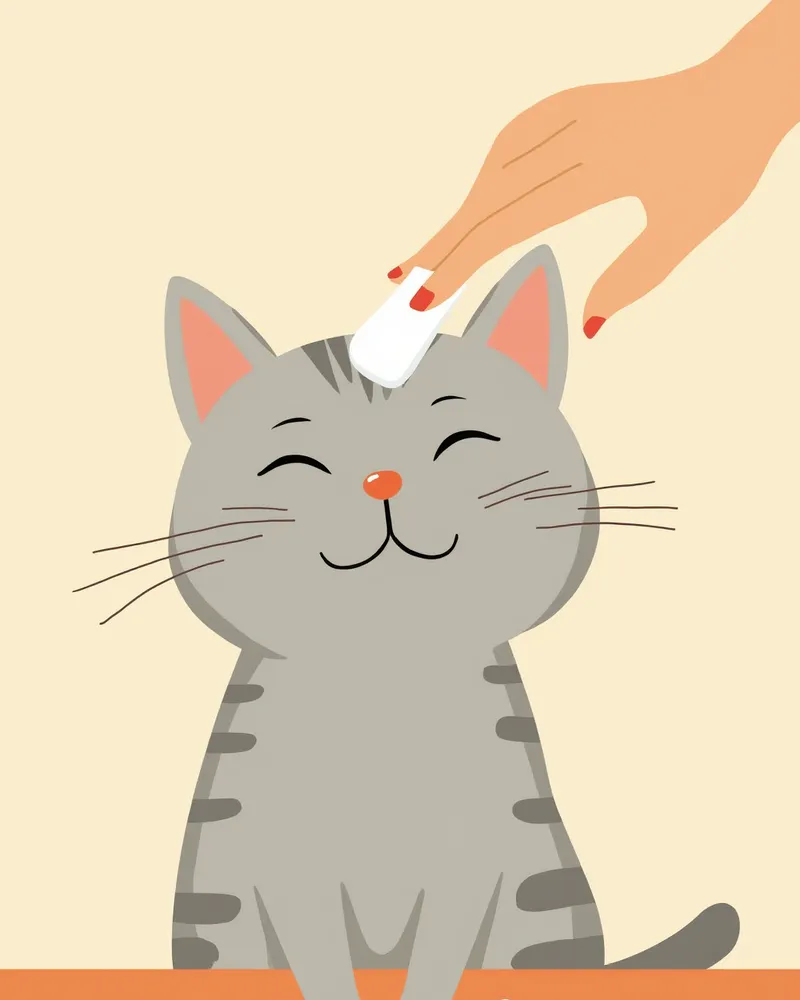
This formula is ideal for the early stage when only tiny blackheads are visible. Instead of antibiotics, it uses plant extracts (Ophytrium) to gently loosen excess sebum and dead skin cells. Its no-rinse foam format makes it safe for grooming sessions. The main advantage is its minimal irritation, while the drawback is that it may not be sufficient if folliculitis has already progressed. For comedones alone, apply twice to three times a week, massage for five minutes, and then wipe off with dry gauze.
A scene showing a caregiver gently wiping a cat’s chin with a foam cleanser.

No. 2 — Malasetic Wet Wipes: The Standard for the Pre-Pustular Stage

This formula combines 2% chlorhexidine with the antifungal agent ketoconazole, making it ideal for the intermediate stage of skin issues characterized by small pustules and redness. A single wipe is sufficient to clean the entire chin area, allowing you to finish the process in under 30 seconds, even with cats that are less cooperative. According to the BSAVA Manual of Canine and Feline Dermatology, 2% chlorhexidine is a topical antiseptic used for superficial pyoderma, and evidence suggests that its antibacterial efficacy is enhanced when used in combination with 2% miconazole. However, since topical chlorhexidine can rarely cause irritation or contact dermatitis, applying it more than once a day is excessive. Applying it 3 to 4 times a week is appropriate.

Nos. 3, 4, and 5 — Supplementary Lineup for Specific Situations

The third-ranked product, Trizclo 4 Pads, contains a high concentration of 4% chlorhexidine and is ideal for short-term, intensive care (up to two weeks) when folliculitis is suspected. The fourth-ranked product, Vetericyn Plus Spray, is based on hypochlorous acid, allowing it to be sprayed directly on weeping wounds or open injuries. It is safe because it does not suppress the immune system like steroids. The fifth-ranked product, Dermosent PYOclean Foam, serves as a maintenance prescription suitable for long-term use in chronic cases with frequent recurrences. Since all three are classified as quasi-drugs, we recommend consulting your veterinarian before first use.

Cleansers and Habits to Avoid

Avoid human foaming cleansers, alcohol-containing cotton pads, and scented wet wipes. Products formulated for humans can irritate a cat’s chin—the area they frequently lick—and trigger contact dermatitis. Additionally, high-concentration benzoyl peroxide products can cause irritant contact dermatitis in cats; the BSAVA textbook explicitly advises against using concentrations above 2–3% in felines. Since benzoyl peroxide is highly drying, it’s best to follow up with moisturizing care. Lastly, never squeeze pimples with cotton swabs, as this can rupture hair follicles and lead to severe deep folliculitis, such as furuncles or pustules.

Proper Cleansing Routine — 5 Steps

1. Warm a washcloth with warm water and apply it to the chin for 30 seconds to open the pores. 2. Apply cleanser to a pad or foam and massage gently in the direction of hair growth for 1–2 minutes. 3. Wipe away any residue with gauze moistened with lukewarm water. 4. Pat completely dry with a clean, dry gauze pad. 5. Switch to glass or stainless steel bowls and wash them daily. Simply changing the bowls can noticeably reduce recurrence. Bacteria tend to accumulate in the microscopic scratches on plastic surfaces.
Illustration of the 5-step process for cleaning a cat's chin

When to Visit the Vet Instead of Using a Cleanser

If you notice any of the following signs, it’s time to move beyond cleansing and start prescription medication: ① Swelling in the jaw that causes pain when touched, ② Yellow pus or bloody discharge, ③ Worsening symptoms despite 1–2 weeks of cleansing, or ④ Fever or loss of appetite. In these cases, bacterial culture and cytology are necessary, and systemic antibiotics or antifungal medication should be prescribed as a priority.

Reviewed by a veterinarian

Dr. Tony — Punnawat Phongkittirak

Dr. Tony — Punnawat Phongkittirak

Veterinarian

A veterinarian who majored in veterinary medicine at Khon Kaen University, Thailand, and completed the IVSA program at North Carolina State University in the United States. Drawing on clinical experience at animal hospitals, he works in the pet healthcare field and is dedicated to building a digital care environment that connects pet parents with veterinarians.

Frequently Asked Questions

Can I use a cat chin acne cleanser every day?
Generally, applying it two to four times a week is appropriate. Daily use can weaken the skin barrier and actually lead to more frequent recurrences. However, hypochlorous acid spray is less irritating, so it can be applied to the affected area once or twice daily for a short period.
Can I use human acne pads (salicylic acid)?
We don't recommend it. Human products contain alcohol and fragrances, and the salicylic acid concentration can be too harsh for cats. Even a small amount of salicylic acid can cause gastrointestinal irritation if ingested.
How long will it take for all the black spots to disappear?
In the early comedonal stage, removing the triggering factors and maintaining consistent care typically leads to noticeable improvement within 2–4 weeks. However, please keep in mind that since the sebaceous glands themselves do not disappear, ongoing management is essential.
Can young kittens also get chin acne?
Yes, feline chin acne can affect cats of any age, sex, or breed, so it can occur in young cats as well. There is no clear evidence that it is more common in a specific age group, so for young cats, start with a mild, plant-based foam (the top-ranked product line) that causes minimal irritation, and consult your veterinarian if you notice any inflammation.
Can a cleanser alone cure the condition?
While early-stage comedones can sometimes be managed at home, folliculitis and pustular stages are difficult to treat without professional care. To prevent recurrence, it’s important to address multiple factors simultaneously, including switching to a different food bowl, conducting allergy testing, and reviewing your pet’s diet. If there’s no improvement after two weeks of home care, it’s safest to visit the clinic.

Share

Related Guides

References

[1] Jackson HA, Marsella R (eds). BSAVA Manual of Canine and Feline Dermatology, 4th Edition. Chapter 21: An approach to superficial and deep pyoderma

[2] Little SE. The Cat: Clinical Medicine and Management, 2nd Edition. Saunders, 2020. Feline dermatology section

[3] Morris DO et al., Screening of Staphylococcus aureus, Staphylococcus intermedius, and Staphylococcus schleiferi isolates obtained from small companion animals, 2006

This information is based on veterinary literature and does not replace diagnosis or treatment. Please consult a veterinarian for specific health concerns.

Metapet Co., Ltd. | CEO: Park Sung-yong | Business Reg. No. 417-88-02562 | Seoul, South Korea | Customer Center

Top 5 Vet-Recommended Cat Chin Acne Cleansers for Folliculitis | Meongsiljang