Like
Share
멍실장
고양이 비만과 인슐린 저항성 관리 추천 BEST와 고르는 기준 총정리

Veterinarian’s Top 7 Picks for Managing Feline Obesity and Insulin Resistance — Key to Weight Loss

EndocrineTop PicksMeongsiljang Veterinary Advisory Board

Feline obesity can lead to insulin resistance, making proper dietary management essential.

Feline Obesity and Insulin Resistance Are Serious Endocrine Issues
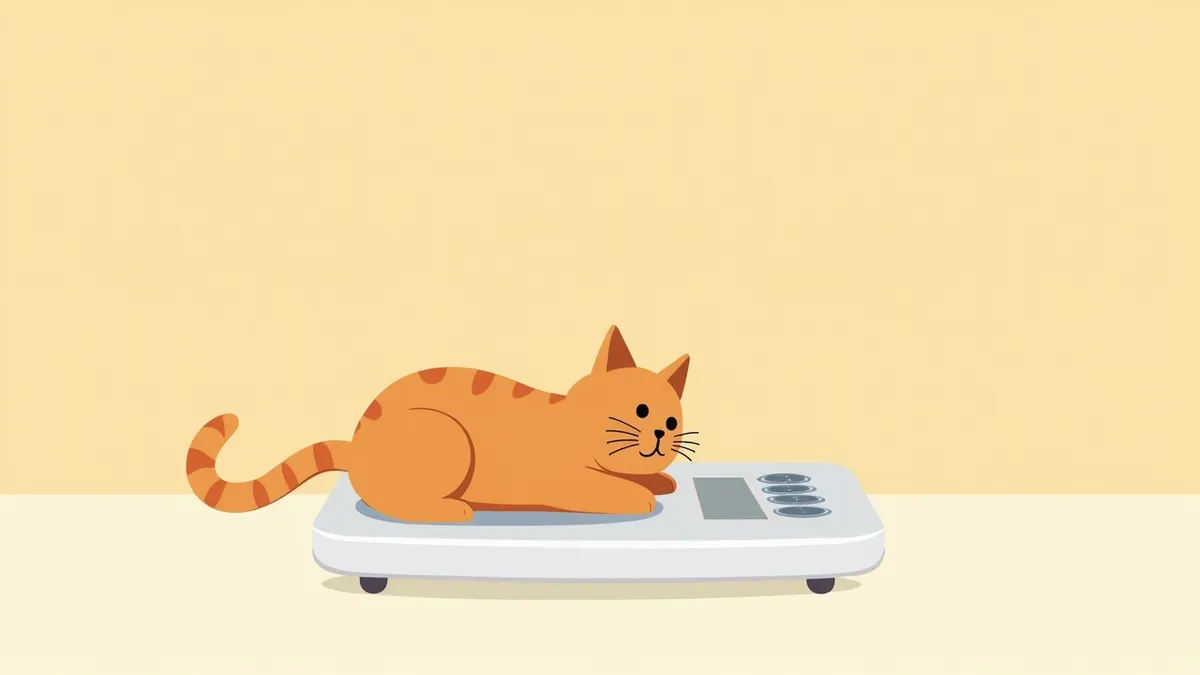
A veterinarian assessing a cat’s weight and body condition.
Feline obesity is a metabolic disorder characterized by excessive fat accumulation, which reduces insulin sensitivity. If this condition persists, insulin resistance can worsen and potentially lead to diabetes. Research indicates that the state of obesity itself, rather than the carbohydrate content of the diet, is the primary driver of severe insulin resistance. Therefore, weight management to achieve and maintain an ideal body weight is the cornerstone of care. It is essential to work with your veterinarian to develop a personalized dietary and weight management plan. The goal is to transition to a high-protein, low-carbohydrate diet to promote weight loss, improve insulin sensitivity, and stabilize blood glucose levels.

Selection Criteria: Key Elements of Diets for Managing Obesity and Insulin Resistance
- High protein content: Protein is essential for energy and muscle maintenance in cats. According to standard guidelines, a high-protein formulation with 30–55% protein on a dry matter basis (DMB) is appropriate. - Low-carbohydrate design: Carbohydrates should be kept below 20% on a dry matter basis, with simple sugars and starches ideally limited to less than 5% of daily caloric intake. - Omega-3 fatty acids: Fish oil rich in EPA and DHA helps reduce inflammation. - Balanced fiber: Fiber can aid in diabetes management and should be balanced at approximately 5% on a dry matter basis. - Appropriate fat levels: Fat content should range from 12–25% on a dry matter basis. Excessive high-fat diets should be avoided as they increase the risk of weight gain and insulin resistance. - Veterinarian-recommended ingredient combinations: Choose formulas based on clinically proven ingredient combinations.
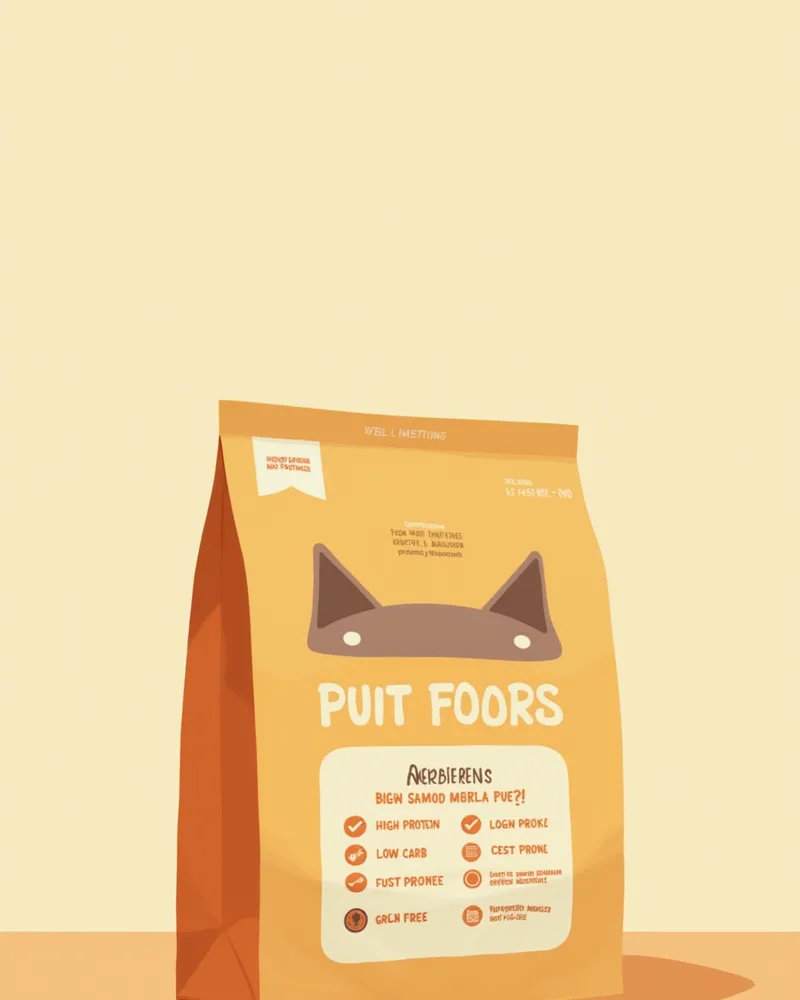
Ingredient list for a low-carbohydrate, high-protein pet food

BEST 1: Premium High-Protein, Low-Carbohydrate Food

This food is formulated with a high-protein, low-carbohydrate profile to meet cats’ physiological needs. Chicken and fish are the main ingredients, enhancing protein quality, while carbohydrate content is kept very low at 3% or less. It contains fiber and omega-3 fatty acids such as EPA and DHA, which support digestive health and help reduce inflammation. Manufactured to meet veterinary-recommended high-protein, low-carbohydrate standards, it can be used for stable metabolic management. It also helps maintain your cat’s appetite, making dietary transitions easier. Additionally, its grain-free formula makes it a suitable option for cats with grain sensitivities.
What high-protein, low-carbohydrate pet food actually looks like

BEST 2: Dry Cat Food (Fish-Based)

Fish-based dry cat food closely aligns with cats’ natural dietary instincts. With a high protein content of over 45% and carbohydrates under 4%, it is well-suited for managing insulin resistance. It is also rich in omega-3 fatty acids such as EPA and DHA, which help regulate inflammation. Cats generally accept this food readily, minimizing rejection during diet transitions. Its low moisture content makes storage convenient, and the balanced ingredient profile remains stable even with long-term use. This product is one of the low-carbohydrate options recommended by veterinarians.
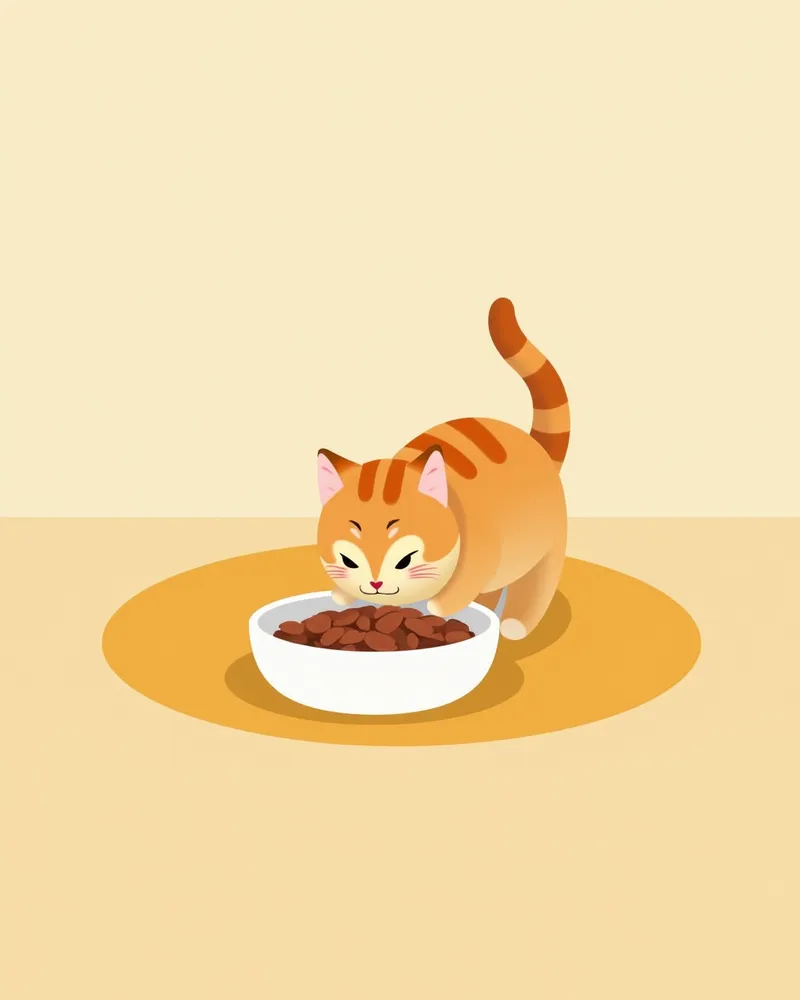
A cat eating fish-based dry food

BEST 3: Wet Food (Low-Carbohydrate, High-Protein)

Wet food has a high moisture content, which helps increase overall water intake, and its low carbohydrate content makes it effective for managing insulin resistance. The main ingredients are chicken and rabbit, with protein levels exceeding 50% to support muscle maintenance. Carbohydrates are kept very low at 2% or less, which is beneficial for both weight management and blood sugar control. Its appealing taste and texture also help stimulate your cat’s appetite, making dietary transitions smoother. This makes it an especially suitable choice for cats at risk of diabetes. It is one of the low-carbohydrate wet foods recommended by veterinarians.
A look inside low-carb, high-protein wet cat food

Comparison Table of BEST 1–3 Foods

ItemBEST 1 (High-Protein Low-Carb)BEST 2 (Dried Fish Food)BEST 3 (Wet Low-Carb)
Protein Content48%45%50%
Carbohydrate Content3%4%2%
Fat Content18%15%12%
Main IngredientsChicken, FishFishChicken, Rabbit
FormDry FoodDry FoodWet Food

These are the food criteria recommended by veterinarians for managing feline obesity and insulin resistance.

Caution: Excessive Carbohydrate Intake Can Worsen Insulin Resistance

If your cat remains overweight, their insulin sensitivity decreases and the risk of diabetes increases. Research indicates that obesity itself, rather than the carbohydrate content of the diet, is a primary driver of severe insulin resistance. Therefore, it is important to maintain an appropriate body weight through proper weight management and switch to a low-carbohydrate diet recommended by your veterinarian.

Usage Tips: Key to Dietary Transition and Management

Transition your cat’s diet gradually over 7 to 10 days. Start by mixing the old and new food in a 3:1 ratio, then slowly adjust the proportions until you reach 100% new food. Weigh your cat once a week and maintain regular consultations with your veterinarian. Increasing exercise alongside the dietary change is also effective. Monitor your cat’s appetite, bowel movements, and activity level to assess their response. After the transition, consult your veterinarian about regular blood tests to check blood glucose and insulin levels. Consistent monitoring is key to successful management.
A cat playing and being active

Reviewed by a veterinarian

Dr. Tony — Punnawat Phongkittirak

Dr. Tony — Punnawat Phongkittirak

Veterinarian

A veterinarian who majored in veterinary medicine at Khon Kaen University, Thailand, and completed the IVSA program at North Carolina State University in the United States. Drawing on clinical experience at animal hospitals, he works in the pet healthcare field and is dedicated to building a digital care environment that connects pet parents with veterinarians.

Frequently Asked Questions

Can feline obesity lead to diabetes?
Yes, feline obesity can lead to insulin resistance and progress to diabetes. Weight management is crucial.
Are there any pet foods that are completely free of carbohydrates?
While no pet food is entirely carbohydrate-free, many low-carbohydrate options are available. According to standard veterinary guidelines, diets with less than 20% carbohydrates on a dry matter basis are recommended, so choose a product endorsed by your veterinarian.
Is it okay to feed only wet food?
Wet food is great for hydration, but you should check the protein and fat content. Adjust the amount based on your cat's weight and health status.
What should I do if my pet’s appetite decreases after transitioning to a new diet?
Diet transitions should be done gradually. Mix small amounts of the new food with the old over a period of at least 7 days, and consult with your veterinarian. It’s also important to check for any signs of stress or underlying health issues.
How is a cat’s weight loss goal determined?
Veterinarians set weight-loss goals based on body condition score (BCS) and typically recommend a gradual reduction of about 1–1.5% per week. Losing weight too quickly can lead to health issues such as hepatic lipidosis, so it’s important to proceed slowly.

Share

Related Guides

References

[1] Burkholder WJ. Use of body condition scores in clinical assessment of the provision of optimal nutrition. J Am Vet Med Assoc 2000;217(5):650-4.

[2] Anderson RS. Obesity and insulin resistance in cats: a review. Veterinary Clinics of North America: Small Animal Practice 2012;42(3):557-572.

[3] Nestlé Purina PetCare Company. The 9-point body condition scoring system for cats. 2023. Available at: https://www.purina.com

This information is based on veterinary literature and does not replace diagnosis or treatment. Please consult a veterinarian for specific health concerns.

Metapet Co., Ltd. | CEO: Park Sung-yong | Business Reg. No. 417-88-02562 | Seoul, South Korea | Customer Center

Vet's Top 7 Picks for Feline Obesity & Insulin Resistance | Meongsiljang