Like
Share
멍실장
강아지 사회화 적기(생후 3~14주) 관리 추천 BEST와 고르는 기준 총정리

The Best Socialization Management Recommendations for Puppies (3–14 Weeks) and Selection Criteria

Lifestyle & Age CareTop PicksMeongsiljang Veterinary Advisory Board

The critical socialization period for puppies is between 3 and 14 weeks of age, and experiences during this time significantly impact their behavior and emotional stability as adults. Proper socialization management is key to preventing behavioral issues.

The Critical Socialization Period for Puppies Is 3–14 Weeks of Age
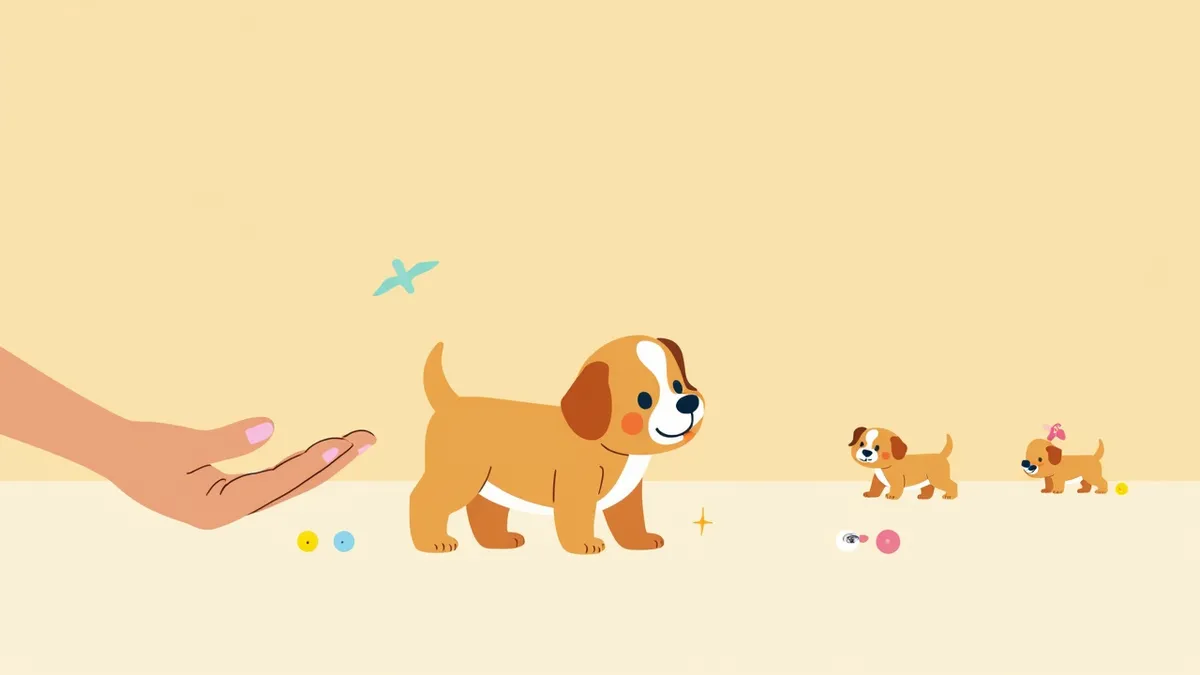
An 8-week-old puppy exploring a new environment by following a person's hand.
The critical socialization window for puppies spans from about three weeks of age to roughly 12–14 weeks. Experiences during this period profoundly shape a dog’s adult behavior and emotional stability. Puppies in this stage are naturally receptive to new stimuli and easily form preferences, making them highly impressionable. Providing appropriate, positive exposure helps them naturally develop essential social skills. Conversely, insufficient interaction with people or other dogs, or an accumulation of negative experiences, can lead to fearful or avoidant behaviors toward unfamiliar stimuli. Missing this window makes subsequent behavioral modification significantly more challenging.

Key Criteria for Choosing Puppy Socialization

When socializing your puppy, follow four key principles: safety, variety, gradual exposure, and positivity. Start in a safe environment to minimize stress. Slowly introduce your puppy to a variety of people, animals, sounds, and places. Overwhelming them too quickly can trigger fear responses. Ensure every experience is associated with positive emotions—for example, offering a treat whenever a new sound occurs. Allow your puppy to explore at their own pace, and never force them if they show signs of fear. Adhering to these guidelines will enable effective socialization.
A puppy's curious expression as it looks at a treat

BEST 1: Professional Socialization Training Programs

Professional socialization training programs are structured courses that gradually expose puppies to a variety of stimuli during their critical socialization window, from about three weeks to fourteen weeks of age, in a safe environment. These programs systematically guide interactions with other dogs, people, sounds, and objects, using positive reinforcement techniques to create positive experiences. Socialization classes offer a safe learning opportunity while minimizing disease risk, and all participating puppies must be healthy and up to date on their vaccinations. These programs are especially beneficial for sensitive or anxious puppies, and it is important for a veterinarian to develop the training plan based on the puppy’s health status and developmental stage.
A professional behavior specialist teaching socialization training to a group of puppies.

BEST 2: At-Home Socialization Kits

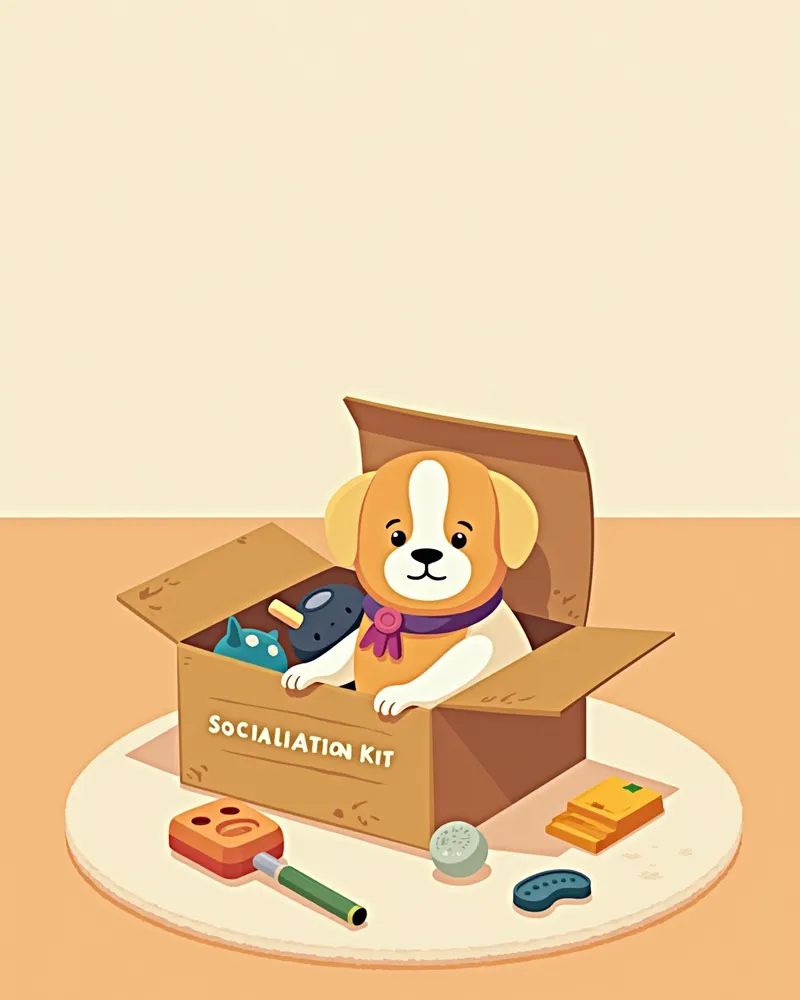
Our at-home socialization kit includes easy-to-use tools and a guidebook designed for daily use, featuring a sound player, toys made from various materials, human-shaped figures, and a treat spray. Depending on the kit, you can provide short, controlled stimuli once or twice a day. You can adjust the intensity and frequency of the stimuli to suit your puppy’s individual responses. Since quality matters more than quantity in socialization, it’s best to repeat brief, positive exposures. The kit is affordable and allows for safe training at home. As you actively participate in the training, you’ll also strengthen the bond with your puppy.
The home dog socialization kit box contains a variety of tools.

BEST 3: Online Socialization Courses

Our online socialization course is a digital program that combines video lessons with real-time feedback. It offers a step-by-step training plan tailored for puppies aged 3 to 14 weeks. Alongside videos simulating various stimuli, you’ll receive live feedback from experts. You can take the course comfortably from home, without being constrained by time or location. This format is especially beneficial for households where going out is difficult. However, since socialization requires avoiding exposure to places frequented by unvaccinated dogs to prevent disease, your puppy must first receive adequate vaccinations and a health check from a veterinarian.
A puppy receiving treats while responding to the sounds from an online lecture video.

Comparison of Socialization Methods BEST 1–3

ItemProfessional Training ProgramHome KitOnline Course
CostHighInexpensiveMedium
SafetyVery highHighMedium
AccessibilityLimitedVery highVery high
Expert SupportAlwaysNoneReal-time feedback
Individual CustomizationHighMediumHigh

For cost and accessibility, the home kit is the most advantageous; for expertise and safety, the professional program is the best.

Caution: Excessive Stimuli During the Socialization Period Are Prohibited

Giving puppies aged 3 to 14 weeks too many stimuli at once can lead to accumulated stress. For example, exposing them to multiple people, other dogs, loud noises, and new places all at the same time may trigger fear responses or avoidance behaviors. Limit stimuli to one or two per day and closely observe your puppy’s reactions. If they show signs of tension or attempt to hide, immediately stop the stimulation and allow them to rest. Socialization is not about force; it is a process of building positive experiences.

Usage Tips for Successful Socialization

Socialization is most effective when done in short, frequent sessions. Rather than long periods, aim for 1–2 brief sessions per day. It’s important to create positive experiences each time. For example, giving a treat every time your dog hears a new sound can help. If your dog shows fear, avoid forcing them and instead let them approach at their own pace. Keeping a journal of the stimuli you expose them to can help you identify which situations elicit positive responses. Regular consultations with your veterinarian can also be beneficial.
A puppy being recorded in a socialization diary, along with a sleeping puppy

Reviewed by a veterinarian

Dr. Tony — Punnawat Phongkittirak

Dr. Tony — Punnawat Phongkittirak

Veterinarian

A veterinarian who majored in veterinary medicine at Khon Kaen University, Thailand, and completed the IVSA program at North Carolina State University in the United States. Drawing on clinical experience at animal hospitals, he works in the pet healthcare field and is dedicated to building a digital care environment that connects pet parents with veterinarians.

Frequently Asked Questions

Is it okay to start socializing a 3-week-old puppy?
At three weeks old, puppies are in a transitional stage where their eyes and ears are just beginning to open. Although the sensitive socialization period starts around this time, it is generally recommended to begin formal socialization exposure after four weeks of age. During this stage, it is important for puppies to stay with their mother and littermates to naturally learn social interactions, while extra care should be taken to minimize exposure to external stimuli.
Is it okay to start socializing my pet after 14 weeks of age?
Although the prime socialization period ends around 14 weeks, training is still possible afterward. However, it requires more time and patience, and negative experiences can have a greater impact. It's best to start as early as possible.
Should I let my dog play with other dogs?
Interacting with other dogs is part of socialization, but it’s not strictly necessary. Prioritize helping your dog become comfortable with people, sounds, and objects in a calm environment. Introduce interactions with other dogs gradually, ensuring the setting is safe and healthy.
What should I do if my puppy gets scared during socialization?
If your dog becomes frightened, immediately stop the stimulation and move them to a safe place. Use treats or toys to create positive associations. It is important to build up positive experiences repeatedly. Never force your dog.
Should socialization training be recommended by a veterinarian?
Training programs recommended by veterinarians are highly reliable. For dogs with severe anxiety or sensitivity, it is safest to proceed under veterinary guidance. It is best to consult with your veterinarian before starting any training.

Share

Related Guides

References

[1] Houpt, K. A. (2018). Canine Behavior: A Guide for Veterinarians. Elsevier.

[2] Serpell, J. A. (2017). The Domestic Dog: Its Evolution, Behaviour and Interactions with People. Cambridge University Press.

[3] Veterinary Guide to Preventing Behavior Problems in Dogs and Cats (2023). American Veterinary Medical Association.

This information is based on veterinary literature and does not replace diagnosis or treatment. Please consult a veterinarian for specific health concerns.

Metapet Co., Ltd. | CEO: Park Sung-yong | Business Reg. No. 417-88-02562 | Seoul, South Korea | Customer Center

Puppy Socialization (3–14 Weeks): Best Tips & How to Choose | Meongsiljang