
Like
Share
멍실장
강아지 구강 악성 흑색종 관리 추천 BEST와 고르는 기준 총정리

Top Recommended Products for Canine Oral Malignant Melanoma Care and Selection Criteria

Oral HealthTop PicksMeongsiljang Veterinary Advisory Board

Malignant melanoma in dogs is a challenging cancer to treat. Early detection and personalized care are key to improving survival rates.

Canine Oral Malignant Melanoma Is a Malignant Tumor That Is Difficult to Treat

Actual photos of malignant melanoma in a dog's mouth
Canine oral malignant melanoma is an aggressive tumor with a poor prognosis that develops in the mouth, making early detection crucial for improving outcomes. This cancer frequently metastasizes to organs such as the lungs. Treatment primarily involves surgical excision with wide margins, often combined with radiation therapy and chemotherapy. Please note that there is no scientific evidence supporting claims that commercially available supplements can inhibit cancer cells, treat tumors, or prevent metastasis; therefore, all care must strictly follow your veterinarian’s diagnosis and prescription. Careful observation by pet owners and regular veterinary check-ups are the most important first steps. Early diagnosis and professional treatment can help extend survival time, while ongoing management and monitoring are essential to slow tumor progression.

Key Information: Managing Canine Oral Malignant Melanoma
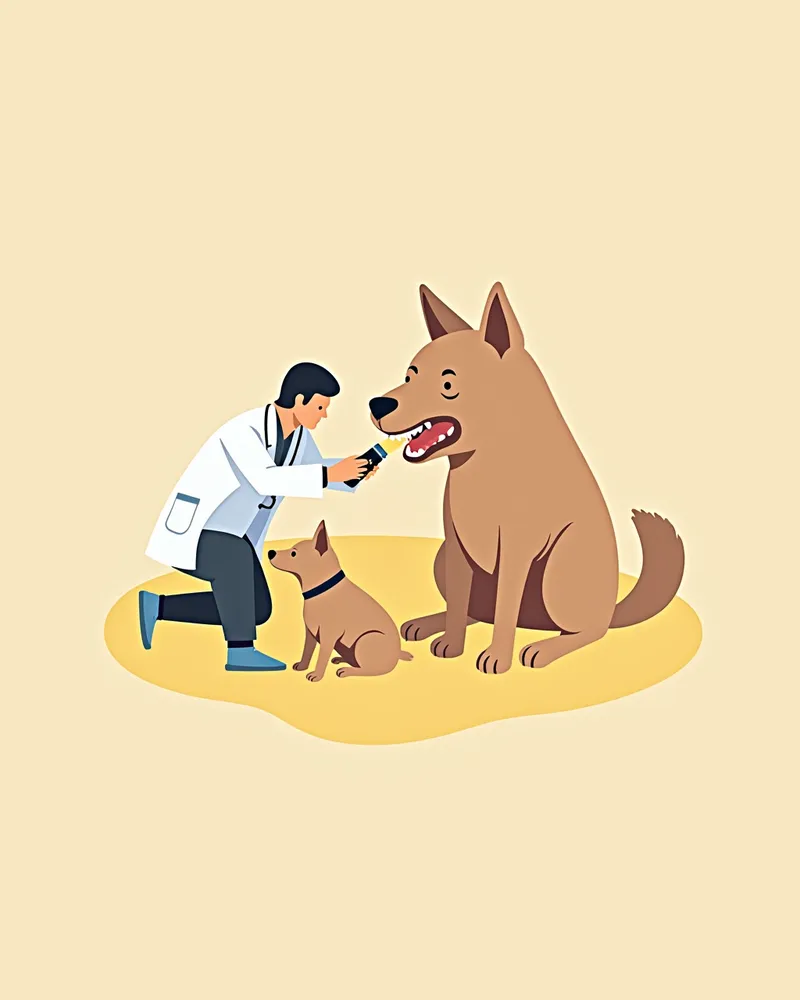
Treatment for canine oral malignant melanoma centers on specialized veterinary care, such as surgical excision, radiation therapy, and chemotherapy. When selecting supportive products, prioritize safety, ease of administration, and veterinary recommendation rather than expecting them to directly treat the cancer. There is no evidence that general supportive products can cure cancer or prevent metastasis, so it is essential to consult your veterinarian before choosing any product.
Products with confirmed safety: These have minimal interactions with prescription medications and fewer side effects.
Easy-to-administer formulations: Liquid or powder forms may be gentler on the stomach.
Veterinarian-recommended products: These are clinically validated and endorsed by veterinarians.
Products that simplify care: Convenient administration methods make daily management easier.
Cost-considered products: Evaluate cost-effectiveness for long-term care.
A scene of a veterinarian examining a puppy's mouth.

Key Information 1: Symptoms and Urgency of Oral Malignant Melanoma

Oral malignant melanoma is a tumor that develops on the mucous membranes, gums, lips, and tongue of dogs, and it is one of the most common oral malignant tumors in the species. In its early stages, it may appear as a small, pigmented lump, but it can grow rapidly and lead to symptoms such as bleeding, bad breath, excessive drooling, difficulty chewing, and facial asymmetry. Because this tumor metastasizes quickly, it is crucial to visit a veterinary clinic immediately if you suspect any of these signs.
An informational image about the symptoms and urgency of oral malignant melanoma

Key Information 2: Diagnosis and Treatment Options

A definitive diagnosis is made through a pathological examination of a tissue biopsy, and additional tests such as chest X-rays, abdominal ultrasound, and fine-needle aspiration of lymph nodes are performed to check for metastasis. The primary treatment is typically surgical excision with adequate margins. Radiation therapy may be used when surgery is not feasible or as an adjunctive treatment. Chemotherapy or immunotherapy may be considered in certain cases, and a specific treatment plan should be determined in consultation with a veterinary oncologist.
Informational image regarding diagnosis and treatment options

Key Information 3: Care Precautions and the Importance of Veterinary Diagnosis
After surgery, it is essential to carefully monitor for recurrence and metastasis through regular follow-up visits and imaging studies. Maintaining good oral hygiene, managing pain, and adhering to the dietary plan prescribed by your veterinarian are also crucial. Because malignant melanoma has a high rate of metastasis, early detection and specialized treatment significantly influence the prognosis. Be cautious of claims online suggesting that specific supplements or natural remedies can inhibit metastasis or cure the disease, as these have not been scientifically validated. All treatments and supportive therapies must be carried out strictly under the diagnosis and prescription of your veterinarian.
An informational image about the importance of care, precautions, and veterinary diagnosis

What Owners Should Know About Canine Oral Malignant Melanoma

ItemKey Points
SymptomsPigmented mass in the oral cavity, bleeding, bad breath, reduced appetite
CauseOccurs from malignant transformation of melanocytes in the oral mucosa
DiagnosisBiopsy/pathology exam + chest and abdominal imaging to determine staging
TreatmentSurgical excision as the mainstay, with radiation/immunotherapy as possible adjuncts
CautionDo not be misled by unverified supplements claiming to suppress metastasis

This is not a table recommending specific products or clinics; it is a reference for when you consult your veterinarian. Always make treatment and diagnostic decisions together with your veterinarian through an examination.

Caution: Drug Interactions and Avoidance of Overconsumption

Supplements or medications used to manage oral malignant melanoma in dogs can interact with other drugs prescribed by your veterinarian. It is especially important to consult your vet before using them alongside chemotherapy. Overconsumption may lead to gastrointestinal side effects such as vomiting and diarrhea, so always follow the dosage and administration instructions provided by your veterinarian and avoid using these products without professional guidance.

Tips for Managing Canine Oral Malignant Melanoma

Managing oral malignant melanoma in dogs requires regular oral exams and consistent daily care. It’s helpful to frequently check your dog’s mouth and establish a habit of brushing their teeth after meals to maintain oral hygiene. Additionally, regular veterinary visits are essential to monitor their condition and adjust the treatment plan as needed. Dietary management should also be discussed with your veterinarian to ensure it’s properly coordinated with their care.
Regular oral exams: Frequently check for lumps, bleeding, or bad breath in the mouth.
Brushing after meals: Maintain the hygiene of teeth and gums.
Maintain a comfortable environment: Provide a quiet, low-stress environment.
Regular veterinary visits: Monitor treatment progress and check for recurrence or metastasis.
Dietary management: There is no verified evidence that specific diets boost immunity or suppress tumors, so consult your veterinarian to determine an appropriate diet.
A puppy resting comfortably.

Reviewed by a veterinarian

Dr. Tony — Punnawat Phongkittirak

Dr. Tony — Punnawat Phongkittirak

Veterinarian

A veterinarian who majored in veterinary medicine at Khon Kaen University, Thailand, and completed the IVSA program at North Carolina State University in the United States. Drawing on clinical experience at animal hospitals, he works in the pet healthcare field and is dedicated to building a digital care environment that connects pet parents with veterinarians.

Frequently Asked Questions

Is malignant oral melanoma in dogs curable?
Oral malignant melanoma has a poor prognosis, making a complete cure difficult. However, early detection followed by specialized treatments such as surgical excision and radiation therapy can extend survival time. In cases where metastasis has already occurred, the treatment goals shift to prolonging survival and maintaining quality of life.
What are the main symptoms of oral malignant melanoma?
Black or brown masses in the mouth are common, but some cases may have little to no pigmentation. Other symptoms may include bad breath, decreased appetite, difficulty swallowing, and bleeding.
When should I start using care products?
Start using the product only after your veterinarian has made a diagnosis and outlined a treatment plan. Early intervention can help improve survival rates.
Is it safe to use grooming products over the long term?
While long-term use is possible under a veterinarian’s guidance, regular check-ups are necessary to monitor your pet’s condition.
Which breeds are more commonly affected by oral malignant melanoma?
It’s not limited to specific breeds and can occur in any dog, regardless of whether it’s a purebred or a mixed breed. That’s why it’s important to regularly check your dog’s mouth, no matter the breed.

Share

Related Guides

References

[1] Lombardo G, Pennisi MG, Lupo T et al. (2012) Detection of Leishmania infantum DNA by real-time PCR in canine oral and conjunctival swabs. Veterinary Parasitology 184, 10-15.

[2] Hostetter S.J. (2023) Oral cavity, gastrointestinal tract, and associated structures. In: Canine and Feline Cytology: A Color Atlas and Interpretation Guide, 2nd edn. Saunders Elsevier, St. Louis, pp. 287–296.

[3] Malik R, Medeiros C, Wigney DI et al. (1996) Suspected drug eruption in seven dogs during administration of flucytosine. Australian Veterinary Journal 74(4), 285-288.

This information is based on veterinary literature and does not replace diagnosis or treatment. Please consult a veterinarian for specific health concerns.

Metapet Co., Ltd. | CEO: Park Sung-yong | Business Reg. No. 417-88-02562 | Seoul, South Korea | Customer Center

Canine Oral Malignant Melanoma: Best Care Products & How to Choose | Meongsiljang